Florida Special Youth Hunt Windows
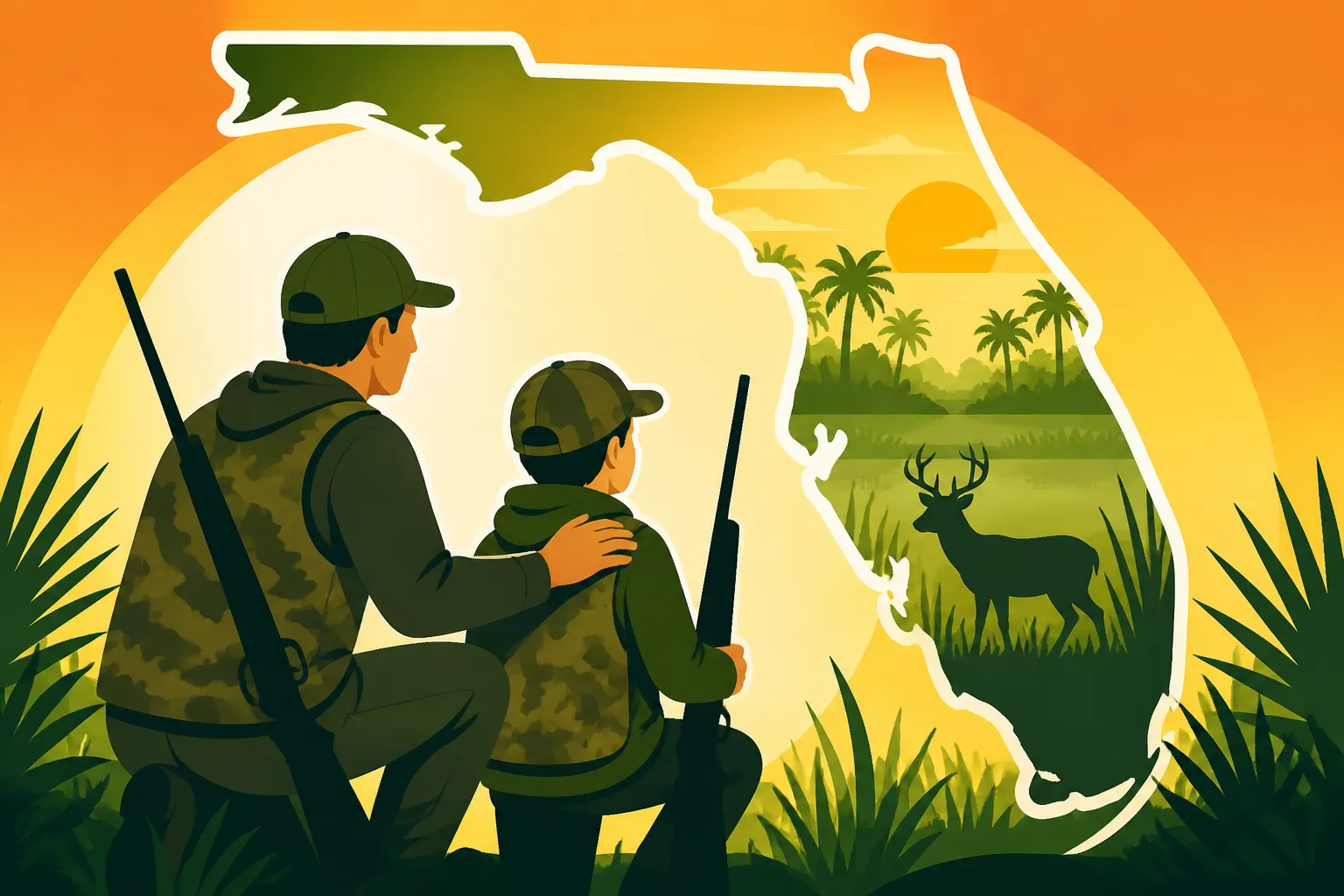
It's truly a special thing to introduce a young person to the outdoors and the tradition of hunting. Many of us remember those formative experiences with a parent or mentor, but for newcomers, trying to decipher Florida's hunting regulations to find suitable opportunities for youth can feel like you need a law degree. It's often confusing to pinpoint the exact dates and rules for kids, which can be frustrating and lead to missed chances. This guide aims to simplify that process, walking you through Florida's dedicated youth hunt windows and offering actionable advice to ensure your child's first experiences afield are both memorable and successful.
Understanding Florida's Special Youth Hunt Windows
Florida's wildlife managers understand the critical role youth play in the future of hunting and conservation. That's why the Florida Fish and Wildlife Conservation Commission (FWC) has thoughtfully established specific hunting windows designed exclusively for young hunters. These special opportunities aren't just about getting kids into the woods; they're about fostering a love for nature, teaching responsible hunting practices, and passing down traditions in a less pressured environment.
Why Youth Hunts Matter So Much
Think about your own hunting journey. Chances are, someone patiently taught you the ropes, shared their knowledge, and made those early outings exciting, even if you didn't harvest anything. Youth hunts are designed to create that exact kind of low-stress, high-learning environment. By setting aside dedicated days, often right before the general season opens, the FWC reduces competition and allows young hunters to experience the woods with fewer distractions. It's an investment in the next generation, ensuring that the conservation ethic and the skills required to be a responsible hunter continue to thrive. These hunts are a cornerstone of the R3 (Recruitment, Retention, Reactivation) initiative, aimed at growing the hunting population and, in turn, funding for wildlife management.
General Framework for Youth Hunting Opportunities
In Florida, a "youth hunter" is generally defined as anyone under 16 years of age. For these special hunt windows, they must be supervised by an adult, 18 years of age or older, who holds a valid Florida hunting license and all necessary permits for the species being hunted. The beauty of these youth-specific dates is that they often precede the regular season openers for species like deer and turkey. This means kids get the first crack at undisturbed game, which can significantly boost their chances of success and build confidence. It’s a chance for them to learn scouting, tracking, and patience without the added pressure of crowded public lands.
Specific Youth Hunt Opportunities for Florida Game Species
Florida offers a fantastic array of special youth hunt windows across various game species, providing diverse opportunities for young hunters to get out in the field. These dates are specifically chosen to give kids a head start and a unique experience.
Deer Youth Hunt Weekends
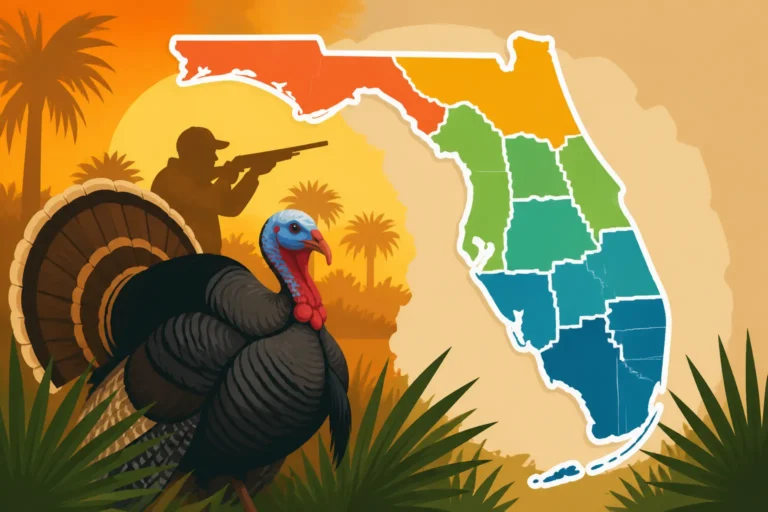
For many aspiring hunters, deer are the ultimate prize, and Florida provides dedicated weekends for youth to pursue them. These hunts typically occur across the state’s four deer management zones. For example, in Zone A, youth might have a special opportunity a weekend or two before the general archery season kicks off in August, or even before a gun season opener. These specific dates can vary annually, so it’s always crucial to consult the most current FWC regulations.
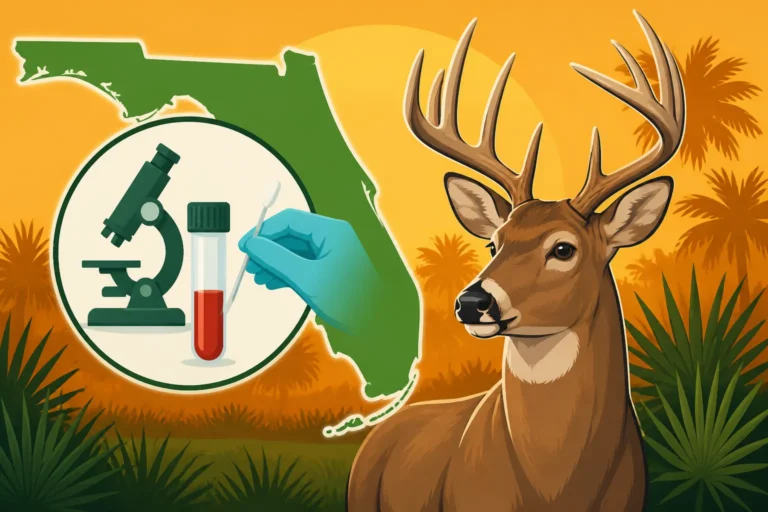
During these youth deer hunts, kids are generally allowed to use the same legal weapons that would be permitted during the regular season, whether that's archery equipment, muzzleloaders, or centerfire rifles. This flexibility allows mentors to choose the appropriate equipment for their young hunter's skill level and comfort. Imagine the excitement of a young hunter in the Panhandle, perhaps in Zone D, getting to sit in a stand with their mentor, watching a deer herd move through a pine plantation knowing they have the first opportunity of the season. To understand the detailed regulations, including bag limits and specific dates for your area, you'll want to review the official Florida Youth Deer Hunt Rules. Remember that once a deer is harvested, it must be reported to the FWC, usually through their app or website, adhering to Florida Deer Reporting Requirements.
Turkey Youth Hunt Weekends
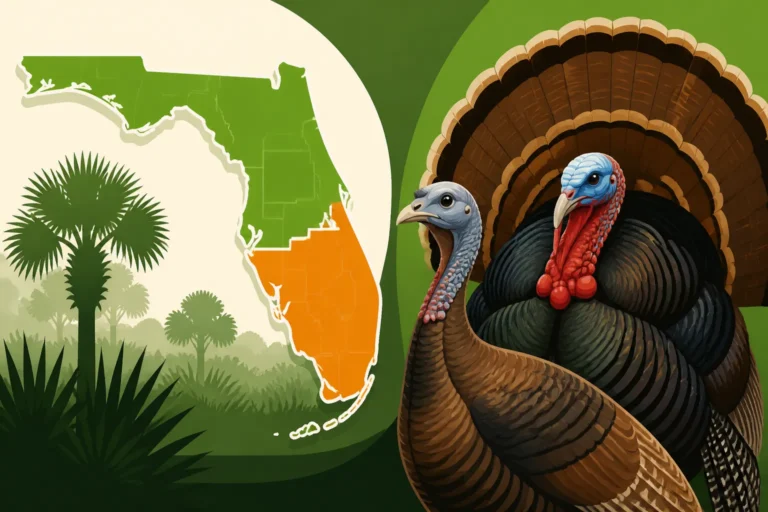
Florida is unique in offering two distinct subspecies of wild turkey: the Osceola in peninsular Florida (south of State Road 70) and the Eastern turkey in the Panhandle (north of State Road 70). Both offer fantastic youth hunting opportunities, typically preceding the general spring gobbler season openers. This is an incredible chance for a young hunter to experience the thrilling challenge of calling in a wary gobbler when they haven't been pressured by adult hunters yet.
The dates for these youth turkey hunts are distinct for the Osceola and Eastern zones. For instance, you might find specific Florida Youth Turkey Weekend Dates by Zone set in early March for the Osceola zone, followed by later dates for the Eastern zone. These early weekends mean kids get to hunt gobblers often fresh off the roost, more likely to respond to calls before they become "educated" by the full swing of the season. A patient mentor can teach a young hunter the nuances of camouflage, calling, and reading turkey behavior, which is invaluable. For tactics and insights into pursuing these birds, you might find resources like Hunting an Osceola Gobbler in Palmetto Scrub or Hunting an Eastern Gobbler in Panhandle Pines helpful to review with your youth hunter.
Waterfowl and Other Migratory Bird Youth Days
Waterfowl hunting is another fantastic way to introduce youth to the outdoors, and Florida often participates in federal frameworks that allow for special youth-only days for ducks, geese, and sometimes doves. These days are usually strategically placed to coincide with peak migration or optimal conditions, giving kids a memorable experience.
For ducks, these youth days might fall in late September during the early teal season or in early February after the main duck season has concluded. It's a chance to set decoys, practice calling, and experience the thrill of a morning flight without the competitive pressure of general season. Similarly, the FWC may designate special youth days for doves, often a specific weekend during the main dove season, providing a fun, fast-paced shooting opportunity. If you're planning a migratory bird hunt, don't forget that even though the youth hunter might not need a license, the supervising adult will still need their Florida Migratory Bird Permit (HIP certification) and a Federal Duck Stamp if hunting waterfowl. You can learn more about general season dates and regulations by checking out topics like Florida Duck Season Split Dates or Florida Waterfowl Season and Zones.
Small Game and Squirrel Youth Opportunities
While small game seasons in Florida are often quite generous and open to youth hunters under supervision throughout much of the year, specific designated youth days sometimes arise for particular species or in certain areas. These opportunities are fantastic for new hunters as they typically involve more action and less waiting than deer or turkey hunts.
For instance, squirrel hunting in Florida's hardwood hammocks can be an incredibly engaging and active hunt for a young person. They learn about tracking, identifying different tree species, and honing their shooting skills on moving targets. There might not be specific "youth-only" weekends for squirrels statewide, but many areas and WMAs promote small game hunting as an ideal entry point. If you're looking for more details on these types of hunts, a post like Squirrel Hunting Florida Hardwood Hammocks could provide excellent background. These hunts are also often less gear-intensive, making them more accessible for families just starting out.
Navigating Eligibility, Licensing, and Legal Requirements
Understanding the specific rules for youth hunters in Florida is paramount. It ensures not only that your hunt is legal but also that it's safe and educational. The FWC has clear guidelines that, once you know them, are quite straightforward.
Age Requirements and Mentor Responsibilities
The core of Florida's youth hunting program is built around the mentor-mentee relationship. Generally, anyone under 16 years of age is considered a youth hunter. The crucial part is that they must be under the direct supervision of an adult who is at least 18 years old. What does "direct supervision" mean? It means the adult must be physically present and able to observe and direct the youth hunter at all times. They are responsible for ensuring the youth hunter complies with all hunting regulations and for handling any safety issues.
This mentorship is more than just supervision; it's about active teaching. It's about explaining why you're doing what you're doing, teaching ethical shot placement, and demonstrating respect for the land and the animals. Florida's Florida Mentored Youth Hunting Rules provide clear details on this relationship, allowing for an apprentice-style learning experience. Importantly, youth hunters are generally exempt from the hunter education requirement if they are hunting under the direct supervision of a licensed adult. However, it's still highly recommended for them to take Florida Hunter Education Requirements courses when they're old enough, as it builds a comprehensive foundation of knowledge and safety.
Licensing and Permits for Youth Hunters
Here's some great news for families: youth hunters under 16 years of age generally do not need a Florida hunting license or state migratory bird permits. This significantly reduces the cost barrier to getting kids started. However, the supervising adult must possess all required licenses and permits for the hunt, including:
- A valid Florida hunting license (Resident or Nonresident).
- Any necessary species-specific permits, such as a Deer Permit or Turkey Permit.
- A Florida Waterfowl Permit and Federal Duck Stamp if hunting waterfowl.
- A Florida FWC Management Area Permit if hunting on a Wildlife Management Area (WMA).
It's critical for the adult mentor to have everything in order. Think of it this way: the adult's licenses cover both of them for the youth hunter's participation. For a complete breakdown of costs and options, checking out Florida Hunting Licenses and What They Cost is highly recommended. If you're planning a hunt on a WMA, especially for quota hunts, you'll also need to understand the Florida WMA Quota Permit System, as some youth hunts might still require specific WMA permits or applications, even if the youth themselves don't need a base license. Always double-check WMA-specific regulations, as they can sometimes have additional rules or special youth-only drawings.
Weapon Restrictions and Safety Guidelines
When it comes to weapons, youth hunters are generally allowed to use legal firearms, bows, or crossbows that are permissible for the general season of the game species they are pursuing. This means if it's a youth deer gun hunt, they can use a rifle or shotgun legal for deer. However, choosing the right weapon for a young hunter is paramount for safety and comfort. A smaller caliber, reduced recoil, or a youth-model firearm can make a huge difference in their ability to shoot accurately and safely.
Safety is non-negotiable. The supervising adult is responsible for ensuring the youth understands and practices all fundamental firearm safety rules: treat every firearm as if it's loaded, always point the muzzle in a safe direction, keep your finger off the trigger until ready to shoot, and be sure of your target and what's beyond it. Wearing blaze orange is also a legal requirement for most gun hunts in Florida and is a crucial safety measure to ensure visibility, so make sure both the youth and mentor are wearing the appropriate amount, as detailed in How Much Blaze Orange Florida Requires. Always bring hearing and eye protection; these are simple but vital pieces of gear for any shooting activity, especially with young ears and eyes.
Maximizing the Youth Hunt Experience
Successfully introducing a young person to hunting goes far beyond just getting them a license and showing up on opening day. It's about careful planning, proper preparation, and most importantly, an emphasis on teaching and making it an enjoyable experience, regardless of whether game is harvested.
Pre-Season Scouting and Planning
Just like for any adult hunt, pre-season scouting is absolutely crucial for increasing the chances of success for a youth hunter. Nothing builds confidence and excitement like seeing game sign and knowing you've picked a good spot. For detailed WMA maps, current regulations, and public land boundaries, a resource like GoHunt can be invaluable. It helps you pinpoint exact access points, identify potential food sources, and even visualize terrain features before you ever set foot in the woods. Involving the youth in this scouting process is key. Walk the woods together, look for tracks, droppings, rubs, and scrapes. Explain why certain areas might be better than others. This teaches them to read the land and invest in the upcoming hunt.
Many seasoned mentors rely on tools like GoHunt to cross-reference season dates, special regulations, and even historical harvest data, providing a significant advantage in planning. Don't underestimate the power of knowing exactly where you are and what the land offers. You might find a hidden travel corridor or a secluded oak hammock that gets less pressure, especially on public land. Learning how to identify these areas is part of Scouting Florida Public Land Before Season, a skill that will serve your young hunter for a lifetime.
Essential Gear and Preparation
Comfort and safety are paramount for youth hunters. A cold, wet, or uncomfortable child is not going to enjoy their hunting experience, regardless of the game. Start with appropriate clothing: layers are always best in Florida's unpredictable weather, plus good rain gear. Bug spray is practically a necessity in the Sunshine State.
When it comes to weapons, ensure the firearm or bow fits the youth hunter properly. A smaller, lighter youth model with reduced recoil can make a world of difference. Many manufacturers offer youth-sized stocks or adjustable options. For bows, ensure the draw weight and length are suitable. Always bring plenty of snacks and water – staying hydrated and energized is important. Don't forget a comfortable seat or ground blind to keep them still and cozy. A small backpack with essentials, a first-aid kit, and headlamps are also critical. The more prepared you are, the more enjoyable and focused the experience will be.
Mentorship and Field Ethics
The true success of a youth hunt isn't measured by what's harvested, but by the lessons learned and the memories made. Patience is a virtue, especially with young hunters. They might get fidgety, ask a million questions, or be easily distracted – and that's perfectly normal. Use these moments as teaching opportunities. Talk about wildlife identification, the sounds of the forest, and the importance of conservation.
Teach them ethical shot placement and the responsibility that comes with taking an animal's life. Show them how to track a deer in sandy Florida soil or how to field dress a deer in hot weather, emphasizing respect for the game. Instill good hunting etiquette, like respecting other hunters and private property lines. A mapping application like GoHunt can even help them visualize property boundaries, showing them where it's okay to hunt and where it's not. Even if no game is taken, a positive, educational experience will foster a lifelong love for the outdoors. Ultimately, you're not just guiding a hunt; you're building a hunter and a conservationist.
Florida Youth Hunting Opportunities at a Glance
To help you quickly identify key dates and species, here's a general overview. Always check the official FWC regulations for the most up-to-date and specific information for your chosen zone and WMA.
| Species | Typical Youth Hunt Dates (General) | Notes |
|---|---|---|
| White-tailed Deer | Weekend before Archery/Gun Season | Dates vary significantly by Florida's Zone A, B, C, D. Supervised youth under 16, adult must be licensed. |
| Wild Turkey | Weekend before Spring Gobbler Season | Separate dates for Osceola Zone (south of SR-70) and Eastern Zone (north of SR-70). |
| Waterfowl | Late September/Early February | Special youth-only days often coincide with early teal or post-main season. Adult must have stamps. |
| Doves | Mid-October | Specific youth weekend often falls within the general dove season. |
| Small Game | Year-round / Specific WMA dates | Many small game species are open year-round; some WMAs might have specific youth small game hunts. |
Disclaimer
The information provided in this guide is for general informational purposes only and is not intended as legal advice. Hunting regulations in Florida are subject to change and vary by zone, specific Wildlife Management Area (WMA), and even individual hunt dates. Always consult the most current official regulations published by the Florida Fish and Wildlife Conservation Commission (FWC) before planning any hunting trip. It is the hunter's responsibility to know and follow all applicable laws and regulations.