Florida Zone C Archery Opening Day
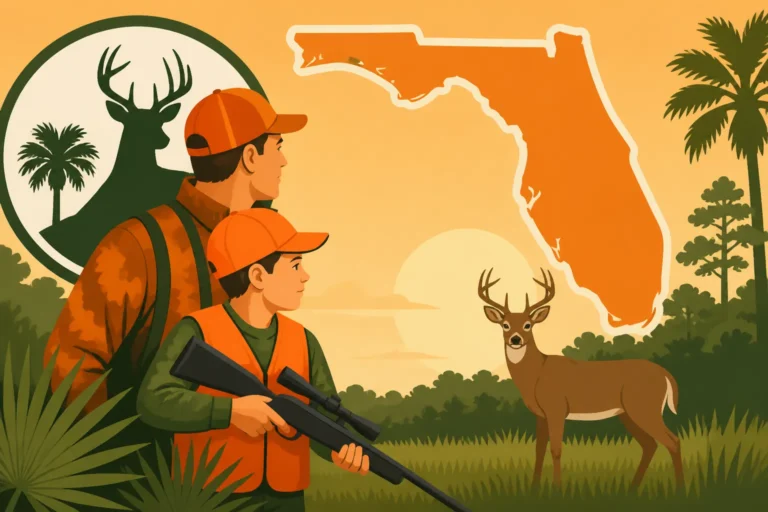
The crisp morning air, even in Florida, brings a certain thrill when you know archery season is about to kick off. But let's be honest, trying to keep track of Florida's diverse hunting zones and their unique opening days can feel like navigating the Everglades without a map. This guide is here to clear up all that confusion, giving you the definitive rundown on when and how to approach Florida Zone C Archery Opening Day so you can hit the woods prepared and confident.
Understanding Florida's Deer Management Zone C
Florida is a big state, and its deer populations, habitats, and even the timing of the rut vary significantly from north to south and east to west. To manage this diversity effectively, the Florida Fish and Wildlife Conservation Commission (FWC) has divided the state into four distinct deer management zones: A, B, C, and D. Each zone has its own set of season dates, tailored to the local deer herd's biology and hunting pressure.
What Makes Zone C Unique
Zone C encompasses a large and diverse region primarily covering central and north-central Florida. Think of counties like Marion, Putnam, Sumter, Lake, and many others stretching down towards the Orlando area and east towards the coast. This landscape is a mosaic of mixed pine and hardwood forests, dense palmetto flats, wet cypress swamps, and agricultural fields. It's a prime example of classic Florida hunting territory, offering a wide range of challenges and opportunities.
What truly sets Zone C apart is its earlier archery opener compared to some other parts of the state. While it doesn't have the earliest opening day (that typically belongs to Zone A), it definitely gets a jump on Zones B and D. This earlier start is no accident; it’s usually tied to the specific biological rhythms of the deer within these areas. The rut, or breeding season, in Zone C is less pronounced and typically occurs earlier than in the Panhandle (Zone D) or parts of South Florida (Zone B). By setting an earlier archery season, the FWC aims to provide hunting opportunities that align with when deer are most active and predictable, allowing for a more sustainable harvest. For many of us, it means the anticipation of deer season hits a little sooner, offering a welcome respite from the long off-season. If you're still trying to figure out if your stomping grounds are in this area, you can easily look up Which Zone Covers Your Florida County to be sure. It's always a good idea to know your zone before planning your hunts.
The Importance of the Zone System
You might wonder why Florida needs such a complex system of zones. Why can't we just have one statewide season like some other states? The answer lies in the sheer biological diversity across Florida. A white-tailed deer in the Apalachicola National Forest (Zone D) lives in a very different environment and faces different pressures than a deer in the cypress swamps of the Green Swamp Wilderness Preserve (Zone C). Their diets, their movement patterns, and critically, their breeding cycles, are not uniform.
The zone system, including the specific regulations for Zone C, is designed to align hunting pressure with these localized deer biology factors. This ensures that hunting efforts are sustainable, that fawns are born at optimal times, and that the herd remains healthy. For instance, an early archery season in Zone C before the main rut allows hunters to target deer before they become highly nocturnal or scattered due to hunting pressure. This localized approach prevents overharvesting in one area while potentially missing opportunities in another. It also creates a more intimate connection for hunters to their specific region, encouraging a deeper understanding of the local wildlife. Knowing the ins and outs of Florida's Four Deer Management Zones Explained really helps put it all into perspective.
Key Dates and Regulations for Zone C Archery Season
Getting the dates right is half the battle, and it's where many hunters, myself included, can sometimes get tripped up. Add in the complexities of legal equipment and bag limits, and it's easy to see why a clear guide is so important.
Official Opening Day and Season Length
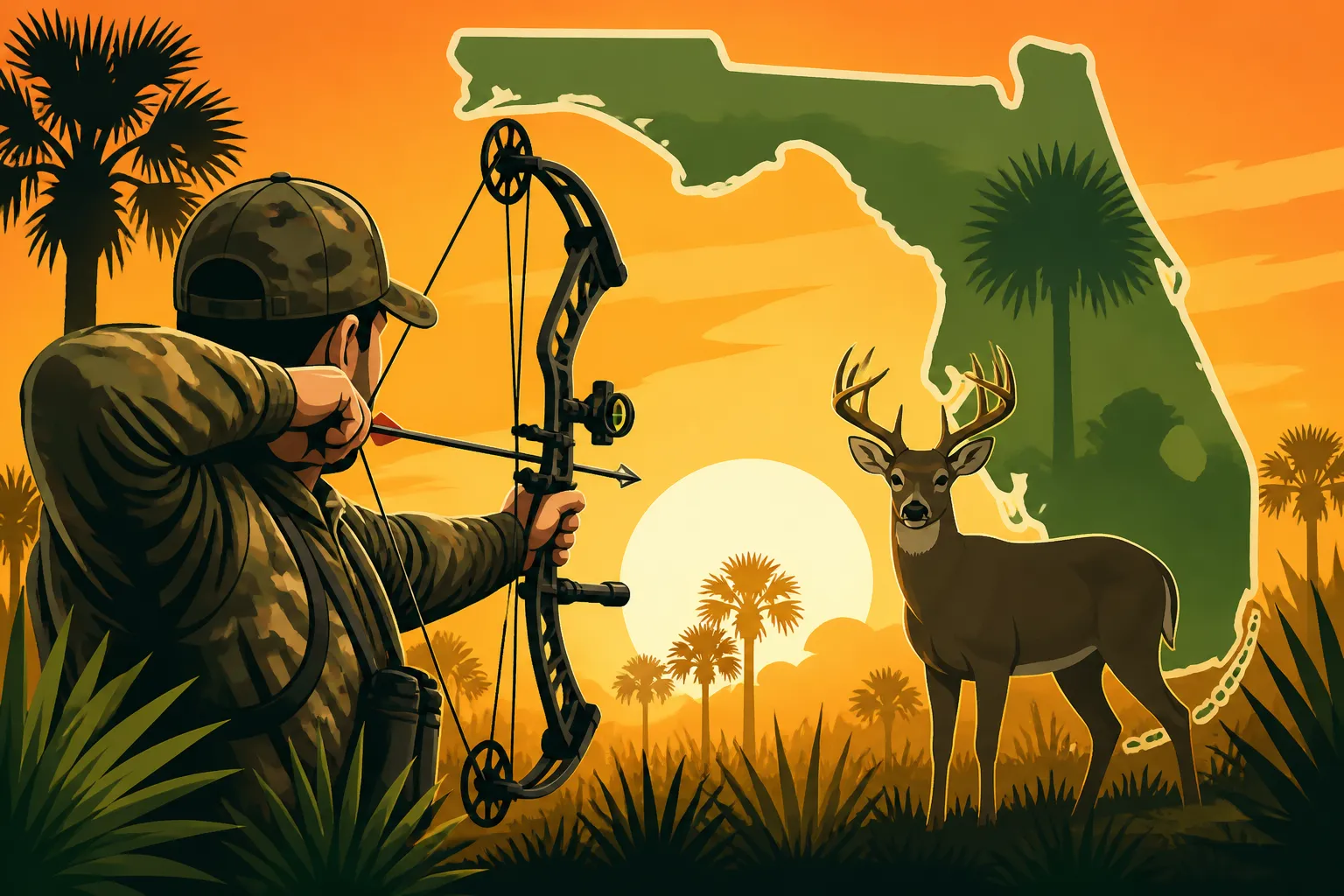
For the 2024-2025 hunting season, Florida Zone C Archery Season typically opens on September 14th. This usually falls on the second Saturday of September each year. The season then runs for a solid 30 days, closing on October 13th. This month-long window is an incredible opportunity for bowhunters to get into the woods before the much higher pressure that often accompanies muzzleloader and general gun seasons.
This early archery window is a gift, offering a chance to pattern deer while they are still largely on their summer feeding and bedding routines. The deer haven't been pushed and prodded by weeks of hunter activity, meaning they might be more predictable in their movements. However, it's crucial to always double-check the latest FWC regulations each year, as dates can occasionally shift slightly. Having the current FWC hunting handbook, or the FWC's excellent hunting app, readily available on your phone is a smart move.
Permitted Equipment and Bag Limits
When it comes to archery season in Florida, the regulations are fairly straightforward for traditional archery gear. You're good to go with longbows, recurve bows, and compound bows. There aren't typically minimum draw weight requirements for deer, but ensure your equipment is in good working order and you've practiced extensively. Ethical hunting means a clean, quick harvest, and that comes from proficiency with your chosen weapon.
Crossbows are often a point of confusion for new hunters. During the statewide archery season, including Zone C, crossbows are generally allowed for all hunters without a special permit. However, this is one of those rules where it pays to be extremely specific. Some Wildlife Management Areas (WMAs) may have unique stipulations that differ from statewide regulations. Always verify the rules for your specific hunting location. For a deeper dive into the specifics, you can check out our guide on Legal Weapons During Florida Archery Season or explore the nuances of Crossbow Hunting During Florida's Archery Season.
As for bag limits, during the Zone C archery season (and statewide), hunters are typically allowed to harvest two antlered deer and two antlerless deer per season. An "antlered deer" is defined as any deer with at least one antler five inches or longer, or an antler with three or more points on one side. Antlerless deer (does or young bucks without legal antlers) are fair game throughout the archery season, which provides a fantastic opportunity for population management and filling your freezer. Remember, these are statewide general rules. It is absolutely critical to check the specific regulations for any Wildlife Management Area (WMA) you plan to hunt, as WMAs often have more restrictive bag limits or specific antler point restrictions.
Finally, deer reporting is mandatory in Florida. After harvesting a deer, you must report it to the FWC via their app or website within 24 hours. This data is vital for wildlife biologists to monitor herd health and population trends.
Here's a quick reference table for Zone C Archery Season:
| Category | Details (2024-2025 Typical) | Notes |
|---|---|---|
| Opening Day | September 14 | Always confirm FWC regulations annually |
| Closing Day | October 13 | |
| Legal Weapons | Longbow, Recurve, Compound Bows | Crossbows allowed statewide without special permit; check WMA rules |
| Bag Limit | 2 antlered deer, 2 antlerless deer (season) | Varies by WMA; always check specific area rules |
| Antlered Deer | Must have at least one antler 5+ inches | Or an antler with 3+ points on one side |
| Antlerless Deer | Allowed during archery season (statewide) | Check WMA rules for antlerless days/limits |
| Reporting | Mandatory for all harvested deer | Through FWC's app or website within 24 hours |
Strategies for a Successful Zone C Archery Opener
Hunting the early archery season in Florida's Zone C presents its own unique set of challenges and opportunities. The heat, the bugs, and the deer's still-summery patterns all require specific tactics to be successful.
Scouting for Early Season Patterns
Early season deer are generally still locked into their summer patterns, which means their movements are primarily driven by two things: food and water. The peak of the rut is still weeks or even months away for most of Zone C, so don't expect bucks to be actively cruising for does. Instead, focus your scouting efforts on identifying prime food sources. Look for early-dropping hard mast like water oak acorns, or soft mast such as persimmons, wild grapes, and even muscadines. If you're hunting near agricultural lands, check for standing crops or recently harvested fields that might offer tempting forage.
Water sources are equally critical, especially in the relentless Florida heat. Deer need to hydrate frequently, so ponds, creeks, swamp edges, and even drainage ditches can be high-traffic areas. Look for fresh tracks in muddy areas, rubbed-down trails leading to water, or even deer wallows. Tools like GoHunt can be invaluable here, allowing you to review aerial maps to pinpoint potential water sources, agricultural fields, and different vegetation types that might hold deer. This kind of detailed Scouting Florida Public Land Before Season will give you a significant edge.
Bedding areas during this time will almost always be in the thickest, coolest cover available. Deer will move minimally during the heat of the day, preferring to stay hidden and conserve energy. Your goal is to identify how deer are traveling between these secure bedding areas and their preferred food and water sources, particularly during the low-light hours of dawn and dusk. When scouting, minimize your disturbance. Quick, efficient walk-throughs are best, focusing on fresh sign without lingering too long and spreading human scent.
Stand Placement and Thermal Considerations
Florida's famously flat terrain often lulls hunters into a false sense of security regarding wind and thermals. While you might not have steep elevation changes, subtle depressions, water features, and dense vegetation can create micro-thermals that absolutely dictate scent movement. In the early morning, thermals typically drop, carrying your scent downwards. As the sun rises and heats the ground, they begin to rise, carrying scent upwards. In the evening, this reverses. This knowledge is paramount for proper stand placement. Our guide on Wind and Thermals in Flat Florida Terrain offers a much deeper look at this often-overlooked aspect of hunting.
Position your stand or ground blind on the downwind or crosswind side of anticipated deer travel routes, always taking into account the thermal currents. Consider setting up on the edges of thick cover, pinch points, or funnel areas where deer are naturally directed between bedding and feeding. A well-brushed-in ground blind can be incredibly effective in Florida's dense cover, offering great concealment and helping to contain your scent profile, especially during those long, hot sits. Learn more about effective concealment in our article about Using a Ground Blind on Florida Public Land.
Access routes are just as important as the stand itself. You need a quiet, scent-free way to get to your setup without alerting deer. This might mean using old logging roads, walking through shallow water, or even utilizing a kayak or canoe if water access is an option. Think about every step and every rustle; early season deer are not yet pressured and will be quick to pick up on anything out of place.
Managing the Early Season Heat and Insects
Let's face it: September in Florida is hot. Really hot. Managing the heat isn't just about comfort; it's a matter of safety and effectiveness. Lightweight, breathable hunting clothing is non-negotiable. Synthetics that wick moisture away from your skin are far better than cotton. Hydration is key – bring plenty of water and consider electrolyte drinks to replenish what you lose through sweat. Overheating can quickly ruin a hunt and put you in a dangerous situation, so read up on a good Hot-Weather Sitting Strategy in Florida.
And then there are the bugs. Oh, the bugs. Mosquitoes, gnats, and no-see-ums are tenacious and numerous in early season Florida. Quality insect repellent is a must, but often a Thermacell unit can provide a much-needed bubble of relief, especially if you're in a stationary position like a ground blind or treestand. Don't underestimate how distracting and irritating a constant swarm of insects can be; it will test your patience and your ability to remain still.
Finally, post-harvest meat care needs to be fast and efficient. The warm temperatures mean you have a very limited window before meat can spoil. Have a clear plan for field dressing your deer immediately, getting it out of the woods as quickly as possible, and into a cooler packed with ice. Some hunters even bring large bags for the quartered meat to drop directly into ice chests once the deer is processed in the field. The faster you can cool that meat, the better the quality of your venison.
Avoiding Common Archery Season Pitfalls
Even seasoned hunters can fall victim to common mistakes, especially when dealing with the unique conditions of Florida's early archery season. Being aware of these pitfalls is the first step to avoiding them.
Don't Assume Regulations are Universal
This cannot be stressed enough: Do not assume statewide regulations apply to every single hunting area. While the FWC sets overarching rules for each zone, Wildlife Management Areas (WMAs) often have their own specific regulations that can differ significantly. These can include variations in bag limits, antler point restrictions, specific hunt dates that deviate slightly, legal weapon types, or even restrictions on entry and exit times.
Before you even load your bow, spend time reviewing the WMA-specific regulations for your chosen hunting grounds. A quick check on the FWC website, or by using mapping apps like GoHunt that integrate WMA boundary information and rules, can save you a hefty fine or, worse, the loss of your hunting privileges. It's not enough to know Zone C's general rules; you need to know your specific WMA's Zone C rules. This vigilance extends to your licensing as well. Ensure you have your basic Florida hunting license, a deer permit, and any required WMA stamps if you're on public land. Our guides on Florida Hunting Licenses and What They Cost and Florida Resident License Options can help ensure all your paperwork is in order before you hit the field.
Overlooking Deer Behavior in Early Season
A common mistake for hunters is approaching the early archery season with tactics better suited for the rut. In Zone C's September opener, deer behavior is fundamentally different. Bucks are typically still in their velvet or have only recently shed it, and while testosterone levels are rising, they are not yet actively chasing does. Don't expect aggressive rattling or grunting to be highly effective.
Instead, focus your strategy on the deer's primary motivators: food, water, and security. Bucks might still be in bachelor groups, or just beginning to separate, making their movements between these essentials somewhat predictable. Pay close attention to what the deer are actually eating. If it's been a year with a poor acorn crop, for instance, deer will shift their feeding patterns to other natural browse or agricultural fields. Understanding this can be the difference between seeing deer and just walking through the woods. It's a bit like Hunting After a Poor Acorn Year, where you need to adapt to what the deer actually have available.
Your early season scouting should prioritize identifying these current food sources and understanding how deer travel to them from their thick bedding cover. This is a time for quiet observation and targeting established patterns, not for trying to provoke a reaction with aggressive calling.
Navigating Public Land Pressure
The opening day of any hunting season, especially an early archery opener, is a magnet for hunters. Public lands, particularly those with easy access, will often experience significant pressure. This pressure can quickly turn predictable deer nocturnal or push them into the deepest, nastiest, most inaccessible cover available.
To mitigate this, you need a strategy for finding less pressured areas. Be prepared to walk further than most hunters are willing to go. Utilizing mapping tools, such as the detailed layers offered by GoHunt, can help you identify areas with difficult access – deep swamps, sprawling palmetto heads, or sections far from established roads and trails. These "honey holes" often hold deer that are less accustomed to human presence. Our guide on Finding Ground Others Walk Past offers some great advice here.
Consider hunting during weekdays if your schedule allows, as public lands will inevitably be busier on weekends. Be patient, especially during the heat of the day. Deer will be bedded down in cool, secure spots, and so should you, or at least be committed to remaining utterly still in your stand. Remember, persistence and a willingness to venture off the beaten path are your greatest assets when facing public land pressure in early season Zone C.
Disclaimer
Hunting is an activity with inherent risks. Always consult the most current Florida Fish and Wildlife Conservation Commission (FWC) regulations before engaging in any hunting activities. This article is for informational purposes only and does not constitute legal advice or replace official FWC guidelines. Always prioritize safety, ethical hunting practices, and respect for wildlife and the environment.