Florida Public Dove Field Draw Rules
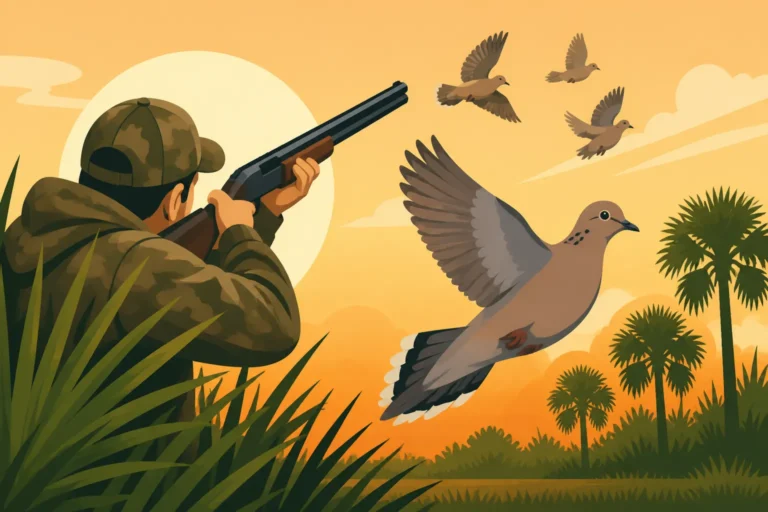
There's nothing quite like the rush of doves rocketing over a field on opening day, but for many hunters, finding a prime spot on public land can feel like winning the lottery. You're not alone if you've struggled with crowded fields or simply didn't know how to access the best public dove hunting opportunities. This guide will walk you through the ins and outs of Florida's public dove field draw rules, helping you understand the system, apply effectively, and maximize your chances for a fantastic hunt.
Understanding Florida's Public Dove Field Quota System
Florida's public lands offer some incredible dove hunting, but because these areas are so popular, the Florida Fish and Wildlife Conservation Commission (FWC) manages access through a quota hunt system. This isn't just about showing up; it's about planning, applying, and understanding the rules. The quota system is designed to distribute hunting pressure, ensure a quality experience, and maintain healthy dove populations. Without it, imagine hundreds of hunters descending on a single public field—it would be chaos and frankly, not very enjoyable for anyone.
Why Quota Hunts are Necessary for Dove Fields
Florida's mild climate and abundant agricultural lands make it a fantastic destination for doves. However, many of these prime feeding and roosting areas are on private land. The FWC works hard to secure and manage public dove fields, often planting specific crops like sunflowers, millet, or corn to attract birds. When you concentrate a desirable game species in an easily accessible area, competition for hunting spots naturally arises. The quota system steps in to level the playing field, giving everyone a fair shake at these prime locations while preventing overharvesting and ensuring safety. It's a system that, while sometimes frustrating if you don't draw, ultimately benefits the hunting community by preserving the quality of these experiences. It also allows the FWC to gather crucial data on harvest rates and hunter participation, which directly informs future management decisions.
Distinguishing Public Dove Fields from Open-Access WMAs
It's important to understand that not all public lands designated as Wildlife Management Areas (WMAs) require a quota permit for dove hunting. Some WMAs have areas specifically managed as "public dove fields" where the quota system applies, while other parts of those same WMAs, or entirely different WMAs, might allow open-access dove hunting. The key difference lies in the intensive management of these dedicated dove fields—think planted crops, specific shooting lanes, and regulated access to ensure quality and safety. For instance, a general WMA might allow you to go Pass-Shooting Doves on a September Field in certain timber cuts or agricultural edges without a quota, but the dedicated dove fields are usually the ones drawing the big numbers and thus, requiring a draw. Always check the specific WMA regulations in the annual FWC hunting guide or on their website, as rules can vary significantly from one management area to another. You wouldn't want to show up on opening day only to find you needed a permit you didn't apply for.
Navigating the Application Process for Florida Public Dove Field Quota Hunts
The application process for Florida's public dove field quota hunts can feel a bit daunting at first, especially with all the different types of permits and application periods. But trust me, once you get the hang of it, it's pretty straightforward. It just requires a bit of planning and attention to detail. Ignoring the application window or misinterpreting the permit types can easily lead to missing out on a prime hunt.
The FWC Quota Hunt Application System
The FWC uses a centralized online system for all quota hunt applications, including those for public dove fields. This system is part of their broader Florida WMA Quota Permit System which manages access for various species across many WMAs. To apply, you'll need an active Florida hunting license and a valid WMA Management Area Permit. If you're new to hunting in Florida or just haven't dealt with the quota system before, the FWC website is your best friend. They have step-by-step guides, and honestly, the system itself is pretty intuitive once you log in. You'll browse available hunts, select your preferred options, and submit your application during specific windows. It’s also where you'll check your results and accept any awarded permits. Companies like GoHunt offer digital tools that can help keep track of application deadlines and permit types across different states, which can be a real lifesaver if you hunt in multiple regions.
Key Application Periods and Deadlines
This is where many hunters get tripped up. There isn't just one application period; rather, there are several "phases" of applications, and the timing is crucial. The primary application period, often called "Phase I," usually opens in early summer (think May-June) for hunts occurring later in the year. If you're serious about Hunting the September Dove Opener on a premier public field, this is the window you absolutely cannot miss.
Example Table: Typical Florida Dove Quota Hunt Application Timeline
| Phase | Application Window (Approx.) | Results Available (Approx.) | Permit Acceptance Deadline (Approx.) | Purpose |
|---|---|---|---|---|
| Phase I | May – June | July | Late July – Early August | Initial draw for most hunts, including prime dove fields. |
| Phase II | Late August – Early September | Mid-September | Late September | Second draw for remaining permits after Phase I acceptance. |
| Leftover | October onwards | Immediate | Varies (often quick turnaround) | Unclaimed or unissued permits, first-come, first-served. |
(Please note: These dates are approximations and can change annually. Always refer to the official FWC Hunting Regulations Handbook or their website for the most current dates.)
After Phase I, if there are still permits available (which can happen, especially for less popular dates or locations), a Phase II application period will open. Finally, any permits remaining after Phase II are usually offered as "Leftover" permits on a first-come, first-served basis. These leftover permits often disappear very quickly, so you need to be ready to snag them the moment they become available. Keep a close eye on the Florida WMA Quota Permit Application Window for specific dates, as they can sometimes shift from year to year.
Different Permit Types and Their Implications
When you apply for a public dove field quota hunt, you'll typically be applying for a specific date or block of dates at a designated WMA. These permits are usually "Daily Permits" or "Weekend Permits," meaning they grant you access for that specific period only. Sometimes, a WMA might have different types of permits:
- Family Group Permits: These are fantastic for hunting with kids or a group of friends. One person applies as the primary applicant, and if drawn, the permit covers a certain number of hunters (e.g., up to four or five people). This means everyone in your party gets to hunt together under that single permit, making coordination much easier.
- Individual Permits: These are for single hunters. If you're a solo hunter or your group is larger than what a family permit allows, individuals can apply separately. However, drawing individual permits for the same field on the same day can be a challenge.
Understanding the Florida Dove Season Zones is also critical, as season dates can vary slightly by region, directly impacting when certain dove fields are open for quota hunts. Always double-check which zone your desired WMA falls into to ensure you're applying for the correct dates and permits.
What to Expect on a Florida Public Dove Field Hunt
So, you beat the odds, you drew a coveted public dove field permit! Congratulations! Now comes the fun part: preparing for the hunt itself. Knowing what to expect can make all the difference between a frustrating day and a successful, enjoyable experience. These are not always easy hunts, but they are incredibly rewarding.
Regulations Specific to Public Dove Fields
Public dove fields often come with their own set of specific regulations beyond the general statewide hunting laws. You'll find these details printed on your quota permit or clearly outlined in the WMA's specific rules, which are available on the FWC website. Pay close attention to:
- Shooting Hours: While general migratory bird hunting usually starts 30 minutes before sunrise, some public dove fields might have delayed opening hours, often starting around 8 or 9 AM to allow birds to feed undisturbed initially. They might also close earlier than sunset.
- Shell Limits: Many public dove fields impose limits on the number of shells you can carry into the field. This is a management tool to prevent excessive shooting pressure and to encourage ethical hunting. It might be 2 boxes (50 shells) or 3 boxes (75 shells). Always check.
- Blaze Orange Requirements: While not always mandatory for dove hunting, some WMAs might require a certain amount of blaze orange, especially if other hunting seasons (like archery deer) overlap. It's always a good idea to wear some for safety anyway, even if just a vest or hat.
- Entry/Exit Points and Parking: You'll usually be directed to specific parking areas and entry points. Stick to these to avoid trespassing or disturbing other hunters.
- Bag Limits: Remember the Florida dove daily bag limit, which is currently 15 doves per person per day. This applies to public fields too. It's a generous limit, but also a good reminder to know when to call it a day, even if you could shoot more.
Adhering to these rules is paramount. FWC officers frequently patrol these popular fields to ensure compliance, and violations can result in hefty fines or loss of hunting privileges.
Essential Gear for a Successful Dove Field Hunt
Unlike some big game hunts that require an arsenal of specialized equipment, dove hunting is relatively simple. However, a few key items will significantly improve your experience:
- Shotgun: A 12-gauge or 20-gauge shotgun is standard. Bring one you're comfortable shooting quickly and accurately.
- Ammunition: Light loads (e.g., 7.5 or 8 shot) are perfect for doves. Bring plenty, but remember to respect any shell limits.
- Camouflage or Earth-Toned Clothing: While not strictly necessary, blending in with your surroundings will help you get closer shots. Doves have excellent eyesight.
- Comfortable Chair/Bucket: You'll be sitting for extended periods, so a comfortable, lightweight chair or an inverted bucket is essential.
- Water and Snacks: Florida heat can be relentless, even in September. Stay hydrated and bring energy-boosting snacks.
- Decoys: A few dove decoys on a ground stake or clipped to a fence wire can make a huge difference in attracting birds into range. Mojo Dove decoys with spinning wings are particularly effective.
- Game Vest/Bag: For carrying your harvested doves.
- Sunscreen and Insect Repellent: Absolutely critical in Florida.
- Eye and Ear Protection: Non-negotiable for safety.
- Cooler with Ice: To quickly cool your birds, especially in warm weather.
Think of it like Hunting a Cut Florida Field for doves; you want to be comfortable, concealed, and ready for fast-flying action. Don't forget your Florida HIP Certification for Bird Hunters is also required when hunting migratory birds like doves.
Etiquette and Safety on Crowded Fields
Public dove fields, by their nature, attract a good number of hunters, especially on opening day. Good etiquette and strict adherence to safety rules are non-negotiable.
- Spacing: Maintain adequate distance from other hunters. Generally, at least 40-50 yards is recommended. Don't crowd someone's shooting lane.
- Respecting Lanes: Only shoot at birds within your safe zone of fire. Never swing on a bird if it means pointing your muzzle near another hunter.
- Retrieving Birds: Wait for a lull in the action or ask nearby hunters if it's clear to retrieve a downed bird. Don't walk directly into someone's active shooting lane.
- Calling Shots: A simple "Bird right!" or "Bird high!" can help alert others without being obnoxious.
- Youth Hunters: If you're mentoring a young hunter, ensure they understand and follow all safety protocols. The FWC has excellent Florida Mentored Youth Hunting Rules to encourage new hunters.
- Trash: Pack out everything you pack in, including spent shell casings. Leave the field cleaner than you found it.
Remember, we're all out there to enjoy the outdoors and harvest some delicious game. A little courtesy goes a long way. After all, you might be sharing the field with folks who traveled a long way, perhaps using a service like GoHunt to plan their multi-state hunting ventures.
Maximizing Your Chances and Alternative Dove Hunting Opportunities
Not everyone draws a public dove field quota permit every year, and that's okay! There are still plenty of ways to enjoy fantastic dove hunting in Florida. The key is to be proactive, persistent, and open to different strategies.
Strategies for Increasing Your Quota Hunt Odds
While the draw itself is largely random, there are a few things you can do to slightly tilt the odds in your favor:
- Apply for Less Popular Dates: Everyone wants to hunt opening day. Consider applying for weekday hunts or later dates in the season if your schedule allows. These often have significantly better draw odds.
- Apply as a Group: If you have a trusted hunting partner or two, applying as a "party" for a family group permit can sometimes offer slightly better odds than multiple individual applications, as the FWC might draw one group permit for several spots rather than individual permits. However, this varies by WMA and year, so always check the specific rules.
- Utilize Phase II and Leftover Permits: Don't give up if you don't draw in Phase I. Keep a close eye on the FWC website for Phase II and leftover permit announcements. These permits are often first-come, first-served, so being quick on the trigger (with your mouse, that is) can secure a spot. You might not get your absolute first choice, but a permit is a permit!
- Scout Smarter: Even if you don't get a permit for the premier fields, knowing the layout of Public Hunting Land in Florida where permits are offered can help you make better application choices. If you can, visit potential fields during the off-season to see what crops are being planted and assess the habitat.
Finding Open-Access Public Lands for Dove Hunting
Many WMAs and even some state forests or other public lands in Florida offer dove hunting opportunities that don't require a quota permit. These are often less intensively managed than dedicated dove fields but can still provide excellent hunting if you're willing to do some scouting.
- General WMAs: Check the FWC's annual regulations for individual WMAs. Many will list "Doves" as a huntable species during specific seasons, often under general gun or small game regulations. These might be powerline cuts, timber clearings, or agricultural edges. You can often find areas perfect for Pass-Shooting Doves Over a Sunflower Field or a good old fashioned Dove Hunting a Cut Florida Field.
- Florida State Forests: Many state forests managed by the Florida Forest Service also offer public hunting. While not always boasting dedicated dove fields, they can have significant acreage with suitable habitat. Always check the specific rules for each state forest.
- Utilize Mapping Tools: Tools like the FWC's interactive Using the FWC Public Hunting Map or third-party apps like GoHunt can be invaluable for identifying potential open-access areas. Look for agricultural fields, powerline easements, or recently logged areas adjacent to cover. Satellite imagery can reveal a lot about potential dove habitat from your couch!
Private Land Opportunities
If public land isn't panning out, don't overlook private land. This is often where the most consistent dove hunting opportunities lie, especially for those seeking a less pressured experience.
- Permission with Landowners: This is the classic approach. Knock on doors, introduce yourself, and respectfully ask for permission to hunt. Farmers are often dealing with doves depredating their crops and might be thrilled to have responsible hunters help manage the population. Always offer to share your harvest or help with chores. This is especially true for those large ranches in central Florida.
- Hunting Clubs and Leases: Many private landowners lease their land to hunting clubs. Joining a club can provide access to well-managed properties with excellent dove populations. This usually comes with an annual fee but can be a great investment if you hunt frequently.
- Guided Hunts: If you're traveling or just want a guaranteed experience, consider booking a guided dove hunt on private land. Many outfitters offer day hunts, particularly during the first few weeks of the season, which can be a fantastic way to enjoy a high-volume shoot without the public land lottery.
No matter where you choose to hunt, always prioritize safety and ethical hunting practices. The thrill of a fast-flying dove against a Florida sky is one of the best parts of our hunting heritage, and it's something we want to preserve for generations to come.
Disclaimer
The information provided in this guide is for general informational purposes only and does not constitute legal advice. Hunting regulations, season dates, and permit requirements in Florida are subject to change by the Florida Fish and Wildlife Conservation Commission (FWC). Always consult the most current official FWC Hunting Regulations Handbook or their official website before planning any hunting activity. Failure to comply with all applicable laws and regulations can result in penalties.