Booking a Florida Hog Hunt
The thrill of chasing wild hogs through Florida's diverse landscapes is an experience many hunters dream of, but the idea of organizing such a hunt can feel overwhelming, especially if you're not familiar with the local scene. From understanding the unique regulations to finding the right outfitter, it's easy to get bogged down in the details before you even pack your bags. This comprehensive guide is here to walk you through everything you need to know about booking a hog hunt in Florida, helping you cut through the confusion and get straight to planning your adventure.
The Allure of Florida Hog Hunting
Florida offers a unique and exciting hog hunting experience that draws hunters from all over. Unlike many other states, Florida's climate and abundant wildlands provide a perfect environment for feral hogs to thrive, creating incredible opportunities. It’s more than just a hunt; it's a chance to immerse yourself in the wild heart of the Sunshine State.
Why Feral Hogs are a Top Target
Feral hogs aren't just an exciting game animal; they're also a significant nuisance species in Florida, causing extensive damage to agriculture, natural habitats, and even private property. Because of this, they are classified as an unprotected species, meaning hunting them is often encouraged year-round with very liberal bag limits, if any at all. This makes them an accessible target for hunters looking for a thrilling experience without the complex draw systems or strict seasonal limitations of other game.
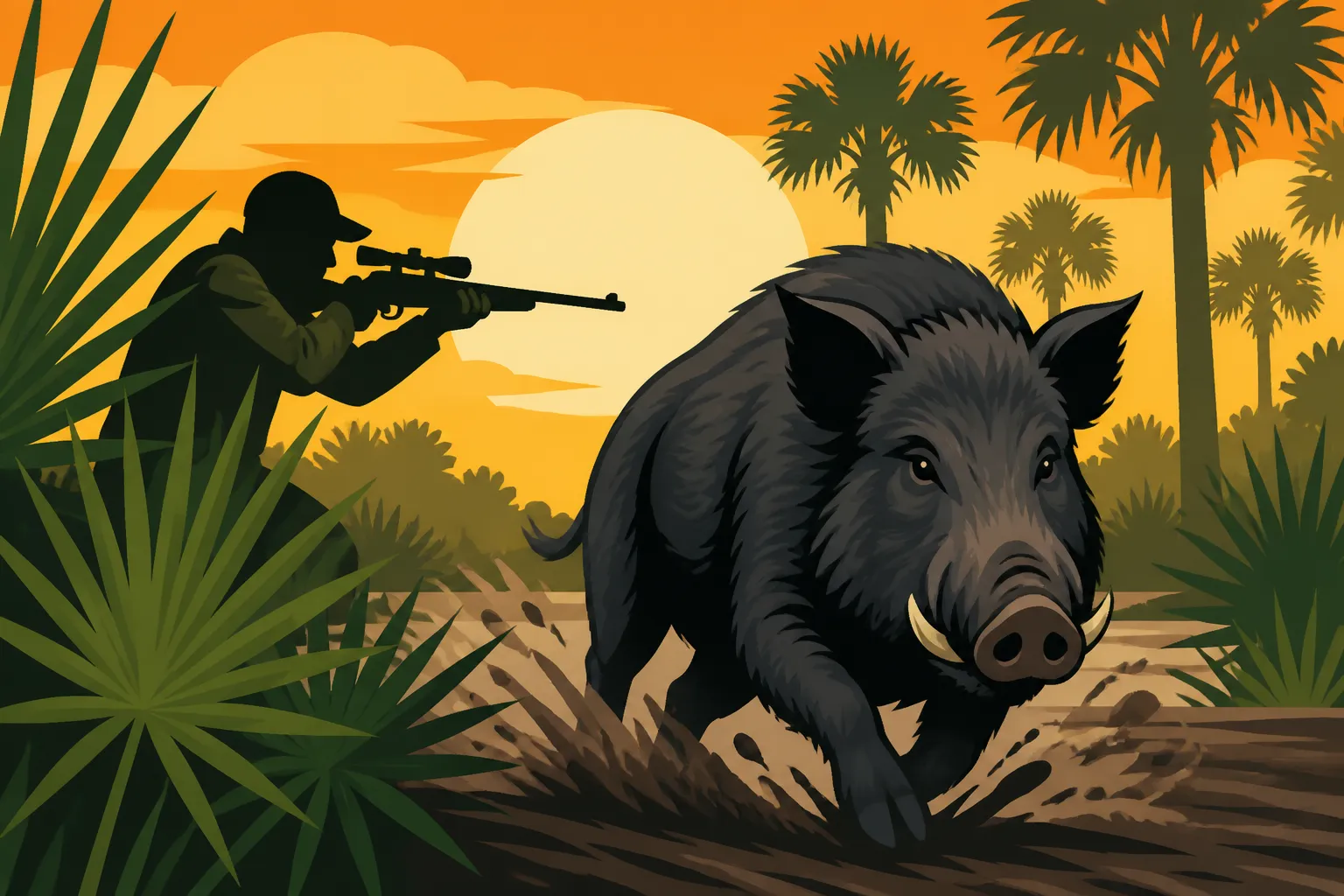
Beyond their pest status, wild hogs are notoriously tough, smart, and offer a challenging hunt that can test a hunter's skills. Whether you're tracking them through dense palmetto thickets or stalking them in open fields, the adrenaline rush of pursuing a wary hog is undeniable. Plus, wild hog meat is a delicious and lean protein, making the harvest even more rewarding. It's a true field-to-fork experience that many hunters cherish.
The opportunity to contribute to wildlife management by reducing invasive populations is also a strong draw for many. Every hog harvested is one less animal rooting up delicate ecosystems or destroying a farmer's livelihood. This ecological benefit, combined with the exciting chase and the excellent table fare, positions feral hogs as a premier target for many hunters in Florida.
Year-Round Opportunity
One of the most appealing aspects of Florida hog hunting is that there's virtually no closed season on private lands. This means you can plan a hog hunt almost any time of the year that suits your schedule, making it an incredibly flexible option for both residents and out-of-state visitors. While some public lands might have specific seasons or restrictions, the vast majority of guided hunts occur on private ranches where hunting is permitted year-round.
This year-round availability is a huge advantage, allowing hunters to escape colder climates in the winter or fill the gap between other hunting seasons. You're not beholden to a single narrow window, which greatly simplifies the planning process. Year-Round Hog Hunting in Florida is a fantastic read for those wanting to dive deeper into these rules. However, it's worth noting that the Florida weather can vary dramatically, from hot and humid summers to mild winters, so your hunting tactics and gear will need to adapt accordingly depending on when you decide to go.
The constant opportunity also means that outfitters are generally busy throughout the year, offering diverse hunt styles to match the prevailing conditions. For example, night hunts with thermal or night vision optics might be more popular in the warmer months when hogs are more active after dark, while cooler dry spells might favor daytime spot-and-stalk or dog hunts. This flexibility ensures there's always a productive way to pursue hogs in Florida, no matter the calendar date.
Understanding Florida's Unique Hog Landscape
Florida's landscape is incredibly diverse, from vast pine forests and cypress swamps to expansive cattle ranches and agricultural fields. This variety means that hog hunting techniques and conditions can differ significantly depending on where you choose to hunt. A hog hunt in the saw palmetto flats of central Florida will be a very different experience from one in the Panhandle's oak hammocks or the dense cover of South Florida.
Outfitters often specialize in certain types of terrain and the corresponding hunting methods. Some might focus on large ranches with a mix of open land and dense cover, perfect for spot-and-stalk or still-hunting. Others might operate primarily in swampy areas, utilizing airboats or buggies to access remote hog strongholds. Understanding the type of terrain you'll be hunting is crucial for setting expectations and preparing physically.
The sheer abundance of How Many Feral Hogs Florida Has also contributes to this diverse landscape. This isn't just about finding a hog; it's about understanding the nuances of how they use different habitats throughout the state. A good outfitter will have intimate knowledge of their specific hunting grounds, including where hogs feed, bed, and travel given the current conditions, which is invaluable for a successful hunt.
Deciding on Your Hog Hunt Style
Before you even start looking at specific outfitters, it's really helpful to decide what kind of hog hunting experience you're after. Florida offers a wide spectrum, from rugged DIY adventures to luxurious fully guided packages, and each comes with its own set of challenges and rewards. Thinking about your budget, experience level, and desired comfort will narrow down your options considerably.
Self-Guided Adventures: The DIY Route
For the independent and experienced hunter, a self-guided hog hunt on public land can be an incredibly rewarding and cost-effective option. Florida boasts millions of acres of public hunting land, including Wildlife Management Areas (WMAs), National Forests, and State Forests, where feral hogs roam freely. This route requires extensive scouting, a deep understanding of Florida's hunting regulations, and a willingness to embrace the wild on your own terms.
The biggest advantage of a DIY hunt is the freedom and the lower financial commitment. You set your own schedule, choose your own methods, and the satisfaction of finding and harvesting a hog purely through your own efforts is immense. However, it's not for the faint of heart. Public lands in Florida can be incredibly challenging, with dense cover, hot and humid conditions, and varying hog populations. Success often hinges on meticulous pre-season scouting, reading sign, and being prepared for rugged conditions. Don't forget to review Hunting Hogs on WMA Land in the Off-Season to understand specific regulations on public parcels.
You'll need to be proficient in navigation, tracking, and be prepared to drag a heavy hog out of tough terrain, often far from vehicle access. This also means understanding Florida's Year-Round Hog Hunting Rules that apply specifically to public lands, which might differ from private land. While the allure of a truly self-sufficient hunt is strong, it's important to be realistic about the effort and expertise required to be consistently successful on Florida's public hog grounds.
Guided Hog Hunts: Expertise on Your Side
For many hunters, especially those new to Florida or looking for a higher success rate and a more structured experience, booking a guided hog hunt is the way to go. A reputable outfitter provides invaluable local knowledge, access to prime private land with healthy hog populations, and all the necessary equipment and logistical support. This takes a lot of the guesswork and hard work out of the equation, allowing you to focus on the hunt itself.
Guided hunts come in various forms, from simple day hunts where a guide takes you to a stand or blind, to more elaborate multi-day packages that include lodging, meals, and multiple hunting opportunities. The guide's expertise in tracking, calling, and understanding hog behavior in their specific area dramatically increases your chances of success. They know where the hogs are, what they're doing, and the best tactics to employ. This is particularly beneficial when dealing with Florida's often thick cover and elusive game.
While generally more expensive than a DIY trip, the value a guide provides in terms of time saved, increased opportunity, and a higher probability of success often outweighs the cost. It's an investment in a quality hunting experience, especially if your time in Florida is limited. Many first-timers or those seeking a specific type of hunt, like night hunting with thermal optics, find guided options indispensable.
Private Land Versus Public Land Considerations
When planning your hog hunt, one of the fundamental decisions revolves around hunting on private land versus public land. Each offers a distinctly different experience and set of regulations. Understanding these differences will help you choose the best fit for your hunting goals and expectations.
Private land hunting, typically facilitated through an outfitter or by gaining permission from a landowner, generally offers higher success rates due to controlled access and intensive management. Hogs on private land often face less pressure, leading to more predictable patterns and larger populations. Furthermore, the rules are typically more lenient, allowing for year-round hunting, various weapons, and often baiting, which is a common and effective tactic for hogs. Baiting Hogs Legally in Florida is a common practice on many private land hunts, which can greatly improve your chances.
Conversely, public land hunting provides a raw, challenging experience that appeals to hunters seeking solitude and a true wilderness adventure. Success rates can be lower, and the effort required is significantly higher. Public lands are subject to more stringent regulations, including specific seasons, weapon restrictions, and often prohibit baiting. While public land offers the thrill of the chase in a truly wild setting, it demands a greater degree of self-reliance, physical fitness, and hunting skill. Most guided hunts will be on private land, which streamlines the legal aspects and focuses purely on the hunt.
| Feature | Private Land (Guided) | Public Land (Self-Guided) |
|---|---|---|
| Access | Restricted, often large ranches | Open to public, often crowded |
| Regulations | Generally liberal, year-round, various weapons | Stricter, specific seasons, weapon limits |
| Success Rate | Higher due to less pressure & scouting | Lower, high effort required |
| Cost | Higher (outfitter fees) | Lower (licenses, gear, travel) |
| Flexibility | High (booking dates, methods) | Limited (season dates, specific rules) |
| Guide/Support | Included | None, self-reliant |
| Baiting | Often permitted | Generally prohibited |
Types of Guided Florida Hog Hunts
Florida's hog hunting scene is incredibly diverse, offering a range of methods to suit every hunter's preference and skill level. When you book a guided hog hunt, you'll likely choose from a few popular and exciting options, each promising a unique experience in the field.
Day Hunts: A Quick Thrill
Day hunts are a popular choice for hunters looking for a quick, action-packed experience without the commitment of an overnight stay. These hunts typically involve heading out with your guide in the morning or afternoon, often utilizing stands, blinds, or spot-and-stalk techniques over baited areas or known travel corridors. Many outfitters offer these as a standalone experience, making them perfect for a weekend getaway or an add-on to another Florida vacation.
During a day hunt, your guide will typically take you to pre-scouted areas where hog activity is high. This might involve sitting in a comfortable box blind overlooking a food plot, still-hunting through a pine flat, or slowly stalking along the edge of a cypress swamp. The focus is on getting you an opportunity within a single hunting session. Success on a day hunt often comes down to the guide's intimate knowledge of the property and the current hog patterns. The Average Cost of a Day Hog Hunt varies, but it's generally the most budget-friendly guided option.
These hunts are fantastic for beginners, youth hunters, or those with limited time. They offer a taste of Florida's hog hunting excitement and can be incredibly productive, especially with an experienced guide leading the way. You get the thrill of the chase, the opportunity to harvest a wild hog, and often enjoy the beautiful Florida scenery, all wrapped up in a convenient package.
Night Hunts: Under the Stars with Lights
For those seeking an intense and often more successful hog hunting experience, night hunts are a thrilling option. Feral hogs are largely nocturnal, especially in Florida's warmer climate and areas with hunting pressure. Hunting them under the cover of darkness, often with specialized equipment like thermal scopes or night vision, provides a unique challenge and a high probability of encountering active hogs.
Outfitters offering night hunts typically equip hunters with modern thermal or night vision optics, which can be a game-changer for locating hogs in the dark. Night Hunting Hogs With Lights in Florida is a fantastic method that allows hunters to pick out the heat signatures of hogs against the cooler backdrop of the night. This often involves scanning open fields where hogs come out to feed, or using feeders that attract them after sunset. The stillness of the night amplifies every sound, adding to the intensity and excitement of the hunt.
Night hunts demand a different kind of focus and precision. The adrenaline rush of spotting a group of hogs through thermal imaging and making a calculated stalk in the dark is truly unforgettable. It's a highly specialized service that many guides provide, and it's particularly effective during the warmer months when hogs are most active at night. If you're looking for a high-tech, high-octane hog hunting experience, a guided night hunt is definitely worth considering.
Dog Hunts: Traditional and Exciting
Dog hunting for hogs is a deeply rooted tradition in many parts of the South, and Florida is no exception. This method involves using specially trained dogs to locate, bay, and sometimes catch feral hogs. It's an incredibly dynamic, fast-paced, and physically demanding style of hunting that offers a completely different kind of thrill.
A typical dog hunt starts with "bay dogs" or "strike dogs" being released to pick up a hog's scent and track it. Once they locate a hog, they'll corner it and "bay" it, barking aggressively to hold it in place without physically attacking it. The hunters, often following with "catch dogs" that are trained to subdue the hog, then move in, often on foot through thick brush, to dispatch the hog with a knife or spear, or sometimes a firearm. Dog Hunting Hogs in Florida requires strong dogs and experienced handlers, and it's a true team effort.
This type of hunt is not for everyone; it's loud, physical, and can be quite primal. However, for those who embrace the tradition and the intensity, it's an immensely satisfying experience that connects you to a rich cultural heritage. Outfitters that specialize in dog hunts will have well-trained dog teams and experienced handlers to ensure a safe and successful pursuit. It's an excellent way to cover a lot of ground and locate hogs in even the densest cover.
Bowhunting and Crossbow Specific Hunts
Many hunters prefer the challenge and intimacy of bowhunting, and Florida hog hunts offer fantastic opportunities for archers and crossbow enthusiasts alike. Guided hunts specifically tailored for bowhunters are readily available, often utilizing ground blinds, elevated stands, or strategic stalking close to feed sites or water sources.
For bowhunters, shot placement is paramount, and these hunts are designed to get you within ethical archery range. This might mean sitting over a baited area, still-hunting along dense cover, or even making a slow, deliberate stalk on a feeding group of hogs. The guide's knowledge of hog movements and their ability to put you in a prime position for a close shot are critical for success with archery equipment. Crossbow Hunting During Florida's Archery Season can also be a viable option, depending on the specific outfitter and property rules, offering a slightly different challenge.
The quiet nature of archery hunting allows for a more immersive experience, often bringing you incredibly close to the animals. It's a test of patience, stealth, and shooting skill. Whether you prefer a traditional recurve, a modern compound, or a crossbow, many Florida outfitters are well-equipped to provide a memorable and successful bowhunting adventure, ensuring you have the best possible chance at a clean, ethical harvest.
What to Look for in a Florida Hog Outfitter
Choosing the right outfitter can make or break your Florida hog hunt. With so many options available, it's crucial to do your homework and ensure you're booking with a reputable and experienced operation. Don't just pick the first one you find; invest some time into vetting your potential guide.
Vetting Credentials and Reputation
The first step in choosing an outfitter is to thoroughly vet their credentials and reputation. Start by checking for online reviews and testimonials on independent platforms, not just their own website. Sites like BookYourHunt or GoHunt often aggregate reviews and ratings from past clients, providing valuable insights into an outfitter's reliability, guide professionalism, and overall hunt quality. Pay attention to both positive and negative feedback, and look for patterns. Do multiple people mention the same issues, or are complaints isolated incidents?
Beyond online reviews, don't hesitate to ask the outfitter for references—and actually follow up with them. Speak to hunters who have recently used their services. Ask them about their experience: what was the guide like? Was the property as advertised? Were the accommodations clean and comfortable? What was the success rate, and more importantly, did they feel the outfitter genuinely tried to make their hunt successful? A reputable outfitter will be happy to provide contact information for past clients.
Finally, ensure the outfitter is properly licensed and insured. While Florida's general hunting regulations for hogs are quite open, outfitters operating on private land still have responsibilities regarding safety and legal compliance. Confirming their operational legitimacy protects both you and them. A professional operation will have no problem providing this information.
Understanding Package Inclusions and Exclusions
Before you book anything, get a crystal-clear understanding of what's included and, perhaps more importantly, what's not included in your hog hunting package. This is where hidden costs can sneak up on you and turn an exciting trip into a frustrating one. Don't assume anything; ask for a detailed breakdown in writing if possible.
Typical inclusions might cover guide services, access to private land, basic field dressing, and sometimes even a meal or two. However, things like your Florida hunting license (which you'll definitely need, even if hogs don't require specific tags), weapon rental, ammunition, meat processing, taxidermy services, and gratuities for your guide are often not included. Ensure you ask about the What's Included in a Hog Hunting Package before committing. Some packages might seem cheaper upfront, but once you add in all the extras, they could end up costing more than a seemingly pricier all-inclusive option.
Discuss transportation during the hunt (e.g., ATVs, trucks, airboats), any specific equipment provided (like thermal optics for night hunts), and whether there are any limits on the number of hogs you can harvest or specific size restrictions. Knowing all these details upfront will help you budget accurately and avoid any unpleasant surprises once you arrive for your hunt.
Location, Terrain, and Hog Activity
The specific location and type of terrain an outfitter operates on will significantly impact your hunting experience and success. Florida's geography is incredibly diverse, from vast, open ranch lands to dense, swampy forests, and each presents different hunting challenges and opportunities. A good outfitter will be able to clearly describe their hunting grounds and explain why it's ideal for hog hunting.
Ask about the typical terrain you'll be hunting in. Is it thick palmetto scrub, open oak hammocks, dense pine forests, or agricultural fields? Understanding the environment helps you prepare your gear and clothing appropriately. For example, a hunt in a cypress swamp might require waterproof boots and more rugged attire than a hunt in an open field. The outfitter should also be knowledgeable about the current hog activity on their property, including recent sightings, feeding patterns, and where they're bedding.
Furthermore, inquire about the outfitter's strategies for managing their hog population and attracting hogs to their hunting areas. This might involve year-round supplemental feeding, planting food plots, or implementing specific management practices. An outfitter who actively manages their land for hogs is more likely to provide consistent hunting opportunities. Their ability to articulate how they ensure hog encounters on their property is a strong indicator of their professionalism and dedication.
Planning Your Trip and What to Expect
Once you've chosen an outfitter and booked your hog hunt, it's time to shift your focus to the practicalities of preparing for your adventure. Florida presents unique environmental conditions, and being well-prepared is key to a comfortable and successful trip.
Essential Gear for Your Florida Hog Hunt
Packing the right gear for a Florida hog hunt is paramount, as the conditions can be quite specific. Forget your heavy northern hunting clothes; Florida calls for lighter, breathable, moisture-wicking attire, even in cooler months. Camouflage is certainly helpful, but durable, quiet fabrics are perhaps more important, especially when navigating thick brush. Consider long sleeves and pants even in warm weather to protect against insects, thorns, and sun exposure.
Footwear is another critical consideration. Depending on the terrain (which you've hopefully discussed with your outfitter!), you might need snake boots for protection against venomous snakes or waterproof boots for traversing marshy or wet areas. Comfortable, broken-in boots are non-negotiable for any amount of walking or stalking. Beyond clothing, essentials include a good quality backpack, plenty of water, insect repellent (a Florida must-have!), a reliable knife, a headlamp or flashlight, and a first-aid kit. Your outfitter will often recommend specific weapon types or calibers that are effective and legal for hog hunting, so be sure to confirm.
If you're bringing your own firearm, make sure it's sighted in and you're comfortable with it. If you're bowhunting, bring extra broadheads and practice your shots. Always double-check with your outfitter if they provide any gear, like thermal optics for night hunts, or if you need to bring your own. Having the right gear not only enhances your comfort but also significantly contributes to your overall success and safety in the field.
Navigating Permits, Licenses, and Regulations
Understanding Florida's hunting regulations, especially concerning feral hogs, is crucial before your trip. The good news is that for feral hogs on private land, the rules are often very straightforward: they are considered an unprotected species, so there's generally no closed season, no bag limit, and no size restrictions. This means you can often harvest as many hogs as you encounter during your hunt, which is why packages like Booking a No-Bag-Limit Hog Weekend are popular.
However, you will still need a Florida hunting license to participate in any hunting activity. For Florida residents, various options exist, including annual or five-year licenses. Non-residents can purchase annual licenses or short-term options, like a 10-day non-resident license, which can be convenient for a focused hog hunt trip. You may also need a FWC Management Area Permit if you plan to do any hunting on public lands, but for most private land guided hunts, a basic hunting license is sufficient.
It's highly recommended to purchase your license well in advance of your trip through the Florida Fish and Wildlife Conservation Commission (FWC) website or a licensed vendor. Always carry proof of your license while hunting. Your chosen outfitter should be able to clarify any specific local regulations or permit requirements for their property, but the responsibility ultimately falls on you, the hunter, to be compliant. Don't leave this to the last minute!
Preparing for Florida's Climate and Conditions
Florida's climate is notoriously unique, and being prepared for its conditions is vital for a comfortable and successful hog hunt. Whether you're hunting in the scorching summer or the surprisingly chilly winter, each season presents its own set of challenges that can impact both you and the hogs you're pursuing.
During the summer months (May-September), expect high heat and humidity, with daily afternoon thunderstorms being common. Hogs will be most active at dawn, dusk, and throughout the night, often bedding down in thick, cool cover during the day. You'll need lightweight, breathable clothing, a wide-brimmed hat, and an abundance of water to stay hydrated. Bug repellent is an absolute necessity, as mosquitoes and other biting insects can be relentless. Preparing for this heat also means thinking about Hot-Weather Sitting Strategy in Florida, as prolonged exposure can be draining.
In contrast, Florida winters (December-February) can bring surprisingly cool, sometimes even cold, temperatures, particularly in the northern parts of the state. While often pleasant for hunting, sudden cold fronts can drop temperatures significantly. During these times, hogs might be more active during the day. Layered clothing is key, allowing you to adapt to changing temperatures throughout the day. Regardless of the season, understanding the typical weather patterns for your hunt dates and packing accordingly will make a huge difference in your enjoyment and stamina in the field.
Budgeting for Your Florida Hog Hunt
Planning a hunting trip always involves some financial considerations, and booking a Florida hog hunt is no different. While often more affordable than other big game hunts, it's essential to understand all the potential costs to ensure you have a realistic budget and avoid any unwelcome surprises.
Breaking Down the Costs: Licenses, Tags, and Fees
Even though feral hogs are an unprotected species in Florida, there are still some fundamental costs associated with legal hunting. The primary cost will be your Florida hunting license. For residents, this is typically an annual fee, while non-residents can often choose between an annual license or a short-term, 10-day option that aligns well with a hunting trip. These licenses are your base permission to hunt any legal game in the state, including hogs. While Florida Resident Base License Cost is fairly reasonable, non-resident fees are higher.
Crucially, for private land hog hunting, you will generally not need specific tags or permits for the hogs themselves, due to their unprotected status. This is a significant cost-saver compared to deer or turkey hunting, which require species-specific tags. However, if you plan to hunt on certain public Wildlife Management Areas (WMAs), you might also need a WMA permit, which is an additional fee. It's important to clarify all required licenses and permits with your outfitter or by checking the FWC website.
Beyond the basic license, consider any additional fees for specific activities or equipment. For instance, if you're taking advantage of special hunt types like night hunting with thermal gear, there might be a rental fee for the optics if you don't own them. Always ask for a comprehensive list of all required and optional fees so you can budget accurately for every aspect of the legal requirements.
Outfitter Rates: What Influences the Price
The bulk of your budget for a guided Florida hog hunt will likely go towards the outfitter's rates. These rates can vary widely depending on several factors, including the type of hunt, its duration, the amenities offered, and the reputation of the outfitter. Understanding these influences can help you choose a package that fits your budget and expectations.
Factors influencing outfitter rates:
- Hunt Duration: Day hunts are generally the most affordable, with prices increasing for multi-day packages that might include lodging and meals. Average Cost of a Day Hog Hunt will be significantly lower than a weekend package.
- Hunt Method: Specialized hunts, such as night hunting with thermal optics or dog hunting, might carry a premium due to the specialized equipment and trained animals involved.
- Inclusions: "All-inclusive" packages that cover lodging, meals, field dressing, and potentially even weapon rentals will naturally be more expensive than "hunt-only" options. Always compare what's actually included when looking at prices.
- Guide-to-Hunter Ratio: A hunt with a dedicated one-on-one guide might cost more than a semi-guided trip where one guide works with a small group of hunters.
- Outfitter Reputation and Success Rate: Highly reputable outfitters with a proven track record of high success rates and excellent client experiences may command higher prices.
- Location and Private Land Access: Outfitters with access to prime private land known for large hog populations may charge more for the privilege of hunting their exclusive properties.
Hidden Costs and How to Avoid Surprises
Even after accounting for licenses and outfitter rates, there are often "hidden" or easily overlooked costs that can add up quickly. Being aware of these upfront will help you avoid budget surprises and ensure a smoother trip.
Common hidden costs include:
- Transportation: Travel to and from Florida, as well as transportation to the outfitter's ranch or hunting grounds. Don't forget gas costs if you're driving.
- Accommodation: If your package doesn't include lodging, you'll need to budget for hotels or other overnight stays.
- Meals: Again, if not included, plan for restaurant meals or groceries.
- Gratuities for Guides: Tipping your guide is customary and expected in the hunting industry. While the amount can vary, a general rule of thumb is 15-20% of the hunt cost for a good experience. Think about the Standard Tip for a Hog Guide and factor it in.
- Meat Processing & Cooler Space: Once you harvest a hog, you'll need to process the meat. This might be a service offered by the outfitter for an additional fee, or you might need to find a local processor. Either way, plan for these costs and ensure you have enough cooler space and ice to transport your meat home, especially in Florida's warm climate. Whether Meat Processing Is Included in a Hog Package is a key question to ask.
- Taxidermy: If you plan to keep a trophy, you'll have additional costs for caping, skull cleaning, and potentially a taxidermist.
- Ammunition/Arrows: Even if a weapon is provided, you might be responsible for the cost of ammunition or broadheads used.
- Personal Gear: Costs for new boots, clothing, or other personal hunting gear you might need to purchase.
Always ask your outfitter for a detailed breakdown of all potential costs, and don't be afraid to ask about anything that isn't clear. A transparent outfitter will appreciate your thoroughness.
Post-Hunt Considerations
The hunt doesn't truly end when the shot is fired. After a successful Florida hog hunt, there are important steps to ensure you properly handle your harvest and make the most of your experience. From field to freezer, planning for these post-hunt details is just as crucial as the hunt itself.
Meat Processing and Cooler Space
Once you've harvested a hog, especially in Florida's warm climate, immediate and proper meat care is paramount to ensure quality table fare. Most outfitters will offer basic field dressing services, which typically involve gutting the animal. However, the next steps – skinning, butchering, and packaging – are where you need to have a plan.
Many outfitters have arrangements with local meat processors, or they might offer full processing services themselves for an additional fee. It's essential to discuss these options and costs beforehand. If you plan to process the hog yourself, you'll need the proper tools, knowledge, and, most importantly, ample cooler space filled with ice. Hogs are large animals, and their meat can spoil quickly in warm temperatures. Having several large coolers ready for transport is non-negotiable. Processing Meat Near a Florida Hunting Camp is often a convenient option, but make sure to inquire about availability and pricing well in advance.
Remember to consider how you will transport the meat home, especially if you're traveling a long distance. Vacuum-sealed and frozen packages are ideal for maximizing freshness. A well-planned post-hunt strategy ensures that your delicious wild hog meat makes it from the field to your family's table safely and in prime condition, honoring the animal and the hunting experience.
Trophy Care and Taxidermy
If you've harvested a particularly impressive boar, you might consider preserving its tusks or even a full shoulder mount as a lasting memory of your Florida hog hunt. Proper trophy care begins immediately after the animal is down. For a shoulder mount, this involves careful caping, ensuring enough hide is left for the taxidermist. For a skull or tusks, a basic cleaning and boiling might be all that's needed.
Discuss your trophy aspirations with your guide before the hunt. They can provide essential field care, such as caping the animal correctly for your desired mount. Many outfitters have relationships with local taxidermists and can arrange for your trophy to be taken there directly, saving you the hassle of transporting it. Always get contact information for the taxidermist and any necessary paperwork. Researching Finding a Taxidermist Near Your Hunt ahead of time can help you make an informed decision about who will handle your trophy.
Costs for taxidermy can vary significantly based on the type of mount and the taxidermist's reputation. Make sure to understand these potential costs and factor them into your overall budget. A well-preserved trophy is a fantastic memento, but it requires careful planning and execution both in the field and after the hunt.
Ethical Hunting and Conservation
Beyond the pursuit and harvest, a truly successful hog hunt is rooted in ethical practices and an understanding of conservation. Feral hogs are an invasive species, and hunting them actively contributes to ecological balance in Florida. However, this doesn't mean ethical considerations go out the window. Responsible hunters always strive for clean, humane kills and adhere to all legal requirements.
Part of ethical hunting also involves respecting the land and wildlife, even invasive species. This means taking responsible shots, properly field dressing and utilizing as much of the animal as possible, and minimizing waste. Ensure you are familiar with Hunting Hogs Without a Bag Limit and understand that while there's no limit, responsible harvest still applies. Many hunters choose to donate excess meat to local food banks or share it with friends and family, ensuring the resource is not squandered.
By choosing a reputable outfitter, following their guidance, and adhering to sound hunting principles, you become a part of the solution to Florida's feral hog problem. Your hunt is not just about personal achievement but also about playing a positive role in managing wildlife populations and conserving the natural beauty of Florida for future generations. It's a privilege to hunt, and with that privilege comes the responsibility to act as good stewards of the land and its resources.
Disclaimer
This article is for general informational purposes only and does not constitute professional advice. Laws, prices and regulations vary by location and change over time. Consult a qualified professional for guidance on your specific situation.