Standard Tip for a Hog Guide
One of the most common questions I hear from folks new to guided hunts, especially when it comes to something as unique and exciting as chasing hogs in the Florida wilderness, is, "How much should I tip my guide?" It's a completely fair question. Unlike ordering food at a restaurant where the expectation is pretty clear, the world of outdoor guiding can feel a little murkier. You want to show appreciation for hard work and a great experience, but you don't want to overdo it or, worse, undershoot what's customary. This guide is here to clear up that confusion, giving you a solid understanding of how to appropriately thank your Florida hog guide for their efforts.
Understanding the "Why" Behind Tipping Your Hog Guide
Let's be honest, hunting guides, especially those working the dense palmetto and cypress swamps of Florida for feral hogs, pour their heart and soul into their work. It's not just a job; it's a passion, and often, it's a lifestyle that demands incredible dedication. When you're considering what to tip, it helps to understand all the unseen effort that goes into your hunt.
The Guide's Investment and Hard Work
Think about everything your guide does long before you ever set foot in the field. They're out scouting, often in brutal Florida heat and humidity, looking for fresh hog sign – rooted-up areas, wallows, tracks, and travel corridors. This isn't a one-and-done affair; it's continuous effort to ensure they know where the hogs are moving and what they're feeding on. They're maintaining equipment, from trucks and ATVs to stands, blinds, and even specialized thermal gear for Night Hunting Hogs With Lights in Florida. There's also the investment in specialized knowledge – understanding hog behavior, local terrain, and the best tactics for success, whether that's Dog Hunting Hogs in Florida or still-hunting through a dense oak hammock. All of this requires significant time, money, and expertise.
They’re essentially acting as your personal outdoors consultant, ensuring you have the best possible chance at a successful and enjoyable experience. They're often up before dawn, staying out late, and handling all the logistical headaches so you can focus on the thrill of the hunt. This behind-the-scenes work is invaluable, and a tip acknowledges this extensive preparation and ongoing effort, not just the moment you pull the trigger.
Industry Standards and Expectations
Just like in many service industries, tipping in the outdoor guiding world is a well-established custom. It’s a significant part of a guide's income, often supplementing their base fee. While your outfitter might charge a set rate for a Booking a Day Hog Hunt or a Booking a Multi-Day Hog Hunting Package, a portion of that fee goes to cover overhead, land leases, licenses, and general operating costs. The tip is direct compensation to the guide for their personal service, hard work, and the quality of the experience they provide.
Ignoring this tradition can inadvertently send the wrong message, suggesting dissatisfaction even if you had a good time. Most guides are humble and won't explicitly ask for a tip, but they certainly appreciate it when earned. It signals that you recognize their professionalism and effort. Websites like BookYourHunt, which connect hunters with guides, often have sections explaining tipping expectations, further reinforcing this industry standard.
The Impact of a Good Guide
A truly great hog guide in Florida does more than just put you in front of hogs. They enhance your entire experience. They teach you about the local ecosystem, share stories, demonstrate proper shot placement, and even help with tracking and recovery in challenging terrain. Imagine being in a thick palmetto head after a shot, trying to blood trail a hog in sandy soil. A good guide's experience in Tracking a Deer in Sandy Florida Soil (which applies well to hogs too!) or Blood Trailing After Dark in Florida can be the difference between recovering your animal and losing it.
They manage expectations, keep spirits high even when the hunting is slow, and ensure your safety throughout the trip. Their attitude and expertise can turn a tough hunt into a memorable adventure, and a successful hunt into an unforgettable trophy. Your tip is a tangible way to say, "Thank you for making this experience so much more than just a hunt."
How Much to Tip a Florida Hog Guide
Alright, let's get down to brass tacks. You know why to tip, but how much is the big question. While there's no official rulebook, there are widely accepted guidelines that will ensure your appreciation is properly conveyed.
The Standard Percentage Guideline
For most guided hog hunts in Florida, a tip of 15% to 20% of the total hunt cost is considered the standard for a good, hard-working guide, assuming a reasonable effort was made and the experience was positive. If your guide truly went above and beyond, making the hunt exceptional despite tough conditions, or if you had an outstanding day, don't hesitate to lean towards the higher end of that range, or even a little more. Conversely, if the guide's effort was minimal, or the experience fell short due to factors within their control (e.g., lack of preparation, poor attitude), it's acceptable to adjust downwards, though a tip is still generally given for time spent.
It’s important to clarify if the hunt cost is per hunter or per group if you're on a multi-person trip. Always base the percentage on your individual share of the hunt's stated fee.
Let's look at a simple example:
| Hunt Cost (Per Hunter) | 15% Tip (Good Effort) | 20% Tip (Exceptional Effort) |
|---|---|---|
| "Basic Day Hunt" | $XX | $YY |
| "Night Hunt Package" | $AA | $BB |
| "Two-Day Combo" | $CC | $DD |
Remember: The exact figures above are placeholders. Always check current pricing for hunts and calculate your tip based on that actual cost.
Factors Influencing Your Tip Amount
While the 15-20% rule is a great starting point, several factors might cause you to adjust your tip up or down.
- Effort and Attitude: This is paramount. Did your guide work tirelessly, maintaining a positive attitude even when the hogs were being uncooperative? Were they knowledgeable, patient, and good company? A guide who works hard and makes the experience enjoyable, regardless of success, deserves a good tip.
- Success of the Hunt: While not the only factor, harvesting a hog (or multiple hogs, since Hunting Hogs Without a Bag Limit is common in Florida) often correlates with an increased tip. However, even if you don't fill your tag, an outstanding effort from the guide should still be rewarded.
- Extra Services: Did your guide help extensively with field dressing, quartering, or even hauling your hog out of a difficult spot? Did they go out of their way to take great photos, or offer advice for Cooking a Wild Florida Hog? These added efforts are definite reasons to increase your tip.
- Duration of the Hunt: For longer, multi-day hunts, the cumulative effort is much higher. While the percentage guideline remains, the total dollar amount will naturally be larger, reflecting the sustained effort.
- Overall Experience: This encompasses everything from the quality of the gear provided to the guide's communication and the overall flow of the day. A seamless, well-organized hunt with good camaraderie should inspire a generous tip.
- Outfitter vs. Independent Guide: Sometimes you book directly with an independent guide. Other times, you book through a larger outfitter or platform. The tipping expectation remains largely the same for the guide who is personally with you, but it's good to know the distinction. Always tip the individual guide who provided the service.
Cash vs. Other Methods and Timing
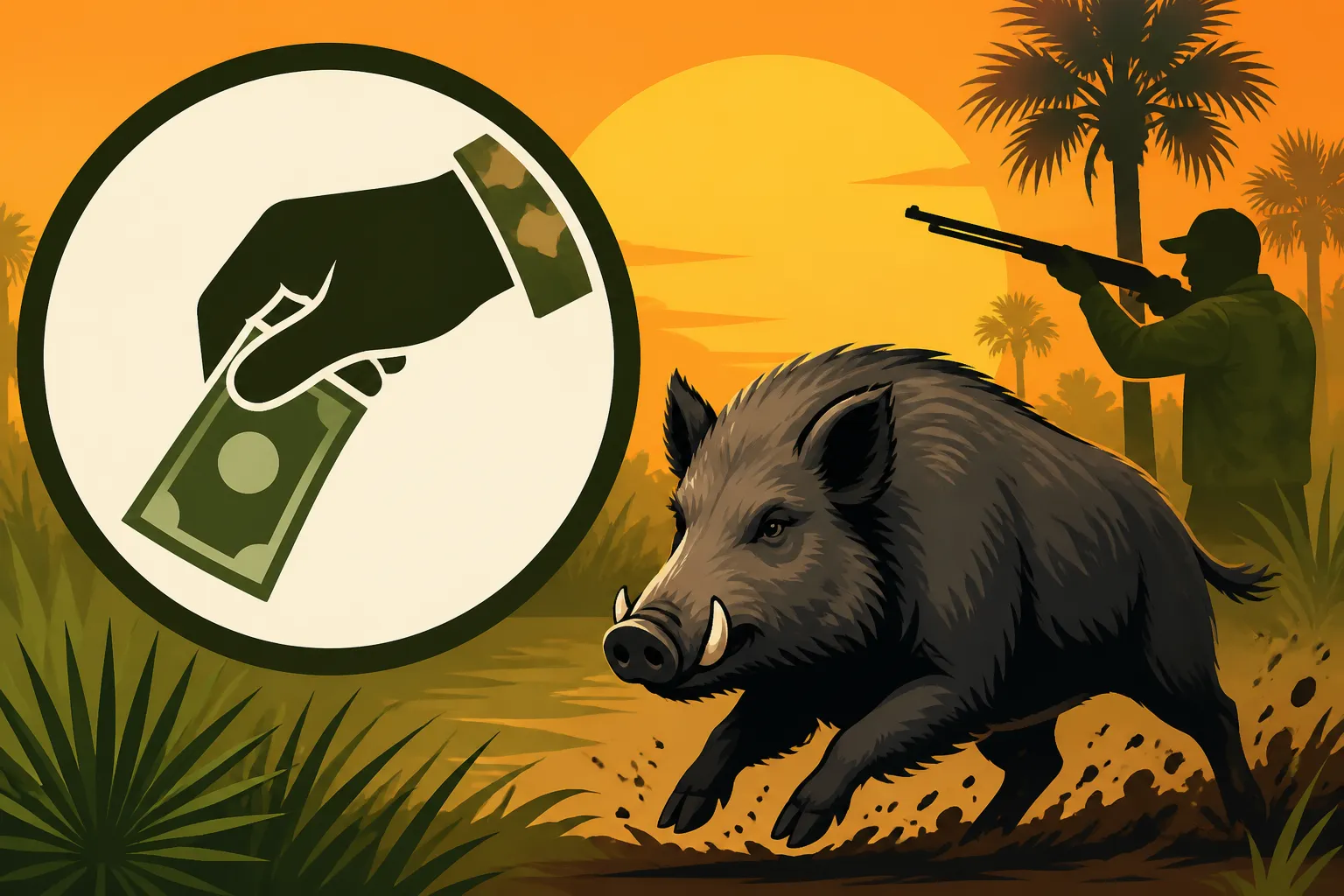
Cash is king. This cannot be stressed enough. Guides often prefer cash because it's immediate, discreet, and they don't have to worry about delays or processing fees. Have your tip ready in cash, in an envelope if possible, at the end of the hunt, before you depart.
If cash isn't feasible, ask the outfitter or guide directly if they accept other forms of payment for tips, such as Venmo, PayPal, or even a credit card through the outfitter. However, always default to cash.
The best time to present the tip is at the conclusion of your hunt, typically after the animal is recovered and the initial celebrations or commiserations are done, but before you pack up your gear and say your goodbyes. A simple handshake with the envelope or folded cash discreetly offered is usually sufficient. A heartfelt "Thank you for an incredible hunt, I really appreciate your hard work" goes a long way with it.
Navigating Different Hog Hunt Scenarios and Tips
Florida hog hunting can take many forms, from quick day trips to immersive multi-day experiences. Understanding how tipping norms apply to these different scenarios will help you be prepared. When researching these options, resources like GoHunt can provide insights into various outfitters and their offerings, which can help you gauge what kind of hunt experience to expect.
Day Hunts vs. Multi-Day Packages
A single-day hog hunt, whether it's a morning stalk or an evening thermal excursion, is often a more concentrated experience. The guide's effort is intense for that specific window, focusing on putting you on hogs in a shorter timeframe. The 15-20% guideline applies directly to the cost of that day hunt.
For multi-day Booking a Multi-Day Hog Hunting Package trips, the overall financial commitment is greater, and so too will be the total tip amount. While the percentage might remain consistent (15-20% of the total package price), the dollar amount will naturally be higher. Remember that the guide is dedicating multiple days to you, often staying at camp, preparing meals, and working just as hard each day. A guide who excels at keeping the camp running smoothly and maintaining a great atmosphere over several days is providing exceptional value.
If you have multiple guides over a multi-day hunt, you'll want to tip each guide individually based on their direct contribution to your hunt. Clarify with the outfitter beforehand if one primary guide will be with you the whole time, or if responsibilities rotate.
Success-Based Tipping vs. Effort-Based
This is a common dilemma in hunting. What if you don't bag a hog? Does the guide still get tipped? The resounding answer from the hunting community is yes, absolutely! A guide’s tip should primarily be a reflection of their effort, professionalism, and the quality of the experience provided, not solely on whether an animal was harvested.
Hogs are wild animals, and there are countless variables outside of a guide's control – weather, sudden changes in hog patterns, or even just plain bad luck. If your guide worked hard, showed you plenty of sign, educated you, and did everything within their power to make the hunt successful and enjoyable, they earned their tip. Reduce the percentage only if you truly feel their effort or attitude was lacking. An unsuccessful hunt due to factors beyond the guide's control is not a reason to withhold a tip entirely, but rather to still acknowledge the effort with a fair percentage.
Group Hunts and Splitting the Tip
When you're hunting with a buddy or a larger group, the question of how to split the tip often comes up. The simplest and most fair approach is for each hunter to contribute their individual 15-20% based on their share of the hunt cost. For example, if two of you split a $1000 hunt package equally, and you each owe $500, then each person would calculate their 15-20% ($75-$100) on their $500 share.
Sometimes, one person in the group might organize everything and collect funds. In that case, it's their responsibility to collect the tip money from everyone and present it to the guide. Make sure this is discussed upfront so there's no awkward scrambling at the end of the hunt. It's always a good idea to have a clear plan for who will handle the tip presentation.
Tipping Beyond the Cash
While monetary tips are the most common and appreciated, there are other ways to show your gratitude that can be very meaningful to a guide and their business.
- Positive Reviews and Referrals: A glowing online review on the outfitter's website, Facebook page, or platforms like BookYourHunt or GoHunt is incredibly valuable. Referrals to friends and family are also a guide's bread and butter. Your positive word-of-mouth endorsement can lead to future bookings for them, which is a fantastic long-term thank you.
- Pictures and Stories: Share your best photos from the hunt with your guide, especially if they didn't get a chance to take many. Offer to write a testimonial or share your story for their website.
- Small Gifts: Sometimes, a small, thoughtful gift can be a nice addition to a cash tip, especially if you know your guide well or learned about their particular interests. This could be anything from a good quality headlamp, a nice knife, or a gift certificate to a local outdoor store. However, these are always in addition to the cash tip, not a replacement.
- Respect and Communication: Throughout the hunt, being a respectful, communicative, and cooperative client is a form of "tip" in itself. Guides appreciate clients who are attentive, follow instructions, and are genuinely engaged in the experience.
Ultimately, your tip is a personal expression of gratitude. By understanding the effort involved, adhering to industry standards, and considering the specific circumstances of your Florida hog hunt, you can ensure your guide feels appropriately appreciated for their hard work.
Disclaimer
This article is for general informational purposes only and does not constitute professional advice. Laws, prices and regulations vary by location and change over time. Consult a qualified professional for guidance on your specific situation.