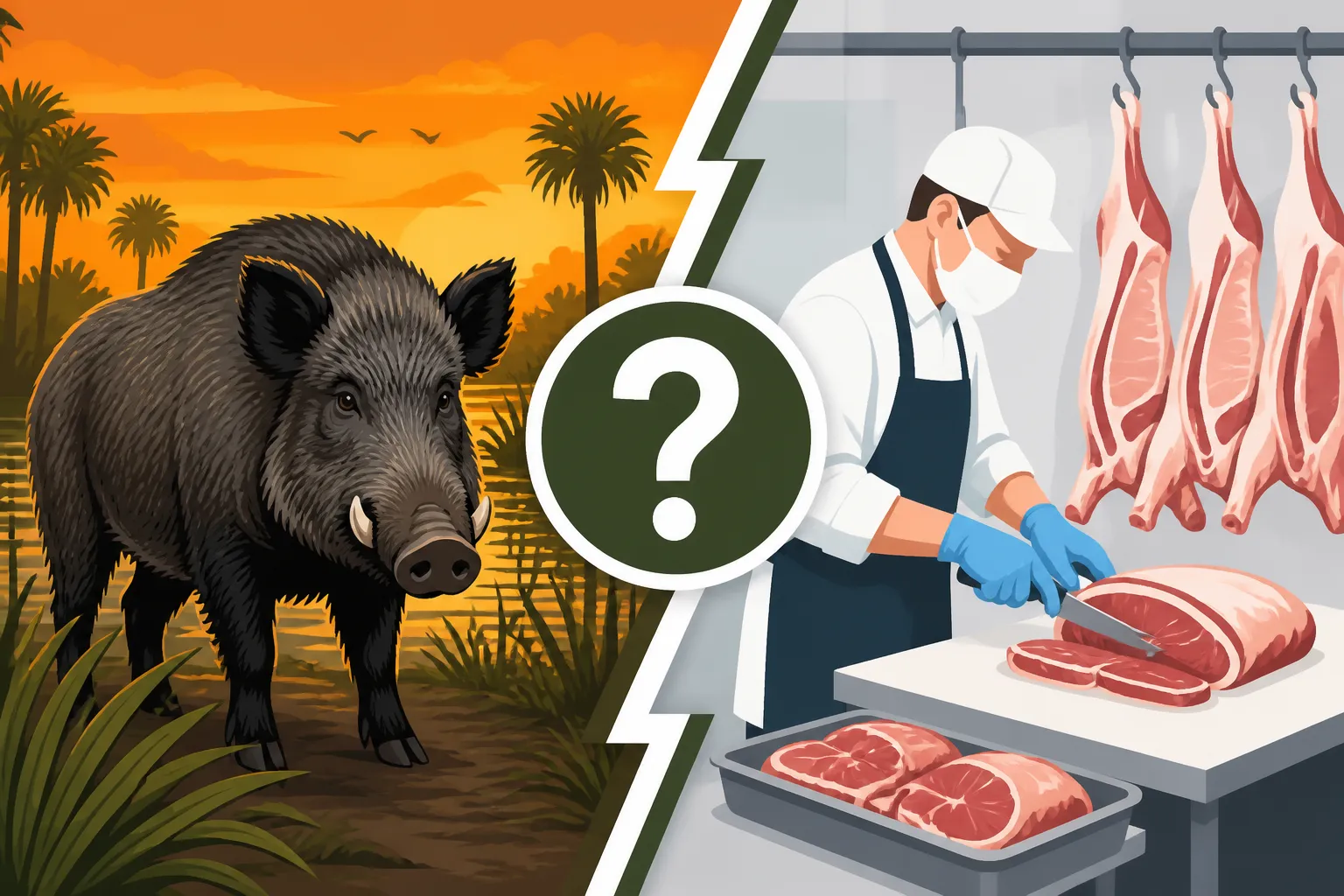
Whether Meat Processing Is Included in a Hog Package
Heading out for a Florida hog hunt sounds like an absolute blast, doesn't it? You're probably already envisioning the unique challenge of stalking a wild hog through the palmetto or cypress, feeling that adrenaline rush as you line up the perfect shot. But once the excitement of the hunt is over, a very practical question often pops up: what exactly happens with the meat? Many hunters, especially those new to guided trips or the Sunshine State's unique hunting scene, naturally wonder if meat processing is something an outfitter handles, or if it's an extra expense and responsibility you need to plan for. This guide will dive deep into the common practices surrounding meat processing in Florida hog hunting packages, so you'll know exactly what to expect and how to prepare long before you hit the field.
Is Meat Processing Typically Included in Florida Hog Hunting Packages?
Let's cut right to the chase: in the vast majority of Florida hog hunting packages, full meat processing is not included in the base price. This can be a point of confusion and sometimes even frustration for hunters who might assume it's part of an "all-inclusive" experience. It’s a common misconception, especially if you're used to deer hunts in other states where sometimes basic processing is rolled in.
Think about it from an outfitter's perspective. Meat processing is a specialized, time-consuming task that requires dedicated equipment, space, and often specific licenses if they're handling a large volume for multiple clients. Plus, every hunter has different preferences for how their meat is cut, wrapped, and prepared – some want roasts, others want ground meat, some want sausage. Trying to cater to every individual preference in a standard package would make pricing wildly inconsistent and operational logistics a nightmare for the outfitter.
What you can generally expect to be included, almost universally, is field dressing. This means the outfitter or guide will gut the hog in the field shortly after the harvest. This crucial step cools the carcass down quickly, which is absolutely vital in Florida's often hot and humid climate to prevent spoilage. Without prompt field dressing, that delicious wild hog meat could be compromised before it even leaves the woods. So, while they'll get the entrails out, don't expect them to start breaking it down into chops and roasts right there on the tailgate.
What's Generally Included (and Not Included) in a Standard Hog Hunt Package?
Understanding what you're paying for in a hog hunting package can save you a lot of headaches, and often, some money too. Most Florida hog hunting packages, whether you're looking at a day hunt or a multi-day adventure, tend to follow a pretty consistent pattern of inclusions and exclusions. When you're browsing platforms like BookYourHunt or GoHunt, you'll see a range of options, from basic guide services to more comprehensive setups.
Typically, a standard hog hunting package in Florida will include:
- Guide Services: This is paramount. You're paying for the outfitter's knowledge of the land, the hogs' habits, and their expertise in tracking and putting you on an animal.
- Land Access: The outfitter has secured access to private land where wild hogs are prevalent, or they guide on specific public lands where they have permits and knowledge.
- Weapon Use (sometimes): If you're traveling light or prefer to use the outfitter's equipment, some packages might include the use of a rifle, crossbow, or even a spear. Always confirm this.
- Basic Field Dressing: As mentioned, this is almost always included and involves gutting the animal to start the cooling process. This is critical for meat preservation, especially with Florida's Year-Round Hog Hunting Rules meaning you might be hunting in very warm weather.
- Transportation of Carcass: Getting the hog from the kill site back to a central skinning or cooling area is generally part of the service.
What's typically not included, or comes at an additional cost:
- Full Meat Processing: This is the big one. Breaking down the hog into individual cuts, wrapping, and freezing it is almost universally an extra charge.
- Taxidermy: If you want a shoulder mount or a skull cleaned, that's an entirely separate service and cost. Your outfitter might recommend a local taxidermist, but you'll arrange payment and details directly with them.
- Licenses and Permits: Even though Why Florida Hogs Have No Closed Season and no bag limit on private land makes them "unprotected" game, if you're hunting on public land (like a Wildlife Management Area), you'll still need appropriate licenses. For private land, technically no license is required for hogs, but it's always smart to check with your outfitter regarding any local or specific property rules.
- Accommodations and Meals: Unless specifically advertised as an "all-inclusive lodge package," you'll usually be responsible for your own lodging and food.
- Tips for Guides: It's customary to tip your guide for a job well done. We've got a whole article on Tipping a Florida Hunting Guide to help you budget for that!
- Specialized Gear: Boots, camouflage, bug spray, personal optics, etc., are all on you.
- Caping for Taxidermy: While field dressing is included, if you want a hog caped for a shoulder mount, this often incurs an additional fee, as it requires more delicate and time-consuming work.
It's really important to read the fine print of any package, whether you're considering a basic Average Cost of a Day Hog Hunt or a more involved What's Included in a Hog Hunting Package. Some outfitters offer "hog hunting packages" that are quite bare bones, while others provide a more comprehensive experience that might bundle services at a better rate.
| Service Category | Typically Included in Base Package | Often an Extra Charge / Hunter Responsibility | Notes |
|---|---|---|---|
| Guide Services | ✅ Yes | ❌ No | Core offering of an outfitter |
| Land Access | ✅ Yes | ❌ No | Access to hunting grounds |
| Field Dressing (Gutting) | ✅ Yes | ❌ No | Essential for cooling meat quickly, especially in Florida |
| Carcass Transport | ✅ Yes | ❌ No | From kill site to cooler/skinning area |
| Meat Processing | ❌ No | ✅ Yes | Cutting, wrapping, freezing; typically an add-on or outsourced |
| Taxidermy Prep (Caping) | ❌ No | ✅ Yes | Delicate work for mounting a trophy |
| Hunting Licenses | ❌ No | ✅ Yes | Hunter's responsibility, even for hogs on WMA |
| Accommodations | ❌ No (unless specified) | ✅ Yes | Some multi-day packages include lodging |
| Meals | ❌ No (unless specified) | ✅ Yes | Often part of all-inclusive lodge packages |
| Tips for Guides | ❌ No | ✅ Yes | Customary gratuity for good service |
| Weapon/Ammo Use | ❌ No (sometimes optional add-on) | ✅ Yes | Confirm if provided or if you need to bring your own |
How to Confirm Meat Processing Details Before You Book
The absolute best way to avoid any surprises regarding meat processing is to ask explicit questions before you put down a deposit or confirm your hunt. Don't assume anything, even if an outfitter's website uses terms like "full service" or "all-inclusive." Those terms can mean different things to different people.
Here's a breakdown of specific questions you should ask:
-
"Is field dressing included in the base price?"
- This is almost always a "yes," but it's good to confirm. It shows you're thinking practically about the process.
-
"Do you offer further meat processing (e.g., quartering, cutting, wrapping, freezing) on-site or through a local service?"
- This gets to the heart of the matter. Some outfitters have facilities to quarter a hog for you, which makes it easier for transport. Fewer will have a full-service butchering operation.
-
"If you offer processing, what is the cost, and what does it include (e.g., cuts, vacuum sealing, freezing)?"
- Get a clear price structure. Is it per pound? Is there a flat fee? What kind of cuts can you expect? How will it be packaged? How long can it stay frozen at their facility if you need to travel?
-
"If processing isn't offered, do you have recommendations for local meat processors? What's the typical turnaround time and cost with them?"
- This is crucial if you plan to use a professional service. You'll want to know if there's a reputable place nearby and what their schedule looks like. A great outfitter will have a few reliable options for you.
-
"What are the facilities for cooling or storing the meat after the hunt?"
- Especially in Florida, proper cooling is non-negotiable. Do they have a walk-in cooler? Ice available for purchase? This impacts how you manage the meat if you plan to process it yourself or transport it a long distance.
-
"What should I bring to transport the meat if I plan to process it myself or take it to a processor?"
- They might recommend large coolers, bags, or specific types of ice. If you're going for a Booking a No-Bag-Limit Hog Weekend, you might need a lot of cooler space!
When you're comparing options, whether you're using a booking service like BookYourHunt or directly contacting outfitters, make sure to jot down their answers. A good outfitter, like those you might find featured on GoHunt, will be transparent and happy to answer all your questions, as they want you to have a great, stress-free experience. Don't be shy about asking. It's your hunt, and your meat!
Your Options for Meat Processing When It's Not Included
So, you've confirmed that full meat processing isn't part of your chosen hog hunting package. No worries! This is a very common scenario, and you have several excellent options to ensure that delicious wild hog meat doesn't go to waste.
Option 1: DIY Field Quartering and Processing
For many experienced hunters, doing it themselves is part of the tradition and satisfaction of the hunt. If you're comfortable with a knife and have the right setup, this can be a rewarding route.
- Field Quartering: After the guide field dresses the hog, you can further break it down into quarters. This makes the meat much lighter and easier to transport, and critically, it allows the meat to cool down even faster than a whole carcass, especially if you pack the cooler with ice. Many hunters prefer to do this immediately in the field.
- Tools You'll Need: Good, sharp knives (a boning knife and a larger breaking knife), a knife sharpener, a sturdy cutting board (or clean surface), game bags to protect the meat, and plenty of large coolers filled with ice.
- Processing at Camp/Home: Once quartered and cooled, you can take the meat back to camp or home to do the final butchering – turning quarters into roasts, chops, stew meat, or grinding it. Remember to keep everything clean and cold. Florida's heat and humidity are no joke for meat preservation. We have some great tips on Cooking a Wild Florida Hog once you get it all prepped!
Option 2: Utilizing a Local Professional Processor
This is often the most convenient option, especially if you're traveling a long distance, don't have the tools or space, or simply prefer to leave the butchering to the pros.
- Ask Your Outfitter for Recommendations: Your guide is likely to have a working relationship with one or more local processors and can point you in the right direction. They might even be able to drop off your hog for you, though you'll typically be responsible for the processing fees.
- Research in Advance: If your outfitter doesn't offer recommendations or you want other options, do your own research before the hunt. Look for processors that handle wild game, check their reviews, and call ahead to confirm their services, hours, and pricing. You don't want to be scrambling to find a processor with a fresh hog in the back of your truck.
- Understand the Cost and Timeline: Professional processing will incur a fee, usually based on the hanging weight of the animal or a flat rate. They'll ask for your cutting preferences (how thick you want chops, what cuts you want ground, if you want sausage, etc.). Expect a few days for turnaround, especially during peak hunting seasons.
- Cooler Space is Still Key: Even if a processor is nearby, you'll still need appropriate cooler space to keep the hog cool until you can get it there. Again, the Florida heat demands immediate attention to cooling. When considering logistics, think about Processing Meat Near a Florida Hunting Camp.
Option 3: Basic Quartering by Outfitter for Transport
Some outfitters, while not offering full processing, might offer to quarter the hog for an additional, smaller fee. This is a great middle-ground if you don't want to do the field quartering yourself but plan to take the meat home for processing. It significantly reduces the bulk and allows for better cooling in your coolers. Always clarify if this service is available and what the charge might be.
Ultimately, the best option depends on your comfort level, equipment, budget, and how far you're traveling. The most important takeaway is to have a plan in place for your meat before you ever step foot into the field. This way, the only surprise you'll have is how delicious that wild Florida hog tastes!
Disclaimer
This article is for general informational purposes only and does not constitute professional advice. Laws, prices and regulations vary by location and change over time. Consult a qualified professional for guidance on your specific situation.