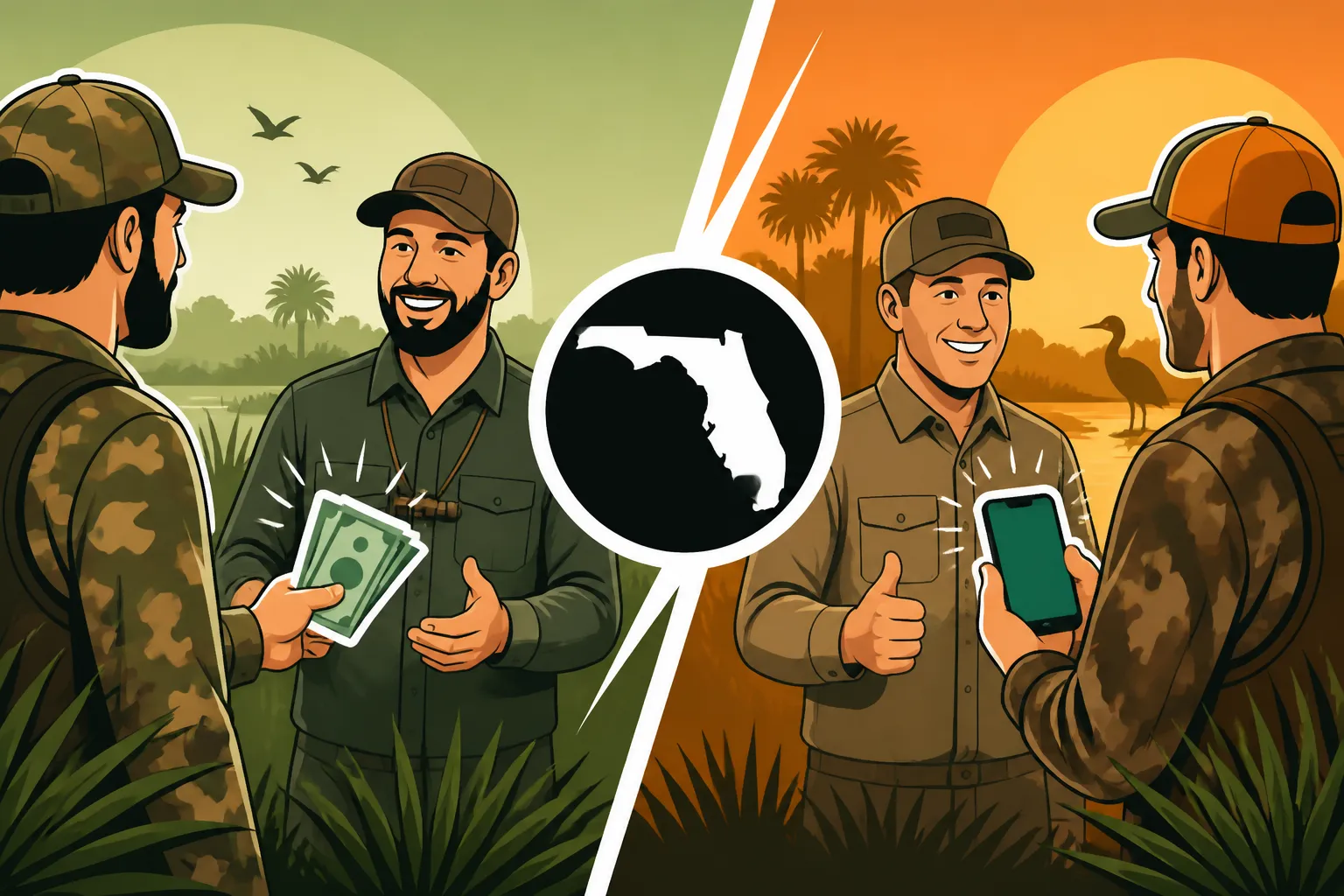
Tipping in Cash Versus Ahead of Time
You've just wrapped up an incredible hunt, perhaps a grueling stalk for an Osceola turkey or a successful night-time hog hunt under the Florida stars. Your guide worked tirelessly, scouted hard, and put you in a position to be successful. As the adrenaline subsides and the stories are recounted, a common question often surfaces, hovering unspoken in the air: how should I tip my guide, and when is the best time to do it? This isn't just about handing over some money; it’s about showing genuine appreciation for their hard work, dedication, and expertise. This guide will walk you through the nuances of tipping your Florida hunting guide, helping you understand the pros and cons of tipping in cash versus alternative methods, and ensuring you can express your gratitude thoughtfully and appropriately.
Understanding the Role of a Hunting Guide and Why Tipping Matters
Hunting in Florida is often a unique experience, from navigating dense palmetto scrub for deer to poling a flat-bottom boat through a marsh for ducks. Your guide isn't just a friendly face; they're an expert who brings a deep understanding of local wildlife, habitat, and regulations. They invest countless hours scouting, maintaining equipment, and planning every detail of your trip. Their success often hinges on your success, and they work incredibly hard to make that happen.
Think about the effort involved in a guided hunt. Before you even set foot in the woods, your guide has likely spent days, if not weeks, scouting the area, setting up blinds, checking trail cameras, and tracking game movement. On the day of the hunt, they’re up before dawn, often navigating tricky terrain, providing expert advice, and ensuring your safety. After the shot, they're the ones who handle the heavy lifting of tracking, field dressing, and hauling out your game. This isn't just a job for many; it's a passion that demands significant physical and mental effort. Tipping isn't a mandatory fee, but it's a widely accepted practice and a crucial part of a guide's income, acknowledging their dedication and the quality of the experience they've provided. Knowing What's Included in an Alligator Hunt Package or What a Guided Florida Deer Hunt Costs can help you determine what services are already covered and what goes above and beyond.
The Case for Tipping in Cash: Tradition and Tangibility
For generations, cash has been the undisputed king of gratuities in the hunting world, and for good reason. There's a certain straightforwardness and immediacy to handing your guide a crisp stack of bills that many appreciate.
Immediate Gratification and Direct Impact
When you tip in cash, the guide receives their gratuity immediately, right there at the end of the hunt. There's no waiting for funds to clear, no bank transfers, and no processing fees to cut into their hard-earned money. This immediate nature is often preferred by guides, as it allows them direct access to their earnings without delay. Imagine a guide who’s just spent three days leading you through the swamps for hogs. Being able to pay for gas or groceries right away, without waiting for a digital transfer to process, can be a real benefit. This immediate feedback also reinforces a job well done, creating a positive emotional connection between you and your guide. It shows you value their time and effort without any digital intermediary. If you're wondering about specifics, articles like Standard Tip for a Hog Guide or Standard Tip for an Alligator Guide can give you a baseline.
Privacy and Simplicity
Cash transactions offer a level of privacy that digital payments simply can't match. There's no digital trail, no records for third-party platforms, and no concerns about personal financial information being shared. For some, especially those who value discretion or operate in areas with inconsistent internet service, this anonymity is a significant advantage. Furthermore, it's incredibly simple. You just hand over the money. There's no need for apps, passwords, or navigating payment systems. You can focus entirely on expressing your thanks rather than fumbling with your phone. However, this simplicity does come with the caveat of needing to plan ahead and ensure you have enough physical cash on hand, which can be an inconvenience for some.
Potential Drawbacks of Cash
While cash has its benefits, it also presents a few challenges. The most obvious is needing to carry a significant amount of money with you, especially if you're on a multi-day hunt or planning a generous tip. This can be a security concern, and it's easy to forget or run out of cash, especially if you're traveling from out of state and don't frequently use cash. Imagine finishing a hunt only to realize you forgot to hit the ATM. It puts both you and your guide in an awkward position. Additionally, some guides may prefer the convenience and record-keeping of digital payments for their own financial management, though this varies greatly from person to person. Before your hunt, consider asking Questions to Ask Before Booking an Outfitter, including their preferred tipping method.
Tipping Ahead of Time or Digitally: The Modern Approach
In our increasingly digital world, many hunters are exploring alternatives to traditional cash tips, often driven by convenience and the rise of online booking platforms.
Convenience and Planning Ahead
The biggest advantage of digital tipping or tipping ahead of time is convenience. You don't have to worry about carrying large sums of cash, making an extra trip to the ATM, or running out of funds. This can be especially appealing for non-residents or those on longer trips where managing cash might be cumbersome. Many outfitters, particularly those who use larger booking services like BookYourHunt or GoHunt, might offer the option to add a gratuity to your final payment. This streamlines the process and ensures the tip is handled along with the rest of your trip expenses. Some even allow for direct digital payments like Venmo or PayPal after the hunt, which is convenient if you didn't bring cash. This can be a seamless way to handle gratuity, especially if you're already paying for your Florida Hunting Licenses and What They Cost online.
Transparency and Accountability
When you tip through an outfitter or a booking platform, there can be a greater sense of transparency and accountability, particularly if you're concerned about ensuring the tip goes directly to your specific guide rather than being pooled generally. However, it's crucial to clarify with the outfitter exactly how these tips are distributed. Sometimes, a "service charge" or "gratuity" added to the bill might be split among multiple staff members or held by the outfitter, rather than going directly to your individual guide. Always ask for clarity if you choose this route.
Potential Drawbacks of Digital Tipping or Tipping Ahead
While convenient, digital tipping also has its downsides. The most significant concern for many hunters is the idea of tipping before the hunt is over. Tipping is traditionally a reward for excellent service, and it feels counterintuitive to pay it before that service has been fully rendered. What if the guide underperforms, or the experience isn't what you expected? It puts you in a difficult spot. Moreover, digital payment platforms often involve transaction fees, which can subtly reduce the amount your guide actually receives. There's also the less personal nature of a digital transfer compared to a handshake and a direct exchange of cash, which can feel less genuine to some. Always verify the outfitter's policy on gratuity and how it's handled when you're making your booking, especially for package deals that might cover several days or species, such as a multi-day hog hunt or a combo trip.
How Much to Tip and When to Adjust Your Gratitude
Deciding on the exact amount to tip can be a little daunting, as it's not a one-size-fits-all answer. Generally, a good starting point for a guide in Florida is 15-20% of the hunt's total cost. However, this is just a guideline, and several factors can influence whether you lean towards the higher or lower end of that range, or even go above it.
Factors Influencing Your Tip
- Effort and Dedication: Did your guide work exceptionally hard? Were they constantly scouting, moving stands, and adapting to conditions? Did they go above and beyond, like helping you recover a deer late into the night or staying out longer than planned?
- Success of the Hunt: While a tip shouldn't only be tied to whether you harvested an animal, success often reflects the guide's skill and preparation. A successful hunt, especially for a challenging species like an Osceola gobbler, often warrants a more generous tip. Articles like Standard Tip for a Turkey Guide highlight species-specific expectations.
- Customer Service and Personality: Was your guide friendly, knowledgeable, and enjoyable to be around? Did they make the experience fun and educational? A positive attitude and excellent communication can greatly enhance your hunt.
- Extra Services: Did your guide provide extra services, such as photography, extensive field care, or additional transportation not initially agreed upon?
- Equipment and Maintenance: Did they provide well-maintained, reliable equipment (boats, ATVs, blinds, calls)?
- Trip Length and Intensity: A multi-day, physically demanding hunt often requires more sustained effort from a guide than a shorter, less intensive trip.
It's important to remember that a tip is earned, not guaranteed. If a guide was unprofessional, unsafe, or clearly put in minimal effort, you are not obligated to offer the standard gratuity. This is a rare occurrence with reputable outfitters, but it's a valid consideration. Doing your due diligence when Vetting a Florida Hunting Outfitter can help avoid these situations.
Tipping Schedule and Method Comparison
Here’s a quick overview to help you decide:
| Method | Pros | Cons | When to Use |
|---|---|---|---|
| Cash at End of Hunt | Immediate, personal, private, no fees. | Requires carrying cash, security concerns, easy to forget. | Ideal for most situations, especially if you've had a great experience and want to ensure the guide receives 100% of the gratuity directly. |
| Digital (Venmo/PayPal) | Convenient, no cash needed, easy tracking. | Transaction fees, less personal, requires guide to have an account. | Good if you forget cash, or if the guide specifically requests it. Confirm guide's preferred method beforehand. |
| Added to Outfitter Bill | Convenient, can be paid with initial booking. | Less personal, potential for fees or tip splitting, can feel premature. | Use if specifically offered and clarified by the outfitter, and if you trust their distribution method. Best for larger operations where this is standard practice. |
| Gift Card/Other | Thoughtful, can be personalized. | Less flexible than cash, may not be practical for guide's needs. | Less common, but can be a nice gesture for exceptional service, in addition to a cash tip, or if you know a guide's specific interests (e.g., a gift card to a local hunting supply store). |
No matter which method you choose, the key is to be thoughtful and intentional. A heartfelt "thank you" goes a long way, and when coupled with a well-deserved tip, it reinforces the value you place on your guide's hard work. If you're pondering specific amounts, checking resources like Standard Tip for a Deer Guide can provide more tailored advice for various game animals. Many hunters even consult platforms like BookYourHunt or GoHunt for reviews of outfitters, where past clients sometimes mention tipping practices.
Final Thoughts on Expressing Your Gratitude
Ultimately, how and when you tip your Florida hunting guide is a personal decision, but it should always come from a place of respect and appreciation for their expertise and effort. Whether you prefer the traditional handshake with cash or a modern digital transfer, ensuring your guide feels valued for their dedication is paramount. They spend countless hours in the field, often working in challenging conditions, to create memorable experiences for their clients. A thoughtful tip not only supplements their income but also serves as a powerful acknowledgment of a job well done. So, when your Florida hunting adventure concludes, take a moment to consider the effort put in by your guide, and express your gratitude in a way that feels right for both of you.
Disclaimer
This article is for general informational purposes only and does not constitute professional advice. Laws, prices and regulations vary by location and change over time. Consult a qualified professional for guidance on your specific situation.