What’s Included in an Alligator Hunt Package
Planning an alligator hunt in Florida is incredibly exciting, but when you start looking at outfitters, it can feel like you're trying to decode a secret language. Package deals are everywhere, but what do they actually cover? Many hunters get frustrated trying to compare apples to oranges, wondering if they're getting a good deal or if hidden costs are lurking. This guide will meticulously break down what's typically included in Florida alligator hunt packages, helping you understand the true value and make an informed decision for your adventure.
Breaking Down the Base Package: What You Can Generally Expect
When you first glance at an alligator hunt package, it might seem like a simple one-price-fits-all deal. However, the core of what's included often depends on the outfitter's standard offerings and the specific type of hunt they specialize in. Understanding these fundamental inclusions will help you set realistic expectations and spot any glaring omissions.
The Core Hunt Experience: Guide, Equipment, and Location Access
At its heart, an alligator hunt package almost always includes the guidance of an experienced professional and access to hunting grounds. This isn't just someone pointing you in the right direction; a good guide is crucial for safety, success, and ensuring you have a memorable experience. They know the waterways, the gator habits, and how to safely approach and dispatch these powerful reptiles.
For instance, many packages will specify a certain number of hours or a day-long hunt with a licensed guide on a specific body of water – perhaps a private ranch lake, a section of a public river like the St. Johns, or a vast marsh system. This access is paramount because you can't just hunt alligators anywhere; permits are tied to specific locations, and private land offers controlled environments. An outfitter often has exclusive access agreements or state-issued contracts for certain areas, which is a significant part of the value. They'll typically provide the boat, fuel, and all the specialized equipment needed for the initial capture, such as heavy-duty fishing rods, grappling hooks, and harpoons. You'll likely be provided with a cooler of ice, water, and perhaps some snacks, but full meals are often an add-on.
Guide Services and Safety Briefings
Beyond just finding the gator, the guide's expertise is indispensable in every phase of the hunt. This usually begins with a thorough safety briefing, covering everything from boat safety to proper handling of the harpoon and firearm. Alligators are wild, powerful animals, and safety is not something to be overlooked. Your guide will walk you through the entire process: spotting gators, making the approach, hooking or harpooning the animal, and then, most critically, the humane dispatch.
Imagine you're on a night hunt on Lake Okeechobee. The guide will have specialized spotlights to locate the tell-tale red eye-shine of an alligator. They’ll navigate the dark waters, position the boat, and instruct you precisely when and how to cast your line or throw the harpoon. Once a gator is hooked, the guide's experience comes into play to manage the animal, control its thrashing, and bring it boatside safely. They'll also ensure you understand the legal requirements for harvesting an alligator, including the necessary CITES tag application. A great guide makes the difference between a chaotic, potentially dangerous experience and a smooth, successful hunt. You might find a service like BookYourHunt helpful for reading reviews of various outfitters to get a sense of their guides' reputations.
Understanding License and Tag Inclusion: A Key Consideration
One of the most common points of confusion for hunters booking an alligator package is understanding how licenses and tags factor into the cost. Florida's alligator hunting regulations are quite specific, involving both a hunting license and a special alligator harvest permit, which comes with CITES tags. These are rarely "included" in the sense that the outfitter pays for them outright, but rather the package cost usually reflects the type of permit being used or assisted with.
State-Issued Permits and CITES Tags
Florida operates a statewide alligator harvest program primarily through a lottery system for Statewide Alligator Harvest Permits. If you've been lucky enough to draw one of these coveted permits, your package will typically revolve around an outfitter guiding you on your permit. The cost of the permit itself (which includes two CITES tags allowing you to harvest two alligators) is your responsibility and is paid directly to the state. The outfitter's package then covers their services, equipment, and access to hunting areas during the designated period of your permit.
However, many hunters travel to Florida specifically for an alligator hunt and haven't entered or won the lottery. In these cases, outfitters often provide a "landowner permit" or operate under their own commercial alligator harvest permits. If an outfitter advertises a hunt where you don't need to have drawn a state permit, it means they are providing the permit and associated CITES tag for your harvest. This will be reflected in a significantly higher package price, as the outfitter is essentially selling you the right to harvest an alligator under their allocation. It’s crucial to clarify this upfront: are you hunting on your permit, or is the outfitter providing the tag? This distinction greatly impacts the overall cost. For example, some outfitters might even offer a Booking an Alligator Hunt With Your Own Permit option for those who've successfully drawn.
Private Land Tags vs. Public Lottery
Florida's alligator hunting really offers two distinct pathways when it comes to tags: the public lottery and private land opportunities. The state lottery issues permits for designated hunt areas and specific weeks, primarily on public waterways. If you secure one of these, you're hunting within those defined parameters. Your outfitter will then guide you within those public waters or adjacent private lands where they have access that aligns with your permit.
On the other hand, many outfitters operate on vast private ranches or impoundments that have been allocated their own harvest quotas by the state. These "landowner permits" allow for more flexible season dates and often provide a more controlled hunting environment, potentially leading to higher success rates due to less public pressure. When an outfitter offers a package that includes the "tag," they are generally utilizing one of these private land tags. This often means you can book your hunt almost any time within the approved season, rather than being tied to specific public hunt periods. This convenience and assured tag access often come at a premium. Always confirm if the package includes one CITES tag for one alligator or if additional tags for a second alligator can be purchased or are included, as the standard permit allows for two.
| Feature | Public Lottery Permit (Hunter Provides) | Outfitter-Provided Private Land Tag |
|---|---|---|
| Permit Acquisition | Hunter applies/wins FWC lottery | Outfitter holds permit/allocation |
| Cost of Permit/Tags | Paid by hunter directly to FWC | Included in higher package price |
| Hunt Location | Designated Public Hunt Area | Private ranch/impoundment |
| Hunt Dates | Fixed FWC allocation weeks | More flexible, often year-round |
| Tag Limit | Typically two alligators | Typically one, additional possible |
| Convenience | Requires lottery success | Book directly, no lottery needed |
Weaponry and Gear: What the Outfitter Provides Versus What You Bring
One of the most exciting aspects of alligator hunting is the variety of methods you can employ. From traditional harpoons and heavy fishing tackle to bang sticks and crossbows, the gear involved is specialized. Understanding what your outfitter supplies and what you're expected to bring is crucial for a smooth hunt.
Popular Harvest Methods and Provided Gear
Florida law allows for several methods to capture and harvest alligators. Most commonly, outfitters will provide the gear for a "hook and line" or "harpoon" method to initially secure the alligator. This typically includes heavy-duty fishing rods and reels spooled with strong braided line, or a harpoon with a detachable dart and float. Once the gator is secured and brought alongside the boat, the final dispatch is done with a "bang stick" (a specialized firearm that detonates a cartridge upon impact) or a large caliber handgun or rifle.
A reputable outfitter will provide all of this primary equipment. They'll have the specialized bang sticks, the appropriate firearms, and plenty of ammunition. They'll also provide the necessary safety equipment like life jackets, first-aid kits, and communication devices. Some packages, especially those advertised as Booking a Bow-Fishing Alligator Hunt, will specifically include specialized bowfishing gear. It's rare for an outfitter to expect you to bring your own bang stick or harpoon setup, as these require specific training and maintenance. However, if you prefer to use your own firearm for the dispatch, it's always best to clear it with the outfitter beforehand to ensure it meets their safety protocols and legal requirements.
Specialized Equipment Provided by Outfitters
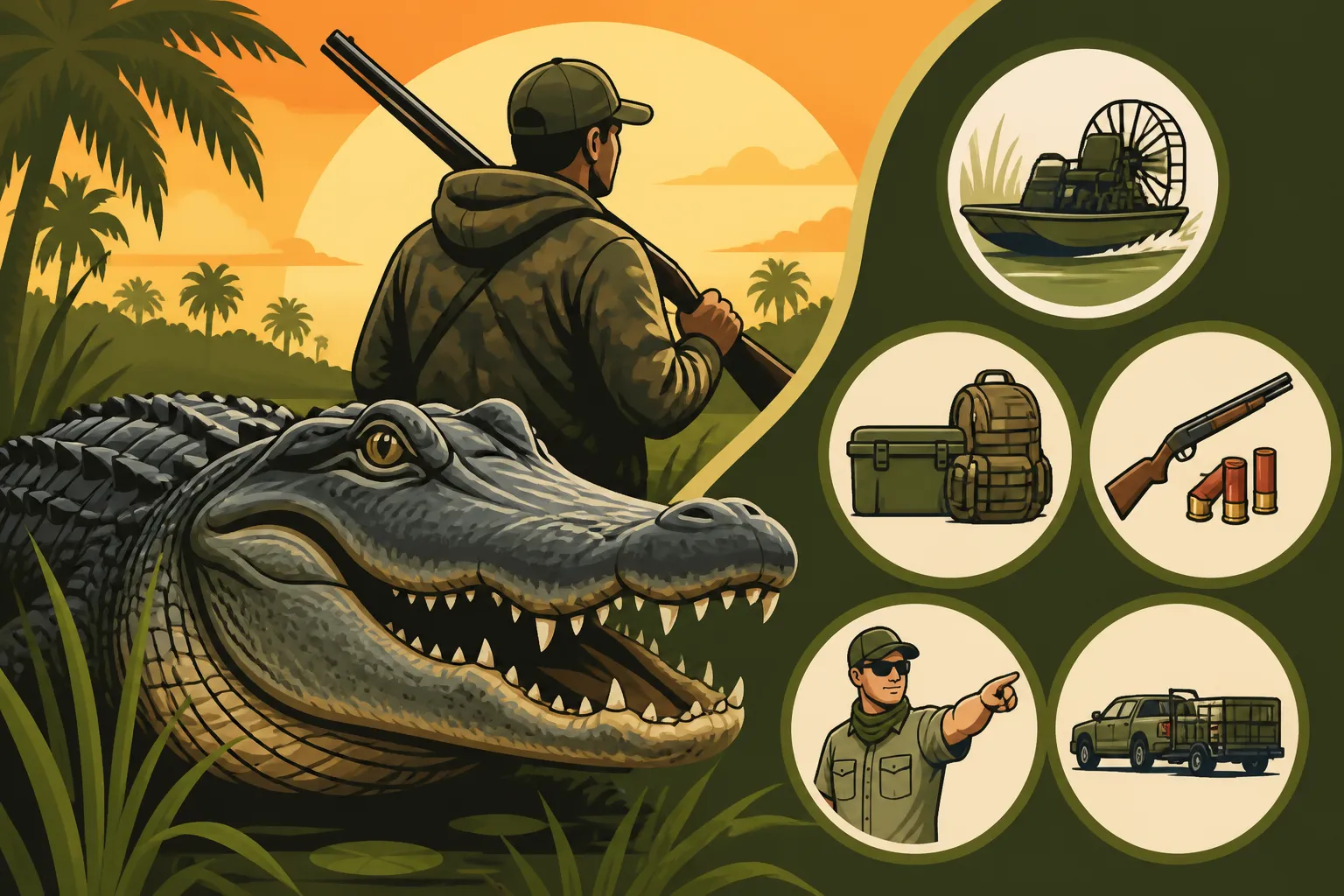
Beyond the basic capture and dispatch tools, outfitters often provide a host of other specialized equipment that makes the hunt possible and enjoyable. This can include powerful spotlights for night hunts, essential for spotting the tell-tale eye-shine of gators on the water. They'll likely have a well-equipped boat suitable for the specific waterways you'll be hunting, whether it's an airboat for shallow marshes or a more conventional skiff for larger lakes and rivers.
Coolers, ice, and basic refreshments are almost always part of the deal to keep your harvested alligator cool and ensure you stay hydrated. Navigation equipment, such as GPS and detailed maps, will be handled by the guide. While some outfitters might have rain gear or extra jackets on hand, it's generally expected that you'll bring your own appropriate clothing, including insect repellent, sunscreen, and sturdy, water-resistant footwear. Think of it this way: the outfitter provides the heavy lifting and specialized tools, and you bring your personal comfort items and enthusiasm. Checking an outfitter's gear list and asking about their Alligator Hunt Deposit and Cancellation Policies can also give you insight into their professionalism and what they expect from clients.
Logistics and Support: Beyond the Hunt Itself
An alligator hunt isn't just about the moments you're actively pursuing the animal. A comprehensive package should also cover the crucial logistics that happen before, during, and immediately after the harvest. This support infrastructure ensures your trip is as seamless and stress-free as possible.
Transportation and Access
One of the often-overlooked components of a package is the transportation to and from the hunting grounds. Florida's alligator hunting areas can be remote, requiring specific vehicles or boats to access. Many outfitters will arrange to meet you at a central, easily accessible location and then provide transport to the actual boat launch or hunting area. This might involve a comfortable truck ride or, for more adventurous hunts in places like the Everglades, even an airboat.
For example, if you're hunting a vast private marsh, the outfitter might pick you up at a nearby town and drive you miles through backroads to their exclusive access point. This saves you the headache of navigating unfamiliar terrain, potentially getting stuck, or needing a specialized vehicle. If you're staying at a hunting lodge associated with the outfitter, transportation from the lodge to the hunt site is almost always included. It's always a good idea to clarify the exact meeting points and transportation arrangements when booking, especially if you're flying into Florida and aren't familiar with the local area.
Field Dressing and Initial Processing
Once you've successfully harvested an alligator, the work isn't over. Proper handling of the animal post-harvest is critical for preserving the meat and the hide. A good alligator hunt package will always include the guide's assistance with field dressing and initial processing. This means skinning the alligator and separating the prime meat, often done right there at the water's edge or at a designated cleaning station.
The guide will typically gut the animal, skin it, and often quarter the meat, preparing it for transport. They'll ensure the CITES tags are properly affixed to the hide and the meat, as required by law. Many outfitters will also provide heavy-duty bags or coolers to store the meat and hide on ice. While they'll handle the initial breakdown, remember that further, more refined butchering or taxidermy work for a trophy mount is almost always an additional service, which we'll discuss next. For those interested in the full experience of preparing their harvest, asking about Cooking a Wild Florida Hog or other wild game preparation can be a good indicator of an outfitter's comprehensive approach.
Evaluating Extra Costs and Customization Options
While a good package provides a solid foundation, it's crucial to understand what's not included and what potential additional costs you might incur. Outfitters typically offer a range of add-on services that can enhance your experience but will certainly impact the final price. Knowing these can help you budget effectively and avoid surprises.
Taxidermy and Meat Processing
After a successful hunt, most hunters want to preserve their trophy and enjoy the delicious meat. However, professional taxidermy and comprehensive meat processing are rarely included in the base price of an alligator hunt package. Outfitters will almost always offer these as optional services, or they will have relationships with local professionals and can facilitate the arrangements for you.
For taxidermy, you might want a full mount, a skull mount, or a European mount. These are specialized crafts, and the cost will vary significantly based on the size of the alligator and the complexity of the desired mount. Similarly, while your guide will handle the initial field dressing, converting that raw alligator meat into steaks, sausage, or jerky requires a dedicated processor. They'll professionally butcher, package, and often freeze the meat for safe transport. Many outfitters will connect you with a local processor, and sometimes even arrange for delivery to the processor. Always ask for a clear price list for these services, as they can add a substantial amount to your overall trip cost. Knowing whether Processing Meat Near a Florida Hunting Camp is offered can be a major convenience.
Accommodation and Meals
While some high-end, multi-day alligator hunting packages might include accommodations and meals, most standard day hunt packages do not. If you're booking a single-day hunt, you'll generally be responsible for your own lodging and food before and after the hunt. However, many outfitters partner with local hotels or have cabins available for rent, which they can recommend or book for you as an add-on.
When accommodation is included, it often means staying at a comfortable hunting lodge or a rustic cabin on the outfitter's property. These might come with home-cooked meals, giving you a full, immersive hunting camp experience. Always confirm the specifics: is it just breakfast, or all three meals? Are drinks included? If you're traveling from out of state, especially for something like Hunting Florida's Zone A August Opener which can be quite warm, having a comfortable, air-conditioned place to stay can be a huge benefit. If you're considering a more extensive trip, some outfitters might offer Booking a Combination Fishing and Hunting Trip that includes a longer stay and more comprehensive lodging and meal plans.
Booking Your Florida Alligator Hunt Package
Choosing the right alligator hunt package requires a clear understanding of what you're paying for. By breaking down the components – from core guide services and legal requirements to gear and logistical support – you can confidently compare options and ensure your Florida alligator hunting adventure is everything you dreamed of. Don't hesitate to ask outfitters detailed questions about their inclusions and any potential extra costs. Reputable booking platforms like BookYourHunt or hunting community sites like GoHunt often have detailed breakdowns and reviews that can further help in your decision-making process. Taking the time to do your homework now will undoubtedly lead to a more enjoyable and successful hunt later.
Disclaimer
This article is for general informational purposes only and does not constitute professional advice. Laws, prices and regulations vary by location and change over time. Consult a qualified professional for guidance on your specific situation.