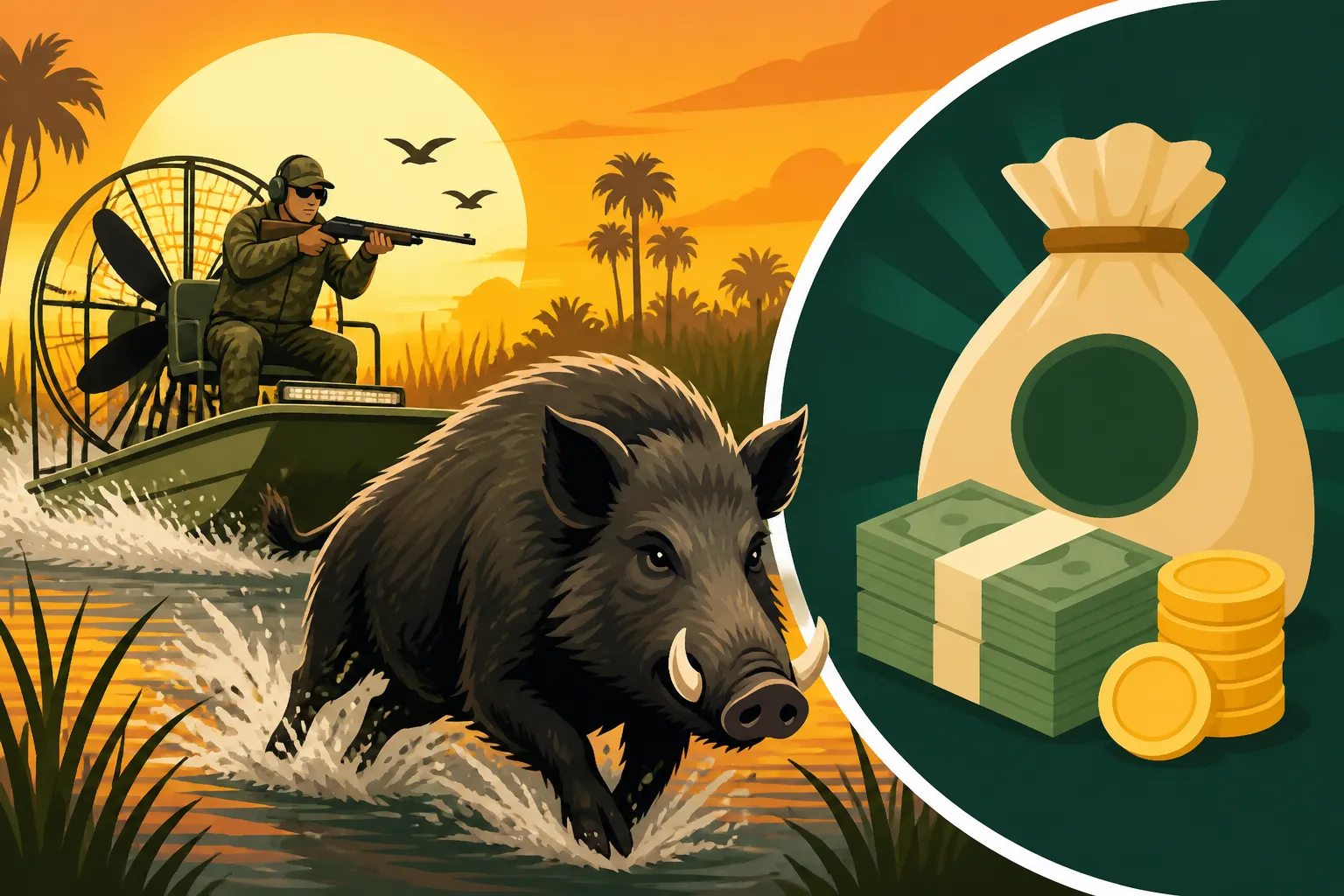
Average Cost of an Airboat Hog Hunt
Thinking about booking an airboat hog hunt in Florida can bring a rush of excitement, picturing yourself skimming across the water and into the wilderness. But then, the practical questions hit: What’s this actually going to cost me? It’s not your typical hunt, and the unique nature of it often comes with a different price tag than a standard still hunt from a stand. This guide is here to help you navigate the financial waters, breaking down the average costs and what factors contribute to them, so you can plan your adventure with confidence and no sticker shock.
What Makes an Airboat Hog Hunt So Unique (and Pricy)?
Let's be honest, there's nothing quite like a Florida airboat ride, let alone an airboat hunt. It's an experience that blends high-octane adventure with primal hunting instincts, and that uniqueness inherently shapes its cost. It’s not just about getting to the hogs; it’s about how you get there and the specialized world you enter.
The Thrill of the Ride and the Terrain Covered
Florida's landscape is often defined by its water. We're talking vast, shallow marshes, dense cypress swamps, and miles of sawgrass prairies where conventional vehicles simply can't go. This is where the airboat becomes indispensable. Imagine the sensation of gliding effortlessly over inches of water, weaving through reeds and dense vegetation that would swallow up a truck or even an ATV. This unparalleled access is a huge part of the appeal and the price.
The sheer power and specialized design of an airboat, with its massive fan engine, flat bottom, and elevated seating, allow hunters to reach remote areas where hogs thrive undisturbed. It's a logistical marvel, but it's also a significant investment in equipment and the skill required to operate it safely and effectively. You're not just paying for a ride; you're paying for access to otherwise unreachable hunting grounds and the thrilling journey itself.
Specialized Gear and Expert Guides
Beyond the airboat itself, there's a whole host of specialized gear and expertise that goes into these hunts. An airboat is a complex machine that requires constant maintenance, specialized fuel, and a pilot with extensive training and experience. These aren't your weekend joyrides; these guides know the waterways, the hog patterns, and the safe operating procedures of their powerful vessels like the back of their hand.
For night hunts, which are incredibly popular for hogs, airboats are often equipped with powerful lighting systems to spot game in the darkness. Recovery equipment for hogs taken in deep water or thick cover is also part of the package. Your guide isn't just an airboat operator; they're also a seasoned hog hunter, understanding the animal's behavior and the best tactics for success in these unique environments. This combination of specialized equipment and expert guidance contributes significantly to the overall cost, but it also dramatically increases your chances of a successful and memorable hunt.
Breaking Down the Typical Costs of an Airboat Hog Hunt
When you start looking at airboat hog hunts, you'll quickly notice that prices aren't always a simple flat fee. There's usually a base rate, and then various additions can change the final tally. Understanding what you're getting for your money is key to avoiding surprises.
The Base Fee: What You're Paying For
The core of your airboat hog hunt cost will be the base fee. This typically covers the essentials: the airboat itself, the fuel for the duration of your trip, and the invaluable expertise of your licensed guide. Think of this as the non-negotiable cornerstone of the experience. The guide's knowledge of the local swamps, marshes, and waterways is paramount. They know where the hogs are likely to be, how to approach them, and critically, how to navigate the complex Florida terrain safely.
The duration of your hunt plays a huge role here. A half-day hunt, perhaps 4-5 hours, will naturally be less expensive than a full-day excursion, which could run 8 hours or more. Night hunts, which often involve specialized lighting equipment and different tactical approaches, might also carry a slightly higher base fee. While many hog hunts on private land don't require specific state hog licenses, if you're venturing onto certain public lands or Wildlife Management Areas (WMAs) with a guide, you'll still need your basic Florida hunting license and any relevant WMA permits. Make sure to clarify with your outfitter what licenses are needed for your specific hunt. Remember, Florida's Year-Round Hog Hunting Rules state that no bag limit or closed season applies on private lands, which is a major draw for these types of trips.
Additional Expenses to Consider
While the base fee gets you on the airboat and into the field, there are almost always additional expenses that you'll want to factor into your budget. These can vary widely by outfitter, so it's crucial to ask for a detailed breakdown when booking.
- Extra Hogs: Many base packages include one hog per hunter. If you're hoping to take more than one, there's usually an additional fee per animal. Since Hunting Hogs Without a Bag Limit is often the case on private land, this can be a tempting option.
- Weapon Rentals & Ammunition: If you're flying in or don't own a suitable firearm, many outfitters offer rifle, shotgun, or even bow rentals. Ammunition is almost always an extra cost.
- Processing Fees: This is a big one. Unless you plan to skin and quarter your hog yourself right there in the field, you'll likely incur a fee for basic field dressing, skinning, and quartering. Some outfitters have their own processing facilities, while others partner with local butchers. Make sure to ask about cutting, wrapping, and freezing options if you want to take the meat home.
- Taxidermy: If you harvest a trophy-sized hog, you might want to preserve it. This is a separate cost and can range significantly depending on the type of mount.
- Gratuities: Tipping your guide is customary and highly encouraged, especially if they worked hard to put you on game and provided a safe, enjoyable experience. Factor in a percentage of your total hunt cost for this.
- Lodging and Meals: While some premium, multi-day packages might include these, most airboat hog hunts are single-day affairs where you're responsible for your own accommodations and food.
This table provides a generalized overview of what components contribute to the total cost:
| Cost Category | Description | Impact on Price (Shape) |
|---|---|---|
| Base Hunt Fee | Airboat, fuel, licensed guide, access to hunting grounds, typically one hog per hunter. | Core, often mid-to-high |
| Duration of Hunt | Half-day vs. Full-day; Day vs. Night hunt. Longer/night hunts usually cost more. | Varies (low to high) |
| Additional Hogs | Fee for each animal harvested beyond the package allowance. | Per-unit add-on |
| Weapon/Ammo Rental | If you don't bring your own. Price depends on weapon type and quantity of ammo. | Optional add-on |
| Processing | Field dressing, skinning, quartering, and potentially cutting/wrapping. | Varies (low to mid) |
| Taxidermy | For trophy hogs; depends on size and type of mount. | Optional, high |
| Licenses/Permits | Florida hunting license, WMA permits if applicable. | Fixed, low |
| Gratuities | Tip for your guide (customary). | Optional, mid |
| Travel/Lodging/Food | Your personal expenses to get to and stay near the hunting area. | Variable, personal |
Factors Influencing Airboat Hog Hunt Pricing
Just like with any specialized service, the price of an airboat hog hunt isn't static. Several key factors can cause costs to fluctuate, making it important to understand what you're paying for and why.
Group Size and Duration
One of the biggest factors influencing the per-person cost of an airboat hog hunt is the size of your group. Airboats are expensive to operate, and their fixed costs (guide's time, fuel, maintenance) don't change much whether there's one hunter or three. Therefore, many outfitters offer a lower per-person rate if you can fill all the seats on the boat. If you're a solo hunter, you might pay a premium, or you might be able to join another small group to split the cost.
The duration of the hunt, as mentioned, is also critical. A typical half-day hunt might be a good introductory option, but a full-day hunt gives you more time, covers more ground, and offers more opportunities, especially when considering Hunting a Cypress Head at Last Light or working a larger area. Night hunts, specifically, often command a higher price point. This isn't just because of specialized lighting; it's also due to the increased operational challenges, different hog behaviors after dark, and the guide dedicating prime evening hours to your trip. When you're Hunting Alligators at Night Legally (though this is for hogs, the principle of specialized night operations is similar), the costs can climb.
Inclusions and Exclusions
It's absolutely vital to scrutinize what is, and what isn't, included in an outfitter's quoted price. What one outfitter calls an "all-inclusive" package, another might consider a bare-bones booking.
- Truly "All-Inclusive": Some premium outfitters will roll everything into one price: base hunt, additional hog fees, weapon and ammo, basic processing, and even sometimes lodging and meals if it's a multi-day affair. These are often at the higher end of the price spectrum but offer peace of mind, knowing almost all costs are covered upfront.
- Base Fee Plus Add-ons: Most airboat hog hunts fall into this category. You pay a base rate, and then everything else – extra hogs, rentals, processing – is an additional charge. This can be great if you bring your own gear and only want to harvest one animal, keeping your initial outlay lower. But if you start adding multiple extras, the cost can quickly escalate beyond your initial estimate.
Always ask for a detailed breakdown of what's covered and what potential extra costs you might face. It’s better to have a clear understanding from the start than to be surprised by a large bill at the end of a successful hunt.
Reputation and Location of the Outfitter
Just like any business, a hunting outfitter's reputation and location can play a significant role in their pricing structure. Outfitters with a long history of successful hunts, excellent customer reviews, and a proven track record of ethical practices often command higher prices. You're paying for their experience, their knowledge of the best hunting spots, and the assurance of a quality experience.
The specific location within Florida also matters. Outfitters operating in highly productive hog areas, or those close to major tourist destinations like Orlando or Tampa, might have different overheads and therefore different pricing. Guides who consistently put hunters on trophy hogs or offer unique experiences (like specialized bowfishing for hogs from an airboat) might also be on the higher end. When looking for an outfitter, don't be afraid to do your homework. Comparing Florida Outfitter Reviews on platforms and forums can give you a good idea of what others have experienced and whether the price aligns with the service received.
Finding and Booking Your Airboat Hog Hunt
So, you're ready to dive in and find that perfect airboat hog hunt. The good news is, Florida has a robust outfitting industry. The key is knowing where to look and what questions to ask to ensure you get a great experience without breaking the bank.
Researching Outfitters and Comparing Quotes
The first step is always research. Start by searching online for "Florida airboat hog hunts" or "Everglades hog hunting guides." You'll quickly find a plethora of outfitters, each with their own unique offerings and websites. Take the time to browse through their services, look at their photo galleries, and get a feel for their operation.
Online booking platforms can be a great resource here. Sites like BookYourHunt or GoHunt often list various Florida outfitters, providing an easy way to compare packages, read reviews from other hunters, and sometimes even see available dates. While these platforms can give you a good starting point and an idea of pricing, I always recommend contacting a few outfitters directly to get a personalized quote. This allows you to discuss your specific needs, ask questions, and gauge their responsiveness and professionalism. Don't just settle for the first quote; compare what different operations include for their respective price points.
Questions to Ask Before You Book
Once you've narrowed down your choices, it’s time to pick up the phone or send those detailed emails. Having a list of questions ready will save you a lot of back-and-forth and help you make an informed decision. Here are some crucial ones:
- What exactly is included in the base price? Be specific: airboat, guide, fuel, one hog?
- Are there any hidden fees or mandatory add-ons?
- What are the costs for additional hogs?
- Do you offer weapon rentals, and what's the cost per rental/ammo?
- What are your processing options, and what do they cost? (e.g., field dressing, skinning, quartering, full butchering, freezing)
- What are your cancellation and rescheduling policies? (Weather happens in Florida!)
- What's your success rate on airboat hog hunts? (While not a guarantee, it gives an idea).
- How experienced are your guides with airboats and hog hunting in this specific area?
- What kind of gear should I bring? (e.g., clothing, cooler, insect repellent, sunscreen)
- Do I need any specific licenses or permits for this hunt?
- What's the best way to get my meat home if I'm traveling?
- Are there any recommended accommodations nearby if I need to stay overnight?
Asking these detailed questions, similar to those outlined in Questions to Ask Before Booking an Outfitter, will help you clarify everything and ensure you’re on the same page as your outfitter.
Typical Price Ranges (General Shape)
While specific prices change, we can talk about the shape of the costs you can expect. Remember, these are general ranges, and individual outfitters will vary.
| Hunt Type | Typical Duration | Price Shape (per person) | Key Inclusions/Exclusions |
|---|---|---|---|
| Entry-Level Day Hunt | Half-Day (4-5 hrs) | Lower-Mid Range | Airboat, guide, fuel. Often one hog. Expect to pay extra for rentals, ammo, processing, and tips. |
| Full-Day Hunt | Full-Day (7-8 hrs) | Mid-Range | Airboat, guide, fuel. Often one hog. More time in the field. Similar exclusions to entry-level. |
| Night Airboat Hunt | Half-Day (4-5 hrs) | Mid-to-Higher Range | Airboat, guide, specialized lighting, fuel. Often one hog. Premium for night operations. Similar exclusions. |
| Premium All-Inclusive | Full-Day or Multi-Day | Higher End | Airboat, guide, fuel, multiple hogs, weapon/ammo, full processing, sometimes lodging/meals. Fewer hidden costs. |
You'll find that a basic airboat hog hunt, typically a half-day without many frills, will be on the lower end of the spectrum for guided hunts in Florida. As you add more time, opt for night hunting, or choose packages that bundle in processing and gear, the costs will naturally climb. A full-service, multi-day experience with lodging and meals will be at the very top. Knowing what kind of experience you want and what you're willing to handle yourself (like bringing your own rifle and processing your own hog) will help you budget accordingly.
An airboat hog hunt in Florida is an unforgettable experience, offering a unique blend of adrenaline and the satisfaction of a successful hunt. By understanding the typical costs and what drives them, you can confidently plan your trip, find a reputable outfitter, and head out into the Florida wilderness ready for adventure.
Disclaimer
This article is for general informational purposes only and does not constitute professional advice. Laws, prices and regulations vary by location and change over time. Consult a qualified professional for guidance on your specific situation.