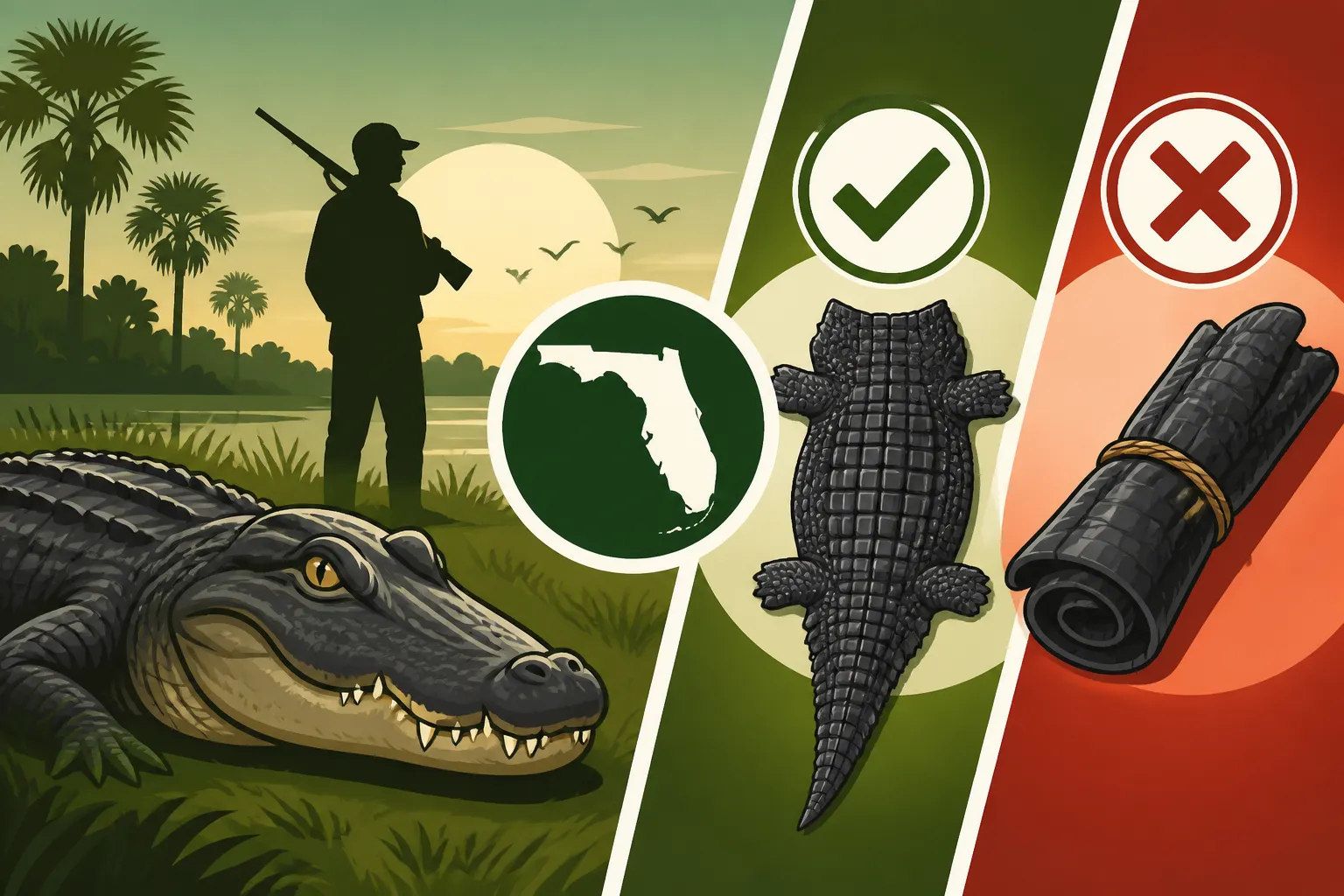
Whether Skinning Is Included in an Alligator Package
Okay, let's talk about one of the most incredible hunting experiences Florida has to offer: alligator hunting! It's a thrill unlike any other, full of adrenaline and the raw excitement of pursuing a true apex predator. But once that gator is harvested, a common question often pops up, especially for first-timers: what exactly happens next with the hide? This guide is here to help you navigate the often-confusing details of whether skinning is included in an alligator hunt package, so you can plan appropriately for your incredible Florida adventure.
The Excitement and the Aftermath: Understanding Alligator Hunt Packages
There's nothing quite like the anticipation leading up to an alligator hunt. You've likely spent time researching, dreaming about the chase, and picturing that magnificent reptile. Many hunters, myself included, get so caught up in the thrill of the pursuit – the stalking, the hook-setting, the fight – that the practicalities of post-harvest processing can slip your mind. You book a "package," and a little voice inside might assume everything, from start to finish, is covered. But with alligator hunting, especially when it comes to the hide, things can be a bit more nuanced than with other game.
Alligator hunt packages, particularly here in Florida, are designed to get you on the water, guided by experienced professionals, and equipped to successfully harvest a gator. This is a highly specialized hunt, after all. However, what happens after the gator is secured and tagged is where the variations truly begin. It's crucial to understand these differences upfront to avoid any surprises, and honestly, a little pre-planning goes a long way in ensuring your trophy is handled exactly how you envision.
What Most Alligator Hunt Packages Usually Cover
When you sign up for a guided alligator hunt in Florida, you're primarily paying for the expertise, equipment, and access that an outfitter provides. Think of it as purchasing a comprehensive plan for the hunting event itself.
Most reputable alligator hunt packages will include:
- Guide Services: This is paramount. You'll have an experienced guide who knows the waterways, the gators, and the legalities. They'll assist with spotting, stalking, setting lines, and safely securing the animal. Their knowledge is invaluable.
- Hunting Equipment: This typically covers the specialized gear needed for alligator hunting, such as harpoons, lines, snatch hooks, fishing poles, and bang sticks (if that's your chosen method). You often don't need to bring your own specialized equipment.
- Boat and Fuel: A proper airboat or powerful marsh boat is essential for navigating Florida's gator habitats, and your package will include its use and associated fuel costs for the duration of the hunt.
- Basic Field Dressing: Once the alligator is harvested, the guide will almost always perform a basic field dress. This involves removing the entrails to help cool the carcass and preserve the meat, which is absolutely critical in Florida's warm climate. This step is usually non-negotiable and included, as it's necessary for the integrity of both the meat and the hide.
Some packages might even include the CITES tag (Convention on International Trade in Endangered Species of Wild Fauna and Flora), which is required for legal interstate and international transport of alligator parts. This is a detail you'll want to clarify. You'll also need to ensure you have your personal Florida Hunting Licenses and What They Cost in order. If you're really looking to maximize your chances, checking out a platform like BookYourHunt can help you compare what various outfitters include in their base price.
The Hidden Costs and Common Assumptions
The common misconception is that "package" means "all-inclusive" for every aspect of the animal's processing. With deer or hog hunting, basic field dressing might be all you need before taking the animal to a local processor. But an alligator is a different beast entirely. Its hide is incredibly valuable and requires specialized handling, and its meat, while delicious, also needs specific processing.
Hunters often assume that the initial field dressing done by the guide is the extent of the "skinning" provided. However, there's a world of difference between field dressing (which is essentially gutting) and the meticulous process of professionally skinning an alligator hide for taxidermy or for tanning into leather. These specialized services often represent additional costs that aren't typically baked into the base hunt price. It's not because outfitters are trying to be tricky; it's simply because these are separate, time-consuming, and skilled trades that extend beyond the hunt itself.
Diving Deep into Alligator Skinning Services: What to Expect
Let's get down to the nitty-gritty of alligator skinning. This isn't just about peeling off the skin; it's an art and a science, especially if you want to preserve the hide's quality for a mount or for leather. The value of an alligator hide is significant, and its proper handling dictates its ultimate worth and appearance. A skilled gator skinner knows precisely where to make the cuts, how to remove the tough scutes, and how to properly flesh and salt the hide to prevent spoilage. This is a craft, not just a chore.
Field Dressing vs. Professional Skinning
Understanding the distinction here is paramount to managing your expectations and budget.
- Field Dressing: As mentioned, this is the essential first step after the harvest. Your guide will typically open up the alligator and remove the internal organs. This is critical for cooling the carcass quickly, especially in Florida's heat, which helps preserve both the meat and the hide from spoilage. It's usually done quickly and efficiently right there in the field or back at the dock. Think of it as preparing the animal for transport and further processing. This is almost always included in any reputable package.
- Professional Skinning: This is a whole different ballgame. Professional skinning involves carefully separating the hide from the muscle and fat, ensuring no cuts or damage to the scales. If you want a full mount, the skinning will be done in a specific "casing" or "rug" style, preserving the head and feet. If you're going for leather, a different cut might be used, often a belly cut to maximize the prime backstrap scales. After the hide is removed, it needs to be meticulously fleshed (removing all traces of meat and fat), then heavily salted and folded to begin the curing process. This prevents bacterial growth and prepares the hide for tanning. This process is labor-intensive, requires specialized tools, and often takes several hours, even for an experienced hand. It's rarely included in the base price of a hunt.
The integrity of your trophy depends on this step. A poorly skinned or handled hide can quickly degrade, making it unsuitable for a high-quality mount or valuable leather. This is why many outfitters have preferred processors or offer this service at an additional cost. When discussing your hunt, make sure to ask about Harvesting an Alligator With a Bang Stick and how that impacts the hide's condition, if at all.
Variables Affecting Skinning Inclusion
Why isn't professional skinning always included? Several factors play into this:
- Outfitter's Business Model: Some outfitters aim for an "all-inclusive luxury" experience, and these might wrap in professional skinning and even basic meat processing into a higher-priced package. Others operate on a more "à la carte" model, offering the hunt as the core service and then providing options for post-harvest handling. It's simply a difference in how they structure their offerings.
- Package Price Point: Generally, the more premium or expensive a hunt package is, the more likely it is to include extra services like professional skinning or taxidermy prep. A budget-friendly hunt is often streamlined to just the core experience.
- Hunter's Intent: What do you want to do with the alligator? If you're only interested in the meat and perhaps a skull, the intensive process of preserving the hide for a full mount might be unnecessary for you. If you're planning a full life-size mount, the skinning requirements are much more demanding. Outfitters will often tailor the service based on your specific desires, which affects the cost.
- Logistics & Time: Professional skinning takes significant time and a dedicated workspace. An outfitter might not have the facilities or staff readily available to perform this for every hunter, especially during busy periods. Instead, they often partner with professional processors.
Understanding these variables helps you ask the right questions and ensure you're comparing apples to apples when looking at different hunt packages. GoHunt is a fantastic resource for comparing different outfitters and what they offer, helping you identify those that might bundle more services.
Navigating the Options: Asking the Right Questions and Planning Ahead
The key to a smooth alligator hunting experience, from initial excitement to final trophy, is clear communication and proactive planning. Never assume anything is included that isn't explicitly stated. This is especially true for specialized services like professional skinning and meat processing.
Essential Questions to Ask Your Outfitter
Before you put down a deposit for your Florida alligator hunt, pick up the phone and have a frank conversation with the outfitter. These questions will help clarify exactly what you're getting and what additional costs you might incur:
- "Is professional skinning included in the package, and if so, what kind of skinning?" This is the core question. Distinguish between basic field dressing (which should be included) and professional hide skinning for taxidermy or tanning.
- "If not included, what are the additional costs for professional skinning?" Get a clear price list. Does the cost vary by the size of the alligator? Do they offer options like a belly skin vs. a back skin for different uses?
- "Do you offer meat processing, and at what cost?" Alligator meat is delicious and plentiful. Inquire about cutting, packaging, and freezing services. Again, expect this to be an additional charge.
- "Do you have a preferred taxidermist or tanner you work with, and what are their rates?" Many outfitters have long-standing relationships with quality processors. They can provide recommendations and sometimes even handle the transfer for you. Ask for contact information so you can get quotes directly.
- "What's the protocol for transporting the hide/meat?" Especially if you're traveling from out of state, understanding cooling, packaging, and any shipping options is crucial. Remember, the Florida Alligator Season Opening Date is often during some of the hottest months.
- "Is the CITES tag included, or is that a separate cost/process?" This is a critical legal document. Make sure you understand how you obtain and use it.
Don't be afraid to ask these questions. A reputable outfitter will appreciate your thoroughness and be happy to provide all the details. This is part of Vetting a Florida Hunting Outfitter to ensure a positive experience. You might even discover options like Bowfishing for Florida Alligators that have different post-harvest implications.
Planning for Your Post-Harvest Needs
Once you have the answers to your questions, you can truly plan for your trophy.
- Define Your Desired Outcome: Do you envision a full shoulder mount, a skull mount, a rug, or just the hide for tanning into leather? Your answer will dictate the type of skinning and the associated costs. If you're considering a full mount, be prepared for a significant investment in taxidermy beyond the hunt itself.
- Budget Accordingly: Factor in the costs for professional skinning, meat processing, and any taxidermy or tanning fees in addition to your hunt package price. It’s always better to overestimate than underestimate. The Average Cost of a Guided Alligator Hunt is just one piece of the puzzle.
- Transport Logistics: If you're driving, plan for coolers packed with ice for the meat. For the hide, after salting, it can be rolled and placed in a cooler or a heavy-duty trash bag, but proper care is essential. If flying, you'll need to explore shipping options for both the meat (often frozen solid) and the hide (well-preserved). Remember, Tagging an Alligator With a CITES Tag is non-negotiable for transport. Many hunters find platforms like GoHunt useful not only for finding hunts but also for researching common practices and associated costs in specific regions, which helps in planning these logistics.
Included vs. Optional Services in Alligator Hunt Packages
To give you a clearer picture, here's a table summarizing what you can generally expect when booking an alligator hunt in Florida:
| Service Type | Often Included (Basic Package) | Often Optional/Extra Cost (Premium Services) | Why It Matters |
|---|---|---|---|
| Guided Hunt | Yes | N/A | Essential for success and safety; guide expertise. |
| Basic Field Dressing | Often | N/A | Necessary for meat preservation and initial cooling. |
| Professional Skinning | No | Yes (Expect significant added cost) | Crucial for hide quality (leather/taxidermy mount). |
| Meat Processing | No | Yes (Expect added cost per pound) | For consumable portions; professional cutting/packaging. |
| Taxidermy Prep | No | Yes (Specific prep for mounting, e.g., caping) | Ensures hide is ready for a taxidermist. |
| CITES Tag (if needed) | Sometimes (Clarify with outfitter) | If not, usually hunter's responsibility to obtain. | Legal requirement for interstate/international trade of parts. |
| Coolers/Ice for Transport | No (Usually hunter's responsibility) | Sometimes provided by lodge for a fee. | Essential for keeping meat/hide cool in transit. |
Costs and Logistics: A Realistic Look at Alligator Processing
Let's face it, harvesting an alligator is just the beginning of your investment, especially if you want to keep the hide and meat. It's a fantastic value, don't get me wrong, but a realistic understanding of the subsequent costs and logistical challenges will make your entire experience much more enjoyable.
Breaking Down the Potential Costs
While I can't give you exact numbers, I can certainly explain the shape of the costs you'll encounter for processing an alligator. Always confirm current rates directly with your outfitter or processor.
- Skinning Cost: This will vary based on the size of your alligator and the type of skinning desired (e.g., a simple hide for leather versus a more complex cape for a head or life-size mount). Generally, expect a flat fee per alligator, often with a surcharge for larger animals. This fee covers the labor and expertise of meticulously removing the hide, fleshing it, and preparing it for the next stage.
- Meat Processing: Alligator meat is lean and tasty, and you'll likely have a good amount of it. Processors typically charge by the pound for cutting, grinding, and vacuum-sealing the meat. You might also have options for making sausage or jerky, which will incur additional costs. This ensures your hard-earned protein is packaged safely and ready for your freezer.
- Taxidermy Prep (if separate from skinning): If your outfitter doesn't offer full taxidermy prep as part of their skinning service, a taxidermist might charge a separate fee for initial salting, fleshing, and preparing the hide for tanning, especially if it's for a complex mount.
- Tanning: If you want the hide for leather, it will need to be sent to a tannery. Tanning is a specialized, multi-step chemical process that turns raw hide into durable leather. This is typically charged by the linear foot or square foot of the hide.
- Taxidermy: If you're going for a mount, this is often the most significant post-harvest expense. Costs vary wildly based on the size of the gator, the complexity of the pose, and the specific taxidermist.
- Shipping Costs: If you're a nonresident or just prefer to have your hide/meat shipped, these costs can add up quickly, especially for heavy, frozen packages or large, carefully crated hides.
Remember, platforms like BookYourHunt often have detailed descriptions of what's included and can help you compare these options from different providers. Even for something as unique as the What the Alligator Super Hunt Costs, these post-harvest costs are usually separate.
The Logistics of Getting Your Trophy Home
This is where planning truly pays off. Once the hunt is over, the clock starts ticking, especially with perishable goods.
- Immediate Preservation: Your guide will perform basic field dressing to get the cooling process started. If you opt for professional skinning and meat processing, the outfitter or processor will take over from there, ensuring proper cleaning, salting (for the hide), and freezing (for the meat).
- Transporting Fresh Meat: If you plan to transport raw meat yourself, you'll need ample cooler space filled with ice or dry ice. For long drives, consider freezing the meat solid beforehand. The average alligator yields a surprising amount of meat, so don't underestimate the volume!
- Transporting the Hide: A professionally skinned and salted hide can be rolled up and transported in a cooler or heavy-duty bag. For long distances or flying, it might be better to have it professionally prepped and shipped directly from the processor. Always check airline regulations for transporting game parts.
- CITES Tags: This is non-negotiable for interstate and international transport of alligator hides and products. Make sure your CITES tag is properly filled out and attached to your hide. You'll need to know How Many CITES Tags Come With a Permit so you don't run into issues. It's a federal requirement, and not having it can lead to serious headaches at state lines or airports.
- Choosing a Processor: Many outfitters have trusted local processors. If not, research reputable ones near your hunt area well in advance. Consider their turnaround times, pricing, and expertise specifically with alligators. You can often find reviews and contact info for these services through resources like GoHunt or by asking local sportsmen's clubs.
While the primary focus of your Booking a Guided Florida Alligator Hunt is the hunt itself, thinking through these post-harvest details ensures that your once-in-a-lifetime experience truly culminates in a cherished trophy and delicious meals for years to come. Don't let the excitement overshadow the practicalities; a well-planned hunt is a successful hunt, from beginning to end.
Disclaimer
This article is for general informational purposes only and does not constitute professional advice. Laws, prices and regulations vary by location and change over time. Consult a qualified professional for guidance on your specific situation.