Airboat Hunting Guides in Florida
Navigating Florida's vast and often impenetrable wetlands and backcountry can feel like trying to find a needle in a haystack, especially when you're looking for elusive game like wild hogs or alligators. For many hunters, accessing these remote, prime hunting grounds is a massive frustration, requiring specialized equipment and deep local knowledge that's hard to come by. This comprehensive guide will delve into the world of airboat hunting guides in Florida, showing you how they unlock these hidden gems and what to expect when you embark on such a unique adventure.
The Unique Challenge of Florida's Wetlands and Backcountry
Florida, with its sprawling cypress swamps, vast marshlands, and dense palmetto thickets, presents a hunting environment unlike almost anywhere else. While the allure of abundant game like feral hogs and alligators is strong, the reality of accessing these areas without the right tools and expertise can be a significant deterrent. It's not just about finding the animals; it's about getting to them safely and effectively.
Navigating Impenetrable Terrain
Imagine standing at the edge of a massive cypress swamp, the water a murky brown, reeds and sawgrass stretching seemingly forever, and the tangled roots of cypress trees forming an almost impenetrable barrier. This isn't your typical walk-in deer woods. Traditional boats might get you a short distance, but they quickly become useless in the shallow, vegetation-choked waters that define much of Florida's prime hunting habitat. Foot access is often impossible due to the soft, mucky bottoms and dense undergrowth, not to mention the resident wildlife like snakes and alligators that call these places home. This is where the airboat truly shines, gliding effortlessly over obstacles that would halt any other vessel.
The landscape shifts constantly, too. What might be open water one month could be choked with lily pads and thick vegetation the next, depending on rainfall and seasonal changes. Without a craft designed to handle these dynamic conditions, you're simply not going to reach the areas where the biggest hogs are rooting or where alligators bask undisturbed. It's a land of extremes, from boggy marshes to incredibly shallow, cypress-studded lakes, and each demands a specialized approach for successful hunting access.
The Sheer Scale of Florida's Wild Lands
Florida boasts an incredible amount of public and private wild land, much of it characterized by these challenging wetland environments. Think of places like the vast Everglades or the expansive wetlands around Lake Okeechobee – these are not small woodlots. They stretch for miles upon miles, offering seemingly endless cover for game. Without an efficient means of covering ground (or water, in this case), finding and pursuing animals across such a massive scale becomes incredibly difficult.
Consider the time it takes just to scout these areas. A hunter on foot might cover a few miles in a day, but an airboat can traverse dozens of miles, taking you deep into areas that might otherwise remain untouched for an entire season. This scale means that relying on traditional hunting methods often limits you to the fringes, leaving the prime, undisturbed habitat largely inaccessible. The sheer size dictates that a different kind of mobility is necessary to truly experience the best of what Florida hunting has to offer. Everglades Wildlife Management Area Access is a great example of where airboats truly become essential.
The Heat, Humidity, and Critters Factor
Let's be real, Florida is hot and humid for a good portion of the year, even during prime hunting seasons. This isn't just uncomfortable; it can be downright draining and even dangerous if you're slogging through thick cover. Add to that the constant presence of mosquitoes, deer flies, and other biting insects, and you have a recipe for a truly miserable experience if you're not prepared. Being exposed to the elements for extended periods in these conditions can wear down even the most seasoned hunter.
Furthermore, these wild wetlands are home to a diverse array of creatures, some of which you'd rather keep your distance from. Beyond alligators and snakes, there are often unseen hazards in the mucky water or dense vegetation. An airboat keeps you elevated and moving, significantly reducing your exposure to these ground-level annoyances and potential dangers, allowing you to focus on the hunt itself rather than swatting at bugs or worrying about where you're stepping.
What an Airboat Hunting Guide Offers
When you decide to tackle Florida's unique hunting landscapes, an airboat hunting guide isn't just a luxury; for many of these hunts, they're an absolute necessity. They bring a combination of access, expertise, and safety that simply can't be replicated by a DIY approach in such specialized environments.
Unparalleled Access to Remote Hunting Grounds
This is perhaps the biggest draw. Airboats are purpose-built to navigate the shallow, vegetation-choked waters that are characteristic of Florida's wetlands. They can glide over mere inches of water, dense mats of lily pads, sawgrass, and even muddy banks, getting you into areas that conventional boats or vehicles could never reach. This means you're hunting in places where game is less pressured and often more abundant. Imagine being dropped off deep in a cypress slough or a hidden marsh, miles from any road, knowing you're likely the only hunter who will access that particular spot all season.
These guides have spent years, sometimes generations, learning the intricate network of channels, sloughs, and high ground that make up these wild areas. They know how water levels affect game movement and where to find dry spots to set up a stand or stalk. Without their specialized craft and knowledge, vast stretches of prime habitat would remain impenetrable to the average hunter, leaving many fantastic opportunities undiscovered. Hunting the Everglades and Big Cypress is almost impossible without this kind of access.
Expert Knowledge of Flora, Fauna, and Waterways
An experienced airboat guide is more than just a boat driver; they are a walking encyclopedia of the local ecosystem. They understand the patterns of the game you're after—where the hogs are rooting after a rain, which cypress heads the alligators prefer, or where waterfowl concentrate during migration. They know the subtle signs of animal activity that an inexperienced eye might miss, like fresh tracks in soft mud or disturbed vegetation.
Beyond the animals, they also possess crucial knowledge of the waterways themselves. They know which routes are safe to navigate, where submerged obstacles might lie, and how to read the ever-changing water levels. This kind of nuanced understanding of the environment is built over countless hours on the water and is invaluable for a successful and safe hunt. They can tell you why a particular area will be good on a certain wind, or why another area will hold more game after a specific amount of rain.
Specialized Gear and Safety Protocols
Airboat hunting isn't just about the airboat itself. Guides come equipped with all the necessary specialized gear for the hunt, whether it's the right type of fishing equipment for alligators, a specific caliber for hogs, or decoys for waterfowl. They'll ensure you have the appropriate safety equipment, from life vests to hearing protection (airboats are loud!). Their experience also means they're adept at handling emergencies that can arise in remote environments, such as mechanical issues or medical situations.
Safety is paramount, especially when operating in challenging terrain far from conventional help. A reputable airboat guide will have established safety protocols, communication devices, and first-aid kits onboard. They understand the risks involved and take every precaution to ensure your hunt is not only successful but also secure. When you're heading miles into the unknown, having a professional who prioritizes safety is non-negotiable.
Popular Game Species Pursued with Airboat Guides
While airboats can technically access many types of terrain, they are particularly effective for hunting specific game species that thrive in Florida's wetland environments. These hunts offer some of the most unique and exciting opportunities in the state.
The Elusive Florida Feral Hog
Feral hogs are perhaps the most popular target for airboat hunters in Florida. These intelligent and adaptable animals thrive in the state's dense swamps, marshlands, and palmetto thickets, often retreating to inaccessible areas where they feel safe from human pressure. An airboat allows guides to penetrate these strongholds, often pushing hogs out of thick cover into more open areas or surprising them in their bedding grounds. This can lead to fast-paced, action-packed hunts that are incredibly thrilling. Year-Round Hog Hunting in Florida is a fantastic opportunity, and airboats make it even better.
Hunting hogs from an airboat can involve a combination of tactics. Sometimes it's about cruising the edges of marsh islands or sloughs, spotting hogs rooting in the mud or running through tall grass. Other times, the guide might drop you off on a small island or hammock to stalk through the palmettos, or they might coordinate with a dog handler who uses scent dogs to bay hogs, with the airboat providing rapid transport to the action. The sheer numbers of hogs in Florida, combined with the ease of access an airboat provides, make this a truly rewarding pursuit. These animals cause extensive damage to agriculture and natural habitats, so hunting them is often encouraged, with no closed season or bag limits on private land, which many airboat guides operate on. Florida's Year-Round Hog Hunting Rules mean more opportunity for airboat access.
Alligator Hunting in the Backcountry
Florida's alligator population is robust, and hunting them is a unique experience. While many alligator hunts occur on larger lakes and rivers with conventional boats, an airboat truly opens up the remote, shallower marsh systems and smaller, hidden ponds where mature gators often reside undisturbed. These areas are too shallow or choked with vegetation for traditional vessels, making them prime territory for airboat-assisted hunts. Alligator Hunting Florida's Lakes and Rivers describes the general hunt, but an airboat takes it to the next level of remote adventure.
Airboat alligator hunts often take place at night, utilizing powerful spotlights to locate the gators by their glowing red eyes. The airboat's ability to navigate quietly (once the engine is cut) and glide into shallow areas allows hunters to get within harpooning or snatch hook range. It's an adrenaline-pumping experience, requiring precision, quick reflexes, and the guide's deep understanding of alligator behavior and the specific waterway. The guide's expertise in handling these powerful reptiles, from securing them to tagging, is critical for safety and success. Applying for a statewide alligator permit often means you can choose from a wide range of bodies of water, and an airboat guide can advise on which ones are best suited for airboat hunting. Applying for a Statewide Alligator Permit is your first step.
Waterfowl and Migratory Birds
Florida might not be the first state that comes to mind for hardcore duck hunting, but the state actually sits at the southern end of the Atlantic Flyway and offers surprising opportunities for various species of waterfowl, including mottled ducks, wood ducks, and a variety of teal and divers. Many of the best duck hunting spots are in shallow, sprawling marshes and wetlands that are impossible to reach without an airboat. Waterfowl Hunting Florida's Marshes can be transformed by airboat access.
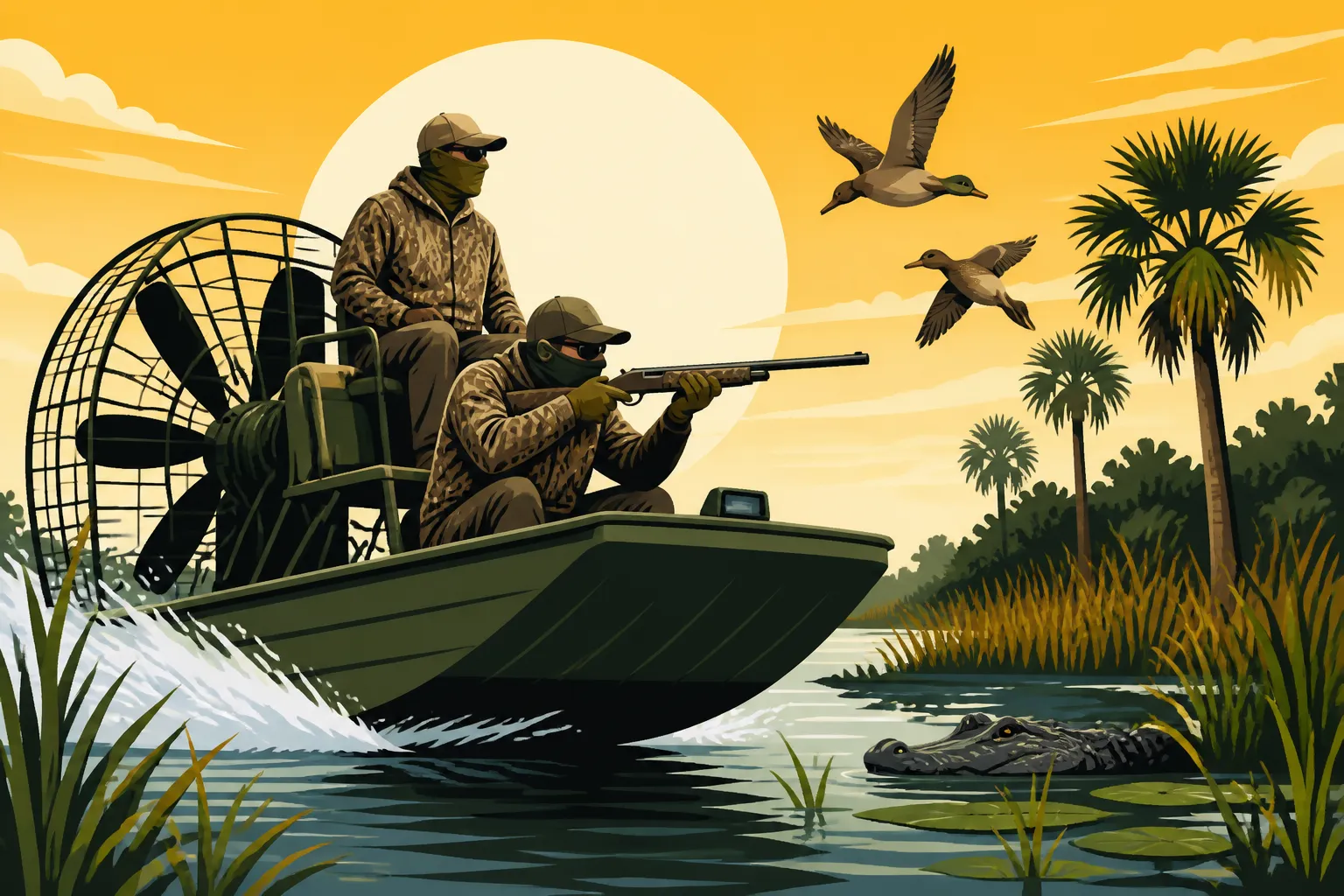
Airboat guides specializing in waterfowl hunting can ferry you and your gear—decoys, blinds, and shotguns—deep into remote marshes or flooded timber. They'll know the flight paths, roosting areas, and feeding grounds that are often far from any conventional access point. Once in position, the airboat can be hidden, and hunters can set up blinds or hunt from strategically placed natural cover. This minimizes hunting pressure on birds and often leads to more productive shoots, offering access to undisturbed birds that rarely see human activity. Imagine having a guide deliver you to a hidden honey hole filled with wood ducks, all thanks to the power and versatility of an airboat.
The Airboat Experience: More Than Just Transportation
Riding an airboat through the Florida wilds is an experience in itself, a thrilling adventure that complements the hunt. It's not just a means to an end; it's an integral part of the overall journey.
The Thrill of the Ride Itself
There's something incredibly exhilarating about skimming across the surface of the water, mud, and vegetation at speed, the wind in your face, and the roar of the engine behind you. An airboat ride is an adrenaline rush, especially when navigating tight turns or sliding over dense patches of sawgrass. It offers a unique perspective of the Florida wilderness, allowing you to cover vast distances quickly and witness the landscape unfold in a way you never could by foot or traditional boat.
For many, the airboat ride itself is a highlight of the trip. It’s an immersion into a truly wild environment, far from roads and city noise. You feel the raw power of the machine, but also the delicate balance it strikes as it glides over terrain that seems utterly impassable. This initial journey sets the tone for the entire hunt, building anticipation and providing memories long after the shot is fired.
Spotting Game From the Airboat
While the airboat is loud when running at full throttle, skilled guides know how to use it strategically for spotting game. Often, they'll cruise at a moderate speed, allowing passengers to scan the marsh edges, palmetto islands, or tree lines for signs of activity. The elevated seating position on an airboat gives you a much better vantage point than being on foot or in a low-profile boat, allowing you to see further into the vegetation.
Once game is spotted, a good guide will cut the engine, allowing the boat to glide silently or drift towards the target area. This approach can be incredibly effective for surprising hogs, spotting a basking alligator, or locating ducks hidden in the reeds. It’s a dynamic form of hunting that combines rapid movement with periods of stealth and observation, making for a truly engaging experience.
Setting Up for the Shot in Remote Spots
One of the key advantages of an airboat is its ability to deliver you and your gear to incredibly remote and strategic locations for setting up a hunt. Whether it's a small, dry hammock island deep in a swamp perfect for a ground blind, a secluded bend in a slough where hogs frequently cross, or a hidden pond ideal for duck decoys, the airboat makes these logistics simple.
Once you reach the designated spot, the guide will help you disembark safely and establish your hunting position. They know the terrain well enough to advise on the best approach, considering wind direction, cover, and the animal's likely escape routes. This seamless transition from high-speed travel to stealthy setup means you spend more time hunting in prime spots and less time struggling with access, maximizing your chances of success.
Choosing the Right Airboat Hunting Guide
Finding the right airboat hunting guide is crucial for a successful and enjoyable trip. Not all guides are created equal, and doing your homework can save you a lot of disappointment and ensure a memorable experience.
Vetting Credentials and Experience
The first thing you want to look at is the guide's experience and reputation. How long have they been guiding airboat hunts in Florida? Do they specialize in the game species you're targeting? A guide with decades of experience navigating a specific WMA like Green Swamp Wilderness Preserve Hunting will have invaluable local knowledge that a newer guide simply won't possess. Ask for references from past clients, and don't hesitate to check online reviews on hunting forums or platforms like BookYourHunt or GoHunt. These platforms often provide a wealth of feedback from hunters who have used various outfitters.
Beyond general experience, inquire about their specific qualifications. Are they licensed by the state (if required for their operation)? Do they have proper insurance? Are they certified in first aid and CPR? A professional guide will be transparent about their credentials and prioritize safety above all else. Remember, you're putting your safety and success in their hands in a potentially remote and challenging environment.
Understanding Package Inclusions and Costs
Airboat hunting packages can vary wildly in what they include. Some might be a basic half-day trip focused solely on getting you to and from a hunting spot, while others might be multi-day, all-inclusive affairs with meals, lodging, and even processing services. Before booking, get a detailed breakdown of everything that is (and isn't) included. Don't be shy about asking questions.
Consider:
- Duration of the hunt: Is it a half-day, full-day, or multi-day trip?
- What game is included? Some guides offer combo hunts for multiple species.
- Gear: Do they provide firearms, ammunition, fishing equipment (for alligators), or decoys? Or do you need to bring your own?
- Licenses and permits: Does the package include the cost of your Florida Hunting Licenses and What They Cost or specialized permits like an alligator tag? Usually, these are separate.
- Meals and lodging: For multi-day trips, are these provided, or do you need to arrange them yourself?
- Processing: Will they help with field dressing, quartering, or even full processing of your game?
- Transportation: Beyond the airboat itself, do they offer transport to and from a local airport or lodging?
Make sure you understand the total cost, including any hidden fees or expected tips for the guide. A reputable guide will be upfront about all expenses.
The Importance of Communication and Expectations
Good communication with your guide before the hunt is absolutely essential. Discuss your experience level, physical capabilities, and what you hope to achieve from the hunt. Are you looking for a trophy, or primarily for meat? Do you prefer an active stalk or a sit-and-wait approach? Be realistic about your expectations, especially when it comes to success rates. Hunting is hunting, and there are no guarantees, especially with free-ranging animals.
A good guide will ask you these questions too, trying to tailor the experience to your preferences. They should also clearly explain the style of hunting you'll be doing, what the typical shot distances are, and what kind of physical exertion might be involved. If a guide is vague or promises a "guaranteed kill," that's a red flag. Look for someone who is honest about the challenges and rewards of hunting in Florida's unique environments. Platforms like GoHunt and BookYourHunt allow you to filter guides by species, location, and services, making it easier to match your expectations with a guide's offerings.
| Feature | Airboat Access (Guided) | Traditional Land/Boat Access (DIY or Partial Guide) |
|---|---|---|
| Terrain | Shallow, dense wetlands, swamps, marshes, dense cover | Open water, dry uplands, established trails, larger rivers |
| Game Access | Remote, less pressured animals (hogs, gators, ducks) | More accessible areas, potentially higher pressure |
| Speed/Coverage | Rapid travel over vast, impassable areas | Slower, limited by obstacles, requires more physical effort |
| Stealth | Loud when running; silent when drifting/engine off | Generally quieter (walking/paddling) |
| Expertise | Guide provides navigation, local knowledge, safety | Requires personal navigation, scouting, and local knowledge |
| Gear Required | Specialized gear often provided by guide | All gear (boat, vehicle, stands) is personal responsibility |
| Cost | Higher upfront cost for guide service | Lower upfront, but significant investment in personal gear |
| Physical Demands | Moderate (riding, short stalks); less slogging | High (walking, carrying gear, navigating difficult ground) |
| Safety | Guide handles risks; specialized emergency gear | Personal responsibility for safety and emergency prep |
Preparing for Your Airboat Hunt
Once you've booked your airboat hunting adventure, it's time to prepare. Florida's environment demands specific considerations, and being well-prepared can significantly enhance your experience.
Essential Gear and Clothing Considerations
Florida's climate, even during hunting season, can range from warm and humid to surprisingly chilly after a cold front. Layering is always a good idea. Think lightweight, moisture-wicking clothing that dries quickly. Camouflage patterns appropriate for green, marshy environments or dark colors for night hunting (like alligator or night hog hunts) are ideal. Long sleeves and pants are highly recommended to protect against sun, insects, and abrasive vegetation.
Crucially, hearing protection is an absolute must when riding an airboat. The engines are incredibly powerful and loud. Many guides will provide ear protection, but it's wise to bring your own high-quality earplugs or muffs. Additionally, bring sturdy, waterproof boots that can handle mud and wet conditions, as you'll likely be getting in and out of the boat in damp areas. Don't forget bug spray, sunscreen, a wide-brimmed hat, and polarized sunglasses to cut glare off the water. If hunting hogs or deer, blaze orange might be a requirement depending on the specific WMA or private land rules. Ensure you check the Florida Blaze Orange Requirements for your hunt location.
Physical Demands and Expectations
While an airboat does much of the heavy lifting in terms of covering distance, airboat hunting is not always a completely sedentary experience. You might need to quickly disembark and move through dense vegetation, wade through shallow water, or assist with loading game. If you're hog hunting, there can be periods of quick movement or even a short, intense stalk. Alligator hunting involves wrestling a powerful animal, which requires significant strength and stamina.
Be honest with your guide about your physical condition. If you have mobility limitations, discuss them beforehand so they can tailor the hunt or set realistic expectations. While the airboat reduces strenuous walking, you should still be prepared for some physical exertion, especially if you plan on harvesting a large hog or alligator and assisting with its recovery.
Licenses, Permits, and Legalities
Before you even step foot on an airboat, ensure all your licenses and permits are in order. You'll need a valid Florida hunting license, and potentially additional permits depending on the species and location. For example, a WMA (Wildlife Management Area) permit might be required if you're hunting on public land, even if guided. The Florida WMA Management Area Permit is a common requirement.
For specific species like alligators, you'll need a special permit obtained through a lottery system. If your guide is providing the permit, confirm this well in advance. Always carry proof of your licenses and permits, either physically or digitally on your phone. Understand the bag limits, shooting hours, and legal weapons for the species you're pursuing. Your guide should be well-versed in these regulations, but it's ultimately your responsibility as a hunter to be compliant. Ensure you're familiar with regulations like Florida's Year-Round Hog Hunting Rules and Florida Deer Reporting Requirements if applicable.
Safety First: What to Expect on an Airboat Hunt
Safety is paramount on any hunting trip, but especially when operating in remote, wild Florida environments on a powerful machine like an airboat. A good guide will always prioritize your safety.
Pre-Hunt Briefings and Safety Gear
Before you even start the engine, your guide should provide a thorough safety briefing. This will cover everything from how to properly board and disembark the airboat, what to do in case of an emergency, and specific instructions for handling firearms or alligator harvesting equipment on board. Pay close attention to these instructions; they are critical for a safe experience.
You'll be provided with and instructed to wear appropriate safety gear. This invariably includes personal flotation devices (PFDs) or life vests, which are legally required and crucial when operating over water. As mentioned, hearing protection is non-negotiable due to the extreme noise levels of the airboat engine. Depending on the conditions, they might also provide eye protection. Never hesitate to ask questions if you are unsure about any safety procedure or piece of equipment.
Navigating Shallow Water and Obstacles
Airboat operation requires significant skill and experience, especially in the variable terrain of Florida's wetlands. Your guide will demonstrate their expertise in navigating shallow water, dense vegetation, and submerged obstacles that could easily damage a less specialized vessel. They know how to "read" the water and terrain, avoiding hazards like cypress stumps, logs, or unseen changes in depth.
While the ride can be thrilling, it's also controlled. A skilled airboat operator understands the limits of their craft and the environment. You might experience exhilarating slides or swift movements, but these are part of the normal operation of an airboat in its element. Trust your guide's judgment when it comes to speed and direction, as they are making continuous assessments of the conditions.
Emergency Preparedness
A professional airboat guide will be prepared for various emergencies. This includes having a well-stocked first-aid kit, communication devices (satellite phone or marine radio, as cell service is often nonexistent in these remote areas), and extra fuel. They should also have a plan for mechanical breakdowns, which can happen with any vehicle, especially in rugged conditions. This might involve spare parts, repair tools, or a protocol for calling in assistance.
In the unlikely event of an emergency, remain calm and follow your guide's instructions. Their experience in these environments means they are the best equipped to handle unforeseen situations. Knowing that your guide is prepared and has a comprehensive emergency plan in place allows you to relax and fully enjoy the unique hunting adventure that an airboat provides in the wilds of Florida.
Disclaimer
This article is for general informational purposes only and does not constitute professional advice. Laws, prices and regulations vary by location and change over time. Consult a qualified professional for guidance on your specific situation.