Semi-Guided Versus Fully Guided Cost Difference
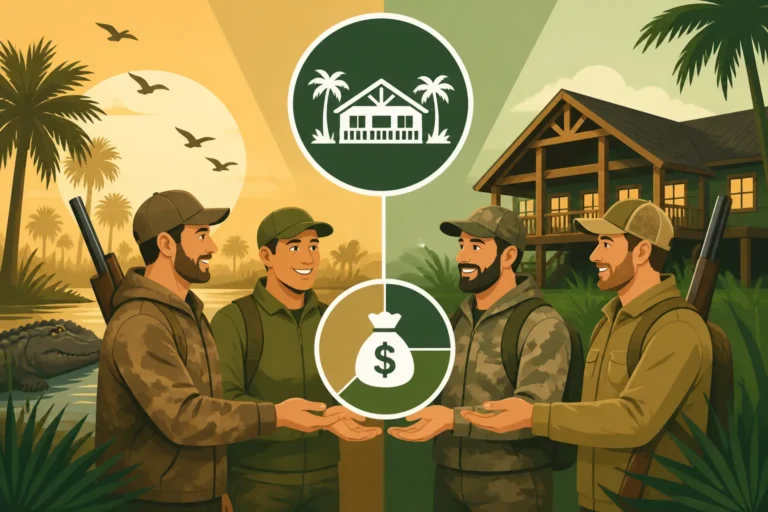
Oh, the age-old dilemma when you're dreaming of a Florida hunting adventure: how much is this really going to cost, and what am I actually getting for my money? It’s enough to make your head spin, especially when you start looking at all the different guide services out there. You see "fully guided" and "semi-guided" and immediately wonder if one is just a fancy way of saying "more expensive." Well, it's not quite that simple, and understanding the real cost difference isn't just about the dollar amount; it's about what kind of experience you're looking for and how much of the heavy lifting you want to do yourself. This guide will help you unpack those differences so you can make an informed decision for your next hunt, ensuring you get the most bang for your buck, or rather, the most hog for your dollar!
Understanding the Core Differences in Service
When you're sifting through potential outfitters for your Florida hunting trip, the terms "fully guided" and "semi-guided" pop up constantly. On the surface, it seems clear – one has a guide, the other doesn't. But in the world of Florida hunting, it's a bit more nuanced than that. It’s not just about a person walking with you; it's about the entire package of support, logistics, and expertise that comes with each level of service.
What a Fully Guided Hunt Truly Offers
Imagine showing up to a camp, your bags are whisked away, and a hot cup of coffee is waiting. That's often the vibe of a fully guided hunt here in Florida. This option is designed for maximum convenience and minimal stress on your part. When you book a fully guided experience, you’re not just paying for a guide to point you in the right direction; you’re investing in an all-encompassing service that takes care of almost every detail from the moment you arrive until you depart.
Typically, a fully guided hunt includes active, hands-on guiding throughout your trip. This means your guide has likely scouted the area extensively before you even got there, knowing where the Florida Deer Density by Region might be highest or where the prime turkey roosts are. They'll take you to the stand or blind, help you set up, and often stay with you, calling for turkeys or rattling for bucks. They're there to assist with shot placement, tracking, and even field dressing. For many hunters, especially those traveling from out of state or those new to hunting Florida's unique terrain, this level of expertise is invaluable. Think about trying to track a deer in sandy Florida soil or recovering one from a cypress slough – having an experienced local guide is a game-changer. Beyond the hunting itself, these packages frequently include lodging, meals, and transportation around the hunting property. Some even throw in initial meat processing or taxidermy prep. It's the kind of experience where you can truly focus on the hunt itself, leaving the logistics to the pros.
The "Hands-Off" Appeal of a Semi-Guided Hunt
Now, a semi-guided hunt takes a different approach, offering a balance between independence and support. It's ideal for the hunter who wants more autonomy but still appreciates having some local insight and basic amenities handled. With a semi-guided trip, the outfitter provides the essentials, but you, the hunter, are expected to take on a more active role in the actual hunting process.
What does this typically mean in Florida? You'll usually get access to private land or a leased tract that the outfitter manages. They'll often provide a map of the property, point out general areas where game has been seen, and sometimes even have stands or blinds already set up. Lodging might be included, perhaps a cabin or bunkhouse, but meals are usually on you. Transportation around the property might involve using your own vehicle (if allowed) or getting dropped off at a designated area. The key difference is the lack of a guide actively hunting with you. You're responsible for your own calling, stalking, tracking, and field dressing. This is where your own knowledge of Wind and Thermals in Flat Florida Terrain or how to Stalking an Alligator on a Freshwater Lake comes into play. It's an excellent option for experienced hunters who are confident in their abilities and prefer to make their own decisions in the field, or for those familiar with Hunting Florida Palmetto Flatwoods but just need legal, managed access to good ground. While it’s more "hands-off" from the outfitter, it's very much "hands-on" for you.
Breaking Down the Cost Components
The price tag is often the first thing that catches our eye when planning a hunting trip. While fully guided hunts almost always carry a higher sticker price upfront, it’s essential to look beyond that initial number and understand what each dollar is actually buying you. There's a lot that goes into the cost of a hunting trip, and knowing where your money is going can help you appreciate the value of each option.
The Investment in a Fully Guided Experience
When you see the price for a fully guided hunt, it reflects the comprehensive nature of the service. You're essentially paying for peace of mind and convenience. A significant portion of the cost covers the guide's wages and their extensive knowledge. These are individuals who often spend countless hours scouting before the season, setting up blinds, checking trail cameras, and understanding the intricate patterns of Florida game species like Osceola Turkeys in Peninsular Florida. Their expertise, built over years of experience in the specific hunting area, is invaluable.
Beyond the guide's time, the cost covers a host of other expenses for the outfitter. This includes providing and maintaining high-quality equipment (like UTVs, stands, blinds, and sometimes even specialized gear for things like Alligator Hunting Florida's Lakes and Rivers), managing and leasing the hunting property, ensuring liability insurance, and covering the overhead of lodging and food services. For a nonresident hunter, a fully guided trip can be particularly appealing because it often bundles many of the logistical challenges of hunting in an unfamiliar state into one convenient package. You might also find these services beneficial when considering specific species or premium hunts, like the elusive Osceola turkey, where local knowledge can dramatically increase your chances of success. The investment often translates to a higher success rate and a more enjoyable, stress-free hunting vacation.
Where Semi-Guided Hunts Save You Money
Conversely, semi-guided hunts typically have a lower upfront cost, primarily because they shift more of the responsibility and associated expenses onto the hunter. The outfitter's overhead is significantly reduced since they're not providing constant supervision, meals, or the same level of logistical support.
The savings come from a few key areas. First, you're paying less for direct guide labor. The outfitter might spend an hour showing you the ropes or giving you an aerial map overlay on your phone, but they aren't dedicating every hour of your hunt to you personally. Second, the cost of lodging and meals is often either excluded or provided in a more basic, shared camp setting, meaning you bring your own groceries and cook your own food. This alone can cut down expenses considerably. Third, you're often responsible for your own transportation around the hunting property, which means less fuel and vehicle wear and tear for the outfitter. For hunters who already own their gear, are comfortable with navigation, and enjoy the self-reliance of a DIY hunt, these cost savings are a major draw. It allows access to quality hunting ground without the premium price tag of an all-inclusive experience. However, it's important to remember that these savings are often offset by your own investments in time, equipment, and personal effort.
| Feature | Fully Guided Hunt | Semi-Guided Hunt |
|---|---|---|
| Guide Presence | Active, hands-on guidance throughout the hunt | Minimal, initial orientation and property advice only |
| Scouting | Done extensively by guide before and during hunt | General intel provided; hunter does own detailed scouting |
| Gear/Equipment | Often provided (stands, blinds, calls, etc.) | Hunter typically provides own gear |
| Lodging | Usually included (lodge, cabin) | Sometimes included (basic bunkhouse), or self-arranged |
| Meals | Often included | Hunter provides own meals |
| Transportation | Provided on property | Hunter often uses own vehicle or walks |
| Field Dressing | Guide assists or performs | Hunter performs |
| Tracking | Guide assists or performs | Hunter performs |
| Local Expertise | Extensive, actively applied during hunt | Shared initially, hunter applies it independently |
| Overall Cost | Higher upfront | Lower upfront |
| Hunter Effort | Lower, focus on hunting | Higher, self-reliant |
When to Choose Each Option (Beyond Just Price)
Deciding between a semi-guided and fully guided hunt isn't solely about the dollar signs. It's deeply personal, hinging on your experience level, hunting style, desired comfort, and even the specific game you're after here in Florida. Sometimes, the added cost of a fully guided trip isn't just a luxury; it's a strategic investment in a successful and enjoyable experience. Other times, the independence of a semi-guided hunt is precisely what makes the trip memorable.
Situations Favoring a Fully Guided Hunt
There are definitely times when shelling out for a fully guided hunt just makes sense, especially in a state like Florida with its unique challenges. If you're a first-time hunter in Florida, or even a seasoned hunter new to the state, the learning curve can be steep. Our palmetto thickets, cypress swamps, and pine flatwoods are nothing like the deer woods up north. A guide can teach you about Hunting a Florida Green Swamp Slough or Where Florida Bucks Bed in Thick Palmetto, saving you days of frustration.
Consider a hunt for a specific trophy, like an Osceola turkey, which requires specialized calling and deep knowledge of their habits in Florida's unique habitat. Or perhaps you're a non-resident with limited time, wanting to maximize your chances on a guided Florida hog hunt or Booking a Guided Florida Deer Hunt. A fully guided trip removes all the logistical headaches – from understanding Florida Hunter Education Requirements to navigating unfamiliar roads and setting up camp. Many outfitters specializing in these experiences are easy to find on platforms like BookYourHunt or GoHunt, where you can compare what each package truly offers. You just show up, ready to hunt, and let the guide handle the rest. This also applies if you prefer a higher level of comfort, with provided meals and comfortable lodging after a long day in the field.
When a Semi-Guided Hunt Makes Sense
For the more independent and experienced hunter, a semi-guided trip often hits that sweet spot. If you've hunted Florida before, understand the terrain, and are confident in your own scouting and hunting abilities, a semi-guided option can be incredibly rewarding. It provides access to prime hunting ground that you might not otherwise get, without the constant presence of a guide.
This option is perfect for those who thrive on the challenge of "doing it themselves" and enjoy the process of Scouting Florida Public Land Before Season (or private land, in this case), setting their own stands, and making their own tactical decisions. If you're hunting smaller game, or perhaps chasing hogs without a bag limit, where the pressure for a trophy isn't as intense, a semi-guided trip offers fantastic value. It allows you to use your own equipment, apply your own knowledge, and create a truly personalized hunting experience. It's also a fantastic choice for those on a tighter budget who still want the advantage of hunting managed land but are willing to put in the legwork. Plus, you might find that you learn even more about Reading Aerial Photos for Florida Deer and applying that knowledge when you're fully immersed in the decision-making process.
Hidden Costs and Unexpected Savings to Consider
The sticker price is rarely the final price when it comes to hunting trips. Both fully guided and semi-guided hunts come with their own set of potential hidden costs and unexpected savings that can significantly impact your overall budget. It’s crucial to factor these in as you’re making your decision, so you don’t get caught off guard.
Potential Additional Expenses for Fully Guided Hunts
Even with an "all-inclusive" fully guided package, there are almost always expenses that aren't covered, and it's vital to budget for them. The biggest one that often gets overlooked is tipping your guide. A professional guide works incredibly hard, often from before dawn until well after dark, to ensure you have a safe and successful hunt. Standard tips can add a significant percentage to your overall cost, and it's a customary part of the experience. Be sure to research typical rates for Tipping a Florida Hunting Guide.
Beyond that, you'll need your Florida Hunting Licenses and What They Cost and any necessary permits, like the Florida WMA Management Area Permit if you ever hunt public lands, which are rarely included in outfitter fees. Transportation to and from the lodge (flights, gas for your vehicle), gratuities for camp staff, and any extra purchases at the lodge (like merchandise or additional tags) can add up. Then there are the costs after the hunt: meat processing (especially for larger game like a deer or hog), taxidermy for a trophy, and shipping those items home. These post-hunt expenses can be substantial, so inquire about Processing Meat Near a Florida Hunting Camp before you go.
The True Cost of "Saving Money" on a Semi-Guided Trip
While semi-guided hunts boast a lower upfront cost, it's easy to underestimate the "hidden" expenses and the value of your own time. The biggest "cost" here is often your own effort and expertise. You'll be spending more time scouting, navigating, setting up, and doing all the things a guide would normally handle. If your time is valuable, this "saving" might not be as significant as it first appears.
Then there's the gear. If you're new to hunting or don't have a complete setup, you might need to purchase your own stands, blinds, calls, tracking lights, and even a cooler large enough for your harvest. These purchases can quickly eat into the savings compared to a fully guided trip where much of this is provided. Additionally, if lodging isn't included, you'll be on the hook for hotels, campgrounds, or cabin rentals. Meals become your responsibility, meaning grocery bills and cooking time. Furthermore, if you're not proficient in tracking, field dressing, or navigating in Florida's unique environments, the "savings" could lead to a less successful or more stressful hunt. For example, Hunting a Cypress Head at Last Light without knowing the best exit routes can be disorienting. Weigh the financial savings against the extra planning, effort, and equipment you'll need to bring to the table.
Disclaimer
This article is for general informational purposes only and does not constitute professional advice. Laws, prices and regulations vary by location and change over time. Consult a qualified professional for guidance on your specific situation.