Booking a Guided Florida Deer Hunt
The allure of pursuing a Florida whitetail is strong, but for many, especially those new to the Sunshine State's unique hunting environment or from out of state, the sheer diversity of landscapes and regulations can feel overwhelming. From deciphering which of Florida's four deer management zones you should target, to understanding the varying rut dates, or simply securing quality access, the path to a successful hunt often feels like a winding, palmetto-choked trail. This comprehensive guide is designed to cut through that complexity, walking you step-by-step through the process of booking a guided Florida deer hunt, equipping you with the knowledge to make informed decisions and ultimately, create a memorable hunting experience.
Why Consider a Guided Florida Deer Hunt?
Let's face it, hunting Florida isn't like hunting the Midwest or the mountains out West. We have our own unique challenges and rewards here, and navigating them can be a real head-scratcher without some local insight. For many, a guided hunt isn't just a luxury; it's a practical decision that can significantly improve your odds and overall experience, especially when dealing with the state's diverse and often subtle deer habitat.
Navigating Florida's Unique Deer Hunting Landscape
Florida's whitetail deer are a fascinating game animal, adapting to everything from vast cypress swamps to dense pine plantations and scrubby palmetto flatwoods. This isn't big woods hunting where you glass clear-cuts for miles. Our deer are often smaller-bodied than their northern cousins, but they're incredibly adept at disappearing into thick cover, making them a true challenge. The sheer variety of terrain means that what works in the Panhandle might be completely useless in the Everglades. Furthermore, Florida has four distinct deer management zones, each with its own specific season dates and nuances regarding the timing of the rut. Understanding these variations and how they affect deer behavior is crucial. For example, the rut in Zone A (Northwest Florida) can be vastly different from Zone C (South Florida), which dictates entirely different hunting strategies. Without a guide who lives and breathes that specific area, you could spend days simply trying to figure out where to even begin looking, let alone understanding how to approach the deer. Florida's Four Deer Management Zones Explained can give you a deeper dive into these specifics.
Access to Private Land and Managed Herds
One of the biggest hurdles for any hunter, resident or nonresident, is gaining access to quality hunting ground. Florida has an abundance of public land, which is fantastic, but these areas often see significant hunting pressure and can be incredibly challenging to hunt successfully. Finding mature bucks on public land usually means a lot of scouting, walking miles away from roads, and accepting that you might go home empty-handed. This is where a guided hunt really shines. Most reputable Florida deer outfitters operate on large tracts of private land that are specifically managed for wildlife. These lands often have controlled access, supplemental feeding programs (where legal), food plots, and strict harvest management practices designed to grow bigger, healthier deer. Think about it: a guide has spent years, sometimes decades, cultivating relationships with landowners and investing in the property. They know where the deer typically bed, their travel corridors, and the specific food sources they'll be hitting at different times of the season. This kind of privileged access is nearly impossible to secure on your own, making the guided option a significant advantage for those seeking a higher probability of success or a specific class of animal.
Expertise and Local Knowledge
There's no substitute for local knowledge, especially in a state as ecologically diverse as Florida. A seasoned Florida deer guide brings a lifetime of experience to your hunt. They understand how factors like recent rainfall, temperature fluctuations, and even specific moon phases can influence deer movement in their particular hunting area. They know which oak trees are dropping acorns, where the wild persimmons are ripe, or which cypress sloughs offer ideal bedding cover when the weather turns warm. They can read subtle sign that an unfamiliar hunter might completely miss, like the barely-there track in sandy soil or a faint rub on a palmetto frond. Beyond just finding deer, a good guide understands the nuances of calling, stand placement, and approach tactics tailored to Florida's unique conditions. They can teach you about the specific behaviors of White-Tailed Deer Across Florida in their region and provide insights that will not only help you on your current hunt but also make you a more knowledgeable hunter in the long run. Their expertise is an invaluable resource, turning what could be a frustrating week of trial and error into a focused and productive hunting experience.
Types of Guided Florida Deer Hunts
When you start looking into guided deer hunts in Florida, you'll quickly realize it's not a one-size-fits-all situation. Just like our diverse landscape, the hunts themselves come in different flavors, each with its own set of expectations, challenges, and price points. Understanding these differences is key to choosing the right experience for you.
Free-Range Deer Hunts
Free-range guided hunts in Florida are about as close to traditional hunting as you can get, but with the added benefit of a guide's expertise and often, private land access. These hunts take place on large tracts where deer can roam freely, crossing property lines and facing natural pressures. They are truly wild animals, and harvesting one in this setting can be incredibly rewarding. Outfitters offering free-range hunts typically have access to thousands of acres of private timberland, ranchland, or agricultural properties. Some may even guide on vast public lands like Wildlife Management Areas (WMAs) or National Forests, though this is less common for guided deer hunts due to the nature of public land draw hunts and access challenges.
On a free-range hunt, your guide will put you in areas they've scouted thoroughly, whether it's a stand overlooking a food plot, a strategically placed ground blind near a known travel corridor, or still-hunting through a palmetto thicket. Success often hinges on deer movement, weather conditions, and, of course, a bit of luck. The deer are wild, smart, and often nocturnal, making the hunt a genuine challenge. Expectations for trophy size might be more realistic here, as you're dealing with naturally occurring populations. While some Florida free-range properties can produce exceptional bucks, it's generally understood that the average antler size might be smaller compared to more intensively managed, high-fence operations. However, the thrill of outsmarting a truly wild Florida whitetail on its home turf is unmatched. Booking a Free-Range Florida Deer Hunt delves deeper into the specifics of these types of opportunities.
High-Fence Deer Hunts
High-fence hunts, often referred to as "preserves" or "ranches," offer a very different experience. These operations take place on private land enclosed by a perimeter fence, which can range from hundreds to thousands of acres. The primary goal of many high-fence operations is to provide hunters with a high probability of harvesting a mature deer, often with impressive antler genetics. The deer within these fences are still wild animals, exhibiting natural behaviors, but their movement is confined to the property, and their genetics and nutrition are often carefully managed.
For some hunters, especially those with limited time, physical constraints, or who are specifically looking for a trophy-class animal, a high-fence hunt can be an excellent option. The success rates are typically very high, and you often have the opportunity to scout specific animals with your guide before the hunt. This type of hunting can involve stand hunting, spot-and-stalk, or even drives, depending on the outfitter and the terrain. It's crucial to understand what you're getting into, as the ethical considerations around high-fence hunting are often debated in the hunting community. While it's a legal and regulated practice in Florida, it's important to align your personal hunting ethics with the type of hunt you choose. Outfitters like those found on platforms such as BookYourHunt often clearly delineate between free-range and high-fence options, allowing you to filter based on your preference. You can learn more by reading Booking a High-Fence Florida Deer Hunt.
Semi-Guided and Full-Service Packages
Beyond the type of land, guided hunts also vary in the level of service provided. This directly impacts the price and how much independent hunting you'll actually do.
-
Semi-Guided Hunts: These are often a good middle-ground for hunters who want some assistance but also enjoy a bit of self-sufficiency. In a semi-guided scenario, the outfitter might provide access to private land, show you to pre-scouted areas or stand locations, and offer advice on deer movement. They might even help with game retrieval. However, once you're in your stand, you're largely on your own for the duration of the hunt. Meals and lodging might be included, or they might be "do-it-yourself." This option is typically more affordable than a fully guided experience and appeals to hunters who feel comfortable making their own decisions in the field after a solid setup.
-
Full-Service Packages: As the name suggests, these hunts include everything. From the moment you arrive, your guide is with you every step of the way. This typically means transportation to and from hunting areas, personalized stand placement, field dressing, game retrieval, and often, meals and comfortable lodging. Many full-service packages also include professional caping for taxidermy and cooler space for your meat. This option is ideal for hunters who want a completely immersive and worry-free experience, allowing them to focus solely on the hunt. It's also fantastic for new hunters who want to learn the ropes from an experienced professional. When researching, pay close attention to the "inclusions" list provided by outfitters, perhaps on sites like GoHunt, to ensure the package aligns with your expectations and budget. The price difference between these two service levels can be significant, so understanding what you're paying for is paramount.
Understanding Florida's Deer Hunting Zones and Seasons
Florida's deer hunting landscape is unlike many other states, primarily due to its elongated geography and varying ecological zones. This means that understanding the specific zone you'll be hunting in, along with its unique season dates and regulations, is absolutely critical for any guided hunt. What might be legal and productive in one part of the state could be entirely different just a few hundred miles away.
Zone-Specific Rut and Season Dates
Florida is divided into four distinct deer management zones: A, B, C, and D. Each of these zones has its own specific opening and closing dates for archery, muzzleloader, and general gun seasons. More importantly, the timing of the deer rut, which is the breeding season, varies significantly between these zones. This variation is a huge factor in hunting success, as deer movement and behavior are drastically different during the rut.
- Zone A (Northwest Florida): Generally the earliest rut, often peaking in August and September. Its archery season starts in late July/early August, with gun season following shortly after.
- Zone B (North-Central Florida): Rut typically peaks in October/November. Archery season starts in September.
- Zone C (Central and South Florida): This is where things get interesting, with a very late rut that can peak anywhere from November to February, depending on the specific region within the zone. Archery season usually begins in September.
- Zone D (Southwest Florida): Often has a similar rut timing to parts of Zone C, extending late into the calendar year.
A guided hunt takes the guesswork out of this. Your outfitter will be operating in a specific zone and will know exactly when the prime hunting windows are based on the rut. They understand that When the Florida Rut Peaks by Zone is the most important piece of information for a successful hunt. If you're planning a trip, discuss these dates with your guide to ensure you're booking during a time that aligns with your hunting goals, whether that's early season patterns or the peak of the rut.
Weapons and License Requirements for Deer
Before you can even think about calling in a deer, you need to ensure you're legally equipped and licensed. Florida has specific requirements for hunting deer.
- Weaponry: Legal firearms for deer typically include centerfire rifles, shotguns (with slugs or buckshot, depending on the area and specific regulations), muzzleloaders, and archery equipment (bows, crossbows). There are minimum bullet diameter and gauge requirements, so always check the latest regulations. For example, Which Shotgun Gauges Florida Allows for Deer might be different than what you're used to.
- Licenses: Every hunter, resident or nonresident, needs a valid Florida hunting license. This usually includes a base hunting license, a deer permit, and often a management area permit if hunting on public lands (though many guided hunts are on private land, check with your outfitter). Nonresidents will pay a different fee structure than residents. It's crucial to understand Florida Hunting Licenses and What They Cost and purchase them well in advance. Your guide can often assist in advising you on the specific licenses required for your hunt, but ultimately, it's your responsibility to be compliant. You can usually purchase these online through the Florida Fish and Wildlife Conservation Commission (FWC) website or at licensed agents across the state.
CWD Considerations and Reporting
Chronic Wasting Disease (CWD) is a serious concern for deer populations nationwide, and Florida is actively monitoring its herd. While Florida has been fortunate to have minimal confirmed cases, hunters play a critical role in surveillance and prevention.
- Reporting Requirements: In Florida, all harvested deer must be reported to the FWC within 24 hours of harvest. This can typically be done online through their website or via a dedicated mobile app. Your guide will undoubtedly walk you through this process, but it's good to be aware of. Florida Deer Reporting Requirements details this process.
- CWD Management Zones: If you're hunting in or near an area designated as a CWD Management Zone (CMZ), there may be additional carcass transportation and testing requirements. As a guest on a guided hunt, your outfitter will be intimately familiar with any such zones and the protocols for handling harvested deer. They'll ensure you comply with all FWC rules, which might include mandatory CWD sampling at designated locations. This is not just about legality; it's about protecting Florida's precious deer herd for future generations. Staying informed and compliant is a shared responsibility.
| Feature | Free-Range Guided Hunt | High-Fence Guided Hunt |
|---|---|---|
| Land Type | Large tracts of private land (ranch, timber), sometimes public WMAs | Enclosed private land, typically hundreds to thousands of acres |
| Deer Population | Wild, naturally occurring, subject to external pressures | Wild, but confined and often genetically/nutritionally managed |
| Challenge Level | Higher, dependent on natural movement, weather, and luck | Moderate to high, but with a higher success probability |
| Trophy Potential | Good, but typically reflective of regional wild genetics and age structure | Excellent, often managed for larger antler growth |
| Success Rates | Varies greatly, lower than high-fence but still enhanced by guide | High, often near 100% on specific deer classes |
| Ethical Views | Widely accepted as traditional hunting | Debated by some, but legal and regulated |
| Cost | Varies, often less than comparable high-fence | Can be higher, especially for trophy-class animals |
| Experience | More emphasis on traditional hunting skills and tactics | Focus on specific trophy targets, often with more control |
What to Look for in a Florida Deer Hunting Outfitter
Choosing the right outfitter is arguably the most critical step in ensuring a successful and enjoyable guided deer hunt. It’s not just about finding someone with land; it’s about finding a reputable, experienced professional who aligns with your hunting style and expectations. This is where your due diligence really pays off.
Reputation and References
The first thing you should always look into is an outfitter's reputation. Don't just take their word for it. In today's connected world, there are ample resources to vet potential guides. Start by looking for online reviews and testimonials. Websites like BookYourHunt and GoHunt are excellent places to start, as they often feature verified reviews from past clients, detailed descriptions of packages, and clear photos. Pay attention to consistent themes in the reviews – are people praising the guide's knowledge, the quality of the animals, the food, or the lodging? Conversely, are there recurring complaints about poor communication, unexpected costs, or low success rates?
Beyond online platforms, ask the outfitter for a list of recent references. A reputable guide will be happy to provide contact information for past clients. When you call these references, ask specific questions:
- Did the hunt meet their expectations?
- Was the guide knowledgeable about the local deer behavior and habitat?
- Were there any hidden costs?
- How was the lodging and food (if included)?
- Would they hunt with this outfitter again?
- How was game handling and processing after the harvest?
Listen carefully to their responses. An honest and positive review from a recent client is invaluable. Be wary of any outfitter who hesitates to provide references or whose reviews seem overly generic or artificial.
Experience and Local Expertise
Florida deer hunting is niche, and you want a guide who lives and breathes it, not someone who occasionally guides deer hunts between fishing charters. Their experience should be specific to deer and to the particular region of Florida you intend to hunt. Ask how long they've been guiding deer in that specific area. A guide with decades of experience in the same general locale will have an intimate understanding of the terrain, the local deer population, and how environmental factors impact deer movement. They'll know the difference between a buck rub from last season and a fresh one, or where deer typically bed down during a sudden cold front.
This local expertise also extends to managing the property. A good outfitter invests in their land through habitat improvement, food plot planting, and careful game management. They should be able to articulate their management philosophy and how it contributes to the quality of the hunting experience. For example, if you're looking for bigger bucks, ask about their age management goals and how they track the Florida Deer Population Estimate on their property. The guide's knowledge shouldn't just be about where to sit; it should encompass the entire ecosystem and the nuances of Why Panhandle Deer Grow Bigger Than South Florida Deer or vice-versa, depending on your target region. This deep, localized knowledge is what transforms a trip into a truly guided experience rather than just being dropped off at a stand.
Inclusions and Exclusions in Hunt Packages
This is where many hunters get caught off guard, leading to unexpected costs and frustration. Before booking, get a crystal-clear understanding of what is included in your hunt package and, just as importantly, what is not. Don't assume anything.
Typical inclusions might cover:
- Guiding services
- Access to private land
- Lodging and meals (check quality and type)
- Field dressing and basic game retrieval
- Transportation on the hunting property
However, common exclusions can include:
- Hunting licenses and permits: These are almost always your responsibility.
- Weapon rental or ammunition: Bring your own or arrange for rentals beforehand.
- Meat processing and taxidermy: While field dressing is often included, full processing or caping for a taxidermist usually costs extra. Your guide might recommend local services.
- Gratuities for your guide and staff: Tipping is customary and expected in the guiding industry. Clarify typical amounts beforehand.
- Travel to and from the lodge/hunting area: Factor in airfare, rental cars, or fuel costs.
- Alcoholic beverages: Sometimes provided, sometimes BYOB.
- Additional animals: If you want to hunt hogs or other game alongside your deer, it will almost certainly be an additional fee.
Ask for a written contract or detailed itinerary that outlines all these points. Reputable outfitters, especially those listed on platforms like GoHunt, will have very clear package descriptions. Don't be shy about asking questions until you understand every line item. This transparency upfront prevents unwelcome surprises down the road and ensures you know the total cost for What a Guided Florida Deer Hunt Costs before you commit.
Planning Your Guided Florida Deer Hunt
Once you've done your research and chosen an outfitter, the real planning begins. It's about more than just showing up; it's about preparing yourself, your gear, and your finances for a smooth and successful experience. Florida presents some unique planning considerations, from our notoriously warm weather to our specific terrain, so a little foresight goes a long way.
Budgeting and Booking Timelines
Budgeting for a guided hunt involves more than just the outfitter's fee. You need to factor in several other costs to avoid financial surprises.
- Outfitter Fee: This is the core cost of the hunt package itself. Be clear on what's included (lodging, meals, guide, etc.) versus what's extra (trophy fees, second animal, etc.).
- Licenses and Permits: As mentioned, you'll need to purchase your Florida hunting license and deer permits. These are separate from the outfitter's fee. Check the FWC website for current pricing on Florida Hunting Licenses and What They Cost.
- Travel Costs: Airfare, car rental, gasoline, and any overnight stays before or after the hunt can add up quickly, especially for nonresidents.
- Gear and Supplies: Do you need new camo, boots, insect repellent, or specialized optics for Florida's conditions?
- Meat Processing/Taxidermy: Decide whether you'll process your own meat or use a professional. If you get a trophy, factor in the cost of a taxidermist and potentially shipping the mount home.
- Gratuities: Tipping your guide and any lodge staff is customary. Budget a reasonable amount, typically 15-20% of the hunt cost, for your guide, depending on their performance and service.
- Miscellaneous: Snacks, drinks, souvenirs, or unexpected expenses.
Booking Timelines: Prime hunting dates, especially during the rut or opening weeks in popular zones, book up far in advance – sometimes a year or more out. If you have specific dates in mind or are targeting a popular outfitter, start planning and contacting them early. For a fall deer hunt, contacting outfitters in late winter or early spring of the same year is often a good idea. This also gives you ample time to save up and secure your spot. Don't wait until the last minute, especially if you're trying to coincide your hunt with peak rut activity in a specific zone.
Gear and Equipment for Florida Conditions
Florida's climate and terrain demand specific gear considerations that might differ from hunting in other states.
- Clothing: Forget heavy layers, unless you're hunting during an unusually cold snap in the northern zones. Florida is often warm, even in deer season. Lightweight, breathable, moisture-wicking clothing in camouflage patterns is essential. Long sleeves and pants are recommended not just for concealment, but also for protection from insects, thorns, and sun. You'll want quiet fabrics that don't rustle in the dense palmetto.
- Footwear: Comfortable, waterproof, and durable boots are critical. You might be walking through damp ground, cypress strands, or sandy areas. Good ankle support is a plus.
- Insect Protection: This cannot be overstated. Mosquitoes, ticks, and gnats are a constant presence. Pack plenty of insect repellent with DEET or picaridin, and consider permethrin treatment for your clothing. A head net can be a lifesaver in certain areas.
- Hydration: Always carry more water than you think you'll need. Florida humidity can be draining, and staying hydrated is key to stamina and focus.
- Optics: Binoculars are always useful for glassing clearings or dense cover. A rangefinder is also highly recommended.
- Weapon and Ammo: Ensure your firearm or archery equipment is sighted in and you're proficient with it. Bring enough ammunition for practice and the hunt itself.
- Basic Hunting Kit: Headlamp with a red light option, small first-aid kit, knife, scent control products, a small backpack, and any personal medications.
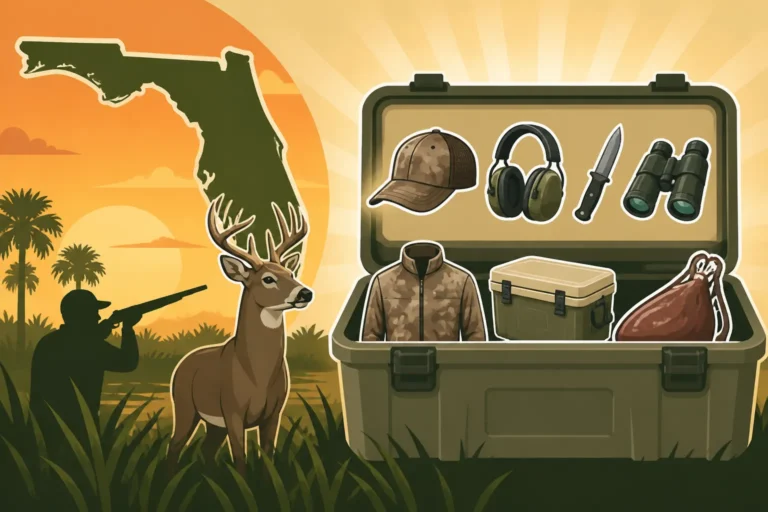
- Cooler: If you plan to take meat home, a good-quality cooler (or several) will be essential for keeping venison fresh, especially if you have a long drive.
Your outfitter can provide a more specific gear list tailored to their particular hunting grounds, so always check with them. They know what works best in their neck of the woods.
Physical Preparation and Expectations
While Florida deer aren't known for mountain climbing, hunting here can still be physically demanding. Long walks through soft sand, thick palmetto, or swampy terrain can wear you out quickly, especially in the heat and humidity.
- Physical Fitness: Start a walking regimen well before your hunt. Focus on endurance and leg strength. If you plan to still-hunt or stalk, practice moving slowly and quietly. You don't need to be an Olympic athlete, but a reasonable level of fitness will significantly enhance your enjoyment and effectiveness.
- Managing Expectations: Be realistic about the size of Florida deer. While trophy bucks exist, Why South Florida Deer Run Smaller is a real phenomenon, meaning the average deer harvested in many parts of the state might be smaller-bodied than those from states further north. The thrill here is often in the challenge of hunting these elusive animals in their unique habitat.
- Success Rates: Discuss success rates with your outfitter, but understand they are averages. Free-range hunts inherently have lower "guarantee" rates than high-fence operations. A reputable outfitter will be honest about their typical harvest numbers for the type of hunt you've booked. Don't go into a hunt expecting a guaranteed trophy; go in expecting a quality experience and the chance to pursue a magnificent animal. The joy is in the hunt itself, the camaraderie with your guide, and the opportunity to be immersed in Florida's wild places.
Maximizing Your Guided Hunt Experience
You've put in the time, the research, and the money to book your guided Florida deer hunt. Now, how do you ensure you get the most out of it? It boils down to communication, respect, and being prepared for the realities of the field. This isn't just about bagging a deer; it's about building a memorable experience.
Communication with Your Guide
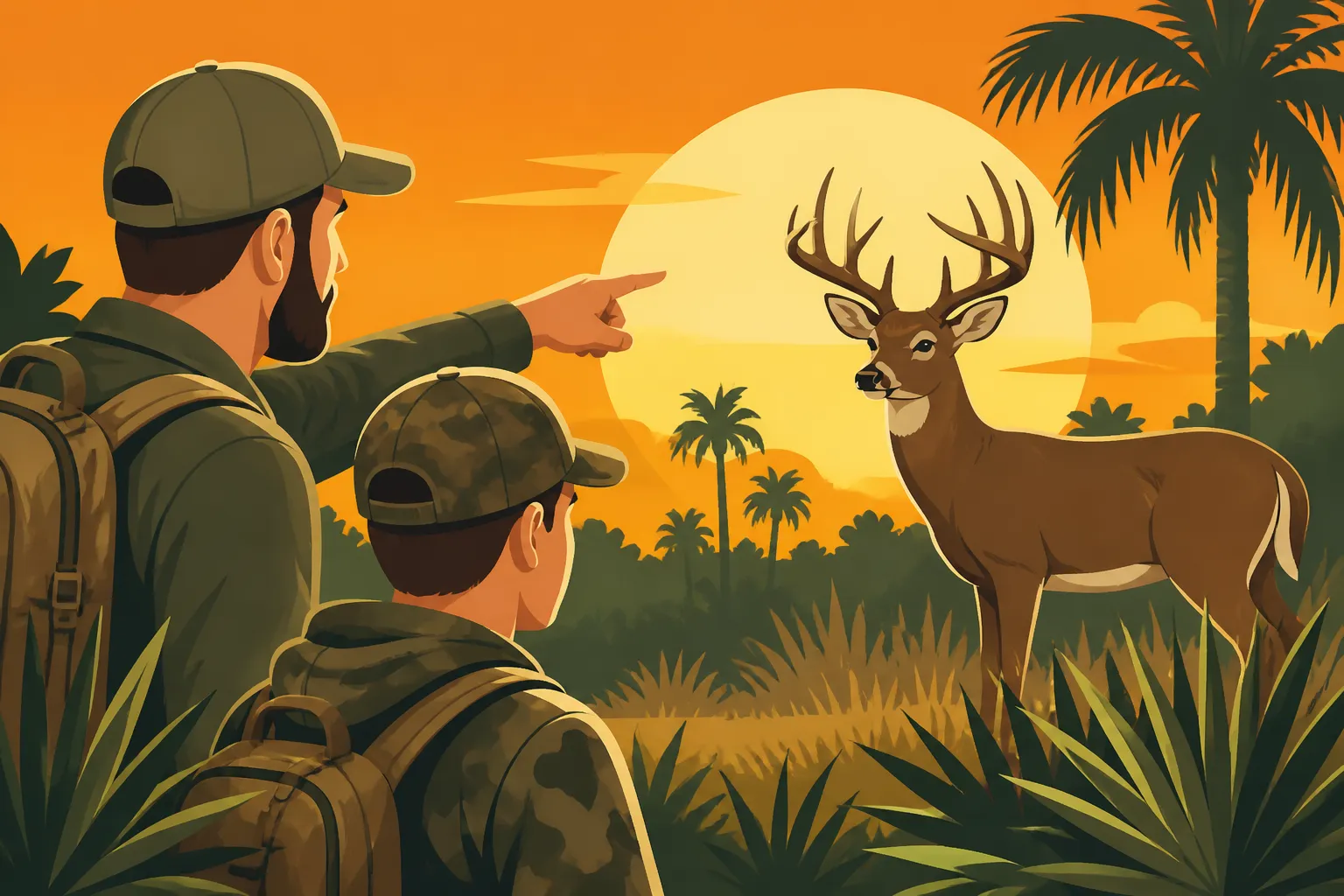
Effective communication with your guide starts long before you ever step foot in the woods. When you first book, clearly articulate your hunting goals and expectations. Are you primarily after meat, or are you holding out for a trophy buck? Are you interested in learning new hunting techniques, or do you prefer a more hands-off approach? The more your guide understands what you want, the better they can tailor the hunt to you.
Once on the hunt, maintain open and honest communication.
- Be clear about your physical limitations: If you can't walk five miles through dense scrub, tell your guide. They can adjust tactics or stand placements.
- Ask questions: Don't be afraid to ask why your guide is choosing a particular stand, or what sign they're seeing. This is an incredible learning opportunity. "Why are we sitting near this Hunting a Funnel Between Two Palmetto Heads today?" is a great question that can teach you a lot.
- Listen carefully: Your guide knows the property and the deer. Pay attention to their instructions regarding approach, stand entry/exit, shot placement, and what to do if you harvest an animal.
- Provide feedback: If something isn't working for you or you have a suggestion (respectfully offered), communicate it. A good guide will appreciate constructive input and want to ensure you have a good experience. Remember, they are working for you, but they are also experts in their field.
Ethical Hunting Practices and Trophy Care
As hunters, we are stewards of the land and its wildlife. Upholding ethical hunting practices is paramount, regardless of whether you're on a guided hunt or not.
- Fair Chase: Understand and adhere to the principles of fair chase. Your guide will ensure the hunt is conducted legally and ethically according to FWC regulations.
- Shot Placement: Strive for clean, humane kills. Practice extensively with your chosen weapon before the hunt to ensure you are confident in your shot placement under field conditions. If you wound an animal, work diligently with your guide to track and recover it. Your guide's expertise in Tracking a Deer in Sandy Florida Soil or even Blood Trailing After Dark in Florida will be invaluable here.
- Respect the Animal: After a harvest, treat the animal with respect. Your guide will assist with field dressing, but you can contribute by helping and learning.
- Trophy Care: If you harvest a trophy-worthy deer, discuss with your guide how you'd like it handled. They can typically cape the animal properly for a taxidermist. Make sure you have a plan for getting your trophy to a taxidermist or safely shipping it home. This often requires coordinating with your guide and understanding the logistics before the hunt begins.
Post-Hunt Logistics: Processing, Taxidermy, Travel
The hunt doesn't end when the shot is fired. There are important logistics to consider for your game.
- Meat Processing: Most outfitters will provide field dressing services. For full processing, you'll generally have a few options:
- On-site: Some lodges have facilities or a dedicated processor.
- Local Processor: Your guide will undoubtedly recommend a reputable local butcher.
- DIY: If you're staying locally and have the setup, you might opt to process it yourself.
Be prepared with coolers and ice, especially in Florida's warm climate. Think about Field Dressing a Deer in Hot Weather and how quickly meat can spoil if not handled properly.
- Taxidermy: If you plan to have your trophy mounted, discuss this with your guide. They can often do a basic cape for you and put you in touch with a local taxidermist. Plan how you will transport the cape and antlers home, especially if you're flying. This might involve freezing the cape and shipping it or bringing it as checked luggage, following airline regulations.
- Travel with Game: Understand the rules for transporting game, especially across state lines if you're a nonresident. This includes ensuring all parts are properly tagged and packaged. For example, if you're coming from a CWD surveillance zone, there might be specific regulations regarding carcass parts you can transport. Always check the latest FWC guidelines and consult your guide. Remember that reporting your deer through the FWC app is mandatory, and your guide will typically assist with this.
By staying proactive, communicative, and respectful throughout the entire process, you'll not only enhance your chances of success but also forge a valuable relationship with your guide and come away with a truly rewarding Florida hunting story.
Potential Challenges and How to Address Them
Even the best-planned guided hunts can encounter unexpected bumps in the road. Florida's unique environment, combined with the unpredictable nature of wild animals, means you should be prepared for various scenarios. Addressing these potential challenges proactively can save you a lot of stress and ensure a smoother trip.
Weather Variability
Florida is famous for its sunshine, but it's also famous for its unpredictable weather, which can significantly impact a deer hunt.
- Heat and Humidity: Even during peak deer season, it can be quite warm, especially in the central and southern zones. Deer tend to move less during the heat of the day, often becoming more nocturnal. Your guide will adapt by focusing on early mornings and late evenings, or targeting areas with heavy cover and water sources. Be prepared for Hot-Weather Sitting Strategy in Florida, which means packing appropriate clothing, staying hydrated, and using effective insect repellent.
- Rain and Storms: Sudden downpours are common. While a light rain can sometimes get deer moving, heavy rain or thunderstorms can shut down activity and make visibility difficult. Your guide will monitor weather forecasts closely and adjust the hunt schedule as needed. This might mean delaying a morning hunt or changing stand locations. Ensure your gear is waterproof, and have a plan B with your guide in case of severe weather.
- Cold Fronts: Conversely, Florida does get cold fronts, especially in the northern zones. Often, after a cold front passes, deer can become very active as temperatures drop. Your guide will know how to capitalize on this, perhaps by targeting certain food sources or travel corridors that deer will hit as they get on their feet. Learning about Hunting Deer After a Cold Front can give you an edge in understanding your guide's strategy. Always pack a few warmer layers, even if the forecast looks mild, just in case.
Discuss the outfitter's weather policy before you book. What happens if a hurricane rolls through or severe thunderstorms make hunting impossible for days? Some outfitters offer rebooking options, while others have strict cancellation policies.
Understanding Success Rates
Success rates are a tricky subject in hunting. While it's natural to want to know your chances, it's vital to interpret these numbers realistically.
- What "Success" Means: For some, success is harvesting a deer. For others, it's just seeing deer, enjoying the outdoors, or spending time with family and friends. Clarify your definition with your outfitter. A high "opportunity rate" (seeing legal deer) might be more important than a "harvest rate" if you're after a specific class of animal.
- Free-Range vs. High-Fence: As discussed, high-fence operations typically boast much higher harvest rates due to controlled populations and environments. Free-range hunts, by their very nature, are more dependent on wild deer behavior and unpredictable factors. A 50-70% success rate on a free-range hunt for a mature buck is often considered excellent.
- Factors Influencing Success: Weather, hunting pressure (even on private land), moon phase, and even your own shooting proficiency all play a role. Your guide provides the best possible opportunity, but they can't guarantee a harvest.
- Ask for Specifics: When an outfitter quotes a success rate, ask for clarification. Is it 100% opportunity? 100% harvest? For what type of deer? Over what period? Be wary of any outfitter who guarantees a harvest on a free-range hunt; it's simply not possible with wild animals. Focus on outfitters who are transparent and realistic about what you can expect from your hunt. Platforms like BookYourHunt often show aggregate success rates reported by hunters, which can provide a balanced perspective.
Cancellation Policies and Insurance
Life happens, and sometimes even the best-laid plans go awry. Understanding an outfitter's cancellation policy is crucial.
- Deposit and Refund Policies: Most outfitters require a non-refundable deposit to secure your booking. Understand the terms for any remaining balance and what happens if you cancel. Is there a cutoff date for a partial refund? Can you rebook for a later date or next season? Get these policies in writing before you pay anything.
- Outfitter Cancellations: What if the outfitter cancels due to unforeseen circumstances (e.g., severe weather, land access issues, personal emergency)? Reputable outfitters will usually offer to rebook or issue a credit for a future hunt. Discuss this possibility upfront.
- Travel Insurance: For non-resident hunters, or anyone making a significant financial investment, purchasing travel insurance is highly recommended. Many policies cover trip cancellations or interruptions due to illness, family emergencies, or severe weather. Some even offer specific coverage for hunting trips. This can protect your investment in both the hunt and your travel expenses, providing peace of mind in case you can't make your planned trip to hunt Hunting Florida's Zone C Early Archery or any other specific season. Always read the fine print of any insurance policy to ensure it covers your specific concerns.
By anticipating these potential challenges and having a clear understanding of policies and contingencies, you can mitigate stress and ensure that your focus remains on enjoying the incredible experience of hunting Florida's whitetails.
Disclaimer
This article is for general informational purposes only and does not constitute professional advice. Laws, prices and regulations vary by location and change over time. Consult a qualified professional for guidance on your specific situation.