Questions to Ask a Florida Outfitter
Deciding to book a guided hunt in Florida is an exciting step, but let's be honest, it can also feel like navigating a swamp blindfolded. You're investing your hard-earned money and precious time into an experience you hope will be unforgettable, and the last thing you want is a guide who doesn't deliver or an unexpected surprise that sours the whole trip. This comprehensive guide is here to equip you with the essential questions you need to ask any potential Florida outfitter, ensuring you set clear expectations and maximize your chances of a successful and enjoyable adventure.
Vetting an Outfitter's Experience and Reputation
When you're entrusting your hunting experience, and often your safety, to someone, you want to know they're legitimate and capable. Just like you wouldn't hire a contractor without checking their references, you shouldn't book a hunt without thoroughly vetting your outfitter. This isn't about being distrustful; it's about being a smart consumer and an informed hunter.
How Long Have You Been Operating in Florida?
Experience truly matters, especially in a state as unique and diverse as Florida. A guide who has been operating for decades will likely have an intimate knowledge of local game patterns, property nuances, and how to adapt to Florida's often unpredictable weather. They've seen it all, from the peak of the rut in Zone B to a late-season cold snap that pushes deer into different cover. A newer outfitter might be eager and capable, but long-term presence often indicates a strong understanding of the specific challenges and opportunities that come with hunting the Sunshine State.
Don't just take their word for it; look for evidence of their longevity. Do they have a consistent presence online? Have they been mentioned in local hunting forums or magazines over the years? A seasoned outfitter will often have a deeper network of contacts, better access to quality land, and a refined system for ensuring client satisfaction. This history can be a strong indicator of their reliability and expertise in various Florida hunting scenarios, whether you're after deer, hogs, or the elusive Osceola turkey.
Can You Provide References From Past Hunters?
This is perhaps one of the most critical questions you can ask. Any reputable outfitter should be thrilled to provide you with a list of recent clients you can contact. When you get those references, make sure you actually call them! Don't just skim a few glowing testimonials on their website. Ask specific questions about their experience: Was the hunt as advertised? Were the accommodations comfortable? How was the guide's demeanor and expertise? What was the biggest challenge they faced, and how did the outfitter handle it?
Look for consistent feedback, both positive and constructive. If an outfitter is hesitant to provide references, or only offers a handful of very old ones, that should raise a red flag. Remember, you're looking for an honest assessment of what it's like to hunt with them, not just a highlight reel. Websites like BookYourHunt and GoHunt often feature client reviews, but direct references can give you a more personal, unfiltered perspective on the outfitter's operations and integrity. You can also gain deeper insight into Reading Between the Lines of Outfitter Reviews when doing your research.
What is Your Success Rate for X Species?
Success rates can be a bit of a tricky subject, as they can be measured in many ways (harvest opportunities, animals seen, animals harvested, etc.). It's important to clarify what "success" means to the outfitter. For example, for an alligator hunt, a "successful" hunt often means tagging out on a legal animal. For deer or turkey, it might mean having multiple shot opportunities, even if you don't connect. Ask about their actual harvest rates, not just opportunities. Also, inquire about the average size or quality of game typically taken.
Understanding their success rate in relation to your expectations is key. If you're looking for a trophy whitetail, their 90% success rate on "any deer" might not align with your goal. Dig deeper and ask about factors that influence success, such as weather conditions, hunter skill level, and time of year. A good outfitter will be transparent about these variables and realistic about what you can expect given current conditions and your hunting preferences.
Understanding the Hunt Details and Logistics
The devil is always in the details, and when it comes to hunting, those details can make or break your trip. Knowing exactly what to expect in terms of terrain, methods, and group dynamics will help you prepare properly and avoid any unwelcome surprises. Florida's varied landscapes, from pine flatwoods to cypress swamps, demand different approaches, and your outfitter should be able to articulate theirs clearly.
What Type of Land Will We Be Hunting?
Florida offers a fascinating mix of hunting opportunities, but the experience can vary dramatically depending on whether you're hunting vast public lands, private leases, or high-fence operations. Each has its pros and cons, and your expectations should be set accordingly. Public lands like National Forests and Wildlife Management Areas (WMAs) often provide a more challenging, wilderness-style hunt, where success can feel incredibly rewarding but also requires more effort. Private lands, often ranches or timber tracts, can offer better game densities and more controlled environments. High-fence operations, while controversial to some, often guarantee higher success rates for trophy animals.
Ask specifically about the acreage, habitat types, and typical cover. Will you be still-hunting Still-Hunting Florida Palmetto Flatwoods or sitting over a food plot? Is the property primarily open pine woods, or dense palmetto scrub and cypress sloughs? Understanding the terrain will not only help you mentally prepare but also ensure you pack the appropriate gear and clothing for comfort and effectiveness.
What Hunting Methods Will Be Employed?
Florida hunting employs a diverse array of tactics depending on the species and terrain. For deer, will you primarily be hunting from treestands or ground blinds, still-hunting, or perhaps participating in small deer drives? If it's a hog hunt, will it be spot-and-stalk, baiting, or night hunting with thermal optics? For turkeys, are they employing run-and-gun tactics or calling from a blind? Some outfits specialize in specific methods, while others offer a mix.
Clarify if there are any restrictions on your preferred method, especially if you have a specific passion like bowhunting or muzzleloader hunting. For example, some outfitters might primarily use firearms, and if you arrive with your crossbow, it could lead to disappointment. Ensure the methods align with your physical capabilities and personal hunting ethics. A detailed discussion here helps avoid mismatched expectations, leading to a much smoother and more enjoyable hunt.
What is the Typical Group Size and Guide-to-Hunter Ratio?
This is a crucial question for understanding the personalized nature of your hunt. Are you looking for a one-on-one guided experience, or are you comfortable hunting in a larger group with a single guide overseeing multiple hunters? A low guide-to-hunter ratio (e.g., 1:1 or 1:2) often translates to more personalized attention, better adaptation to your specific skills, and potentially higher success rates. A higher ratio might mean less direct interaction with your guide during the actual hunt, and you might spend more time hunting alongside other clients.
Also, ask about the overall group size at the lodge or camp. If you prefer a quiet, intimate experience, a large camp with many hunters might not be for you. Conversely, if you enjoy the camaraderie of a larger group, a bustling camp could be part of the appeal. Understanding this dynamic will help you gauge the social aspect of your trip, which for many, is as important as the hunt itself.
What Are the Accommodations and Meals Like?
After a long day in the Florida woods, a comfortable place to rest and a good meal are essential. Don't assume anything. Ask for specifics about the lodging: Is it a private cabin, a bunkhouse, or a motel? What amenities are included (private bathroom, air conditioning, Wi-Fi)? Are meals provided, and if so, what kind of food can you expect? Some lodges offer gourmet meals, while others provide hearty, home-cooked fare or expect you to cook your own.
If you have any dietary restrictions or medical needs, make sure to discuss them well in advance. Some outfitters can accommodate these, while others might require you to make your own arrangements. Consider asking for photos of the accommodations, if they're not already prominently displayed on their website or social media. Knowing these details helps you pack appropriately and ensures you're comfortable when you're not actively hunting.
Clarifying Costs, Deposits, and What's Included
The sticker shock of a guided hunt can sometimes make you overlook important financial details. Don't just look at the headline price; dig into what that price actually includes and what additional costs you might incur. Unexpected expenses are a common source of frustration for hunters.
What is the Total Cost, and What Exactly Does It Cover?
Beyond the initial hunt package price, there can be a host of other expenses. Ask for a comprehensive breakdown of everything included. Does the stated price cover lodging, meals, transportation during the hunt, field dressing, and initial game care? Or are these all separate line items? Clarify if there are any "trophy fees" for certain sizes of animals, especially common in high-fence deer or large alligator hunts.
Don't forget to ask about gratuities for guides and camp staff. While typically not included in the upfront cost, tipping is a standard practice and an important part of a guide's income. Understanding the total financial commitment upfront prevents uncomfortable surprises when it's time to settle up. For example, a What a Guided Florida Deer Hunt Costs guide might detail different packages with varying inclusions.
What Are Your Deposit, Payment, and Cancellation Policies?
Life happens, and sometimes even the best-laid hunting plans need to be changed or cancelled. Understand the outfitter's policies regarding deposits, final payments, and cancellations before you commit. How much of a deposit is required, and is it refundable under any circumstances? When is the final payment due? What happens if you need to cancel close to the hunt date, or if the outfitter has to cancel due to unforeseen circumstances like severe weather?
A reputable outfitter will have clear, written policies. Make sure you get these in writing and understand them thoroughly. Some outfitters might offer to reschedule your hunt rather than refunding a deposit, which could be a reasonable compromise. Knowing these policies protects your investment and provides peace of mind.
Are Licenses, Tags, and Processing Fees Included or Extra?
For most Florida hunts, you will need to purchase your own hunting license and any required permits or tags. It's rare for an outfitter to include these in the package price. However, it's always worth asking. More importantly, confirm which licenses and tags you will need for your specific hunt well in advance. This can vary by species, weapon choice, and whether you're a resident or non-resident. You'll definitely want to check out Florida Hunting Licenses and What They Cost.
Beyond licenses, inquire about game processing. Does the outfitter offer basic field dressing and quartering? Is there a local processor they recommend, and what are the estimated costs for that? If you're hunting an alligator, ask about the CITES tag process and any associated fees. For species like hogs, where there's no bag limit, you might want to consider how many you plan to harvest and the logistics of processing all that meat.
Confirming Legalities and Ethical Practices
Hunting in Florida comes with a clear set of rules and regulations set forth by the Florida Fish and Wildlife Conservation Commission (FWC). A trustworthy outfitter operates strictly within these laws and adheres to high ethical standards. As a hunter, it's your responsibility to ensure the hunt is legal and ethical.
Are You a Licensed Florida Outfitter?
This is non-negotiable. Any professional outfitter operating in Florida should hold the appropriate licenses and permits. This ensures they meet certain standards and are accountable to regulatory bodies. Don't be afraid to ask for their license number or to verify their credentials. While less common, some individuals might offer "guided" services without proper authorization, which can put you, and the legality of your hunt, at risk.
Checking their licensing status is part of your due diligence as a responsible hunter. An outfitter who is transparent about their licenses and permits is usually a good sign that they operate professionally and legitimately. You can read more about Florida Outfitter License Requirements to understand what to look for.
What Are the Local Regulations and FWC Rules We Need to Follow?
Each game species, weapon, and even specific hunting zone in Florida has its own set of rules. For instance, Why Florida's Deer Seasons Vary So Much by Zone influences when and where you can hunt deer. Ask your outfitter to clearly outline all relevant FWC regulations, bag limits, season dates, and weapon restrictions for your specific hunt. This is especially important for non-residents who may not be familiar with Florida's unique hunting laws.
A good guide will not only know these rules inside and out but will also enforce them strictly to ensure a legal and ethical hunt. This might include minimum antler point restrictions for deer, specific shooting hours, or restrictions on baiting depending on the game and location. Understanding these rules protects you from accidental violations and ensures a responsible hunting experience.
What Measures Do You Take to Ensure Ethical Hunting?
Ethical hunting goes beyond just following the law; it's about respecting the animals, the land, and the tradition of hunting. Ask your outfitter about their philosophy on fair chase, shot placement, and minimizing animal suffering. Do they have a clear policy on tracking wounded animals, even if it means searching for hours or into the next day? Are they committed to educating hunters on responsible practices?
This conversation can give you a lot of insight into the outfitter's values. You want a guide who prioritizes the welfare of the game and the integrity of the hunt, not just the harvest. This might include discussing proper field dressing techniques, handling of game meat, and the importance of leaving the land better than you found it.
Discussing Post-Hunt Procedures and Expectations
The hunt doesn't end when the animal is down. The actions taken immediately afterward are critical for game recovery, meat quality, and trophy care. Understanding these procedures upfront helps ensure your hard-earned harvest is handled properly.
What Are the Procedures for Game Recovery, Field Dressing, and Transport?
Once an animal is harvested, quick and efficient handling is paramount, especially in Florida's warm climate. Ask your outfitter about their standard procedures for recovering game, particularly if it's a large animal or in dense cover like a cypress swamp. How do they handle field dressing? Will they assist you, or is it expected that you do it yourself? What measures do they take to cool the meat quickly?
Clarify how the game will be transported from the field back to camp or to a processing facility. Is specialized equipment, like an ATV or airboat, used for recovery? This is vital information, particularly if you're hunting a species like a black bear or a large hog where moving the animal can be a significant challenge. Knowing these steps ensures a smooth transition from harvest to processing.
Can You Recommend Local Taxidermists or Meat Processors?
Most hunters, especially non-residents, will need assistance with processing meat or preserving a trophy. Ask your outfitter if they have trusted local recommendations. A good outfitter will have established relationships with reputable businesses that can handle your game professionally. Inquire about typical turnaround times and costs for these services.
If you plan to take your meat or trophy home with you, discuss the logistics. Does the outfitter have facilities to store meat properly (e.g., walk-in cooler) until you depart? Are there specific regulations for transporting game across state lines, especially concerning CWD monitoring zones like Florida's Holmes County area? Getting these details sorted helps ensure your hard-earned venison makes it to your freezer safely and your trophy is preserved correctly.
What Happens If I Don't Fill My Tag?
Sometimes, despite the best efforts of both hunter and guide, a tag goes unfilled. It's a part of hunting, and it's important to understand the outfitter's policy in this scenario. Is there any offer for a discounted return trip, or perhaps a credit towards a future hunt? While most outfitters operate on a "fair chase, no guarantee" basis, some might have policies to mitigate the disappointment of an unsuccessful hunt.
Openly discussing this scenario upfront manages expectations and prevents any hard feelings later. It shows you're being realistic about the nature of hunting, and it gives the outfitter a chance to explain their commitment to client satisfaction, even when success isn't measured in a filled tag. For instance, a What Happens If You Don't Fill Your Deer Tag discussion might involve rebooking policies.
Preparing for Your Trip and Contingencies
Good preparation is key to a successful and comfortable hunt, especially in Florida where weather can be a wild card. Understanding what to bring and how the outfitter handles unexpected events will help you focus on the hunt itself.
What Equipment and Clothing Should I Bring?
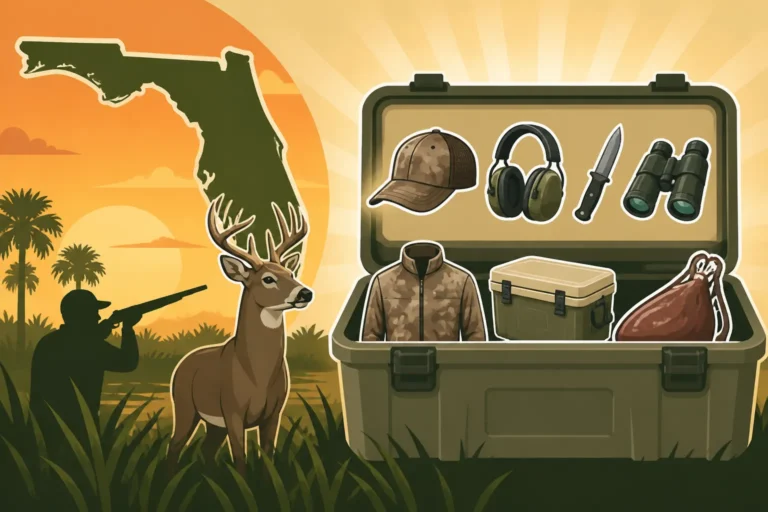
Florida's climate is notoriously humid and can range from sweltering heat to surprisingly cold snaps. Ask your outfitter for a detailed packing list specific to the time of year and type of hunt. This should include recommendations for clothing layers, footwear suitable for wet or sandy conditions, insect repellent, and any specialized gear like optics or knives. Don't assume your "standard" hunting gear from another state will be sufficient.
Comfortable, scent-control clothing, good rain gear, and snake boots are often critical in Florida. Will you be doing a lot of walking, or primarily sitting? This impacts footwear choices. What about blaze orange requirements, which vary depending on the season and weapon used? A knowledgeable guide will have specific recommendations to ensure you're prepared for whatever Florida throws at you.
What Is Your Policy on Bad Weather or Unforeseen Circumstances?
Florida weather can be unpredictable. Heavy rain, lightning storms, or even a tropical depression can impact hunting plans. Ask your outfitter about their policy if severe weather makes hunting unsafe or impossible. Will the hunt be postponed, rescheduled, or are there alternative activities? What about other unforeseen circumstances, such as wildfires on public land or unexpected property closures?
Understanding their contingency plans provides peace of mind. A well-prepared outfitter will have a clear protocol for these situations, ensuring your safety and minimizing disruption to your trip. This could involve an offer to rebook your hunt or a partial credit, depending on the severity and duration of the interruption.
What Travel Arrangements Are Typically Made for Non-Residents?
If you're traveling from out of state, logistics can add another layer of complexity. Inquire about the nearest airports, recommended car rental services, and any in-state travel advice. Does the outfitter offer airport pickup, or is it your responsibility to get to the lodge? If you're bringing your own firearms, confirm any specific airline regulations and Florida's laws regarding out-of-state firearm transport.
Planning your travel to align with your hunt dates and the outfitter's schedule is essential. A good outfitter will be able to provide helpful advice on travel within Florida, making your journey as smooth as possible, from landing at Orlando International to driving out to the ranch in the middle of nowhere.
Essential Questions Checklist
To help you keep track of all these important details, here's a quick checklist of key questions to ask a Florida outfitter:
| Category | Key Questions to Ask |
|---|---|
| Experience & Reputation | How long have you been guiding in Florida? Can I speak with past clients? What is your actual harvest rate for my target species, and what does "success" mean to you? |
| Hunt Details | What type of land do we hunt? What hunting methods are primarily used? What is the guide-to-hunter ratio and typical group size? What are the accommodations and meals like? |
| Costs & Policies | What is the total all-in cost? What does it not cover (e.g., licenses, tips, processing)? What are your deposit, payment, and cancellation policies? |
| Legality & Ethics | Are you a fully licensed Florida outfitter? Can you explain the FWC regulations for my specific hunt? What are your ethical hunting practices? |
| Post-Hunt | What are the procedures for game recovery and field dressing? Do you have recommendations for local processors/taxidermists? What happens if I don't harvest an animal? |
| Preparation & Contingency | What specific gear and clothing should I bring for this hunt? What's your policy for bad weather or unforeseen hunt cancellations? What are the typical travel arrangements? |
Armed with these questions, you'll be well on your way to booking a Florida hunting adventure that meets your expectations and provides lasting memories, rather than just stories of what went wrong. Don't be shy; a professional outfitter will appreciate your thoroughness.
Disclaimer
This article is for general informational purposes only and does not constitute professional advice. Laws, prices and regulations vary by location and change over time. Consult a qualified professional for guidance on your specific situation.