Florida Outfitter License Requirements
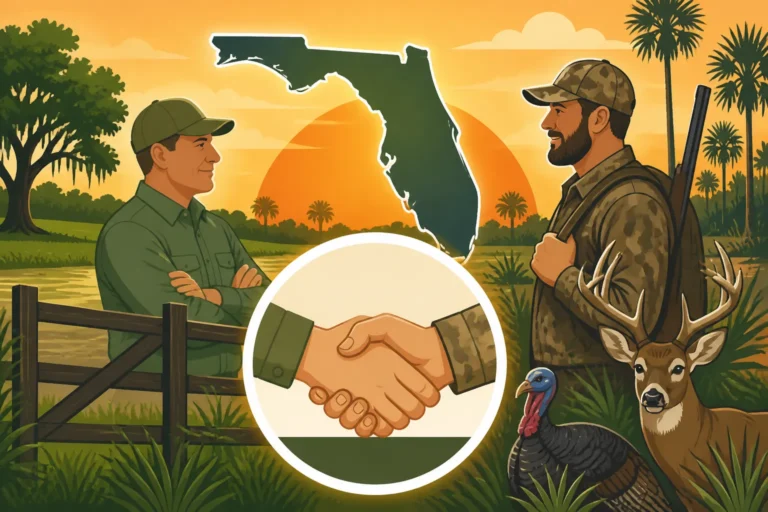
Navigating the world of guided hunts in Florida can feel a bit like wading through a cypress swamp in the dark – exciting, but full of unknowns. Many enthusiastic hunters, especially those new to the state or chasing a specific trophy like an Osceola turkey or a big gator, dream of booking a guided trip, only to wonder how to tell a legitimate, professional operation from someone just running a side hustle out of their pickup truck. This guide aims to pull back the curtain on Florida's outfitter and guide license requirements, helping you understand what to look for, what to ask, and how to ensure your hunting adventure is both legal and ethical.
Defining "Outfitter" and "Guide" in the Sunshine State
First, let's get our terms straight because, in the world of Florida hunting, these words often get used interchangeably, but legally and operationally, there can be subtle differences. Generally, both outfitters and guides are in the business of assisting hunters, but their scope can vary quite a bit. Understanding this distinction is the first step in knowing what kind of licensing to expect.
The Role of an Outfitter
Think of an outfitter as the orchestrator of your hunting experience. An outfitter typically owns or leases the land, manages the hunting rights, provides lodging, meals, and often includes the services of guides as part of a package deal. They might have a camp, a lodge, or a designated area where they conduct multiple hunts throughout the season. They are often responsible for the overall logistics and administration, from booking to ensuring all state regulations are met on their property.
For example, if you're looking to chase an Osceola turkey and find a place offering a three-day, two-night package that includes a bunkhouse, home-cooked meals, and a seasoned guide to call in birds, you're likely dealing with an outfitter. These operations often require a broader set of business licenses in addition to specific hunting guide credentials, given their comprehensive service offering. They often handle many aspects of the trip, from initial booking to ensuring you have a Florida Hunting Licenses and What They Cost and understanding Florida's unique Florida Osceola Zone Turkey Permit Rules.
The Role of a Hunting Guide
A guide, on the other hand, is usually the person directly in the field with you, leading the hunt, providing local knowledge, tracking game, and ensuring your safety. They might be employed by an outfitter, or they might operate independently, offering their services to individual hunters who have their own land access or specific permits. A guide’s expertise is paramount – they know the terrain, the game's habits, and how to navigate the challenges of hunting in Florida, whether that's deciphering Reading Florida Mud for Fresh Deer Movement or understanding Wind and Thermals in Flat Florida Terrain.
An independent guide might be someone you hire just for the day to help you locate feral hogs on a piece of private land you have access to, or to assist with a challenging Stalking an Alligator on a Freshwater Lake on a permit you drew yourself. While their operational overhead might be less than a full-blown outfitter, they still fall under the state's requirements for professional licensure when charging for their services.
Why Florida Takes Outfitter and Guide Licensing Seriously
It's easy to think of a hunting license as just another hurdle, but for professional outfitters and guides, it’s a critical component of ensuring a safe, ethical, and sustainable hunting industry in Florida. The state doesn't just issue these licenses on a whim; there are specific reasons and protections in place for everyone involved.
Protecting Hunters from Unethical Practices
One of the biggest frustrations for hunters is the fear of being scammed or dealing with an unprofessional operator. Unfortunately, stories abound of "guides" who take deposits and disappear, or who promise guaranteed trophies on properties they don't actually have legal access to. Licensing acts as a crucial first line of defense, providing a minimum standard of accountability. When an outfitter or guide is licensed, it means they've registered with the state and are subject to certain regulations, which helps protect consumers from outright fraud or negligence.
Imagine driving for hours to a remote hunting camp you booked, only to find a dilapidated setup, no actual guide present, or worse, that the person you paid never had legal permission to hunt the property they advertised. These are the nightmares that licensing aims to prevent. It gives you, the hunter, recourse and confidence that the person taking your money is operating legitimately and has met certain standards.
Ensuring Conservation and Compliance with Wildlife Laws
Florida is unique, with diverse ecosystems and a delicate balance of wildlife. Unregulated hunting, especially commercial operations, could quickly devastate local game populations or violate complex environmental protections. Licensed outfitters and guides are expected to be intimately familiar with Florida's hunting regulations, bag limits, season dates, and ethical practices. They are, in essence, frontline educators and enforcers of conservation.
For instance, an outfitter offering Alligator Hunting Florida's Lakes and Rivers must understand the specific rules for CITES tags and harvest reporting, not just how to catch a gator. A guide leading a deer hunt needs to know Florida's Four Deer Management Zones Explained and the specific dates for Hunting Florida's Zone A Split Gun Season versus Hunting the Zone B Rut in November. Their license implies a commitment to upholding these laws, ensuring that hunting remains sustainable for future generations and that wildlife populations are managed responsibly.
Promoting Professionalism and Industry Standards
Beyond legal requirements, licensing elevates the entire hunting industry. It sends a message that guiding and outfitting are professional endeavors that require skill, knowledge, and adherence to a code of conduct. This professionalism benefits everyone. For the outfitter, it builds credibility and trust with clients. For the client, it offers peace of mind and a higher quality experience.
A licensed professional is more likely to carry appropriate insurance, maintain safe equipment, and prioritize client safety – whether that's through proper firearm handling, safe navigation of challenging terrain like Hunting Florida Cypress Swamp Edges, or simply ensuring all necessary permits like The Florida WMA Management Area Permit are in order. This commitment to professional standards helps foster a positive public image for hunting and ensures that Florida's reputation as a premier hunting destination is maintained.
The Specific Licenses and Permits Required for Florida Outfitters
So, what exactly does a legitimate Florida outfitter or guide need in their wallet to operate legally? It’s not just a single piece of paper; it’s often a combination of state-issued licenses, local business permits, and sometimes, even specialized certifications depending on the game species and location.
The Florida Fish and Wildlife Conservation Commission (FWC) Guide License
At the core of it all is the FWC Guide License. This is the primary credential specifically for individuals who offer their services for hire to accompany or assist hunters or anglers in Florida. It's designed to ensure that guides possess a basic understanding of wildlife regulations, ethical practices, and are accountable to the state agency overseeing hunting.
The FWC Guide License isn't automatically granted. There are usually application processes, fees, and sometimes specific requirements regarding background checks or hunter education certifications. For outfitters, it's common for the lead outfitter and all guides working under them to hold this FWC license. This foundational license demonstrates that the individual has met the state's minimum standards for guiding paid hunts. It's a critical piece of the puzzle and often one of the first things a savvy hunter will Vetting a Florida Hunting Outfitter will ask about.
Commercial Licenses and Business Registrations
Beyond the FWC guide license, any outfitter or guide operating as a business in Florida will need to comply with standard commercial regulations. This means obtaining local business licenses from the county and/or city where they operate, registering their business with the Florida Department of State, and complying with tax regulations. These aren't specific to hunting but are vital for any legitimate commercial enterprise.
For a large outfitting operation that owns land, runs a lodge, and employs staff, the legal and financial compliance will be far more extensive than for a solo guide who simply takes clients out for day hunts on public land or a private lease. These business registrations demonstrate a commitment to operating as a legitimate commercial entity, not just a casual hobby. They help ensure the business is accountable to consumer protection laws and transparent in its dealings.
Specialty Permits and Considerations
Florida has some unique hunting opportunities that come with their own layers of permits and rules, and a legitimate outfitter or guide will navigate these flawlessly.
| Species/Hunt Type | Key Additional Considerations for Outfitter/Guide |
|---|---|
| Alligator | Must possess an Alligator Trapping License (even if guiding with client's permit), knowledge of CITES tags, proper harvest reporting. |
| Bear | Operate only in specific hunt zones and during sanctioned seasons, adherence to strict quotas and reporting. |
| Waterfowl | Knowledge of federal and state migratory bird regulations, HIP certification, understanding of specific zone dates. |
| WMA Hunts | Familiarity with Florida Wildlife Management Areas specific rules, quota hunt system, and public land access regulations. |
| Private Land | Must have documented permission or lease agreements for all hunting properties. |
For example, Booking a Guided Florida Alligator Hunt is a specialized endeavor. While clients might draw their own statewide alligator permits, the guide assisting them must often hold a Florida Alligator Trapping License to operate commercially. Similarly, guiding a limited Florida's Reinstated Bear Hunting Season hunt requires a deep understanding of the permit lottery and harvest quotas specific to Florida's Thirty-One Bear Hunting Counties. These specialized requirements add another layer to an outfitter's legal obligations, showcasing a dedication to operating within all applicable frameworks.
How Hunters Can Verify an Outfitter's Credentials
As a hunter, it's your responsibility to do your due diligence. You wouldn't buy a car without checking its history, so don't book a hunt without verifying your guide's legitimacy. There are several proactive steps you can take to ensure you're dealing with a reputable, licensed professional.
Asking for Proof and Specifics
The easiest first step is simply to ask. Don't be shy! A professional, legitimate outfitter or guide will be proud to share their credentials. Ask for their FWC Guide License number, their business registration number, and proof of liability insurance. If they hesitate, deflect, or seem annoyed by your questions, consider that a major red flag. They should also be able to clearly articulate what is included in their packages, such as what the What's Included in an Outfitted Package Hunt entails, or their policy on Getting a Refund From a Florida Outfitter.
A reputable outfitter will often display this information prominently on their website or in their booking materials. They understand that transparency builds trust. Make sure you also ask about their experience level, their specific hunting methods – are they using Dog Hunting Hogs in Florida or Rattling and Grunting Florida Bucks? – and what their success rates generally look like, keeping in mind that "success" can mean different things to different hunters.
Checking with Official Florida Sources
Once you have a license number, don't just take their word for it. The Florida Fish and Wildlife Conservation Commission (FWC) is the primary agency to contact for verification. While they may not have an easily searchable public database for every individual guide license, they can often verify if a specific license number is valid when you call or email their law enforcement division. This direct verification gives you peace of mind that the person you're trusting with your hunt is recognized by the state.
Additionally, you can check with the Florida Department of State's Division of Corporations to verify a business entity's registration. This ensures that the outfitter's business itself is legally recognized in the state. While this won't confirm their FWC hunting guide license, it confirms they are operating as a registered business. These official checks are essential for filtering out questionable operations.
Leveraging Reputable Booking Platforms and Reviews
In today's digital age, platforms exist specifically to connect hunters with outfitters. These services can sometimes act as an additional layer of vetting, as many require outfitters to provide proof of licensure and insurance before listing their services. Websites like BookYourHunt often perform initial checks on outfitters, although it's still wise for you to confirm the details yourself. These platforms also offer the invaluable resource of client reviews.
Reading through reviews can provide insights into an outfitter's professionalism, adherence to safety, and overall client satisfaction. Look for consistent themes, both positive and negative. A site like GoHunt might also provide resources or forums where hunters discuss their experiences and recommend reputable guides. Remember, a single negative review might be an anomaly, but a pattern of complaints – especially regarding safety or ethical behavior – should give you serious pause. Don't just rely on testimonials on an outfitter's own website, as these are often curated.
The Consequences of Operating or Hiring an Unlicensed Guide
Engaging with unlicensed guides or operating without the proper credentials carries significant risks, not just for the individual guide but also for the unsuspecting hunter. It’s important to understand that ignorance of the law is rarely an excuse.
Legal Penalties for Unlicensed Operators
For someone caught operating as a hunting guide or outfitter in Florida without the required FWC license, the consequences can be severe. This often includes significant fines, confiscation of equipment, and potential criminal charges. The penalties can escalate depending on the severity of the offense, whether other wildlife violations occurred, or if it's a repeat offense. This isn't just a slap on the wrist; it can be a career-ending event for someone trying to make a living in the outdoors.
Furthermore, if the unlicensed operation also violates general business laws – such as failing to register their business or collect sales tax – they could face additional fines and legal action from other state or local agencies. The state invests resources in monitoring these activities to protect both wildlife and consumers, so trying to skirt the rules is a high-risk gamble that rarely pays off in the long run.
Risks for Hunters Using Unlicensed Guides
While the direct legal penalties typically fall on the unlicensed guide, hunters who knowingly (or even unknowingly) utilize such services face their own set of risks. The most obvious is the potential for a ruined hunt – lost deposits, misrepresented land access, or a generally unsafe or unprofessional experience. Without proper licensing, you have little recourse if something goes wrong or if the guide fails to deliver on their promises.
Beyond the financial and experiential disappointments, there are deeper concerns. An unlicensed guide might cut corners on safety, lack proper insurance, or even knowingly engage in illegal hunting practices. If you are involved in an incident – a hunting accident, a trespass violation, or a game law infraction – while with an unlicensed guide, you could find yourself in legal hot water. Your own hunting license could be at risk, and you might face fines or even charges if you're found to be complicit or negligent. It’s far better to invest a little time upfront in verifying credentials than to face these serious repercussions later.
Impact on the Hunting Community's Reputation
Every time an unlicensed or unethical guide makes headlines, it casts a shadow over the entire hunting community. Such incidents feed negative stereotypes and provide ammunition for those who oppose hunting, making it harder to protect our hunting heritage and secure access to public and private lands. Professional, ethical hunting is paramount to public perception and the future of the sport.
When outfitters and guides operate legally and ethically, they uphold the highest standards of conservation and sportsmanship, showcasing hunting as a valuable tool for wildlife management and a cherished tradition. Unlicensed and rogue operators undermine this effort, making the job harder for all of us who truly care about the future of hunting in Florida.
Beyond the License: Other Key Considerations for Booking a Florida Hunt
While verifying an outfitter's license is paramount, it's really just the starting point. A truly successful and enjoyable guided hunt depends on several other critical factors. Think of the license as the essential foundation, but the rest of these considerations are the walls and roof that make the experience truly solid.
Insurance and Liability Coverage
Even the most careful guide can't prevent every accident. Whether it’s a slip on wet palmetto fronds, an accidental shot, or an unexpected vehicle breakdown in the backwoods, things can happen. A reputable outfitter or guide will carry liability insurance to protect themselves and their clients in case of an unforeseen incident. This isn't just about covering medical bills; it covers potential property damage and other liabilities that could arise during a hunt.
Always ask for proof of insurance. A responsible outfitter won't hesitate to provide this. Without it, you, the hunter, could be left exposed to significant financial risk if an accident occurs. This is especially crucial when navigating potentially dangerous environments or activities, like Harvesting an Alligator With a Bang Stick or traversing remote Green Swamp Wilderness Preserve Hunting areas.
Reputation and Client Reviews
A license tells you someone is allowed to operate; their reputation tells you how well they operate. Beyond just checking for a license, dive deep into an outfitter’s reputation. Look for recent reviews on multiple independent platforms, not just curated testimonials on their own site. Are past clients consistently praising their professionalism, their knowledge, and their commitment to client satisfaction? Do they feel the outfitter delivered on promises?
Don't shy away from asking the outfitter for references, and actually call them! Speak to past clients about their experience. Did the outfitter communicate well? Were the facilities as advertised? Were the guides knowledgeable and respectful? This qualitative feedback is just as important as the quantitative proof of licensure. You can often find valuable insights on hunting forums or through platforms like BookYourHunt that feature client reviews.
Contract and Payment Transparency
Before you commit any money, a clear, written contract is essential. This document should explicitly detail everything included in your hunt package: the dates, species, services (guide, lodging, meals, transportation), specific fees, deposit requirements, cancellation policies, and any exclusions (like license costs or taxidermy). Ambiguity leads to frustration, so if a contract isn't offered, or if it's vague, be wary.
Never pay large sums of money in cash without a detailed receipt, and understand the deposit and balance payment structure. Reputable outfitters will have clear terms and conditions, often asking for a deposit to secure your dates and the balance closer to the hunt. Be especially cautious of anyone demanding full payment upfront without a clear cancellation policy. Understanding what to expect when paying, and what exactly What a Guided Alligator Hunt Costs or Average Cost of a Guided Osceola Hunt can be important during this stage.
Table: Key Differences – Licensed vs. Unlicensed Florida Outfitters
To help you quickly distinguish between a legitimate operation and a potential risk, here's a comparison of what you might encounter:
| Feature/Aspect | Licensed Outfitter/Guide | Unlicensed Outfitter/Guide |
|---|---|---|
| Legal Status | Registered with FWC and other relevant state/local agencies. | Operates "under the radar," not registered or recognized. |
| Accountability | Subject to FWC oversight, consumer protection laws. | Little to no external accountability; harder to pursue issues. |
| Insurance | Typically carries liability insurance for client protection. | Unlikely to have insurance; client assumes all risks. |
| Transparency | Provides license numbers, clear contracts, references. | Hesitant to provide credentials, vague on terms, no written contract. |
| Knowledge | Well-versed in current hunting regulations and ethics. | May have outdated or incorrect knowledge of laws, prone to violations. |
| Safety | Prioritizes client safety, follows best practices. | May cut corners on safety, use poorly maintained equipment. |
| Recourse | Clear channels for complaints through FWC or legal means. | Very limited options for dispute resolution or refunds. |
| Reputation | Builds long-term trust through positive client experiences. | Relies on word-of-mouth (often negative) or disappears quickly. |
Ultimately, a guided hunt in Florida should be an incredible experience, creating lasting memories. By understanding the license requirements and asking the right questions, you're not just protecting your investment; you're contributing to the integrity and sustainability of hunting for everyone. Choose wisely, and enjoy the adventure!
Disclaimer
This article is for general informational purposes only and does not constitute professional advice. Laws, prices and regulations vary by location and change over time. Consult a qualified professional for guidance on your specific situation.