Gas and Gear Costs for a Self-Guided Trip
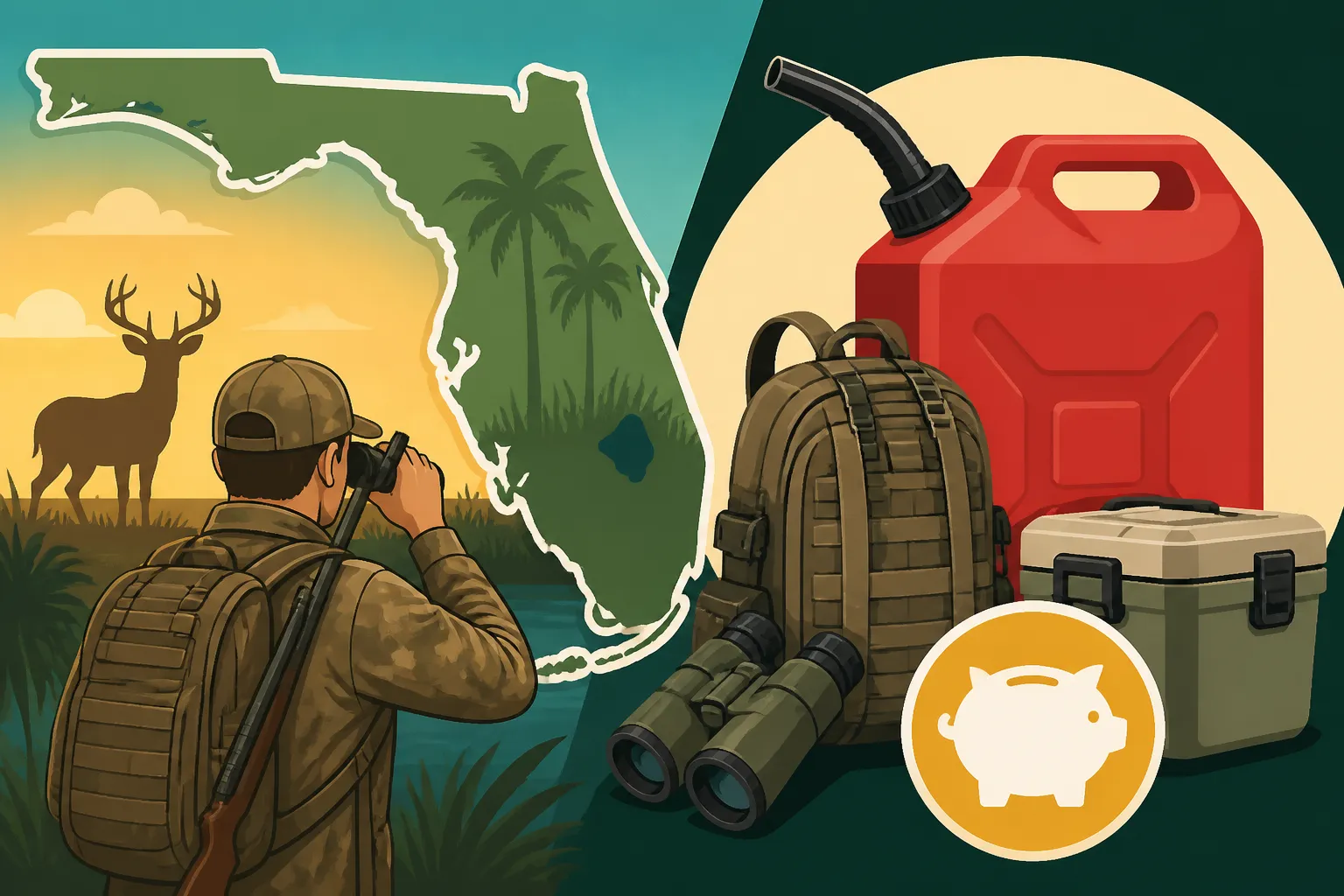
There's a special kind of freedom that comes with a self-guided hunting trip, especially here in Florida. The thought of striking out on your own, deciphering the landscape, and putting your skills to the test is incredibly appealing. However, many hunters, myself included, have learned the hard way that the "self-guided" part often translates to "self-funded for absolutely everything," and the costs can sneak up on you faster than a buck ghosting through a thick palmetto patch. This guide will meticulously break down the often-underestimated gas and gear costs associated with a self-guided Florida hunt, helping you plan your adventure without unwelcome financial surprises.
The Foundation: Transportation Costs
When you're self-guided, your vehicle isn't just a way to get from point A to point B; it's often your mobile base camp, gear hauler, and lifeline to civilization. The costs associated with it are often the first to balloon if you're not careful.
Fueling Your Florida Adventure
Florida might look flat on a map, but getting to those prime public hunting spots can mean serious mileage. Our Wildlife Management Areas (WMAs) and national forests are often intentionally remote, requiring substantial drives to reach, especially if you're coming from one of our major metropolitan areas. Think about the drive from Miami up to the Apalachicola National Forest, or even from Orlando to the Everglades WMA – those aren't short hops. A thirsty truck, loaded down with gear and possibly even an ATV, will eat through gasoline faster than a gator through a fish population. Factor in not just the initial drive to your hunting grounds, but also daily trips within the WMA (if allowed), scouting runs, and multiple trips back and forth if you're planning several outings over a season. Gas prices, while fluctuating, are a constant drain. You might budget for one tank, but often find yourself needing two or three for a dedicated weekend hunt, especially if you're exploring new areas.
Wear and Tear on Your Rig
Beyond the direct cost of fuel, there's the hidden toll your vehicle takes. Florida's sandy roads, especially after a good rain, can turn into muddy quagmires that test even the most capable 4×4. Rutted trails, overgrown paths, and unexpected stumps or rocks lurking beneath the palmetto can lead to scrapes, dings, and sometimes, more serious damage. Tires, in particular, bear the brunt. One puncture from a sharp stick or an old fence post hidden in the grass can quickly ruin a hunt and set you back for a new tire, often far from any repair shop. Regular oil changes become even more critical when you're subjecting your vehicle to dusty backroads and extended idling. Don't forget those brake pads, either, especially if you're hauling heavy loads or navigating hilly terrain in the Panhandle. It’s wise to put aside a small contingency fund just for unexpected vehicle maintenance or, heaven forbid, recovery if you get stuck deep in a WMA.
The Toll of the Road and Water
While not as prevalent as some other states, Florida does have its share of toll roads, especially if you're traversing near or through major population centers like Orlando, Tampa, or Miami. These small fees, when added up over multiple trips, can become noticeable. But perhaps more significantly, if your self-guided adventure involves waterfowling or alligator hunting, you'll need to account for boat-related costs. This means not just fuel for the boat's outboard motor, but also potential launch fees at public ramps, especially popular ones or those managed by private entities. There's also the ongoing maintenance of the boat itself – fresh fuel filters, spark plugs, and general upkeep to ensure it starts when you need it most, especially if you're launching before dawn for Early Teal Season Tactics in Florida or staying out late for hogs. These aquatic transportation costs add another layer of expense beyond your vehicle.
Essential Gear: Upfront and Ongoing Investments
This is where the "self-guided" aspect really shines through, for better or worse. You are the outfitter, the guide, and the quartermaster, meaning every piece of equipment, from your boots to your binoculars, is on your dime.
The Big-Ticket Items: Weapons and Optics
For many hunters, the weapon itself is often the most significant single investment. Whether it's a reliable hunting rifle for deer, a powerful crossbow for Crossbow Hunting During Florida's Archery Season, or a finely tuned shotgun for chasing doves or ducks, these items can represent a substantial initial outlay. And it’s not just the primary weapon; it’s the ammunition, which, let's be honest, isn't getting any cheaper. Many of us find ourselves wanting a variety of options – different firearms for different game or seasons.
Then there are optics. A quality scope for your rifle can dramatically improve your accuracy and confidence in the field, particularly during those low-light moments at dawn or dusk. Binoculars are absolutely indispensable for scouting and identifying game without disturbing them; you can’t hunt what you can’t see. A reliable rangefinder eliminates guesswork, ensuring ethical shot placement. For items like these, the old adage "buy once, cry once" often holds true. Investing in durable, high-performance optics from reputable brands will save you headaches and potentially missed opportunities down the line.
Clothing, Footwear, and Comfort in Florida's Climate
Florida's weather is notoriously fickle. You can start a morning hunt in chilly, damp conditions only for it to be sweltering by midday. This means you need versatile clothing. Lightweight, breathable camouflage is a must for the vast majority of our seasons, but don't overlook good quality layers for those unexpected cold fronts. Beyond camo, proper rain gear is non-negotiable. Pop-up afternoon thunderstorms are a fact of life, and being soaked to the bone hours from your truck is no fun, nor is it safe if temperatures drop.
Footwear is another critical area. Our terrain can vary wildly from dry sandhills to mucky cypress swamps and soggy palmetto flats. Waterproof boots are practically a requirement for much of the state, ensuring your feet stay dry and comfortable. Investing in good quality, supportive boots can prevent blisters and fatigue, allowing you to cover more ground and stay on stand longer. Don't forget accessories like comfortable socks, a good hunting hat for sun protection, and a reliable headlamp for navigating in the dark or Blood Trailing After Dark in Florida.
Camp and Field Essentials
This category is where the incidental costs really start to add up, often underestimated because they seem like smaller purchases individually.
- Shelter and Seating: If you're planning multi-day trips or hunting areas where cover is sparse, a quality treestand (climbing, hang-on, or ladder) or a comfortable ground blind is essential. Each comes with its own cost. Think about the convenience of a sturdy pop-up blind when you're Using a Ground Blind on Florida Public Land near a food plot edge.
- Scouting Tools: Game cameras are invaluable for pattern game movement, especially on public land. However, they require batteries and often SD cards, which are ongoing expenses. A reliable GPS unit or a subscription to a mapping app like GoHunt (which offers excellent public land and private property layers) is crucial for navigation in unfamiliar territory. Being able to use tools like Scouting With the Florida FWC App can save you countless hours of wandering aimlessly.
- Game Recovery and Processing: Once you've harvested an animal, you need the means to get it out and process it. A sturdy game cart or a drag sled can save your back, especially when Dragging a Deer Out of a Palmetto Head. A good quality knife set and game processing gloves are a must for field dressing. And copious amounts of ice and quality coolers are non-negotiable in Florida’s heat to preserve your harvest.
- Safety and First Aid: Always carry a well-stocked first-aid kit, a whistle, and communication devices like a cell phone (though service can be spotty in remote areas) or a satellite messenger. These are not just gear items; they're peace of mind.
Here's a quick look at some common gear categories and the typical investment shape:
| Category | Low-End Investment (Shape) | Mid-Range Investment (Shape) | High-End Investment (Shape) |
|---|---|---|---|
| Weapon | Basic, functional | Reliable, good features | Premium, specialized |
| Optics | Entry-level, adequate | Clear, durable | Superior clarity, robust |
| Clothing/Rain Gear | Basic, less durable | Comfortable, waterproof | Technical, breathable |
| Footwear | Budget, limited support | Durable, waterproof | High-performance, ergonomic |
| Treestand/Blind | Basic, fixed | Versatile, portable | Lightweight, advanced |
| Game Camera | Entry, basic features | Cellular, fast trigger | Multi-function, long battery |
| GPS/Mapping App | Free version, limited | Monthly/annual subscription | Dedicated unit, lifetime maps |
| Coolers | Standard foam | Insulated, decent retention | Roto-molded, extended hold |
| Game Cart/Sled | Basic, pull-strap | Sturdy, fold-flat | All-terrain, heavy-duty |
| Processing Kit | Basic knives | Full kit, sharpener | Professional, electric |
Permits, Provisions, and Unexpected Incidentals
Even with your vehicle fueled and your gear packed, there are still layers of costs that contribute to a successful, self-guided hunt.
The Cost of Legality: Licenses and Permits
Before you even step foot in the woods, you need to ensure you're hunting legally. Florida has a very clear structure for hunting licenses, and these are a non-negotiable expense. You'll typically need a base hunting license, a deer permit, and for many of our prime public lands, a Wildlife Management Area (WMA) permit. If you're hunting migratory birds, a migratory bird permit and a federal duck stamp are also required. These costs can vary significantly between residents and non-residents, and it's essential to check the current rates and requirements for your specific situation. Don't forget, if you're traveling from out of state, your Florida Nonresident License Options will likely be higher than those for residents, and you might need multiple permits depending on the species you're targeting. Make sure to factor in the total cost of Florida Hunting Licenses and What They Cost and understand how The Florida WMA Management Area Permit fits into your plans.
Food, Water, and Sustenance
When you're out in the field, especially on multi-day trips into a WMA, you're responsible for all your own provisions. This means groceries, drinks, and snacks. Florida's heat and humidity mean hydration is paramount, so the cost of bottled water or a reliable water filter system for treating natural sources should not be overlooked. Planning meals that are easy to prepare at camp or pack for a long day in the woods is key, but the ingredients still add up. If you're on a several-day hunt, like trying to get your Bowhunting Florida's Zone A August Opener deer, you'll need enough food and water to sustain you, plus extras for emergencies. This can be a significant line item, especially if you prefer specific brands or dietary needs.
Processing, Storage, and Recovery
Successfully harvesting an animal is just the beginning of the work. If you're doing a self-guided trip, you're likely also doing your own processing. This means the cost of ice, coolers, and potentially even dry ice to keep your meat cold, especially when Field Dressing a Deer in Hot Weather. While many hunters enjoy the process of Butchering a Deer at Camp, the supplies needed, like vacuum sealers, freezer paper, and bags, also contribute to the overall cost. If you opt to use a commercial processor, that's another fee to factor in. For trophy animals, you might also be considering taxidermy, which is another substantial cost to budget for. The journey from field to freezer is a series of steps, and each has a potential expense attached.
The "Just in Case" Fund: Contingency Planning
This is perhaps the most crucial "cost" for a self-guided trip that many overlook: the emergency fund. When you're out on your own, there's no guide service to bail you out if something goes wrong. A flat tire on a WMA road, an unexpected vehicle repair in a small town, a lost piece of essential gear, or even an unplanned motel stay because a severe thunderstorm rolled through and made camping unsafe – these can all quickly add hundreds of dollars to your trip. It's smart to have a dedicated fund, perhaps even a separate credit card, specifically for these contingencies. The peace of mind that comes with knowing you're prepared for the unexpected is invaluable. While you might typically turn to services like BookYourHunt for a fully outfitted experience, when you're self-guided, you are the booking agent, the outfitter, and the emergency responder, all rolled into one.
Making Your Self-Guided Trip More Affordable and Efficient
While self-guided hunting certainly has its costs, there are plenty of strategies you can employ to make your dream trip more accessible and less of a financial strain.
Smart Planning and Budgeting
The absolute best way to manage costs is through meticulous planning. Before you even pack your first item, sit down and create a detailed budget. This means researching fuel costs for your planned mileage, estimating food expenses, and making a comprehensive list of every piece of gear you truly need versus what you want. Consider borrowing or renting expensive items you might only use once or twice. Plan your routes to minimize toll roads where possible and group scouting trips with hunting days to save on gas. Keep an eye out for sales on ammunition, clothing, and other consumables well in advance of your trip. Sometimes, even simple things like packing your own coffee and cooking simple meals over a camp stove can save a significant amount compared to eating out.
Leveraging Technology for Savings
Modern technology offers fantastic tools to help self-guided hunters save money and hunt smarter. Mapping applications, like those available through GoHunt or even the free FWC Fish/Hunt app, can help you pinpoint public land access points, identify potential hunting hot spots, and avoid trespassing on private property, which can lead to hefty fines. Using these tools for Reading Aerial Photos for Florida Deer can save you days of in-person scouting, reducing fuel costs and time off work. Gas price apps can help you find the cheapest fuel along your route. You can also purchase your Florida Resident License Options and permits online, often saving a trip to a retail location. Leveraging these resources is like having a virtual assistant for your hunting budget and strategy.
DIY Versus Outsourcing
Deciding what to do yourself versus what to pay for is a crucial cost-saving decision. For example, processing your own game meat will save you commercial processing fees, which can be substantial, but it requires an investment in equipment and your own time and effort to learn the skill. Similarly, doing all your own scouting, like understanding Where Florida Bucks Bed in Thick Palmetto or figuring out Entry Routes Through a Florida Food Plot, means more gas and time in the woods, but it saves you the cost of hiring someone.
| Task | DIY Pros | DIY Cons | Outsourcing Pros | Outsourcing Cons |
|---|---|---|---|---|
| Game Processing | Saves money, control over cuts, skill development | Time-consuming, initial equipment cost, messy | Convenient, professional cuts, no cleanup | Costly, less control, no skill development |
| Scouting | Deeper understanding of area, free | Time-consuming, fuel costs, sometimes ineffective | Saves time, expert knowledge, higher success potential | Costly, less personal connection to hunt area |
| Recovery | Saves money, self-reliance | Physically demanding, equipment cost | Convenient, less physical strain | Costly, sometimes slow response |
| Vehicle Repair | Saves labor costs, self-reliance | Requires tools/knowledge, can fail | Expert repair, guaranteed work | Costly, unexpected breakdowns still happen |
There's a balance to strike. If you're new to Florida hunting or on a tight schedule, paying for certain services might be a worthwhile investment in time and efficiency, even if it adds to the overall cost. However, for many self-guided hunters, the joy of doing it all yourself, and the savings that come with it, is a huge part of the appeal. While a service like Hiring a Scout Versus Booking a Full Guide exists, the self-guided spirit often means tackling those tasks yourself.
Ultimately, a self-guided hunting trip in Florida offers immense rewards and a connection to the outdoors that's hard to beat. But going into it with a clear, realistic understanding of all the gas and gear costs involved will ensure that your adventure is memorable for all the right reasons, not just the unexpected hits to your wallet.
Disclaimer
This article is for general informational purposes only and does not constitute professional advice. Laws, prices and regulations vary by location and change over time. Consult a qualified professional for guidance on your specific situation.