Florida Outfitter Cancellation and Weather Policies
It's a familiar gut punch, isn't it? You've spent months planning, saving, and dreaming about your next Florida hunting adventure – whether it's chasing an Osceola gobbler or tangling with a gator – only for the unpredictable hand of Mother Nature, or perhaps life's curveballs, to threaten to derail everything. Nobody wants to lose their hard-earned money or miss out on a long-anticipated trip. This guide dives deep into the intricate world of Florida outfitter cancellation and weather policies, helping you understand what to expect, what to ask, and how to protect your investment when the unexpected strikes.
The Unpredictable Nature of Florida Weather and Hunting
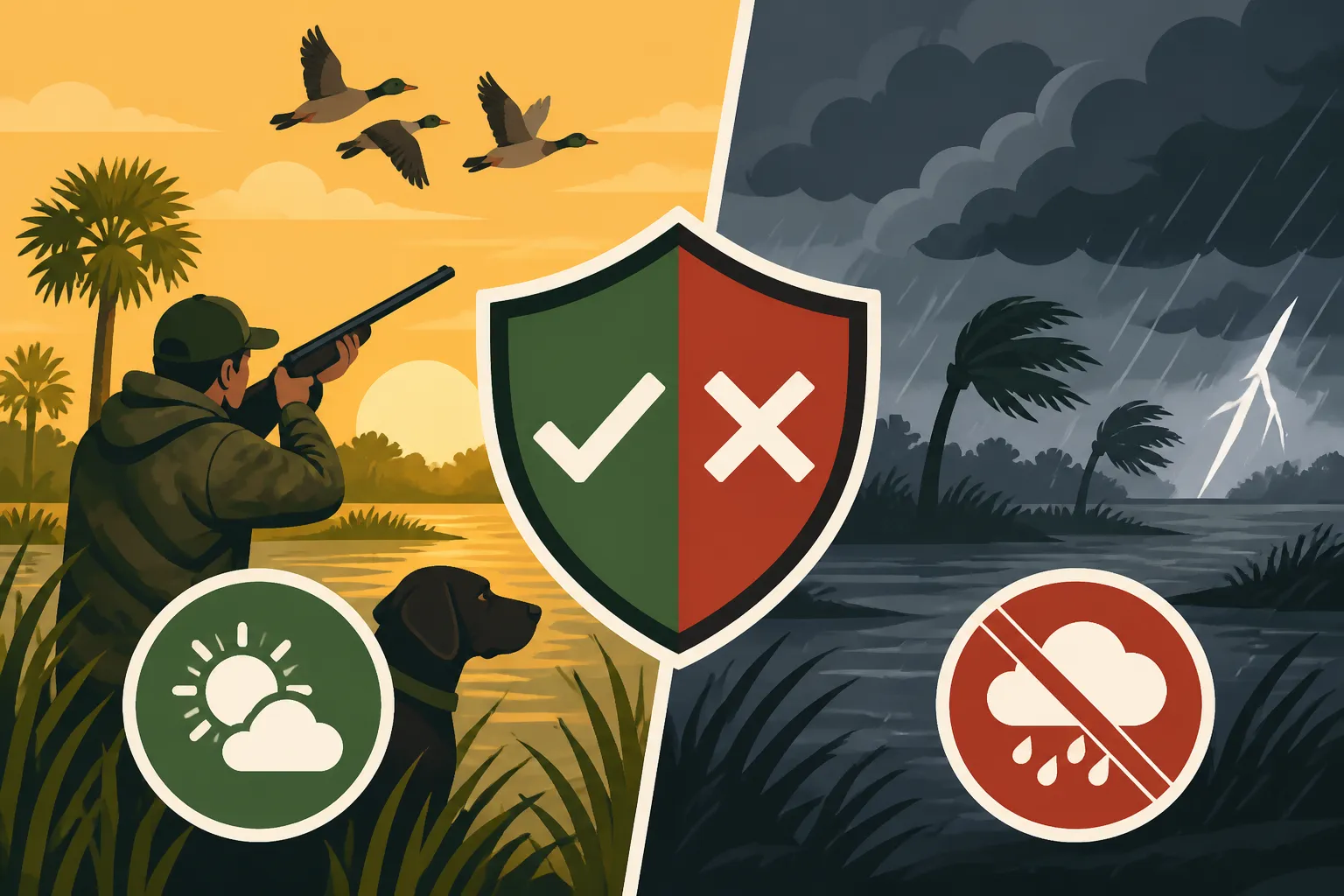
Florida, for all its sunshine and warm breezes, is a land of weather extremes. From scorching humidity and sudden torrential downpours to the threat of hurricanes and unexpected cold snaps, the climate can shift in an instant. This inherent unpredictability is one of the biggest factors that can impact a booked hunt, making understanding your outfitter's policies absolutely critical. It's not just about the rain; it's about how that rain, or wind, or lightning, affects the safety and feasibility of your pursuit.
Common Weather Disruptions in Florida
When you're hunting in Florida, you're always keeping one eye on the sky. The most common weather disruptors include those intense summer thunderstorms that seem to pop up out of nowhere, bringing with them lightning, heavy rain, and sometimes hail. These can make being in an open stand or wading through a marsh extremely dangerous. Then there are the tropical systems, from depressions to full-blown hurricanes, which can completely shut down travel and outdoor activities for days, sometimes even weeks. Even a strong cold front, while often welcomed by deer hunters, can bring winds so high that stalking becomes impossible or makes boating on larger lakes unsafe for alligator hunts.
It’s important to remember that what constitutes "bad weather" for one type of hunt might be ideal for another. A light drizzle might be perfect for deer movement, but a heavy downpour could make tracking a wounded animal almost impossible and even hazardous in thick palmetto. Therefore, the definition of weather-related cancellation is rarely black and white and often depends on the specific activity and the outfitter's judgment regarding safety and reasonable success. This subjective element is why detailed communication is so vital.
How Weather Impacts Specific Hunt Types
Different hunts in Florida are impacted in unique ways by weather. Imagine you're booked for an Alligator Hunting Florida's Lakes and Rivers trip in August. A strong thunderstorm means lightning over open water, making it incredibly dangerous to be out in a boat, especially with carbon fiber fishing rods. Your guide would likely call off the trip for safety reasons. Similarly, a Bowhunting Florida's Zone A August Opener could be severely hampered by the oppressive heat and humidity, which not only makes sitting for hours grueling but can also impact deer movement to nocturnal patterns, making a fair chase less likely during legal shooting hours.
Turkey hunts, particularly for Hunting an Osceola Gobbler in Palmetto Scrub, are highly dependent on birds gobbling from the roost and then working to a call. High winds can deafen both hunter and bird, making communication impossible and dramatically reducing success rates. Even something as seemingly simple as Year-Round Hog Hunting in Florida can be affected; heavy rain can make trails impassable, or extremely high temperatures can push hogs deeper into cover during daylight hours. Each species and hunting method has its own vulnerabilities to Florida's dynamic weather, which your outfitter knows intimately.
Understanding Standard Cancellation Policies
Booking a guided hunt usually involves a significant financial commitment, often starting with a non-refundable deposit. It's easy to get caught up in the excitement and skim over the fine print, but an outfitter's cancellation policy is arguably one of the most important pieces of information you'll receive. These policies are in place to protect both the hunter and the guide, outlining the rules of engagement when a hunt needs to be changed or called off.
Deposit and Payment Structures
Almost every Florida outfitter will require a deposit to secure your hunt dates. This deposit serves as a commitment from you and ensures the guide doesn't book another client for those days. The amount can vary widely, from a few hundred dollars for a day hunt to a substantial percentage of a multi-day package. Often, this deposit is non-refundable, especially if you cancel within a certain timeframe before the hunt. The remaining balance is typically due either upon arrival, the day before the hunt, or sometimes a set number of weeks or months in advance.
Outfitters rely on these deposits to cover overhead, secure leases, and plan their schedules. If a hunter cancels last minute, that guide might not be able to re-book those dates, leading to lost income. This is why policies regarding forfeiture of deposits are so common. Make sure you understand exactly when payments are due and what portion is non-refundable. Websites like BookYourHunt often display this information clearly, but always confirm directly with the outfitter.
Hunter-Initiated Cancellations
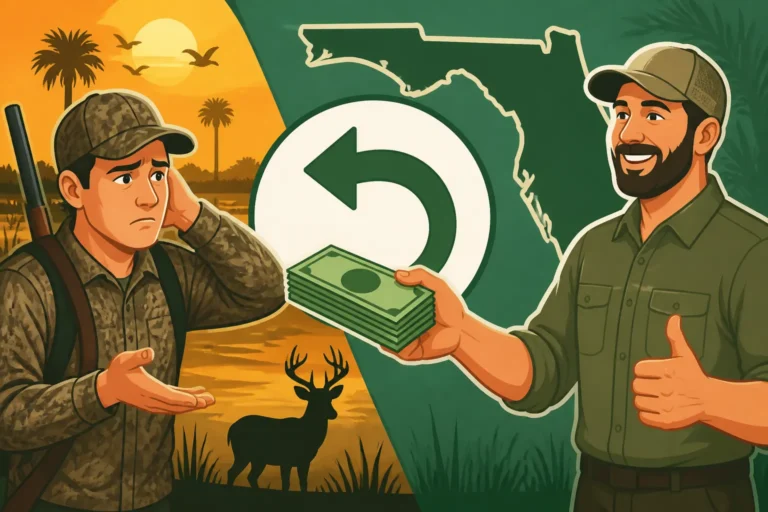
Life happens, and sometimes you're the one who needs to cancel a trip due to an emergency, illness, or unexpected commitments. When a hunter initiates a cancellation, the outfitter's policy will detail the financial consequences. Generally, the closer to the hunt date you cancel, the more of your payment, including the deposit, you stand to lose. Many outfitters have a tiered system:
- 90+ days out: Full refund of deposit, or deposit transferred to a future date.
- 30-90 days out: Deposit forfeited, but balance not yet paid may be waived.
- Less than 30 days out: Deposit forfeited, and sometimes the full hunt cost is still owed, especially if they cannot re-book.
It's a tough pill to swallow, but these rules are in place because the outfitter has set aside those dates specifically for you. Asking for a full refund a week before your hunt is often unreasonable unless there are extraordinary circumstances and a compassionate outfitter willing to make an exception. Always communicate as soon as you know there's a problem.
Outfitter-Initiated Cancellations (Non-Weather)
While less common, an outfitter might occasionally need to cancel a hunt for reasons unrelated to weather. This could be due to a personal emergency, a sudden equipment failure, or even unforeseen land access issues. In these situations, ethical outfitters will almost always offer a full refund of any money paid, or the option to reschedule your hunt to a mutually agreeable date. This is a critical point to clarify when vetting potential guides. A reputable guide will stand behind their commitment and not leave you in the lurch.
However, sometimes an outfitter may cancel if they believe the hunting conditions are simply not conducive to a successful trip, even without extreme weather. For instance, if they've had a sudden change in game patterns, an unforeseen influx of hunting pressure on their usual spots, or perhaps a mast crop failure that has dispersed deer far beyond their typical range, they might proactively suggest rescheduling. This isn't always a negative; sometimes it's a guide looking out for your experience. Platforms like GoHunt often compile reviews that can give you insight into how outfitters handle these less common scenarios.
Weather-Related Cancellations and Rescheduling
This is where things can get a bit murky, as what one person considers "unhuntable" weather, another might view as merely "challenging." Clear communication and a well-defined policy are paramount when Mother Nature decides to throw a wrench in your plans.
Defining "Unsafe" or "Unhuntable" Conditions
Most outfitter weather policies hinge on what's considered unsafe or unhuntable. "Unsafe" is usually easier to define: lightning, severe storms, hurricane warnings, or conditions that make travel by boat or airboat genuinely hazardous. No reputable guide will put themselves or their clients in harm's way. "Unhuntable," however, is more subjective. Does pouring rain for a deer hunt qualify? What about high winds for turkey hunting?
A good policy will specify what conditions trigger a cancellation. It should be the outfitter's call, as they are the expert on their local area and the specific hunt. For example, a severe tropical storm making landfall near the Florida Alligator Season Opening Date would undoubtedly be a "no-go," but a light rain shower during Hunting a Cypress Head at Last Light for deer might not be. Always ask for specific examples of what conditions would lead to a weather-related cancellation when you're booking. This foresight can prevent misunderstandings later.
Rescheduling vs. Refund Options
When a hunt is cancelled due to weather, most outfitters will prioritize rescheduling. This allows them to retain your business and fulfill their commitment when conditions improve. They might offer a range of alternative dates, often within the same season or the following season. This is generally the preferred option for both parties, as it avoids the complexities of refunds and still gets you out in the field.
However, if rescheduling isn't possible due to your availability, or if the outfitter can't offer suitable dates, a refund might be on the table. Be aware that some outfitters may only offer a credit for future hunts, or a partial refund, depending on how much preparation and resources they've already expended. Full refunds for weather-related cancellations are less common than for outfitter-initiated non-weather cancellations, but a fair policy will always offer some form of compensation or credit. Be sure to specifically ask about the refund options if rescheduling is not viable for you.
Communication During Weather Events
Once you've booked your hunt, it's a good idea to monitor the weather forecast for your hunting area. If you see a potential issue brewing, don't hesitate to reach out to your guide a few days in advance. Proactive communication is key. Your outfitter should also be reaching out to you if they anticipate a problem. A responsible guide will keep you informed, discuss options, and make a decision based on the safety and success of the hunt.
Imagine you're planning for Hunting the Zone B Rut in November and a hurricane is forecast to track towards Florida. Your outfitter should be in contact with you days before, discussing the likelihood of cancellation and what the contingency plan will be. Waiting until the last minute only adds stress for everyone involved. Clear, calm, and timely communication ensures that if a weather event forces a change, both you and the outfitter are on the same page regarding the next steps, whether it's Rebooking a Florida Hunt for Next Season or finding an immediate alternative.
Beyond the Policy: What to Expect and Ask
While the written policy is your legal guideline, the human element in guiding is just as important. The best outfitters are often those who are flexible, communicative, and genuinely want you to have a great experience, even if the weather doesn't cooperate. Knowing what questions to ask and how to gauge a guide's approach can save you a lot of heartache.
The Role of Hunter and Outfitter Communication
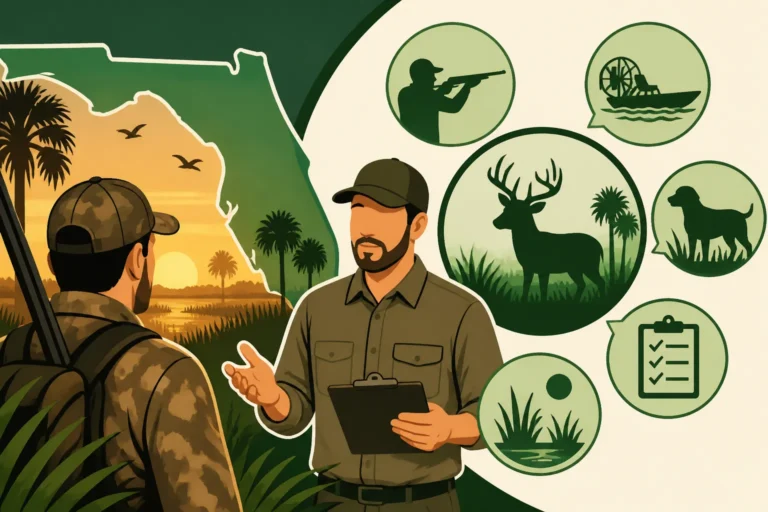
Effective communication isn't just about reading the policy; it's about building rapport. Before you even book, during your initial inquiry, ask candid questions about their weather contingency plans. Don't just ask "What happens if it rains?" Ask, "If we're scheduled for a morning Hunting an Osceola Gobbler in Palmetto Scrub and there's a heavy lightning storm at dawn, what's your typical approach? Do we try to hunt later, reschedule, or is there another option?" The guide's response will tell you a lot about their professionalism and flexibility.
Once booked, stay in touch. Confirm dates a few weeks out. If a forecast looks dodgy, send a quick text or email. A good outfitter will appreciate your proactive approach and will be more likely to work with you. Remember, guides are often small business owners, and their reputation is everything. They want happy clients, and clear communication helps manage expectations on both sides, especially when dealing with the unpredictable Florida climate.
Trip Insurance Considerations
For any significant hunting investment, especially for non-residents or those traveling long distances, trip insurance is a serious consideration. While it's an added cost, it can provide invaluable peace of mind. Many policies cover cancellations due to unforeseen circumstances like medical emergencies, travel delays, or even severe weather events that prevent you from reaching your destination or make the hunt impossible. This is particularly relevant when booking high-value hunts like Booking an Alligator Hunt for the August Opener or a multi-day Booking a Guided Florida Deer Hunt.
Carefully review what a policy covers before purchasing. Not all trip insurance is created equal, and some might have specific exclusions for certain types of weather events or "force majeure" clauses. Some outfitters might even recommend specific insurance providers. It's an extra layer of protection that can safeguard your financial investment, regardless of the outfitter's specific refund or rescheduling policy. Compare different options and always check the fine print to ensure it aligns with your potential concerns.
Vetting an Outfitter's Reliability
Before you send that deposit, do your homework! Beyond the written cancellation policy, look for clues about an outfitter's general reliability and how they handle adverse situations. Check reviews on independent platforms, not just testimonials on their own website. Websites like GoHunt or even hunting forums can offer honest feedback from past clients. Look for comments specifically mentioning how the outfitter handled bad weather or unexpected cancellations.
Ask for references from previous clients. When you call those references, don't just ask if they killed an animal; ask about the overall experience, the guide's communication, and whether any unexpected issues (like weather) arose and how they were resolved. A consistent track record of fair dealings, even when things go sideways, is a strong indicator of a trustworthy outfitter. This due diligence is crucial, as a well-written policy is only as good as the person enforcing it.
Case Studies and Real-World Scenarios
It's one thing to read about policies, but it's another to understand how they play out in real life. Florida's dynamic environment presents unique challenges that test both an outfitter's policy and their character.
The Hurricane Scenario
Imagine you've booked a prime-time Hunting Florida's Zone D Fall Opener deer hunt in the Panhandle. Two weeks before your trip, a Category 3 hurricane forms in the Gulf, heading directly for the area. The forecast becomes dire, and emergency declarations are made, urging evacuations. Your outfitter contacts you immediately. Their policy states that if a mandatory evacuation is issued for their area, or if travel becomes impossible due to storm damage, clients will receive a full credit for a future hunt or a full refund if rescheduling isn't possible within a year.
In this scenario, the outfitter acts promptly, clearly communicates the situation, and honors their policy by offering viable options. While disappointing, you're not out your money. This is an ideal outcome in a terrible situation, showcasing an outfitter who prioritizes safety and client satisfaction while clearly defining the terms for such an extreme event.
The Unexpected Cold Front
Let's say you're on a multi-day Hunting Florida's Four Deer Zones hunt in Central Florida, focused on still-hunting thick palmetto heads. You wake up on day two to an unprecedented cold front, dropping temperatures into the 30s with driving, horizontal rain and sustained winds of 25 mph. Visibility is terrible, and movement is minimal. Your guide approaches you. Their policy states that "dangerous" weather leads to rescheduling or refund, but "unfavorable" weather means the hunt proceeds. However, your guide, seeing the conditions are truly miserable and success highly improbable, offers a choice: spend the day miserably trying to hunt, or take a half-day credit towards a future hunt, or even pivot to a Night Hunting Hogs With Lights in Florida if available and legal in that specific area, for a reduced rate.
This shows an outfitter demonstrating flexibility and customer service beyond the strict letter of their policy. While the weather wasn't technically "dangerous," it was certainly "unfavorable" to the point of ruining the experience. A good guide knows when to be flexible, offering creative solutions to maintain goodwill, even if it means bending their own rules slightly.
The Guide's Perspective on Flexibility
From a guide's standpoint, every cancellation is a loss of income and a logistical headache. They often have fixed costs whether you show up or not – lease payments, fuel, dog food, equipment maintenance. So, while they want to be accommodating, they also need to protect their business. That said, most professional Florida hunting guides understand that a happy client is a repeat client, and word-of-mouth is their best advertising. They walk a fine line between adhering to policy and being flexible enough to manage client expectations and ensure satisfaction.
Many guides would prefer to reschedule rather than issue a refund, as it keeps your business in their books. They're often juggling multiple clients, managing equipment, and dealing with ever-changing wildlife patterns. Their flexibility is often a reflection of their experience and their passion for the sport, striving to deliver the best possible experience even when circumstances are challenging. So, approach them with understanding and respect, and you're more likely to receive the same in return.
Best Practices for Hunters
Navigating the waters of hunting outfitter policies can feel overwhelming, but a few key strategies can help you safeguard your trip and ensure a smoother experience, no matter what Florida weather decides to throw your way.
Document Everything
This might sound like overkill for a fun hunting trip, but when it comes to deposits, payments, and policy agreements, documentation is your best friend. Keep copies of all correspondence with your outfitter – emails, texts, and even notes from phone calls (including dates and times). Save a copy of their stated cancellation and weather policy, ideally printed or saved as a PDF from their website or provided by them. If any agreements are made outside of the written policy, such as a verbal agreement to reschedule under certain conditions, get it in writing via email confirmation.
This isn't about being adversarial; it's about clarity and protection for both parties. In the unlikely event of a dispute, having a clear paper trail can make all the difference. It ensures that everyone remembers the exact terms and conditions, especially if a lot of time passes between booking and the actual hunt, or if there's a need to Getting a Refund From a Florida Outfitter.
Read the Fine Print
This cannot be emphasized enough. Before you sign anything, or send any money, read the outfitter's cancellation and weather policies thoroughly. Don't skim. Understand every clause. If something is unclear, ask questions until it makes perfect sense. What constitutes a "weather cancellation"? Is a full refund offered, or just a reschedule? What's the deadline for a partial refund versus a full forfeit of your deposit if you cancel?
| Policy Aspect | Hunter-Initiated Cancellation (Non-Weather) | Outfitter-Initiated Cancellation (Non-Weather) | Weather Cancellation (Unsafe/Unhuntable) |
|---|---|---|---|
| Deposit Forfeiture | Common, especially closer to hunt date | Typically refunded | Varies; often credit/reschedule |
| Full Hunt Cost Owed | Possible if canceled last minute | Never | Rarely, if genuinely unhuntable |
| Refund Option | Rare, may be partial/credit only | Standard, full refund | Varies; may be partial, credit, or full |
| Reschedule Option | May be offered with deposit transfer | Standard, preferred option | Standard, preferred option |
| Communication Required | Immediate notification | Immediate notification | Mutual monitoring and timely updates |
| Typical Outcome | Forfeit deposit, lose opportunity | Full refund or agreed-upon reschedule | Reschedule or credit, sometimes refund |
This table provides a generalized overview, but remember that each outfitter's policy is unique. Always confirm specifics directly.
Build Rapport and Be Realistic
Hunting in Florida, especially on public lands or through outfitters, is an adventure, and sometimes adventures come with unexpected turns. Build a friendly, respectful relationship with your guide from the get-go. They are working hard to put you on game and want you to succeed. If unforeseen circumstances arise, being a reasonable and understanding client will make them more inclined to work with you on a solution, even if it's outside their strict written policy.
Be realistic about expectations. While guides strive for 100% success, hunting isn't a guarantee, and neither is perfect weather. Understand that some things are genuinely out of their control. Your ability to adapt, maintain a positive attitude, and communicate openly will go a long way in ensuring that even if your original plan changes, you still end up with a memorable and positive experience in the Florida wild. Whether it's Hunting Deer After a Cold Front or exploring Florida Wildlife Management Areas, adaptability is key.
Disclaimer
This article is for general informational purposes only and does not constitute professional advice. Laws, prices and regulations vary by location and change over time. Consult a qualified professional for guidance on your specific situation.