Why South Florida Hunts Cost More Than Panhandle Hunts
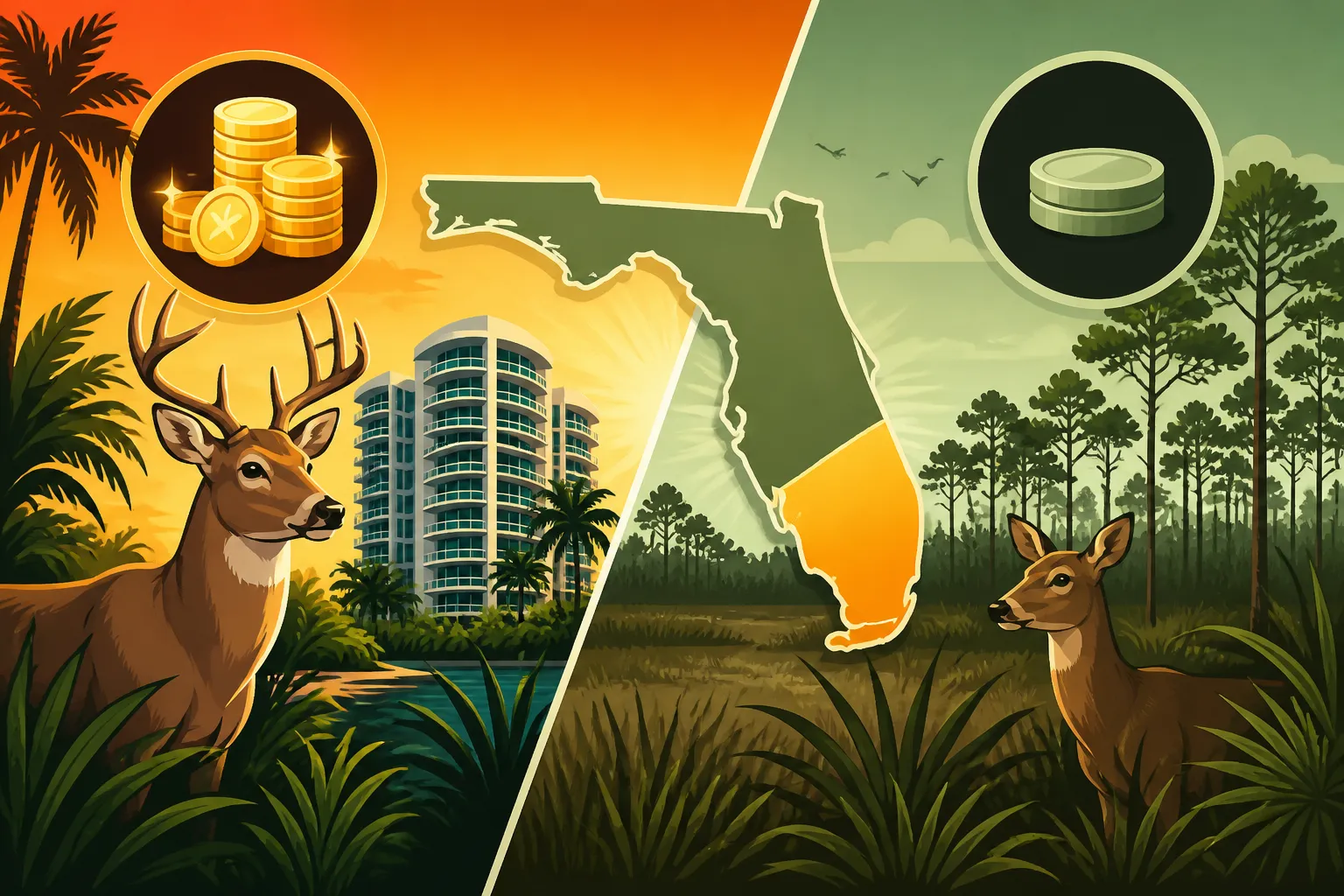
Many hunters who look at booking a guided trip in Florida quickly notice a significant difference in pricing between experiences in South Florida and those found in the Panhandle. It can be quite a head-scratcher, leaving you wondering why an identical species, or at least a similar hunt, seems to cost so much more down south. This comprehensive guide will peel back the layers to reveal the core reasons behind these cost disparities, helping you understand the value and investment involved in your next Florida hunting adventure.
Geographic and Ecological Factors Impacting Costs
Florida is a vast state, and its geography shifts dramatically from the pine flatwoods and hardwood bottoms of the Panhandle to the sprawling wetlands, cypress swamps, and vast cattle ranches of South Florida. These ecological differences play a monumental role in shaping hunting experiences and, consequently, their associated costs.
Unique Habitats and Species Concentration
South Florida is often characterized by its truly unique, and often challenging, hunting environments. Think of the immense scale of the Everglades or the thick, seemingly endless palmetto and cypress swamps. These aren't your typical walk-in-the-park hunting grounds. Navigating these areas often requires specialized knowledge, specific equipment, and a higher degree of physical effort, whether on foot, by airboat, or with a swamp buggy. The dense cover and intricate waterways can make game recovery significantly more difficult and time-consuming.
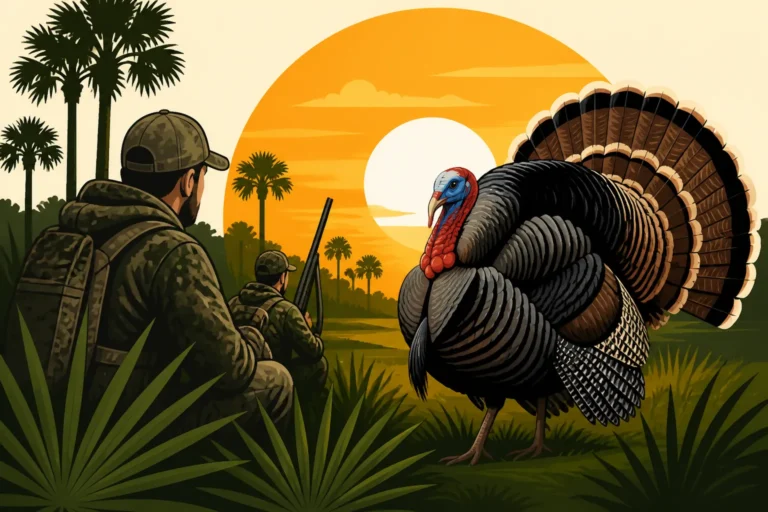
Furthermore, South Florida is the exclusive domain of the Osceola turkey, a prized subspecies that many hunters travel from across the country to pursue. The limited range of these birds, combined with their incredible allure, naturally drives up demand and price. While the Panhandle boasts robust populations of Eastern turkeys, the "once-in-a-lifetime" appeal of the Osceola often commands a premium. Similarly, while feral hogs are plentiful across the entire state, the sheer size and challenge of hunting them in vast, remote South Florida wetlands can add to the perceived value and cost of the hunt. You might find a greater concentration of truly massive alligators in certain South Florida habitats, leading to higher-priced trophy hunts. To learn more about specific areas, read about Hunting the Everglades and Big Cypress.
Climate, Season Length, and Hunter Comfort
Florida's climate is a tale of two extremes, even within the hunting season. South Florida experiences a much longer period of warm, humid weather, with milder winters and less pronounced seasonal shifts compared to the Panhandle. This can translate to an extended hunting season for some species, but it also means hunters are often dealing with heat, humidity, and an abundance of biting insects for more of the year.
Outfitters in South Florida might have higher operational costs related to keeping clients comfortable in these conditions, from providing ample water and shade to managing logistics around warmer weather. The longer "comfortable" hunting window in the Panhandle, aligning more with traditional fall and winter hunting calendars, can sometimes allow for more predictable planning and potentially a higher volume of hunts over a shorter period, which can keep individual hunt prices competitive. The unique challenges of Hot-Weather Sitting Strategy in Florida can also influence guide rates.
Supply, Demand, and Market Dynamics
Just like any other market, the cost of a guided hunt is heavily influenced by the interplay of supply and demand. What's available, how many people want it, and how accessible it is all factor into the final price tag.
High Demand for Trophy and Niche Species
As mentioned, South Florida is home to species that are either unique to the region or grow to exceptional sizes, making them highly desirable targets for hunters. The Osceola turkey is a prime example; a dedicated pursuit of this bird often puts hunters on a waiting list or requires booking well in advance with a top-tier outfitter. Hunters are often willing to pay a premium to complete a "Grand Slam" of North American turkeys, and the Osceola is the crucial Florida piece of that puzzle. Booking a Guided Osceola Turkey Hunt is a significant investment for many.
Similarly, Florida is renowned for its alligator hunting, and the larger, more mature gators often reside in the vast, undisturbed waterways of South Florida. The demand for a chance at a true trophy alligator, especially during the limited Florida Alligator Season Opening Date, can push prices sky-high. Outfitters with a proven track record of consistently putting clients on these animals can command higher rates. You'll find plenty of opportunities for White-Tailed Deer Across Florida in the Panhandle, but the "trophy quality" for deer might be perceived as higher in some South Florida private land areas, albeit with fewer overall deer than in the Panhandle's pine forests.
Restricted Access to Quality Private Land
One of the most significant drivers of higher costs in South Florida is the often-limited access to prime private hunting land. Much of South Florida's landscape is dominated by large cattle ranches, agricultural operations, and vast preserves that are privately owned. These landowners understand the value of their hunting resources, especially when it comes to trophy-class animals or the unique Osceola turkey.
Outfitters who secure leases on these highly productive properties pay a substantial amount for that exclusive access. This cost is naturally passed on to the client. Finding a high-quality, free-range deer hunt or a prime Osceola property often means a significant financial commitment from the outfitter. In contrast, while the Panhandle also has private lands, there can be more options for leasing smaller tracts or securing permission on timber company lands, which can sometimes lead to more competitive pricing on guided deer or Eastern turkey hunts. Platforms like BookYourHunt and GoHunt sometimes provide clarity on the type of land (private vs. public) and region when comparing guide services. Information about Florida Hunting Lease Costs can provide more context on these expenses.
| Factor | South Florida Hunts | Panhandle Hunts |
|---|---|---|
| Primary Species Demand | Osceola Turkey, Trophy Alligator, Large Hogs | Eastern Turkey, White-Tailed Deer, Hogs |
| Habitat Complexity | High (Everglades, cypress swamps, dense palmetto) | Moderate (Pine forests, hardwood bottoms, river drainages) |
| Specialized Equipment | Often required (airboats, swamp buggies, gator gear) | Less often required (ATVs, trucks) |
| Private Land Access | Highly coveted, expensive leases | More varied, potentially more affordable leases |
| Season Length Impact | Milder winters, extended hunting opportunities | More defined seasons, colder winters |
| Guide Expertise | Specialized knowledge for unique habitats/species | Traditional hunting knowledge |
| Perceived Trophy Value | Often higher for niche/unique species | Strong for deer, good for Eastern turkey |
Outfitter Overhead and Expertise
Beyond the landscape and market forces, the day-to-day operational realities of running a guided hunt deeply influence the price you pay. The investments outfitters make in their business, from equipment to personnel, are all reflected in their rates.
Specialized Gear and Logistical Challenges
Hunting in South Florida often requires a significant investment in specialized gear that isn't typically needed in other hunting environments. Imagine trying to navigate the vast, shallow waters of the Everglades without an airboat, or retrieve a hog from a mucky cypress swamp without a specialized swamp buggy. These machines are incredibly expensive to purchase, maintain, fuel, and transport. An outfitter needs to factor in not just the upfront cost, but also the continuous expenses of repairs, insurance, and the skilled operators required to run them safely. This is why Airboat Hunting Guides in Florida often have higher price points.
Logistics in these challenging environments can also be complex and time-consuming. Getting hunters and gear to remote locations, especially for multi-day hunts, involves careful planning, extra fuel, and more personnel. The "easy" access points might be miles from where the game is, adding time and effort to every hunt. This directly impacts an outfitter's operating budget. In the Panhandle, while ATVs and trucks are certainly used, the terrain often allows for more conventional access, which can keep these specific equipment and logistical costs lower.
Lease Costs, Habitat Management, and Labor
As discussed, securing access to prime hunting land is a major expense for South Florida outfitters. These leases can run significantly higher than those in other parts of the state, especially for properties known for trophy animals or exclusive Osceola turkey populations. But it's not just about paying for the land; many reputable outfitters also invest heavily in habitat management. This could include planting elaborate food plots, conducting prescribed burns to improve forage, managing water levels in wetlands, and even predator control programs to boost game populations. These efforts require substantial financial resources and ongoing labor, all designed to enhance the hunting experience and increase success rates.
Furthermore, the cost of labor for skilled guides and support staff can be higher in South Florida, especially for those with specialized expertise in alligator hunting or Osceola turkey calling. These aren't just folks who know how to hunt; they're often experts in their specific craft, navigating complex ecosystems, reading subtle signs, and ensuring client safety. When you book a guided hunt, you're not just paying for the opportunity to harvest an animal; you're investing in the outfitter's entire operation, including the land management, equipment, and experienced team that makes the hunt possible.
The Value of Local Expertise and Success Rates
Finally, the premium associated with South Florida hunts often reflects the invaluable local expertise and proven success rates of the guides and outfitters. Hunting Florida's unique ecosystems requires a nuanced understanding that takes years, if not decades, to acquire. A seasoned South Florida guide knows the subtle changes in the landscape, the preferred bedding areas for hogs in various conditions, the precise locations where a wary Osceola gobbler might roost, or the best strategy for Stalking an Alligator on a Freshwater Lake. This deep, localized knowledge dramatically increases a hunter's chances of success and safety.
Outfitters in high-demand areas, especially those consistently delivering on trophy expectations for species like Osceolas or large alligators, build reputations that allow them to charge higher prices. Clients are willing to pay more for the confidence that comes with booking a hunt with an outfitter known for delivering results. When researching your options, whether through a platform like GoHunt or by direct contact, always consider the outfitter's experience, their long-term presence in the region, and their testimonials. While What's Included in an Alligator Hunt Package can vary, the guide's expertise is almost always the most critical component. Essentially, when you're paying more for a South Florida hunt, you're often paying for peace of mind and a significantly higher probability of achieving your hunting goals in a truly unique environment.
Disclaimer
This article is for general informational purposes only and does not constitute professional advice. Laws, prices and regulations vary by location and change over time. Consult a qualified professional for guidance on your specific situation.