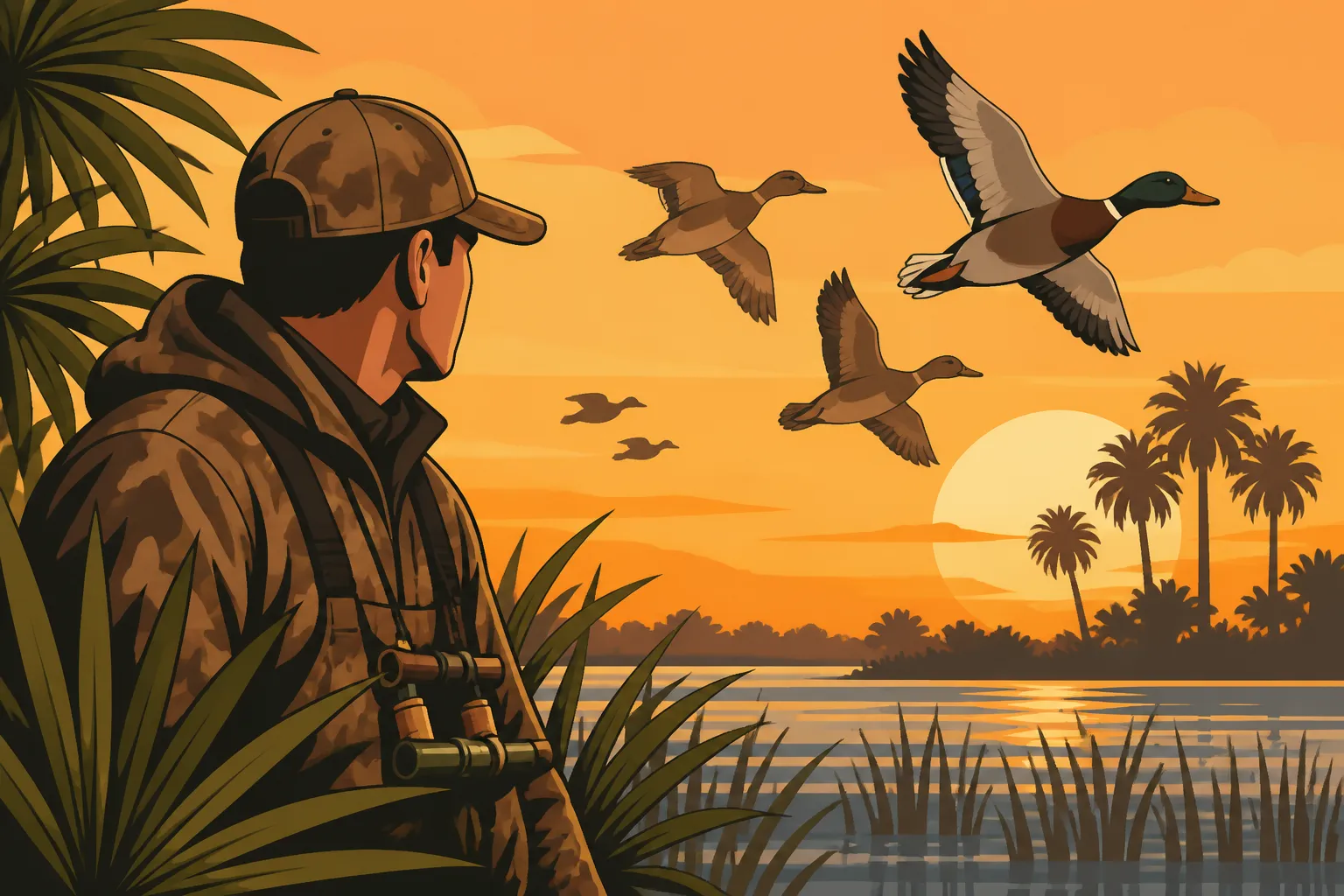
Booking a Florida Waterfowl Guide
Florida waterfowl hunting, for all its glory, can feel like trying to solve a cryptic puzzle if you're not intimately familiar with its unique landscapes and migratory patterns. From the dense cypress swamps to the vast coastal marshes, knowing where to find the birds and how to hunt them successfully is a monumental challenge. This guide will walk you through everything you need to know about booking a reputable Florida waterfowl guide, ensuring you turn frustration into feathered success.
Why a Florida Waterfowl Guide is a Game Changer
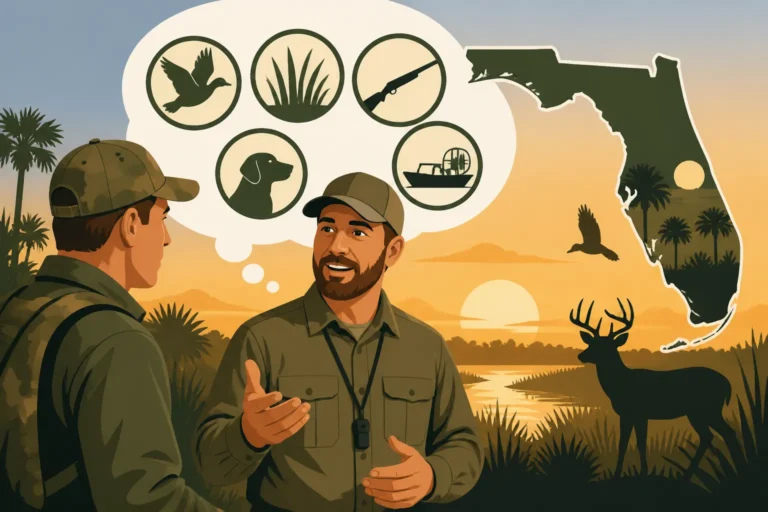
Let's be honest, Florida isn't exactly the first place that springs to mind when you picture traditional waterfowl hunting. Most folks think of Saskatchewan or Arkansas. But the Sunshine State boasts a surprising diversity of ducks and geese, and its habitats are unlike anything you'll find elsewhere. Trying to navigate these unique environments and consistently find birds without local expertise is a recipe for disappointment. That's where a good guide becomes absolutely invaluable. They're not just boat drivers; they're habitat experts, bird biologists, and weather forecasters all rolled into one, saving you countless hours of scouting and frustration.
Navigating Complex Habitats
Florida's landscape is incredibly diverse, offering everything from vast freshwater lakes and sprawling coastal marshes to intricate river systems and cypress sloughs. Each habitat type holds different species of waterfowl, and each requires a specialized approach. Picture yourself trying to run an airboat through the Everglades, set a spread in a hidden cypress pond, or quietly paddle a canoe down a winding blackwater creek for wood ducks. It's a logistical nightmare for the uninitiated. A guide has spent years, often decades, mastering these specific waterways, understanding currents, tides, shallow spots, and the ever-shifting nature of Florida's waters.
They know exactly where to go based on water levels, recent bird movements, and even the time of day. What might look like an impenetrable wall of sawgrass to you is a well-known passage for them. They'll safely get you to prime hunting locations, often on private leases or obscure public lands that would take you years to discover on your own. This intimate knowledge of the local terrain is perhaps the single biggest advantage a guide provides, turning potential hazard into productive hunting ground.
Understanding Local Waterfowl Behavior
Florida waterfowl can be finicky. While we get our share of migrating birds along the Atlantic Flyway, we also have significant resident populations of species like mottled ducks and wood ducks. These birds behave differently than their northern cousins. They react to weather changes in unique ways, often influenced by fronts moving off the Gulf or Atlantic, rather than just extreme cold. Their feeding patterns might revolve around specific aquatic vegetation that's hard to identify, or they might prefer certain roosting spots that only a seasoned local would know.
A good guide is constantly scouting, observing these nuances. They track migration patterns, know which species are "in" and where, and understand how hunting pressure impacts local bird movements. They've seen it all, from early season teal scorching the skies to late-season divers hunkered down in deep water. This expertise in local waterfowl behavior means they can put you where the birds want to be, increasing your chances of success exponentially. You might think you can just look up migration reports, but local knowledge translates that data into actionable hunting strategy.
Maximizing Limited Time
For many of us, hunting time is a precious commodity. Whether you're traveling from out of state or simply juggling work and family commitments, you likely don't have weeks to scout new areas. This is where a guide truly shines. They've already done the legwork. Instead of spending your valuable weekend driving around, trying to find access, and blindly setting up decoys, you step into a pre-scouted, often pre-set, hunting scenario. This means more time with a loaded gun and less time wondering if you're in the right spot.
Think about it: you arrive, meet your guide, hop in their boat, and within minutes or an hour, you're at the X, ready for legal shooting light. They know the best blinds, the optimal decoy spreads for the current conditions, and exactly how to call the birds in. This efficiency is priceless, especially if you're on a short trip. It transforms a potentially frustrating scouting mission into a focused, productive hunt, ensuring that every minute you spend afield is maximized for opportunity.
Types of Florida Waterfowl Hunts and What to Expect
Florida's diverse ecosystems lead to a fascinating array of waterfowl hunting experiences. It's not a one-size-fits-all situation, and understanding the different types of hunts available will help you choose the right guide and set your expectations properly. Each type of habitat attracts different species, demands specific equipment, and offers a unique challenge. Knowing what you're getting into is key to an enjoyable and successful trip.
Marsh and Lake Hunts (Mottled Ducks, Ring-necks, Teal)
These are probably the most common types of guided waterfowl hunts you'll find in Florida, especially in areas like Lake Okeechobee, the St. Johns River system, and various coastal impoundments. In these open water and marshy environments, you'll primarily be targeting mottled ducks, Florida's resident "black duck" cousin, along with a variety of diving ducks like ring-necks, bluebills (scaup), and redheads. Early teal season can also offer incredible fast-paced shooting over these same types of waters.
Expect to hunt from permanent blinds, layout blinds in rice fields, or mobile setups with pop-up blinds concealed in natural vegetation. Your guide will likely use a spread of dozens, if not hundreds, of decoys to attract birds to your location. The action can be fast and furious, especially at first light as ducks trade between roosting and feeding areas. Access might involve airboats, mud motors, or traditional shallow-draft vessels, depending on the specific location and water depth. Decoying Wood Ducks at First Light or Layout Blind Hunting a Flooded Rice Field could give you a sense of the setup. These hunts require patience, good concealment, and quick reflexes as ducks often come in fast and low.
River and Cypress Slough Hunts (Wood Ducks, Mallards)
If you're looking for a more intimate, visually stunning experience, then hunting Florida's winding rivers and hidden cypress sloughs is unparalleled. This is prime habitat for the gorgeous wood duck, often considered one of the most beautiful waterfowl species. You might also encounter resident mallards, especially in the Panhandle, and occasionally other dabblers. These hunts are often conducted from small boats or canoes, paddling silently through flooded timber or setting up in natural cover along a creek bank.
Decoy spreads are usually much smaller, often just a handful of wood duck decoys, and calling is a critical skill. The shooting can be challenging, as wood ducks are incredibly agile fliers, often weaving through trees at high speed. You'll need to be ready for quick, close-range shots. These hunts often have a more "still-hunting" or "jump-shooting" feel to them, requiring stealth and awareness of your surroundings. Guides specializing in these areas will know the subtle nuances of water flow, hidden pockets, and prime roosting locations.
Field and Agricultural Area Hunts (Doves, sometimes divers)
While not strictly a "waterfowl" hunt in the traditional duck and goose sense, many Florida guides also offer upland bird hunts, particularly for doves over agricultural fields. However, sometimes certain agricultural fields, especially flooded rice or corn, can attract dabbling ducks looking for leftover grain. This is less common for guided duck hunts but can certainly be a bonus. More often, if a guide mentions "field hunts," they are referring to doves.
Dove hunts are typically pass-shooting affairs, where hunters are strategically positioned around a field edge or within a cut crop field. Decoys are often spinning wing "mojo" decoys, which can be incredibly effective. The shooting is fast, fun, and a great way to hone your wing-shooting skills. For those who want to extend their trip or add another species to their bag, a combo hunt might include both morning duck action and an afternoon dove shoot. It's important to clarify with your guide exactly what "field hunt" entails when booking to avoid any surprises. Pass-Shooting Doves on a September Field might be a good read if you're considering this option.
What to Look for in a Reputable Florida Waterfowl Guide
Booking a guided hunt is an investment, both of your time and money. You want to ensure you're putting your trust in someone who is not only capable but also operating legally and safely. Unfortunately, like any industry, there are always a few bad apples. Doing your homework upfront can save you a lot of heartache and ensure you have a positive, memorable experience. Don't be shy about asking direct questions; a good guide will appreciate your diligence.
Licensing, Insurance, and Safety
This is non-negotiable. Any legitimate Florida waterfowl guide should be properly licensed by the state to operate a commercial vessel, if applicable, and to guide hunters for hire. They should also carry appropriate liability insurance. This protects both them and you in the unlikely event of an accident. Don't just take their word for it; ask to see proof of their licenses and insurance. A reputable guide will have these readily available and won't be offended by your request.
Beyond licenses, safety should be their paramount concern. Ask about their safety protocols: Do they provide life jackets? What's their plan in case of severe weather or a mechanical breakdown? Do they have emergency communication equipment? Are their boats well-maintained and up to Coast Guard standards? A guide who can clearly articulate their safety measures is one who takes your well-being seriously. It's not about being paranoid; it's about being prepared, especially when dealing with water, firearms, and unpredictable wildlife.
Experience and Local Knowledge
While enthusiasm is great, experience truly counts in waterfowl hunting. You want a guide who has spent years on the specific waters you'll be hunting. This isn't just about knowing where to put the boat; it's about understanding the subtle shifts in bird patterns, the best calling techniques for local birds, and how to adapt to changing weather conditions on the fly. Ask them about their history guiding in the area, how long they've been doing it, and what their typical season looks like.
A good guide will be able to talk confidently about the species you're targeting, their habits, and the challenges specific to Florida hunting. They should be able to tell you how they adapt their strategy when birds aren't flying, or when the weather changes unexpectedly. You can often glean a lot from their storytelling and anecdotes about past hunts. Websites like BookYourHunt.com or GoHunt.com can be useful resources for finding guides and reading reviews from previous clients, giving you an insight into their experience and local expertise.
Equipment and Boat Setup
The right equipment can make or break a hunt, especially in Florida's varied conditions. Discuss with your potential guide the type of boat they use. Is it appropriate for the shallow marshes, open lakes, or tight cypress sloughs you'll be hunting? Do they have a reliable mud motor for shallow water, or an airboat for expansive, vegetated areas? Ask about their decoy spread – quantity, quality, and motion decoys. Are their blinds comfortable and effectively camouflaged for the environment?
Also, inquire about their dog. A well-trained retrieving dog can save countless lost birds and enhance the overall experience. A guide who invests in quality, well-maintained equipment demonstrates professionalism and a commitment to providing a good experience. A beat-up boat, worn-out decoys, or a lack of attention to detail in their setup can be red flags. Remember, you're paying for a full experience, and the guide's gear is a big part of that.
The Booking Process: From Inquiry to Hunt Day
Once you've identified a few potential guides, the real work of booking begins. This stage involves clear communication, understanding the financial commitments, and ensuring all parties are on the same page regarding expectations. It's crucial to leave no stone unturned during this process to avoid any unwelcome surprises closer to your hunt date. Being proactive here will pay dividends down the line.
Initial Contact and Availability
Start by reaching out to guides well in advance, especially for prime season dates or popular weekends. Florida waterfowl season can be relatively short for some species or zones, and the best guides book up quickly. A simple phone call is often best, allowing for a more personal conversation where you can ask initial questions and gauge their personality. Be prepared to discuss your preferred dates, the number of hunters in your party, and the species you're most interested in targeting.
During this initial chat, a good guide will confirm their availability and potentially offer alternative dates if your first choice is booked. They should also be able to provide a general overview of what their hunts entail, typical bag limits, and any specific requirements. This is your chance to get a feel for their communication style and responsiveness, which can be an indicator of how organized and professional they are. Don't be afraid to ask about Florida Waterfowl Season and Zones if you have specific dates in mind, as different zones and species have varying schedules.
Understanding Package Details and Costs
Guided hunts almost always come as a package, and it's vital to understand what's included and what's not. Ask for a detailed breakdown of the costs. This should clearly state the price per hunter, what specific services are covered (e.g., boat, decoys, guide, dog, blind setup), and any potential extra charges. Are meals included? What about processing your birds? Are there any hidden fees for fuel or private land access?
Discuss how licenses and stamps are handled. Do you need to purchase these beforehand, or can the guide assist? For instance, you'll definitely need a Florida Federal Duck Stamp Requirement along with your state hunting license and migratory bird permit. A transparent guide will provide all this information upfront, either verbally or, even better, in writing. Don't assume anything; clarify every detail regarding the financial aspect of the hunt to avoid any misunderstandings later on.
Deposit, Payment, and Cancellation Policies
Every guide will require a deposit to secure your booking. Understand the amount, when it's due, and whether it's refundable under certain circumstances. Reputable guides often have firm cancellation policies, especially since they turn down other bookings for your reserved date. Ask about their policy for inclement weather; will they reschedule, or is there a partial refund? What happens if you need to cancel last minute due to an emergency?
Clarify the remaining payment schedule: when is the final balance due? Is it payable in cash, check, or credit card? Having a clear understanding of these policies protects both you and the guide. A written agreement or confirmation email detailing these terms is always a good idea. This financial transparency is a hallmark of a professional operation and ensures a smooth transaction.
Essential Gear and Preparations for Your Guided Hunt
Once your hunt is booked, the excitement builds, but don't let it distract you from the practicalities. Proper preparation, especially regarding your gear and legal requirements, is crucial for a comfortable and compliant hunt. Florida weather can be notoriously unpredictable, swinging from chilly mornings to warm afternoons, so layering is often key. Taking the time to gather and organize your equipment beforehand will allow you to relax and focus on the hunt itself when the day arrives.
Licensing and Federal Duck Stamp Requirements
This is perhaps the most critical preparation. Before you even think about packing your shotgun, ensure all your licenses and permits are in order. You'll need a valid Florida hunting license. If you're a nonresident, make sure you understand the specific Florida Nonresident License Options available. Additionally, every waterfowl hunter 16 years or older needs a Federal Duck Stamp, which contributes directly to wetland conservation. You'll also need a Florida Migratory Bird Permit (often called a HIP certification).
Make sure to purchase these well in advance of your trip. Many can be bought online through the FWC website or at local retailers like sporting goods stores. Always carry physical or digital proof of your licenses and stamps with you in the field. Nothing will derail a hunt faster than not having the correct legal documentation, and a guide cannot legally take you hunting if you're not properly licensed.
Personal Gear: Waders, Camo, and Shotgun
Florida waterfowl hunting often means getting wet, so reliable waders are a must. Chest waders are generally preferred to keep you dry and warm in chilly marsh conditions. Layering your clothing is key: start with moisture-wicking base layers, add insulating layers, and top it off with waterproof and windproof outerwear in appropriate camouflage patterns. Florida's dominant vegetation often leans towards browns, greens, and tans, but "marsh" or "timber" patterns are usually suitable.
For your shotgun, a 12-gauge is standard, capable of handling steel shot (which is legally required for waterfowl). Bring plenty of non-toxic shot; steel is the most common, but bismuth or tungsten-alloy are also options. Discuss with your guide what shot size they recommend for the species you'll be targeting (e.g., #2 or #3 steel for larger ducks, #4 or #6 steel for teal). Don't forget ear and eye protection, which are essential for safety. A good waterproof bag for your essentials (phone, extra shells, snacks) is also highly recommended.
What Guides Typically Provide (Decoys, Blinds, Dogs)
One of the great advantages of a guided hunt is that the guide typically handles the heavy lifting when it comes to shared equipment. You can almost always expect your guide to provide the boat, all the decoys (often a huge spread), the blind (whether permanent, pop-up, or natural cover), and their trained retrieving dog. This saves you the immense hassle and expense of transporting and setting up this specialized gear.
However, it's always good to confirm this with your guide during the booking process. While it's standard, there's no harm in asking, "What exactly do I need to bring, and what do you provide?" This clarity ensures you don't show up with unnecessary items or, worse, without something critical. Some guides might even have loaner shotguns if you're flying in and prefer not to travel with your own, but confirm this well in advance as it's less common.
Making the Most of Your Guided Florida Waterfowl Experience
So, you're booked, your gear is packed, and the morning of your hunt has arrived. Now what? The interaction you have with your guide, your attitude, and your preparedness can significantly impact not just your success, but the overall enjoyment of the trip for everyone involved. A guided hunt is a partnership, and mutual respect and clear communication go a long way.
Communicating Your Expectations
Before the hunt begins, have a brief chat with your guide about your expectations for the day. Are you hoping to fill your limit, or are you more interested in a specific species? Is this your first waterfowl hunt, or are you a seasoned veteran? Do you want to learn more about calling or decoy spreads? Being honest about your skill level and goals helps the guide tailor the experience to you.
For example, if you're a newer hunter, they might offer more shooting tips or position you in a spot with easier shots. If you're experienced, they might give you more autonomy in calling or identifying birds. Don't be unrealistic; remember that hunting is never a guarantee. A good guide will do their best, but they can't control the birds or the weather. Clear, realistic communication ensures everyone is on the same page.
Guide Etiquette and Tipping
Just like any service industry, tipping your guide is customary and a great way to show your appreciation for their hard work, expertise, and dedication. Guides often work incredibly long hours, starting well before dawn and finishing long after sunset, all while dealing with demanding clients, unpredictable weather, and finicky birds. A typical tip for a good waterfowl guide usually falls within a range, depending on the service and success of the hunt.
| Service Level | Typical Tip Range (Per Hunter, Per Day) | Notes |
|---|---|---|
| Standard | 15-20% of the hunt cost | For a solid effort, good experience, and decent opportunities, regardless of full limits. |
| Exceptional | 20-25%+ of the hunt cost | For going above and beyond, outstanding bird numbers, excellent teaching, or difficult conditions handled well. |
| Minimal | 10-15% of the hunt cost | If the guide's effort or professionalism was noticeably lacking, but still provided the service. |
It's usually best to tip in cash at the end of the hunt. This money goes directly to your guide and is a vital part of their income. If you're on a multi-day trip, you can tip daily or at the end of the entire trip. If the guide has a retrieve dog, a small extra tip for the dog handler (if it's not the main guide) is also a thoughtful gesture. Remember, a tip is a reflection of the service, not just the number of birds shot.
After the Hunt: Game Care and Photos
Once the hunting is done, the work isn't over. Your guide will typically handle the collection of decoys and breakdown of the blind. They'll also assist with collecting your birds. Many guides offer basic bird processing, such as breasting out your ducks, but clarify this beforehand. If you want full birds or special cuts, you might need to arrange for a local processor or do it yourself.
Don't forget to take photos! These memories are a huge part of the experience. Your guide is usually happy to help you arrange your birds for a great photo opportunity. Be mindful of ethical hunting practices and respect the game you've harvested. After the photos, ensure all birds are properly tagged and cared for according to FWC regulations. If you're traveling, make sure you understand the rules for transporting game meat. Cooking a Wild Turkey Breast (even though it's turkey, the principles of game care apply) or Butchering a Deer at Camp can give you an idea of meat processing considerations.
Common Questions About Florida Waterfowl Guides
It's natural to have a lot of questions when planning a guided waterfowl hunt, especially in a state like Florida with its unique hunting culture and diverse habitats. Addressing these common queries can help solidify your understanding and ensure you go into your booking and hunt with confidence.
Best Time of Year to Book
The best time to book your hunt is typically several months in advance, especially for peak season dates. Many guides have repeat clients who book a year out. For Florida waterfowl, this means looking to reserve your spot during the late spring or early summer for the upcoming fall/winter season.
As for the best time of year to hunt, it largely depends on the species you're targeting and the migration patterns. Early Teal Season, usually in September, offers fast action. The main duck season in Florida typically runs from November through January or February, often with split seasons. The cooler months of December and January often see the highest numbers of migratory birds, but pressure can also be higher. Consult the Florida Duck Season Split Dates or Florida Early Teal Season Dates to align your desired hunting dates with when specific species are most prevalent. Early season (November) can be great for resident mottled ducks and early migrants, while late season (January/February) often brings in more diverse diving ducks.
Public vs. Private Land Access
Most guided waterfowl hunts in Florida occur on private lands, either leased agricultural properties or private marshlands. This is a significant advantage of booking a guide. Private land often offers less hunting pressure, better habitat management, and more consistent bird numbers compared to public land. Guides cultivate relationships with landowners, securing exclusive access to prime areas that you simply couldn't hunt on your own.
While some guides might operate on public lands, such as specific Wildlife Management Areas (WMAs) or National Forests, these hunts often involve quota permits or are subject to much higher hunting pressure. If you're looking for a more secluded, higher-quality experience, a guide with private land access is usually the way to go. Make sure to ask your guide whether they primarily hunt private or public land, as this can affect the overall experience and success rate. Hunting Florida's Green Swamp or Florida Wildlife Management Areas will illustrate some of the public land considerations if you're curious about that side of things.
Success Rates and What They Really Mean
When a guide advertises a "high success rate," it's important to understand what that truly signifies. In waterfowl hunting, a "successful" hunt doesn't always mean every hunter shot their full limit. It often refers to having shooting opportunities, seeing birds, and providing a quality experience. Ducks are wild animals, and their behavior is never guaranteed. Factors like weather, migration patterns, and shooting proficiency all play a role.
Ask your guide to clarify what their "success rate" means. Do they mean opportunities to shoot? Or full limits every time? A reputable guide will be honest about the variability of hunting and won't make impossible promises. They might say, "We have a 90% opportunity rate," meaning 90% of their clients get shots at birds, even if they don't all limit out. Look for consistency in client reviews, not just claims of always bagging limits. A good guide's goal is to put you in the best possible position for success and to provide a memorable time afield, regardless of the final bird count.
Disclaimer
This article is for general informational purposes only and does not constitute professional advice. Laws, prices and regulations vary by location and change over time. Consult a qualified professional for guidance on your specific situation.