Booking Two Species in One Florida Trip
It's no secret that Florida offers some incredible hunting opportunities, but for many of us, getting away for multiple trips throughout the year just isn't feasible. The thought of cramming two distinct hunting adventures into one precious block of time can feel daunting, leading to missed opportunities. This guide is here to unravel the complexities of booking a multi-species hunting trip in the Sunshine State, helping you maximize your time afield and experience more of what Florida's diverse wildlife has to offer.
Why Combine Species on One Florida Hunt?
Let's be honest, dedicating precious vacation days and hard-earned money to a single type of hunt can sometimes feel limiting, especially when Florida boasts such a wild array of game animals. Combining species isn't just about efficiency; it's about enriching your entire hunting experience.
Maximizing Your Time and Travel Investment
Think about it: the flight, the drive, the hotel or camp setup – it all takes time and money. When you travel to Florida, whether you're coming from across the state or across the country, you want to make every moment count. A multi-species hunt allows you to do just that. Instead of packing up and heading home after just a few days pursuing one animal, you transition seamlessly into the pursuit of another, often in the same general area or even on the same property. This approach helps spread out those initial travel costs over more hunting opportunities, giving you more bang for your buck, quite literally. You're already there, your gear is mostly unpacked, and your mind is in hunting mode, so why not extend the adventure?
Florida's unique geography, with its varied habitats from dense palmetto scrub to cypress swamps and open pine flats, supports a surprising diversity of game. This means that often, the habitat for one species isn't too far removed from another, making the logistical leap between hunts much smaller than you might imagine. Imagine having spent a few mornings Hunting Florida Cypress Swamp Edges for deer, and then shifting your focus to setting up for ducks in a nearby slough in the afternoons.
The Thrill of Diverse Hunting Experiences
There's a special kind of satisfaction that comes from switching gears and applying different hunting skills within the same trip. Chasing a cunning whitetail buck in the dense undergrowth demands a different kind of patience and stealth than calling in a wary Osceola gobbler from a thick pine plantation. The change of pace keeps things fresh and exciting, challenging you to adapt your tactics, your gear, and your mindset. One day you might be tracking deer sign along a sand road, and the next you're learning the nuances of bowfishing for destructive feral hogs. This constant challenge can sharpen your overall hunting prowess.
For instance, the strategic silence and slow movement required for still-hunting a deer in a Florida hammocks can be a stark contrast to the high-adrenaline quick draw needed when an alligator suddenly surfaces near your boat. It engages different senses and skill sets, making you a more versatile hunter. Plus, it's a fantastic way to introduce variety and avoid the monotony that can sometimes creep into single-species pursuits, especially during slower periods.
Economic Advantages of Bundling
While it might seem counterintuitive to think a longer, more varied trip could be more economical, bundling multiple species with an outfitter often comes with financial perks. Many guides and lodges offer package deals that reduce the per-day or per-animal cost when you commit to a multi-species hunt. They appreciate the longer booking and the guarantee of your business for an extended period, which can translate into savings for you.
Instead of booking two separate trips with two separate deposits, licenses, and logistical headaches, you consolidate everything. This streamlined approach not only saves on guide fees and potentially Florida Hunting Licenses and What They Cost, but also on lodging, fuel, and other associated expenses. It’s always worth discussing combo packages with outfitters upfront, as they might have unadvertised options or be willing to customize a package to fit your specific multi-species aspirations. This is where researching options through platforms like BookYourHunt can really pay off, allowing you to compare package inclusions and pricing structure before you commit.
Popular Florida Multi-Species Combos
Florida's diverse ecosystems make it ripe for combining various hunting pursuits. Depending on the season and your target animals, some combinations are far more practical and popular than others.
Hog and Deer: The Classic Florida Pairing
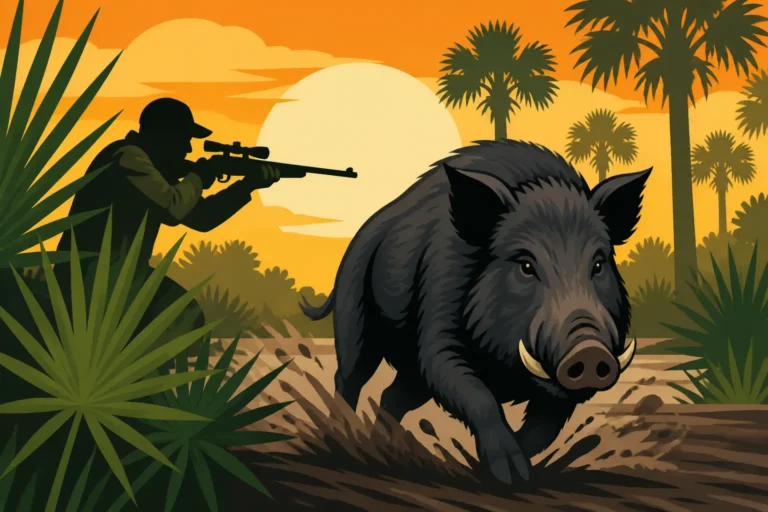
If there’s one combo that screams "Florida hunting," it’s deer and hogs. These two species often inhabit similar landscapes, particularly in areas with a mix of pine flatwoods, oak hammocks, and agricultural fields. What makes this pairing so attractive is the flexibility that feral hogs offer; they have no closed season, no bag limits, and can be hunted using a variety of methods. This means you can focus on deer during legal daylight hours, and then shift your attention to hogs in the evenings or even at night.
Many outfitters catering to White-Tailed Deer Across Florida will also have strong populations of Feral Hogs Across Florida on their properties. You might spend the early morning hours glassing a food plot for a buck, and then after the deer activity slows, transition to baiting hogs or even conducting a spot-and-stalk approach in a palmetto head. A guided hunt often provides the equipment and expertise for specialized hog hunting, like thermal optics for night hunting, making this a truly unique and action-packed combination. This combo is particularly strong during the fall and winter deer seasons in any of Florida's zones.
Turkey and Hog: Springtime Action
As spring awakens across Florida, the wild turkey population becomes the star of the show, but that doesn't mean you have to put your hog hunting ambitions aside. The spring turkey season offers a fantastic window to combine the thrill of calling in a gobbler with the persistent challenge of pursuing feral hogs. Imagine the morning ritual: setting up before dawn, listening to the woods come alive, and hopefully, coaxing a big tom into range. After the turkey hunt, when the woods settle down or the birds go quiet, you can refocus your efforts on hogs.
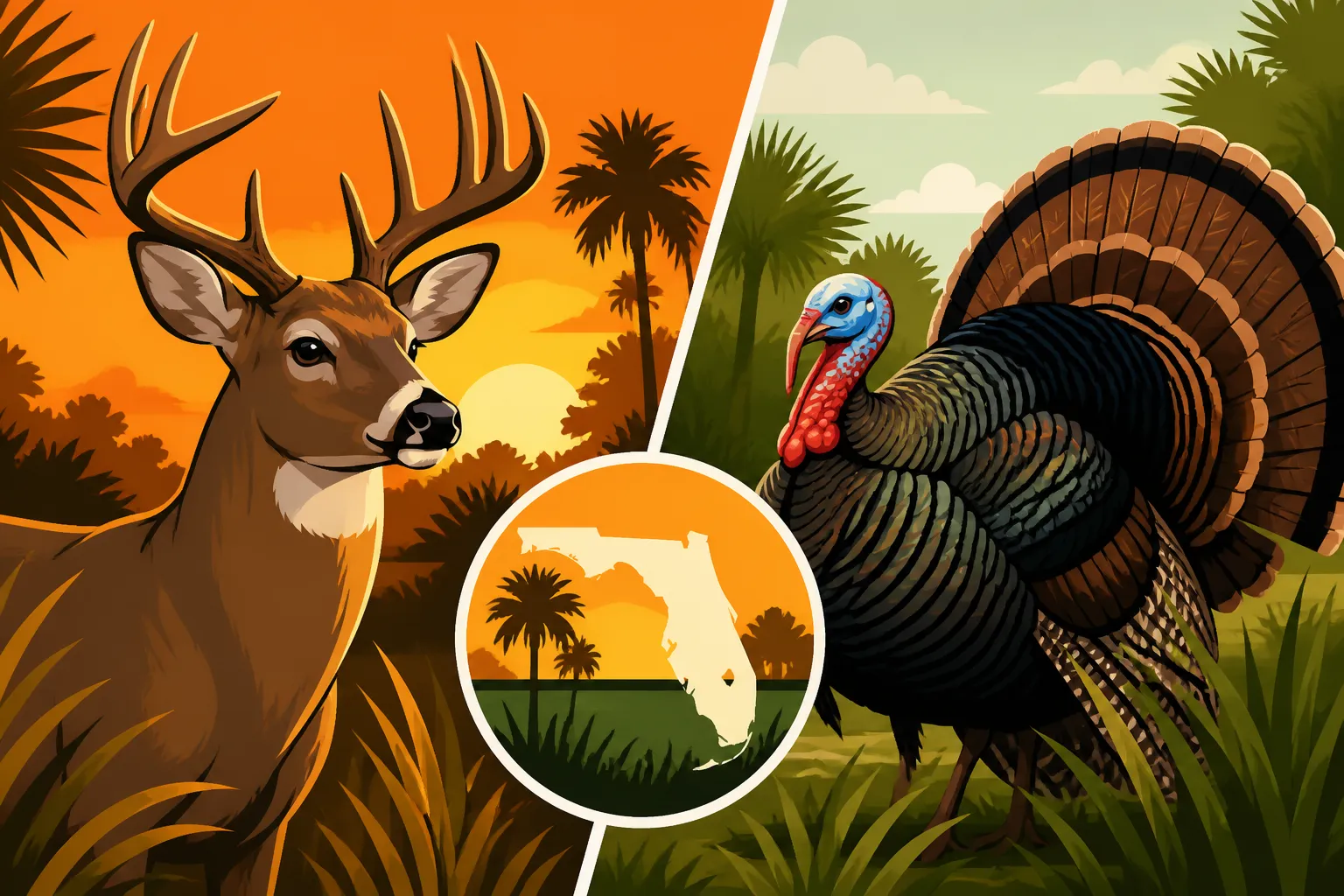
Many of the same habitats that attract Osceola Turkeys in Peninsular Florida or Eastern Turkeys in the Florida Panhandle, such as pine forests with open understories or oak hammocks, are also prime hog territory. Outfitters know this and often have packages designed for this specific springtime duo. It's a great way to experience two completely different hunting styles – the strategic patience of turkey hunting versus the often more dynamic approach to hog hunting – all within the beautiful backdrop of a Florida spring.
Alligator and Hog: Unique Florida Adventure
For hunters seeking a truly unique and memorable experience, pairing an alligator hunt with a hog hunt is an unparalleled Florida adventure. While the seasons don't always perfectly align for a simple overlap, many outfitters are set up to provide both. Alligator hunting is a quota-based system, requiring a state permit, but many outfitters offer guaranteed tags or can incorporate your drawn tag into their services. The sheer excitement of harvesting a Florida alligator, whether by harpoon, bang stick, or crossbow, is a once-in-a-lifetime thrill.
After successfully completing an alligator hunt, often conducted at night or from a boat, you can then switch gears to the pursuit of hogs. This might involve entirely different properties or methods, but the contrast between the two hunts is immense. The tactical, often nocturnal pursuit of an alligator gives way to the more terrestrial challenge of finding and dispatching feral hogs. This combo requires careful planning due to the specific Florida Statewide Alligator Permit Lottery process, but the payoff in terms of unique trophies and unforgettable stories is immense. Harvesting an Alligator With a Bang Stick and then moving on to a hog hunt truly represents the wild side of Florida.
Planning Your Multi-Species Florida Adventure
Successfully executing a multi-species hunt in Florida requires more than just showing up. A bit of upfront planning can make all the difference between a frustrating trip and a fantastic one.
Researching Overlapping Seasons and Permits
The first and arguably most critical step is to deeply understand Florida's hunting regulations. The state has specific seasons for different game species, and these can vary significantly depending on the deer zone you plan to hunt in. For example, Florida Zone A Season Dates will differ from Florida Zone C Season Dates. Deer seasons typically run in the fall and winter, while spring turkey season is, well, in the spring! Alligator season runs for a specific period in the late summer/early fall. Hogs are the wildcard here, with Florida's Year-Round Hog Hunting Rules making them available whenever you are.
You’ll need to ensure your chosen species' seasons overlap or can be logically sequential within your trip window. This means careful study of the current FWC hunting season dates. Additionally, different species require different permits. You’ll need a base hunting license, and then often specific permits for deer, turkey, or an alligator. For an alligator hunt, you’ll typically need to apply for a statewide permit or book with an outfitter who provides one. Understanding these requirements well in advance will prevent any last-minute surprises or disappointments. The FWC website is your best friend for this, and don’t hesitate to call them directly if you have questions.
Finding the Right Outfitter for Combos
Once you have a general idea of the species and seasons you're interested in, the next step is finding an outfitter that specializes in multi-species hunts. Not all guides are set up for every combination, and some excel in one area more than others. Look for outfitters who explicitly advertise combination packages or who have a track record of guiding successfully for multiple game animals. Platforms like BookYourHunt or GoHunt can be invaluable resources here, allowing you to filter by species and even read reviews from other hunters who have booked combo trips.
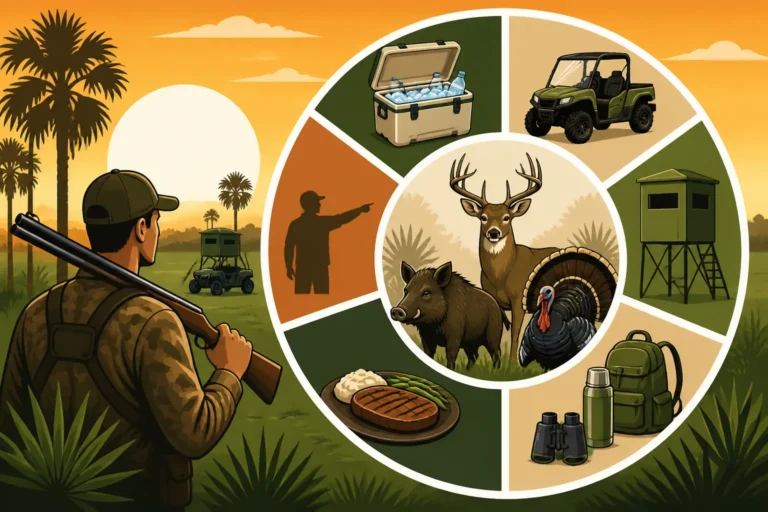
When you're vetting potential outfitters, don't be shy about asking detailed questions. Inquire about their land access, not just for one species, but for all the animals you hope to pursue. Ask about the specific guides who will be working with you and their experience with each species. Will you have the same guide for deer as for hogs, or will different specialists handle different portions of the trip? Understand what equipment is provided (e.g., thermal scopes for hogs, blinds for deer) and what you are expected to bring. A good outfitter will be transparent about their operations, success rates for each species, and what's included in their combo packages. Vetting a Florida Hunting Outfitter thoroughly can save you a lot of headache.
Logistics: Gear, Travel, and Expectations
Combining hunts means combining gear, and that can get complicated quickly. If you're planning an archery deer hunt followed by a shotgun turkey hunt, you're looking at different weapon systems, different camouflage, and different strategies. An alligator hunt will require even more specialized equipment. Think about how you'll transport all your gear, especially if flying. Do you need multiple cases for firearms or bows? How will you handle meat processing and trophy care for two different animals, especially in Florida's warm climate?
You also need to set realistic expectations. While the goal is to harvest both species, hunting is never guaranteed. Some days will be slower than others. Be prepared for the physical demands of different hunting styles – still-hunting for deer in thick cover is different from navigating a boat for alligators. Discuss travel plans, pick-up points, and any specific dietary needs or lodging preferences with your outfitter well in advance. Having all these details ironed out will make your trip smoother and more enjoyable. It's often a good idea to research Field Dressing a Deer in Hot Weather or Butchering a Deer at Camp for handling your harvest post-hunt.
Maximizing Your Success on a Combo Hunt
Even with the best outfitter and meticulous planning, your success on a multi-species hunt hinges on a few key factors that are within your control.
Communication with Your Guide
This cannot be stressed enough: clear, open, and honest communication with your guide is paramount. Before the hunt even begins, discuss your priorities. Are you more focused on harvesting a trophy deer, or is getting any legal animal from both species equally important? Let them know your experience level with each type of hunting. If you're new to alligator hunting but a seasoned deer hunter, that informs how they guide you. During the hunt, be upfront about your energy levels, any physical limitations, or if you're feeling less confident with a particular shot.
A good guide is there to help you succeed, but they aren't mind readers. If you want to spend more time pursuing one species over another, or if you're not enjoying a particular tactic, speak up respectfully. They are your eyes and ears on the ground and will know the local animal movements and conditions best. Being receptive to their advice, even if it deviates from your initial plan, can often lead to greater success. This level of collaboration is especially important when you're trying to achieve success across multiple distinct pursuits.
Being Prepared for Each Species
Just because you're hunting two species doesn't mean you can slack on preparation for either. Treat each segment of your combo hunt as a dedicated endeavor. This means being proficient with the weapon system you intend to use for each animal. If you plan to bowhunt deer, practice your archery shots diligently. If you're going after turkey with a shotgun, make sure you're patterned and comfortable. For hogs, perhaps consider familiarizing yourself with thermal or night vision if that's part of the plan.
Beyond shooting proficiency, take the time to learn about the behavior and habits of each species you'll be pursuing. Understand their preferred habitats, feeding patterns, and typical responses to pressure. While your guide will provide invaluable insights, having a baseline understanding will allow you to better interpret signs, follow instructions, and ultimately, make quicker and more informed decisions in the field. Reading up on topics like Rattling and Grunting Florida Bucks or Calling an Osceola Off the Roost can give you an edge.
Flexibility and Adaptability
The wild rarely adheres to our meticulously crafted plans. Weather can change dramatically in Florida, animal movement patterns can shift due to pressure or food sources, and sometimes, one species just isn't cooperating. On a multi-species hunt, being flexible and adaptable is your secret weapon. If the deer aren't moving on a particular morning, but the hogs are tearing up a nearby field, be open to shifting your focus. If the turkey gobblers have gone quiet, perhaps pivot to some squirrel hunting or scouting for the next day's deer movement.
Your guide will likely have contingencies and backup plans, and your willingness to adjust can directly impact the overall enjoyment and success of your trip. Don't get so fixated on one plan that you miss opportunities for another species. Sometimes, the most memorable moments come from unexpected encounters or changes in strategy. Embrace the unpredictability, trust your guide, and enjoy the adventure that comes with chasing diverse game across Florida's wild landscapes. It’s all part of the unique experience of a Florida combo hunt.
| Combo Hunt | Primary Seasons | Special Permits (Beyond Base License) | Key Gear Considerations | Typical Hunt Style |
|---|---|---|---|---|
| Deer & Hog | Fall/Winter (Deer), Year-Round (Hog) | Deer Permit, Management Area Permit (if WMA) | Rifle/Bow for Deer, Rifle/Shotgun/Bow/Thermal for Hog | Still-hunting/Stand hunting (Deer), Spot-and-stalk/Night (Hog) |
| Turkey & Hog | Spring (Turkey), Year-Round (Hog) | Turkey Permit, Management Area Permit (if WMA) | Shotgun/Bow for Turkey, Rifle/Shotgun/Bow/Thermal for Hog | Calling/Decoying (Turkey), Spot-and-stalk/Baiting (Hog) |
| Alligator & Hog | Late Summer/Early Fall (Alligator), Year-Round (Hog) | Alligator Permit (statewide), CITES Tag | Harpoon/Bow/Bang Stick (Alligator), Rifle/Bow/Thermal (Hog) | Boat/Spotlight (Alligator), Spot-and-stalk/Night (Hog) |
| Waterfowl & Hog | Fall/Winter (Waterfowl), Year-Round (Hog) | Federal Duck Stamp, Migratory Bird Permit | Shotgun, Decoys, Waders (Waterfowl), Rifle/Bow/Thermal (Hog) | Blind/Jump-shooting (Waterfowl), Spot-and-stalk/Night (Hog) |
Disclaimer
This article is for general informational purposes only and does not constitute professional advice. Laws, prices and regulations vary by location and change over time. Consult a qualified professional for guidance on your specific situation.