Reading a Florida Guide’s Success Rate History
It's incredibly frustrating when you're trying to book a hunting trip in Florida, pouring over guide websites and social media, and every single one boasts a "100% success rate" or "very high opportunity rate." You know in your gut that hunting isn't always that simple, especially in the wild and unpredictable Florida landscape. This guide is here to help you cut through the marketing jargon, understand what those success rates truly mean, and ask the right questions to find an honest, effective Florida hunting guide that's a perfect fit for your next adventure.
The Allure and Illusion of "High Success Rates" in Florida Hunting
When you see a guide advertising an incredibly high "success rate," it's natural to get excited. Who wouldn't want a guaranteed shot at filling a tag, right? But the reality of hunting, particularly in Florida's diverse and often challenging environments, is far more nuanced. What one guide considers "success" might be very different from your own definition, and understanding that distinction is key to managing your expectations and making an informed decision.
What "Success Rate" Often Means (and Doesn't Mean)
"Success rate" is a term that gets thrown around a lot, and unfortunately, it's not always applied consistently. For many guides, a high success rate might refer to a "shot opportunity" rate. This means that a client had a chance to take a shot, whether they connected or not, or whether the animal was the desired size. For a hog hunt, this could mean seeing multiple hogs, even if the hunter only chose to pursue one or missed their shot. On an alligator hunt, it might mean getting within range of a legal-sized gator, regardless of the final outcome. It's about putting the client in the right place at the right time, which is certainly a mark of a good guide, but it's not the same as a guaranteed harvest.
Other times, a guide might base their "success rate" on animals seen or even just fresh sign observed. While scouting and being able to locate game is absolutely vital, simply seeing a deer or a flock of turkeys isn't the same as having a realistic shot opportunity, let alone harvesting an animal. Imagine booking a deer hunt hoping for a mature buck, and the guide counts seeing a doe at 200 yards as a "success" for the day. That's why diving deeper into what that number truly represents is so important. A reputable guide will always be transparent about how they define their success rates and will be happy to explain their metrics, whether it's Average Cost of a Guided Florida Deer Hunt or a specialized hunt.
The Variables That Skew Success Rates in Florida's Unique Environment
Florida hunting presents some truly unique challenges that can significantly influence "success rates" in ways you might not encounter in other states. Our weather, for one, is a huge factor. The intense heat and humidity, especially during early seasons like Bowhunting Florida's Zone A August Opener, can make animals largely nocturnal and difficult to pattern. A sudden afternoon thunderstorm can clear the woods or flood low-lying areas, completely changing animal movement. What happens if you get caught out in a downpour on your hunt? A guide can't control the weather, and a "perfect" plan can go south very quickly.
Then there are the species-specific challenges. Osceola turkeys, for example, are notoriously wary and can "gobble their heads off" on the roost but go silent the moment they hit the ground, making them one of the toughest birds to seal the deal on. Alligator hunting, while often offering high opportunity rates, can be unpredictable depending on water levels, temperature, and even lunar phases, especially if you're Stalking an Alligator on a Freshwater Lake. Deer in certain parts of Florida, particularly on heavily pressured public lands or smaller private tracts, can be incredibly cagey. Knowing how to adapt to Wind and Thermals in Flat Florida Terrain or recognizing how Hunting Pressure on Florida Public Land affects animal behavior is crucial, but even the best guide faces these realities. These environmental and behavioral factors mean that even with a seasoned professional leading the way, "success" is never a guarantee, and those advertised rates should be viewed with a realistic lens.
Decoding a Florida Guide's Reported Success Rates
It's one thing to see a number, but it's another entirely to understand what that number means in the context of your hunt. A truly valuable "success rate" isn't just a high percentage; it's a percentage that's transparently explained and relevant to what you hope to achieve. The best way to get this clarity is by asking pointed questions and considering how different factors play into those reported figures.
Asking the Right Questions Beyond Just a Percentage
When you're talking to a potential guide, don't just ask, "What's your success rate?" Instead, dig deeper. Start by clarifying what "success" actually means on their hunts. Does it mean a guaranteed shot opportunity? A harvested animal? Or simply getting within seeing distance of the target species? For instance, on an Osceola turkey hunt, success for many hunters isn't just pulling the trigger, but experiencing a bird gobbling close, working a call, and getting a shot setup. If you're comparing guides, you need to ensure they're defining "success" in the same way.
Next, inquire about the sample size and timeframe for these rates. Is it based on a handful of hunts from last season, or a broad average over many years and dozens of clients? "How many hunters contributed to this rate?" is a vital question. A guide who takes out only a few hunters a year might have an inflated success rate compared to one who runs a high volume of hunts. Also, ask if these rates are for your specific type of hunt. For example, a guide might have a 90% success rate on hog hunts where clients are Night Hunting Hogs With Lights in Florida and using thermal, but a much lower rate for traditional daylight spot-and-stalk archery hunts. Likewise, Booking a High-Fence Florida Deer Hunt will almost always yield a higher "kill rate" than a free-range hunt. It's also important to ask about recent figures – hunting conditions and animal populations can change, so numbers from five years ago might not be relevant today.
Interpreting Success Rates for Different Florida Game Species
The definition and expectation of "success" change dramatically depending on the species you're pursuing in Florida. What's high for one animal might be unheard of for another, and understanding these species-specific nuances is crucial for setting realistic expectations.
-
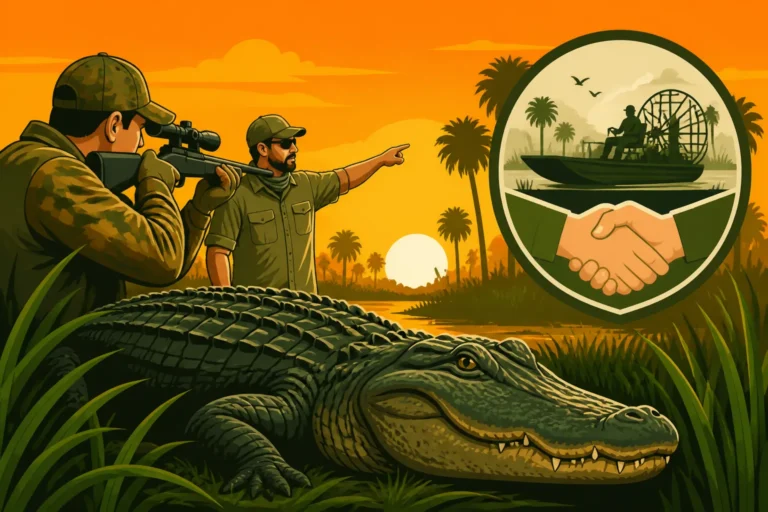
Alligator Hunts: Florida's robust alligator population means that guided hunts often boast very high success rates for opportunities. Many outfitters employ baiting or spotlighting at night, which can reliably put hunters in proximity to legal-sized gators. However, the actual harvest rate can still depend on the hunter's ability with the chosen weapon, whether it's a bow, crossbow, or Harvesting an Alligator With a Bang Stick. A guide might claim 100% opportunity, but if you're not proficient with your chosen method, filling that tag is still up to you. Always ask if the quoted rate is for opportunity or actual harvest. You might also want to inquire about what happens if you book Booking an Alligator Hunt With Your Own Permit and don't fill it.
-
Osceola Turkey Hunts: If you're dreaming of completing your Grand Slam, chasing an Osceola in Florida is a bucket-list hunt. However, these birds are notoriously challenging. "Success" on an Osceola hunt often means a close encounter, a bird gobbling aggressively, or getting a shot opportunity, rather than a guaranteed kill. Many guides would consider a hunt successful if the client had a legitimate shot chance, even if the bird outsmarted them or the shot was missed. Due to their elusive nature, anything over a 50-60% harvest rate for Osceolas is considered excellent for a truly wild bird hunt. Be wary of claims that seem too good to be true for these unique birds, especially during times like When Osceola Gobblers Go Quiet in April.
-
Hog Hunts: Feral hogs are an invasive species in Florida with no closed season or bag limits, making them a popular and often high-success quarry. Many guided hog hunts, especially on private lands where baiting is common or with methods like Dog Hunting Hogs in Florida or night vision, can indeed achieve very high harvest rates. It's not uncommon for guides to report 80-90% or even higher for actual animals harvested. However, even with hogs, variables like weather, hunter skill, and the specific terrain can play a role. If a guide offers a 100% guarantee for a hog hunt, ask what happens if you don't get a hog – some may offer a discounted re-hunt, others may not. For more details on these hunts, check out Booking a Guided Florida Hog Hunt.
-
Deer Hunts: White-Tailed Deer Across Florida vary greatly in size and density depending on the region and habitat. Deer hunting success rates are highly dependent on whether it's a free-range hunt on public land (which will naturally have lower harvest rates due to pressure and deer density) or a high-fence operation (which often boasts near 100% harvest rates for a specific class of animal). For free-range deer hunting, particularly on public lands like those in Ocala National Forest Hunting or many WMAs, a "success rate" above 30-40% for harvesting a buck might be considered good, especially if it refers to mature deer. Guides on quality private land might see higher numbers. Always ask if the success rate differentiates between bucks and does, or between trophy bucks and any legal deer. Understanding Hunting Florida's Four Deer Zones and their specific regulations can also give you context for what to expect.
The Role of Guide Experience and Reputation
Beyond the numbers themselves, the experience and reputation of a guide are often far more telling indicators of a quality hunt. An experienced guide, especially one who has spent decades hunting a specific piece of Florida ground, possesses an intimate knowledge of animal patterns, local geography, and weather effects that no newcomer can match. They know where Florida Bucks Bed in Thick Palmetto or where turkeys might roost in a particular hammock. This local wisdom translates directly into better opportunities, even if it doesn't always guarantee a kill.
When researching a guide, look into how long they've been operating in Florida. Are they a multi-generational outfitter, or someone who just started last year? Ask for references – reputable guides will be happy to connect you with past clients who can speak to their experience. This allows you to hear firsthand accounts of their honesty, work ethic, and ability to adapt to changing conditions. You can also check if they hold proper licenses and insurance. While Florida doesn't have a statewide guide licensing program for all species, many guides operate under specific outfitter licenses or permits required for certain WMAs or activities. It’s always a good idea to confirm if a guide has the necessary credentials to operate legally and safely, a question you can ask about while Checking an Outfitter's Florida License. A strong reputation for professionalism and client satisfaction often outweighs a purely statistical "success rate."
Beyond the Numbers: Holistic Factors for Vetting a Florida Guide
While success rates can be a starting point, they are just one piece of a much larger puzzle. To truly vet a Florida guide, you need to look at the whole picture, considering their online presence, communication style, and how their operation aligns with your personal hunting goals.
Leveraging Online Resources and Reviews
In today's digital age, online resources are invaluable tools for researching potential hunting guides. Websites like BookYourHunt and GoHunt compile information on outfitters, often including client reviews and sometimes even their reported success rates. However, it's critical to approach these reviews with a discerning eye. Look for patterns in feedback rather than focusing on a single glowing or negative review. Do multiple reviews mention the guide's honesty, their hard work, or their knowledge of Hunting Florida Cypress Swamp Edges? Or do recurring complaints point to poor communication, unfulfilled promises, or safety concerns?
Pay attention to specific details. A review that says, "Guide John worked tirelessly for three days, calling in multiple gobblers, and I finally connected on a great Osceola!" is far more informative than a generic, "Great hunt, got a bird!" Also, consider the types of hunts being reviewed. A guide might excel at Waterfowl Hunting Florida's Marshes but be less experienced in deer drives. Many reputable guides will also provide references directly – people you can call and speak with personally, which offers an unparalleled level of insight that you might not get from a brief online comment. For further tips, check out Comparing Florida Outfitter Reviews.
Communication and Transparency
One of the strongest indicators of a good guide is their communication style and overall transparency. From your very first inquiry, pay attention to how they respond. Are their answers clear, detailed, and prompt? Or are they vague, evasive, or do you feel pressured to book quickly? A truly professional Florida guide will be upfront about the challenges of the hunt, potential weather impacts, and what realistic expectations you should have. They won't promise a trophy buck on a public land hunt or a guaranteed Osceola in a challenging year.
They should provide you with a clear itinerary, a detailed gear list, and a breakdown of what's included and what's not in the hunt package. If you ask about their success rate, they should be able to explain how it's calculated and what factors might influence it. Be wary of any guide who glosses over details, avoids answering direct questions, or makes promises that seem too good to be true. These can be Red Flags When Booking a Florida Hunt. Trust your gut – if something feels off about the communication, it often is. You're investing your time, money, and hopes into this experience, so clear and honest communication is paramount.
Your Personal Goals and Expectations
Ultimately, the "best" guide for you isn't just about their success rate; it's about finding someone who understands and can help you achieve your personal hunting goals. Are you looking for a trophy animal for the wall, or is the experience of being in the Florida wilderness, learning new tactics, and enjoying camaraderie more important? Some hunters prioritize simply putting meat in the freezer, especially on a Year-Round Hog Hunting in Florida trip, while others might be after a specific challenge, like calling in a wily Osceola.
Before you even start contacting guides, take some time to define what a "successful" hunt looks like for you. If you're a first-timer, a guide who specializes in First-Timer Packages for New Florida Hunters and prioritizes education and a positive experience might be a better fit than one solely focused on high harvest numbers. If you're a seasoned hunter looking for a very specific type of challenge, make sure the guide has expertise in that niche. Don't be afraid to clearly articulate your expectations during your conversations with guides. A good guide will listen, ask clarifying questions, and honestly tell you if they can deliver the kind of experience you're looking for, even if that means admitting the odds of a certain outcome are lower.
| Factor | High Success Rate Implication | What to Ask the Guide |
|---|---|---|
| Alligator Hunts | Often 90%+ for "opportunity" due to baiting/spotlighting. | "Is that an opportunity or harvest rate? What method (bow, bang stick)? What if I miss/pass?" |
| Hog Hunts | Frequently 80%+ for harvest, especially on private land or night hunts. | "Is this rate for daylight or night hunts? Specific weapons? What happens if no hog is taken?" |
| Osceola Turkey Hunts | 40-60% harvest rate is excellent for wild birds; often higher for "opportunity." | "Is this an opportunity or harvest rate? How many days per hunt? What's your re-booking policy?" |
| Free-Range Deer Hunts | 20-40% harvest rate for bucks on public/pressured private land is often respectable. | "Is this for any deer, or bucks only? Trophy bucks? What zone and land type are these rates from?" |
| High-Fence Deer Hunts | Often 90%+ for specific trophy classes. | "What size/age class does this rate apply to? Is it a guaranteed kill within that class?" |
| "Success" Definition | Guide means shot opportunity, animal seen, or guide worked hard. | "How do you define 'success' on this particular hunt?" |
| Sample Size/Timeframe | Could be based on a few hunts or many over decades. | "How many hunts and how many years does this rate cover?" |
| Hunter Skill Impact | Assumes average hunter skill level. | "How does hunter experience or proficiency affect this rate?" |
Disclaimer
This article is for general informational purposes only and does not constitute professional advice. Laws, prices and regulations vary by location and change over time. Consult a qualified professional for guidance on your specific situation.