Booking a High-Fence Florida Deer Hunt
For many deer hunters in Florida, the dream of bagging a truly magnificent buck can sometimes feel elusive. The reality of hunting vast public lands or limited private acreage often means encountering smaller, younger deer, and the pursuit of a record-book animal can be a lifelong quest fraught with challenge. This guide dives deep into the world of high-fence deer hunting in Florida, exploring what it entails, why hunters choose this path, and how to navigate the process of booking an experience that meets your expectations.
Understanding High-Fence Deer Hunting in Florida
When we talk about "high-fence" hunting, it conjures up a lot of different images and, frankly, a lot of debate among hunters. But in Florida, like many other states, it represents a specific type of managed hunting operation that offers a unique experience. It's crucial to understand what you're getting into before you even begin to think about booking.
What "High-Fence" Really Means Here
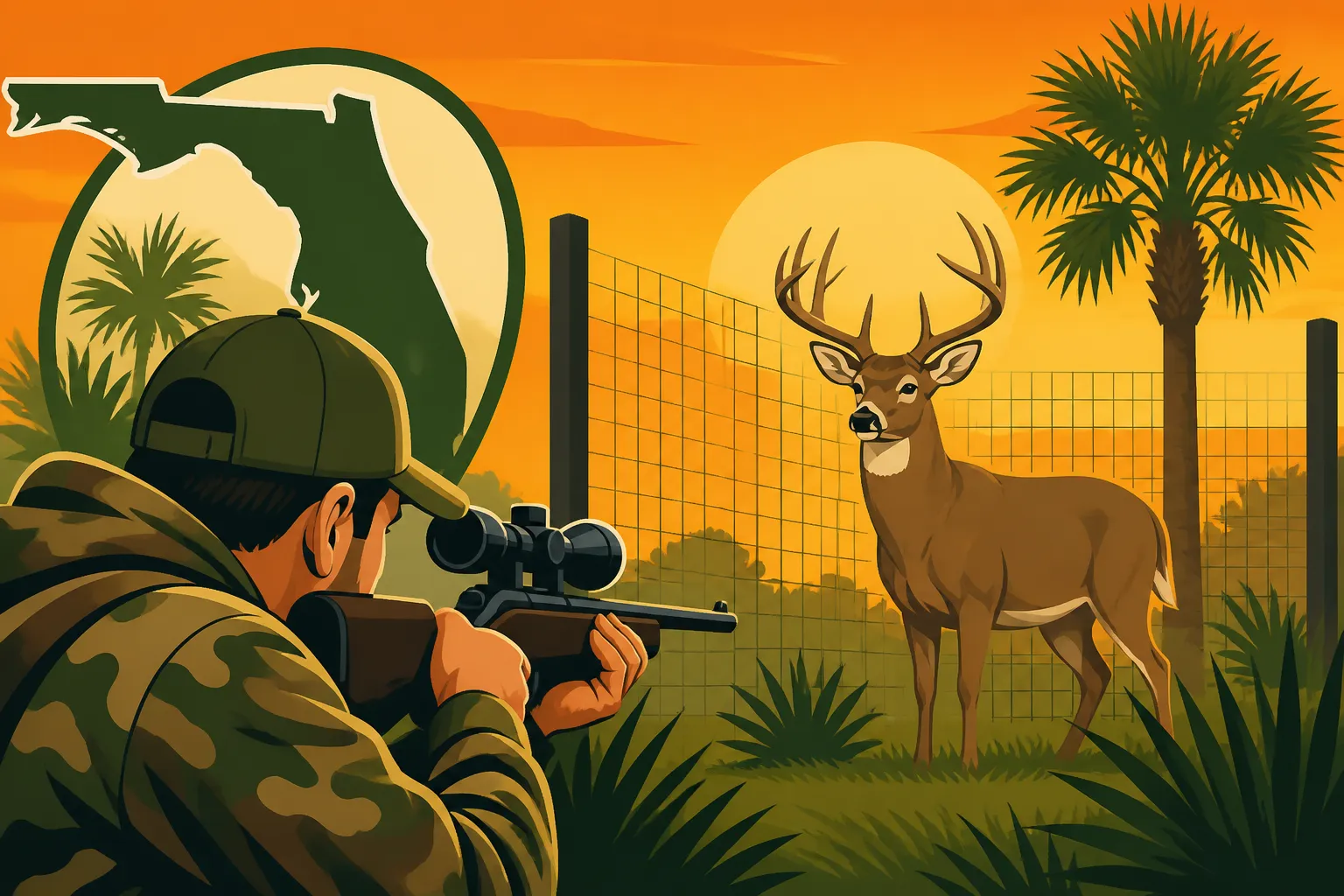
At its core, a high-fence operation simply means hunting on land that is entirely enclosed by a fence designed to contain game animals. This isn't your backyard chain-link fence; we're talking about fences that are typically 8 to 10 feet tall, often with buried sections to prevent animals from digging under, and constructed to withstand the force of large deer. These properties can range from a few hundred acres to several thousand, offering varying degrees of "wild" experience within their boundaries. The idea is to create a controlled environment where deer populations can be intensely managed for genetics, nutrition, and age structure, often resulting in larger, more mature bucks than might be found on typical free-range properties.
It's not uncommon for these operations to have been running for decades, carefully cultivating their herds. While the fence is a physical boundary, many of these enclosures are large enough to still offer challenging hunts over diverse terrain, from pine plantations to oak hammocks and even cypress sloughs, mirroring the varied habitats found across White-Tailed Deer Across Florida. The fence's presence allows for specific management practices that are nearly impossible on open land, like selective breeding or introducing superior genetics, ensuring a consistent supply of trophy-class animals.
The Advantages and Disadvantages
High-fence hunting offers a distinct set of pros and cons, and acknowledging both sides is key to making an informed decision. On the advantage side, the primary draw is the significantly increased likelihood of encountering and harvesting a mature, trophy-class deer. The controlled environment allows for rigorous game management, meaning less pressure from outside hunters, better nutrition for the deer, and often, less risk of a buck being harvested before it reaches its full potential. For hunters with limited time, physical constraints, or those seeking a specific type of trophy, this can be incredibly appealing. You'll often find comfortable accommodations, experienced guides, and excellent facilities, making the overall experience very hospitable.
However, there are disadvantages that can be deal-breakers for some. The main point of contention for many traditional hunters is the perceived ethical aspect – the idea that hunting inside a fence somehow diminishes the "fair chase" element. While the scale of these properties can be vast, the animals are technically confined. The cost is also a significant factor; these hunts are generally more expensive than free-range guided hunts, reflecting the intensive management, facilities, and the higher success rates for trophy animals. Furthermore, while the deer are wild within the fence, some hunters feel a disconnect from the raw wilderness experience of truly free-roaming game. It’s a personal decision, and there's no right or wrong answer, just what feels right for your hunting philosophy.
Legalities and Regulations for High-Fence Operations
Florida, like other states, has specific regulations governing captive wildlife and hunting operations. High-fence operations typically fall under regulations related to game farms or captive wildlife facilities, which are separate from the rules for traditional Hunting Florida's Four Deer Zones on public or open private lands. These operations are often licensed and inspected by state agencies to ensure animal welfare, disease prevention, and proper record-keeping. It's not simply a matter of putting up a fence; there's a bureaucratic process involved to ensure these facilities operate legally and responsibly.
For hunters, the general hunting license requirements still apply, but the specific tags or permits for the deer itself might differ from a typical free-range hunt. Sometimes, the deer harvested on a high-fence property are considered "farm-raised" game, and the outfitter will handle the specific tags or paperwork required to legally possess and transport the animal. It's always, always your responsibility as the hunter to ensure you understand and comply with all applicable state laws and the outfitter's specific rules. A reputable outfitter will be transparent about their licensing and the legal framework under which they operate, ensuring that your hunt is fully legitimate.
Deciding If a High-Fence Hunt is Right for You
The decision to book a high-fence deer hunt is a personal one, influenced by your individual hunting philosophy, goals, and budget. It’s not for everyone, but for many, it offers an incredible opportunity to fulfill a lifelong dream. Taking the time to consider these factors will help you determine if this type of experience aligns with what you're looking for.
Your Hunting Goals and Expectations
Before you even start looking at outfitters, sit down and honestly assess what you hope to achieve with this hunt. Are you primarily after a specific antler score, a truly massive buck that would be nearly impossible to find on open public land? Or is the overall experience – the lodge, the guided service, the camaraderie – more important? Perhaps you're a newer hunter looking for a higher chance of success on your first deer, or an experienced hunter wanting to introduce a youth to the sport with a high likelihood of a harvest. High-fence hunts excel at providing a high probability of success for trophy animals, which is often the primary driver for those seeking this experience.
It's also important to manage expectations. While success rates are high, it's still hunting. Animals can be elusive, the shot might not be perfect, and weather can play a role. A good outfitter will be upfront about what their "success rate" truly means. Are you guaranteed to see a trophy buck, or guaranteed to kill one? Understanding these nuances will prevent disappointment and ensure you choose an operation that aligns with your personal definition of a successful hunt. This isn't just about pulling a trigger; it's about the entire adventure.
Budgeting for the Experience
Let's be real: high-fence hunts typically come with a higher price tag than a DIY public land hunt or even many free-range guided trips. This is a significant investment for most people, and understanding the cost structure is vital. Prices often vary based on the size of the trophy (e.g., scoring tiers), the number of days, the inclusions (food, lodging, guide, caping, quartering), and the time of year. Some operations offer "management hunts" for smaller deer at a reduced rate, while true trophy hunts for record-book animals will be at the higher end of the spectrum. You might find a range of options, from a simple day hunt to an all-inclusive multi-day package.
When budgeting, consider not just the base price, but also potential additional costs. These might include your Florida hunting licenses, guide tips, meat processing fees beyond basic quartering, taxidermy, and travel expenses. Some outfitters might offer different packages with varying levels of amenities. Don't be shy about asking for a detailed breakdown of what is included and what will be an extra charge. Transparency upfront about finances will make the experience much smoother. Booking a Guided Florida Deer Hunt can give you a baseline of costs to consider when comparing different options.
Ethical Considerations and Personal Philosophy
This is perhaps the most debated aspect of high-fence hunting, and it boils down to individual ethics and what "fair chase" means to you. For some, the mere presence of a fence, regardless of acreage, removes the "wild" from the hunt and makes it less authentic. They believe that true fair chase involves animals having the complete freedom to roam, escape, and reproduce without human-imposed boundaries. This perspective often comes from a deeply held respect for the wildness of the animal and the challenge of the untamed wilderness.
However, another perspective argues that within large high-fence properties, the animals are indeed wild, exhibiting natural behaviors, and the hunt still presents significant challenges. They contend that the management practices within these fences contribute to healthy herds and provide opportunities for hunters who might otherwise be unable to pursue trophy animals due to physical limitations, time constraints, or lack of access to quality free-range land. Ultimately, this is a deeply personal decision, and there's no judgment either way. What matters is that you are comfortable with your choice and it aligns with your personal hunting code.
Finding and Vetting High-Fence Outfitters
Once you've decided that a high-fence deer hunt is the right fit for you, the next critical step is finding a reputable outfitter. This process requires thorough research and diligent communication to ensure you have a positive and successful experience. Don't rush this part; it's as important as the hunt itself.
Researching Available Options
The digital age makes researching outfitters easier than ever, but it also means wading through a lot of information. Start by searching online for "Florida high-fence deer hunts" or "trophy deer hunting Florida." You'll find numerous operations, from smaller family-run ranches to larger, more commercial lodges. Websites like BookYourHunt or GoHunt often feature listings for high-fence operations, complete with photos, descriptions, and sometimes even reviews from past clients. These platforms can be a great starting point for comparing what's available and narrowing down your choices based on location, species offered, and general price range (remember to verify specific pricing directly with the outfitter).
As you browse, pay attention to the details. Look at the size of the property, the types of terrain pictured, and the quality of the deer being harvested. Are they consistently showing mature animals? Do they offer a variety of hunting methods (stand hunting, spot and stalk, etc.)? Read any "About Us" sections to get a feel for their philosophy. Also, consider the location. While Florida's Four Deer Management Zones Explained primarily applies to free-range hunting, it can give you a general idea of different regions of the state and their unique characteristics, which might still be reflected in large high-fence properties.
Key Questions to Ask Potential Outfitters
Once you have a shortlist of outfitters, it's time to pick up the phone. A direct conversation is invaluable for gauging professionalism and getting all your questions answered. Here’s a checklist of things you absolutely need to ask:
- Property Details: What is the acreage of the high-fence property? What kind of terrain will we be hunting? How long has the fence been in place?
- Deer Management: What is your deer management philosophy? How do you ensure genetic quality and age structure? What is the average age of the bucks harvested?
- Pricing and Inclusions: Get a detailed breakdown of the cost. What's included (guide, meals, lodging, field dressing, caping, quartering)? What are the trophy fees, and how are they calculated (gross score, net score, antler points)? Are there any hidden fees?
- Success Rates: Ask about their typical success rate for the specific class of deer you're targeting. How is "success" defined (opportunity, harvest)?
- Hunting Method: What hunting methods are primarily used (stands, blinds, spot and stalk)? Are they flexible?
- Accommodations & Meals: What are the lodging arrangements like? Are meals provided, and if so, what kind of food? Can they accommodate dietary restrictions?
- Guide Experience: How experienced are your guides? What is the guide-to-hunter ratio?
- References: Always ask for references from past hunters, preferably recent ones. A reputable outfitter will be happy to provide them.
- Booking and Cancellation Policy: Understand the deposit requirements, payment schedule, and what happens if you need to cancel or if bad weather impacts the hunt.
- Licenses & Tags: Clarify what Florida licenses you'll need to purchase and if the outfitter handles any special tags for captive game.
- Trophy Care & Processing: Beyond field dressing, what services are offered for caping, quartering, and preparing the trophy for a taxidermist or butcher? Do they have a recommended Processing Meat Near a Florida Hunting Camp or taxidermist nearby?
Reading Reviews and Checking References
Don't underestimate the power of social proof. While an outfitter's website will naturally paint a glowing picture, independent reviews and direct conversations with past clients offer a more realistic view. Look for reviews on third-party sites, hunting forums, and dedicated outfitter platforms. Pay attention to common themes – positive and negative. Is there consistent praise for the guides, food, or quality of animals? Are there recurring complaints about communication, hidden fees, or unethical practices? Be wary of outfitters with no online presence or no reviews at all.
When you call references, ask specific questions that go beyond "Did you have fun?" Inquire about the quality of the guiding, the accuracy of the outfitter's claims about deer size, the cleanliness of the lodge, and how any issues were handled. Ask about the difficulty of the hunt within the fence and if they felt it was a "fair chase" experience. Remember, Vetting a Florida Hunting Outfitter is a critical step to ensure your hard-earned money and precious hunting time are well spent. Also, check if the outfitter is properly licensed with the state of Florida; Florida Outfitter License Requirements are in place for a reason.
What to Expect on a High-Fence Florida Deer Hunt
You've done your research, booked your hunt, and now the anticipation is building. Knowing what a typical high-fence deer hunt in Florida entails can help you prepare mentally and practically, ensuring you arrive ready to make the most of your adventure.
The Typical Hunt Day Experience
A typical day on a high-fence deer hunt often starts early, perhaps before dawn, with a hearty breakfast at the lodge. Your guide will likely meet you to discuss the plan for the morning – where you'll be hunting, what size of buck you're looking for, and any specific strategies for the day. You'll then head out to the hunting area, often in a UTV or truck, to get to your stand or blind before daylight. Many high-fence properties utilize comfortable, enclosed blinds or ladder stands overlooking food plots, feeders, or natural travel corridors, making it a more comfortable experience than some backcountry hunts.
You'll spend the morning hunting, often with your guide close by, either in the same blind or nearby via radio contact. If successful, the guide will assist with field dressing and recovery. If not, you might head back to the lodge for lunch and a mid-day break, then return for an afternoon hunt. The pace can be intense, as opportunities can arise quickly. The key is to be prepared for fluctuating weather, long sits, and being ready when that trophy buck steps out. Don't forget your Florida Hunter Education Requirements are still essential, even on a managed property.
Trophy Care and Meat Processing
One of the significant advantages of a reputable high-fence operation is the attention to post-harvest care. Once your buck is down, your guide will typically assist with retrieval, often using vehicles if the terrain allows, which is a huge relief when dealing with large animals in Florida's heat. They will then help with initial field dressing. Many outfitters include basic caping (preparing the hide for a shoulder mount) and quartering (breaking the meat down into manageable sections) as part of their package.
It's crucial to clarify these services upfront. Some may offer full meat processing on-site for an additional fee, or they'll have relationships with local butchers who can handle your venison. For taxidermy, they often have preferred taxidermists they work with and can arrange for your trophy to be transported directly. If you plan to take your trophy home for your own taxidermist, ensure they know how to properly prepare it for transport, especially if you're traveling a long distance. Always discuss these details before your hunt to avoid any surprises.
Understanding Guarantees and Success Rates
"Guaranteed hunt" is a phrase that comes up often in the high-fence world, and it can mean different things. In some cases, it might literally mean you don't pay a trophy fee unless you harvest a deer of a certain size. In others, it means a high probability of seeing a trophy animal, but not necessarily a guarantee of harvest. A truly ethical outfitter will explain their "guarantee" clearly, defining what criteria must be met for it to apply. Be wary of any operation that offers a 100% kill guarantee without any caveats, as hunting always involves variables.
High success rates are a hallmark of well-managed high-fence properties, often exceeding 90% for shot opportunities on trophy-class animals. This is due to the controlled environment, intensive management, and experienced guides who know the property and the deer well. However, individual hunter skill, shot placement, and even the deer's natural evasiveness still play a role. Ultimately, the goal is often a memorable experience that culminates in a successful harvest, and high-fence operations are designed to maximize that potential. Always be sure to report your harvest according to Florida Deer Reporting Requirements.
| Feature | High-Fence Hunt | Free-Range Guided Hunt |
|---|---|---|
| Probability of Trophy | Very High | Variable (depends on area/management) |
| Cost | Generally Higher | Moderate to High |
| Fair Chase Debate | Contentious for some | Generally accepted as traditional fair chase |
| Property Size | Fenced, can range from hundreds to thousands of acres | Open, no physical boundaries |
| Deer Genetics/Quality | Actively managed for superior genetics/age | Natural population, varies by region |
| Guide Involvement | Highly involved, often one-on-one | Involved, may vary based on terrain/strategy |
| Amenities/Lodging | Often luxurious, all-inclusive options | Varies greatly, from primitive to comfortable |
| Ethical Considerations | Personal decision, often debated | Fewer ethical debates from traditionalists |
| Physical Demands | Can be less strenuous due to accessibility | Can be very demanding, especially on public land |
Disclaimer
This article is for general informational purposes only and does not constitute professional advice. Laws, prices and regulations vary by location and change over time. Consult a qualified professional for guidance on your specific situation.