Eastern Turkeys in the Florida Panhandle
Trying to understand the nuances of hunting Eastern Turkeys in Florida can feel like deciphering an ancient map, especially with all the talk about different subspecies and zones. Many hunters, even seasoned ones, find themselves scratching their heads when comparing the Panhandle's Eastern birds to their Osceola cousins down south, leading to confusion about strategies, habitat, and regulations. This comprehensive guide aims to clear up that confusion, offering an in-depth look at what makes Eastern turkey hunting in the Florida Panhandle a unique and rewarding challenge, ensuring you're well-prepared for your next gobbler pursuit.
Understanding the Eastern Turkey's Domain in Florida
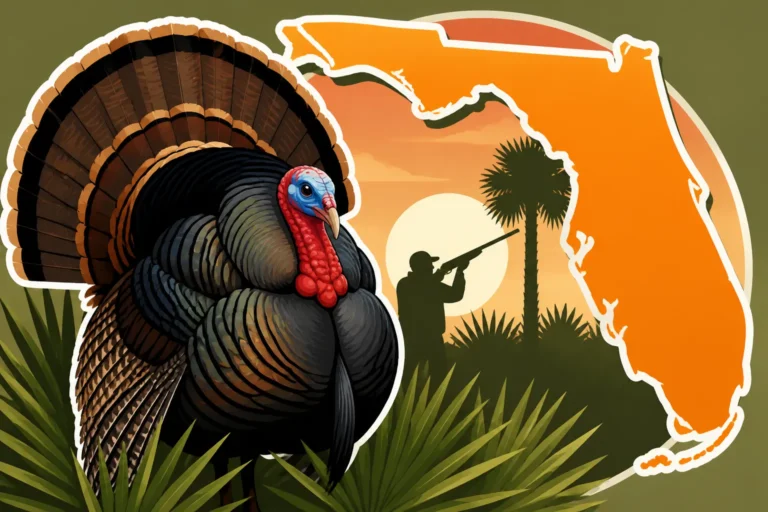
Florida is a truly unique state when it comes to wild turkeys, being one of the few places where two distinct subspecies roam. For those of us focused on the Panhandle, it's all about the Eastern wild turkey. These birds thrive in habitats that feel very different from the palm and cypress swamps further south, presenting their own set of challenges and opportunities.
Distinguishing Easterns from Osceolas
Let's start by clarifying a common point of confusion: the difference between an Eastern and an Osceola. Geographically, it's pretty straightforward. The Suwannee River, and generally everything north and west of it, marks the traditional range of the Eastern wild turkey in Florida. South and east of that line, you're primarily in Osceola country. While some overlap might occur, particularly around the fringes, for all practical hunting purposes, if you're in the Florida Panhandle, you're chasing Easterns.
Beyond geography, there are some subtle phenotypic differences, though these can be hard to spot in the field unless you know exactly what to look for. Easterns tend to be a bit larger on average, with darker primary wing feathers that have distinct white barring, and rich, chestnut-brown tips on their tail feathers. Osceolas, by contrast, are generally smaller, their primary wing feathers are often nearly black with much less prominent white barring, and their tail feather tips are a more uniform dark brown to chocolate color. For many hunters looking to complete a "Grand Slam" by harvesting all four major North American turkey subspecies (Eastern, Osceola, Merriam's, Rio Grande), securing a true Eastern in the Panhandle and a true Osceola south of the Suwannee is a critical distinction. The Florida Fish and Wildlife Conservation Commission (FWC) defines these zones clearly, which is why understanding Florida's Osceola and Eastern Turkey Zones is so important before planning your hunt. It's not just about bragging rights; it's about adhering to the regulations specific to each subspecies zone.
Key Panhandle Habitats: Pines, Hardwoods, River Bottoms
The Florida Panhandle offers a diverse tapestry of habitats that Eastern turkeys call home, far removed from the stereotypical flat, swampy landscapes many associate with Florida. Here, you'll find extensive tracts of pine flatwoods, often managed through prescribed burns that create ideal conditions for turkey foraging and bugging. These longleaf and loblolly pine forests, particularly on public lands like the Apalachicola National Forest or many Wildlife Management Areas (WMAs), are prime spots for gobblers. The open understory, punctuated by palmetto and wiregrass, allows for good visibility and easy movement for turkeys, but it also means hunters need to be extra cautious with their setups to avoid being spotted.
Venture closer to the numerous creeks, rivers, and drainages that crisscross the Panhandle, and the landscape quickly shifts to mature hardwood bottoms. These areas, rich with oaks, hickories, and cypress, provide crucial mast crops in the fall and offer excellent roosting habitat for turkeys. During the spring, these riverine corridors become travel routes, linking different feeding and strutting grounds. Hunting these varied ecosystems demands adaptability. A tactic that works perfectly in an open pine flat may fall flat in the dense cover of a hardwood hammock. For instance, Hunting an Eastern Gobbler in Panhandle Pines requires different considerations than hunting a creek bottom. Learning to read these diverse environments and adjust your approach accordingly is key to consistent success. The transition zones between pines and hardwoods, or where agricultural fields meet forest edges, are often hotspots as turkeys utilize both environments for different needs throughout the day.
Population Dynamics and Management in the Panhandle
Like any wildlife population, Eastern turkeys in the Florida Panhandle aren't static. Their numbers ebb and flow due to a combination of environmental factors and dedicated conservation efforts. Understanding these dynamics gives us insight into why certain areas might hold more birds than others and underscores the importance of responsible hunting practices.
Current Population Trends and FWC Efforts
The Eastern wild turkey population in the Florida Panhandle has generally remained stable, and in some areas, shown signs of robust health, thanks in large part to proactive management by the Florida Fish and Wildlife Conservation Commission (FWC). Over the past few decades, successful reintroduction programs and habitat restoration efforts have helped these birds rebound from historical lows. The FWC conducts annual surveys, monitors harvest data, and collaborates with landowners and federal agencies to ensure sustainable populations. They use scientific data to make informed decisions about season lengths, bag limits, and specific management strategies for different regions.
However, "stable" doesn't mean "everywhere is teeming with turkeys." Population densities can vary significantly from county to county and even within different sections of a single WMA. Factors like disease outbreaks, severe weather events (hurricanes are a real concern here), and changes in local habitat can cause localized dips. The FWC's ongoing monitoring is crucial for identifying these trends early and implementing targeted interventions. For hunters, this means keeping an eye on FWC updates and harvest reports, as they can offer valuable insights into which areas might be experiencing higher or lower turkey numbers. Understanding the broader Florida Turkey Population Trends can help hunters adjust expectations and focus their efforts where management is showing the most success. Organizations like the National Wild Turkey Federation (NWTF) also play a huge role, working hand-in-hand with FWC and private landowners to improve turkey habitat through prescribed burns, food plot installations, and education initiatives, ensuring these majestic birds continue to thrive for future generations.
Factors Affecting Eastern Turkey Numbers
Several significant factors influence the health and density of Eastern turkey populations in the Panhandle. First and foremost is habitat. Eastern turkeys rely on a mix of mature forests for roosting, open areas (like pine flatwoods or fields) for foraging, and dense cover for nesting and protection from predators. When these habitat components are fragmented or degraded, turkey numbers can suffer. Urban sprawl, intensive agriculture without wildlife considerations, and altered timber management practices that eliminate diversity can all take a toll. Controlled burns, a common and necessary practice in Florida's pine forests, are vital for maintaining healthy turkey habitat by reducing dense undergrowth and promoting new forage growth. Without regular burning, forests become too thick, reducing both food sources and mobility for turkeys.
Predation also plays a natural, yet impactful, role. Coyotes, bobcats, raccoons, opossums, and even feral hogs can prey on turkey eggs, poults, and sometimes even adult birds. While predator control isn't typically the primary solution for turkey management, maintaining robust habitat helps turkeys evade these threats. Weather, particularly during nesting and brood-rearing seasons, can also be critical. Prolonged heavy rains during hatching can decimate poult survival rates, as young turkeys are highly susceptible to hypothermia and drowning. Conversely, drought conditions can reduce insect populations, a vital food source for young poults. For hunters, recognizing these factors helps paint a more complete picture of the landscape. For instance, after a severe hurricane or an unusually wet spring, it might be wise to temper expectations or shift scouting efforts to areas less impacted by the adverse conditions. Knowledge of these environmental variables can empower you to become a more effective and adaptable hunter, rather than simply relying on luck.
Scouting Strategies for Florida Panhandle Eastern Turkeys
Successful turkey hunting, especially for elusive Easterns in varied Panhandle terrain, starts long before opening day. Effective scouting is the cornerstone of filling your tag, allowing you to understand turkey patterns, identify prime locations, and form a solid game plan.
Pre-Season Reconnaissance: Maps, Satellite Imagery, Ground-Truthing
Before you ever set foot in the woods, the best scouting begins from the comfort of your home. High-quality digital mapping applications like GoHunt or OnX Hunt are indispensable tools for Florida turkey hunters. Start by examining satellite imagery to identify potential hotspots. Look for areas with a mix of mature timber, especially along river systems or drainages, which are likely roosting sites. Then, seek out adjacent open areas – power lines, old logging roads, fire breaks, clear-cuts with new growth, or even small agricultural fields – which serve as feeding and strutting zones. Transition areas between dense cover and open feeding grounds are always worth noting. Pay close attention to topographical features, even subtle ones in relatively flat Florida, that could funnel turkey movement, such as slight rises, dry creek beds, or natural pinch points.
Once you've identified promising locations on your map, it's time for ground-truthing. This involves physically visiting these areas, ideally well before the season, to confirm your aerial observations and look for fresh sign. Look for tracks in sandy roads or soft ground, droppings, feather piles (especially larger primary feathers near roosts), and scratch marks in leaf litter where turkeys have been feeding. Pay attention to vegetation types and mast production. Are there oak trees with signs of a good acorn crop? Are there chufa patches? This on-the-ground confirmation helps you refine your hunting spots and understand how turkeys are currently using the landscape. I can't stress enough how important it is to be thorough in this phase; Scouting Florida Public Land Before Season is crucial, as public pressure means turkeys might shift patterns. Don't be afraid to put some miles on your boots during this phase, as what looks good on a map might not pan out, and vice versa.
Locating Roosting and Feeding Areas
Identifying active roosting and feeding areas is paramount for spring turkey hunting success. Turkeys are creatures of habit, often roosting in the same trees or general areas night after night, especially mature pines or hardwoods that offer strong horizontal limbs for perching and good visibility. During pre-season scouting, visit potential roost sites around dawn or dusk. Listen for the distinct gobble of a turkey sounding off from the limb just before fly-down, or the thumping of wings as they pitch off the roost at first light. Early morning can also reveal tracks heading away from roost areas towards feeding grounds. In the evening, listen for the soft "tree yelps" as birds prepare to fly up to roost, and the tell-tale wing beats.
Feeding areas are often more transient but still follow patterns. In the spring, turkeys are constantly searching for insects, seeds, and fresh green growth. Look for areas with fresh scratching in the leaf litter, especially under oak trees or in open pine woods. Agricultural fields, especially those planted with chufa or clover, are magnets for turkeys. Along sand roads and trails, keep an eye out for dust bowls where gobblers and hens have been cleaning their feathers. Fresh droppings can also indicate recent feeding activity. The key is to connect these roosting and feeding areas with travel corridors. Gobblers will often use predictable routes between their roosts and strutting zones, especially during the breeding season. By pinpointing both the roost and the main feeding/strutting area, you can then strategize your morning setup to intercept a gobbler as he descends from his roost or as he makes his way to his chosen strutting ground. Understanding When Florida Bucks Shed Antlers is a good parallel for seasonal deer behavior, showing how vital it is to track these annual animal patterns for any species.
Effective Hunting Tactics for Panhandle Easterns
Hunting Eastern turkeys in Florida's Panhandle requires a blend of patience, precise calling, and intelligent setup strategies. These birds are often pressured, particularly on public land, making it essential to be adaptable and observant.
Calling Techniques for Different Scenarios
Calling is arguably the most crucial skill for turkey hunting, but it's not about sounding exactly like a turkey; it's about conveying the right message at the right time. For Easterns in the Panhandle, a versatile calling repertoire is key. Start soft and subtle, especially early in the morning or when a gobbler is close. A few soft tree yelps and clucks can be incredibly effective when a bird is still on the roost. As the day progresses and birds are on the ground, you can become more aggressive, but always gauge the gobbler's response. If he's hot and gobbling at every call, you might increase the volume and frequency. If he's hesitant, back off and use quieter, more contented hen sounds.
Different calls excel in different situations. Box calls and slate calls are fantastic for loud, clear yelps that carry across open pine woods, making them excellent for locating birds. Diaphragm calls offer hands-free operation, allowing you to maintain your shotgun in a ready position, which is critical for close encounters. Learning to make various sounds – yelps, clucks, purrs, cuts, and even fly-down cackles – will give you an edge. Sometimes, less is more. A perfectly timed purr or soft cluck can be irresistible to a wary gobbler. Other times, an aggressive series of cuts and yelps can challenge a dominant tom into responding. Remember, the goal isn't just to make noise, but to evoke a response and draw the bird closer into effective shooting range. Practicing these calls regularly, not just in the weeks before the season but throughout the year, builds muscle memory and confidence.
Setting Up for Success in Varying Terrain
The varied terrain of the Panhandle—from open pine flatwoods to dense hardwood hammocks and swamp edges—demands flexibility in your setup strategy. In open pine country, visibility is excellent, which can be a double-edged sword. You can see birds from a distance, but they can see you too. Here, a ground blind brushed in with local vegetation can be invaluable. This provides concealment and allows for more movement. If you're not using a blind, ensure you set up with a wide, solid tree or other natural obstruction at your back to break up your silhouette and protect your blind side. This is particularly important when Setting Up Against a Big Live Oak or any substantial timber. Always choose a spot that allows for a clear shot lane towards where you expect the turkey to approach, without revealing your position.
In thicker hardwood bottomlands or along cypress swamp edges, cover is abundant, which can make it harder for turkeys to pinpoint your exact location by sight, relying more on sound. Here, you might not need a blind, but careful positioning is still key. Find natural breaks in the timber, subtle rises, or game trails where a gobbler is likely to travel. Consider the sun's position to avoid glare and give you an advantage. When possible, position yourself so the turkey has to pass through a slightly more open area to get to you, providing a clean shot. Always scout the terrain for potential obstacles that might prevent a turkey from coming all the way in. A ditch, fence, or dense thicket can sometimes stop a wary bird dead in its tracks. Think like a turkey: where would you feel safe approaching, and what would you be looking for?
Run-and-Gun Approaches
While patience is often preached in turkey hunting, there are times when a more aggressive, run-and-gun approach is incredibly effective, especially for locating those hard-to-find gobblers or when birds are not responding to stationary calling. This tactic is particularly well-suited for covering large expanses of public land, moving quickly through timber, or working edges of expansive fields. The idea is to move, stop, call, and listen. If you don't get a response after a few minutes, move on to the next promising location.
The beauty of the run-and-gun technique is its efficiency. Instead of sitting for hours in a silent spot, you're actively searching for birds. It involves using locator calls—such as owl hoots, crow calls, or even a sharp box call yelp—to provoke a shock gobble. Once you hear a gobbler, you quickly but stealthily move to cut the distance, setting up as close as possible without spooking the bird. The goal is to get into a position where you can entice him to come the last 50-100 yards. This means moving through the woods quietly, using terrain features and vegetation for concealment, and being ready to set up quickly. Often, a brief series of aggressive hen calls after moving into position can seal the deal. This strategy can be especially productive on large WMAs or national forests where turkeys might be widely dispersed, or where you're trying to find Finding Ground That Sees Fewer Hunters. It requires confidence in your woodsmanship and calling skills, but it can be incredibly exciting and rewarding when a hot gobbler finally commits.
Navigating Seasons, Licenses, and Regulations
Florida's hunting regulations, especially for turkeys, are designed to ensure sustainable populations while providing ample opportunity for hunters. Understanding these rules is not just about staying legal; it's about being an ethical and responsible conservationist.
Key Season Dates and Zones
The Florida Panhandle falls within the state's Eastern turkey hunting zone, which has specific season dates distinct from the Osceola zone to the south. Generally, the spring gobbler season in the Panhandle (specifically for areas north of State Road 70 and west of the Suwannee River) opens later than the Osceola zone, usually in late March, and runs through late April. This timing aligns with the peak breeding activity of Eastern turkeys in this region. It's absolutely critical to confirm the exact dates each year through the official FWC Hunting Regulations handbook, as they can shift slightly. Additionally, some Wildlife Management Areas (WMAs) may have their own specific quota hunts or special season dates, so always check the WMA-specific regulations for the area you plan to hunt.
Florida also has a limited fall turkey season in some Panhandle counties, typically in November. While less popular than the spring season, it offers a unique challenge, as gobblers are often less vocal, and hunters may focus more on breaking up flocks and calling birds back together. For example, understanding Fall Turkey Tactics in the Panhandle involves different strategies compared to the spring. Youth hunters often get a special weekend hunt before the general season opens in both spring and fall, providing a fantastic opportunity for the next generation of hunters. Always consult the FWC website or official regulations pamphlet for the most up-to-date and precise information on Florida Eastern Spring Season Dates and other critical season details. Misinterpreting a date or zone can lead to a forfeited hunt or, worse, a violation.
License Requirements and Permit Applications
To hunt Eastern turkeys in Florida, you'll need the appropriate licenses and permits. All Florida residents and non-residents are required to possess a Florida hunting license. For turkey hunting, specifically, you'll also need a Florida Turkey Permit. If you plan to hunt on public lands, such as WMAs, you'll generally need a Wildlife Management Area (WMA) permit as well. These licenses and permits can be purchased online through the FWC website, at a tax collector's office, or at licensed vendors like sporting goods stores. Non-residents have different license options, including annual licenses or shorter-duration licenses, but the turkey permit is always an additional requirement.
For many popular WMAs in the Panhandle, particularly during the spring turkey season, access is managed through a quota hunt system. This means hunters must apply for a limited number of permits during a specific application window, and successful applicants are chosen through a lottery drawing. If you're planning to hunt one of these quota WMAs, you must research the application periods well in advance and apply on time. Missing the application window means missing the opportunity to hunt that specific area. Youth hunters usually have specific regulations and often do not require a turkey permit when hunting during the youth weekend under supervision. Ensure you understand all the requirements for Florida Hunter Education Requirements if you or someone in your party needs it. Always carry proof of your licenses and permits while hunting, whether it's a physical copy or stored digitally on your phone via the FWC's Fish/Hunt Florida app. Before heading afield, double-check all your paperwork.
Equipment Essentials for Panhandle Turkey Hunters
Having the right gear makes a world of difference when chasing Easterns in the diverse and often challenging Florida Panhandle environment. From your firearm to your footwear, each piece of equipment plays a role in your comfort, safety, and success.
Shotguns, Ammunition, and Chokes
For most Eastern turkey hunters, a 12-gauge shotgun remains the gold standard, offering a broad selection of ammunition and chokes. However, 20-gauge shotguns have become increasingly popular, especially with advancements in ammunition technology, providing lighter weight and less recoil without sacrificing lethal range. Modern turkey guns often come equipped with specific features like pistol grips, short barrels for maneuverability in thick cover, and aggressive camouflage patterns. No matter the gauge, the critical components are your ammunition and choke combination.
Specialized turkey loads, such as those from Winchester, Federal, or Hevi-Shot, are designed to deliver extremely tight patterns at extended ranges. They feature heavier shot (like 4, 5, or 6), often buffered or plated, and sometimes denser than lead, to ensure maximum energy transfer. To achieve these tight patterns, an extra-full or "turkey specific" choke tube is essential. Companies like Carlson's and Trulock offer a wide range of choke tubes designed to optimize pattern density with various turkey loads. It is absolutely crucial to pattern your shotgun before the season, using the exact ammunition you plan to hunt with. Shoot at different distances (20, 30, 40 yards) to understand your gun's effective range and identify any holes in your pattern. You want a dense, consistent pattern that puts enough pellets into a turkey's head and neck area to ensure a clean, ethical kill. Many hunters also add a red dot sight or a low-power scope to their turkey gun to aid in precise aiming.
Camouflage, Footwear, and Accessories
Effective camouflage is paramount for turkey hunting, as these birds have incredibly keen eyesight. Choose a pattern that blends well with the Panhandle's varied terrain—a mix of greens, browns, and grays to mimic pine forests, hardwoods, and palmetto scrub. From head to toe, every piece of clothing should be camouflaged, including gloves and a face mask. Movement is a gobbler's worst enemy, so camo helps break up your silhouette if you need to adjust slightly. Lightweight, breathable materials are best for Florida's warm spring weather, which can quickly turn humid. Brands like Mossy Oak and Realtree offer patterns that are well-suited for diverse southern ecosystems.
Your footwear needs to be robust yet comfortable, as you'll be doing a lot of walking, especially with a run-and-gun strategy. Waterproof boots are highly recommended, even if it hasn't rained recently, as you might encounter dew-soaked grass, muddy creek bottoms, or unexpected puddles in the low-lying areas. Good ankle support is also key for navigating uneven terrain. As for accessories, a comfortable turkey vest is a must-have. It should efficiently carry all your calls, ammunition, water, snacks, bug spray (essential in Florida!), and provide a comfortable padded seat cushion for long sits. A reliable compass or GPS device (like the one found in the GoHunt app) is vital for navigating public lands, especially in areas with limited cell service. And don't forget a headlamp for walking in and out of your spots in the dark. Finally, always have an orange safety vest or patch to wear while walking, especially on public land, and only remove it once you're set up for the hunt.
Conservation and Ethical Hunting Practices
Hunting Eastern turkeys in Florida isn't just a pursuit of sport; it's an active role in conservation. Responsible and ethical hunting practices ensure the health of the turkey population and the future of our hunting heritage.
Responsible Harvest and Reporting
Responsible harvest means adhering strictly to bag limits, season dates, and legal shooting hours. In Florida, the spring bag limit for turkeys is typically two bearded turkeys per hunter, but always confirm the current regulations with the FWC. Taking more than the legal limit, or harvesting an illegal bird (like a hen during spring gobbler season), directly undermines conservation efforts and can harm local populations. Hunters should strive for clean, ethical kills by patterning their shotgun and taking shots only when confident of a lethal hit to the head and neck. Wounding a bird and losing it is a disservice to the resource.
After a successful hunt, reporting your harvest is a critical component of wildlife management. The FWC uses harvest data to monitor population trends, assess the impact of hunting pressure, and make informed decisions about future regulations. Florida hunters are required to report all harvested turkeys. This can usually be done quickly and easily online through the FWC website or via the FWC's Fish/Hunt Florida mobile app. This process helps biologists track key metrics like harvest success rates, distribution of harvests, and gobbler age structures. Ignoring this requirement deprives wildlife managers of crucial data, making their job harder. Think of it as your final act of contribution to the health of the species you cherish. Understanding Florida Turkey Checking Requirements is part of being a diligent hunter, just as it is for deer with Reporting a Deer Through Florida's App.
Respecting Land and Wildlife
Ethical hunting extends far beyond just following the rules; it encompasses a deep respect for the land, wildlife, and other outdoor users. Always practice Leave No Trace principles: pack out everything you pack in, including spent shotgun shells, food wrappers, and any other trash. This preserves the natural beauty of our hunting grounds and prevents litter that can harm wildlife. When hunting on public lands, be mindful of other hunters, hikers, and recreational users. Give them space, avoid encroaching on their areas, and conduct yourself with courtesy. Public lands are for everyone, and responsible behavior ensures continued access for all.
Respect for wildlife means understanding the animals you pursue. Avoid pressuring gobblers excessively, especially if they are consistently unresponsive. Sometimes, the best tactic is to back off and try another area or another day. Educate yourself on turkey behavior, habitat needs, and the role they play in the ecosystem. Participate in conservation efforts beyond just hunting, whether through supporting organizations like the NWTF or volunteering for habitat improvement projects. For example, knowing how Hunting a Prescribed-Burn Unit for Turkeys contributes to habitat health makes you a more informed and engaged conservationist. By fostering a strong ethical framework, we ensure that hunting remains a respected and valuable tool for wildlife management, preserving these opportunities for generations to come.
Eastern vs. Osceola Turkey Comparison
To help clarify the distinctions between Florida's two turkey subspecies, here's a quick comparison:
| Feature | Eastern Wild Turkey (Florida Panhandle) | Osceola Wild Turkey (Peninsular Florida) |
|---|---|---|
| Primary Range | North and west of the Suwannee River | South and east of the Suwannee River |
| Appearance | Generally larger, darker primary wing feathers with prominent white barring. Rich chestnut-brown tips on tail feathers. | Generally smaller, primary wing feathers nearly black with less white barring. Dark brown/chocolate tips on tail feathers. |
| Habitat | Pine flatwoods, mature hardwoods, river bottoms, mixed forests. | Palmetto, cypress swamps, pine flatwoods, oak hammocks, dense scrub. |
| Spring Season | Typically late March to late April (check FWC for exact dates annually). | Typically early March to mid-April (check FWC for exact dates annually). |
| Fall Season | Limited opportunities in some Panhandle counties. | No fall season. |
| Vocalizations | Known for robust, loud gobbling. | Often described as having a slightly higher-pitched gobble, but very similar. |
| Hunting Style | Often involves more calling, run-and-gun tactics in varied terrain. | More emphasis on patience and strategic setups in dense, wet terrain. |
Disclaimer
The information provided in this guide is for general informational purposes only and is not a substitute for official regulations. Hunting laws and regulations in Florida are subject to change. Always consult the most current Florida Fish and Wildlife Conservation Commission (FWC) hunting regulations pamphlet or website before planning and engaging in any hunting activities. It is the hunter's responsibility to know and follow all applicable laws.