Florida Turkey Checking Requirements
There's nothing quite like the thrill of calling in a Florida gobbler, whether it's an elusive Osceola or a majestic Eastern. But once the shot is fired and the bird is down, the excitement sometimes gives way to a bit of confusion: "Now what do I do?" The Florida Fish and Wildlife Conservation Commission (FWC) has specific requirements for checking harvested turkeys, and navigating these can sometimes feel like an unnecessary extra step after all your hard work. This guide is here to walk you through exactly what you need to know and do, ensuring you stay legal and contribute to vital wildlife management efforts.
Understanding Florida's Turkey Checking Requirements
Harvesting a wild turkey in Florida is a moment to savor, but it also comes with responsibilities. The FWC mandates that all hunters report their turkey harvests. This isn't just bureaucratic red tape; it's a critical component of sound wildlife management, helping to ensure healthy turkey populations for generations to come.
Why Reporting is Essential for Management
It's easy to feel like reporting your harvest is just another item on a long to-do list, especially when you're still buzzing from a successful hunt. But believe me, this seemingly small step provides the FWC with invaluable data. Every reported turkey helps biologists understand population trends, harvest rates, and the impact of season structures. Without this information, it would be impossible to make informed decisions about bag limits, season lengths, and other regulations designed to sustain our incredible turkey resources. This data is particularly important for species like the Osceola, which is unique to our state, and ensuring its health is a top priority. Understanding "Florida Osceola Population Estimate" is directly tied to accurate harvest data. It allows the FWC to monitor the overall health of the herd, identify areas where populations might be declining or thriving, and adjust management strategies accordingly. So, while it might feel like a minor inconvenience, your report is a direct contribution to conservation.
The Specifics: When and How to Report Your Turkey
So, you've got your turkey. What's next? The FWC requires that all harvested turkeys be reported within 24 hours of harvest. This window is crucial. Don't put it off, thinking you'll do it later; that 24-hour clock starts ticking the moment your bird hits the ground. There are a few convenient ways to report your harvest, designed to make it as easy as possible, even when you're deep in the Florida backcountry. You can use the FWC's Fish/Hunt Florida app, the FWC's online harvest reporting system, or call their toll-free number. Many experienced hunters, when planning their trips, use resources like GoHunt to double-check specific WMA rules or season dates, and sometimes these platforms also offer integrations or reminders for harvest reporting, making it a handy supplemental tool.
What Information You'll Need for Reporting
Before you dive into the reporting process, it helps to have all your ducks—or rather, your turkeys—in a row. The FWC will ask for some very specific details about your harvest. This typically includes:
- Your customer ID: This is linked to your Florida hunting license.
- Date and time of harvest: Be as precise as possible.
- County of harvest: Which county did you take the bird in?
- WMA/Public Land Name (if applicable): If you were hunting on a Wildlife Management Area or other public land, you’ll need to specify which one.
- Sex of the turkey: Gobbler or hen (though hens are generally not legal to harvest during spring season in most areas).
- Weapon used: Archery, shotgun, muzzleloader, etc.
- Beard Length & Spur Length (if applicable): For gobblers, these measurements are important biological data.
- License/Permit Number: The relevant turkey permit you used.
Having this information ready makes the reporting process quick and painless. It's a good idea to jot these details down in a small notebook or on your phone as soon as you retrieve your bird. This also helps with legal "Florida Turkey Tag Transport Rules" and any eventual taxidermy or processing.
Navigating the Reporting Process in the Field
The moment of truth arrives when you're holding that magnificent gobbler. The key is to be prepared. Whether you're in a remote cypress swamp or just off a main road, there's a method for you to report your harvest efficiently.
Using the FWC Fish/Hunt Florida App
For many hunters today, the FWC Fish/Hunt Florida app is the easiest and most convenient way to report a turkey. It's available for both iOS and Android devices, and it’s a total game-changer for staying compliant. The app is pretty user-friendly: you simply open it, log in with your customer ID, select "Report Harvest," choose "Turkey," and then input the required information. What's especially handy is that the app can often record your GPS location for the harvest, which helps ensure accuracy for the county data.
A great feature of the app is its ability to function even when you don't have cell service. You can input all your harvest information offline, and the app will save it. The next time your phone picks up a signal, or you connect to Wi-Fi, it will automatically submit your report. This is a huge relief when you're deep in the Big Bend marsh or the Apalachicola National Forest, where cell towers are a distant memory. I personally recommend downloading the app and familiarizing yourself with it before the season even starts. This way, when you're shaking with excitement after a successful hunt, you're not fumbling around trying to figure it out for the first time. It's just one part of being prepared, much like knowing "Hunting an Osceola Gobbler in Palmetto Scrub" or "Hunting an Eastern Gobbler in Panhandle Pines" tactics.
Reporting Online or by Phone
If you're not an app person, or perhaps your phone battery died at the critical moment, don't worry! You still have options. The FWC's online harvest reporting system is accessible from any computer or tablet with internet access. Just head to their website, find the "Harvest Reporting" section, and follow the prompts. It's essentially the same information you'd input on the app, just through a web browser. This can be a good option if you’re heading back to camp or home and have reliable internet access there.
For those truly off-grid, or if technology just isn't cooperating, the FWC provides a toll-free phone number for harvest reporting. You can call 888-HUNT-FLORIDA (888-486-8356). A representative will guide you through the process and input your information. This is a lifesaver if you're out of cell service range for data but can still get a phone call out, or if you simply prefer talking to a human. Just remember to have all your details ready, as listed above, to make the call as efficient as possible. Regardless of the method you choose, the key is accuracy and timeliness within that 24-hour window.
The Importance of Immediate Tagging
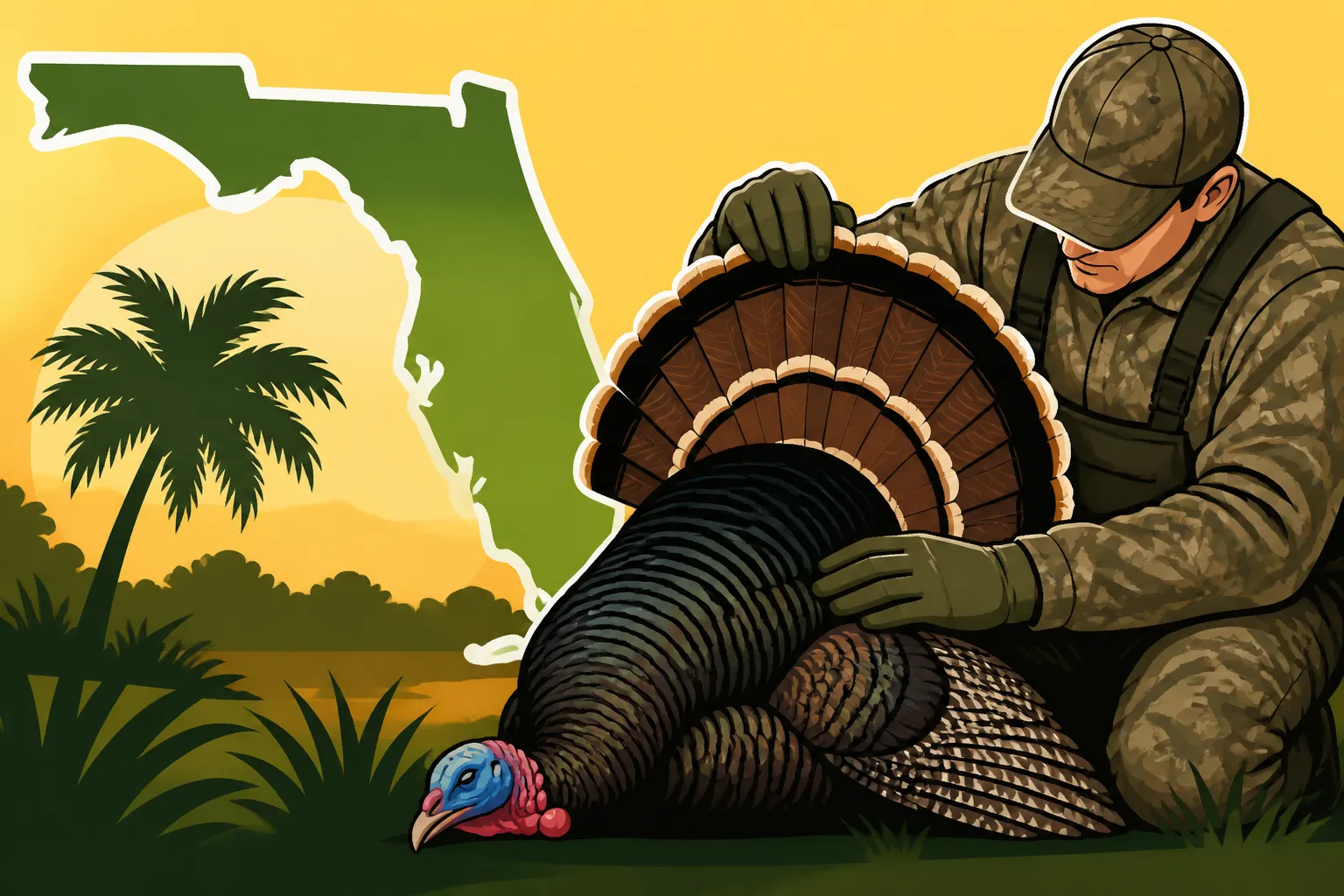
Before you even think about reporting, there’s another crucial step you must take immediately after harvesting your turkey: attaching a harvest tag. This isn't the same as the electronic report; it's a physical tag that comes with your turkey permit. As soon as you recover your bird, you need to validate and attach the appropriate tag to the turkey's leg. This tag must remain with the turkey until it is either consumed or processed for storage.
The tagging process serves as immediate proof of a legal harvest, especially if you encounter a game warden in the field. It prevents individuals from potentially taking more than their legal limit or harvesting a bird without a valid permit. Even if you're planning to report via the app immediately, the physical tag is non-negotiable and legally required before you move the bird from the site of harvest. Remember to validate the tag properly, often by notching out the date and county as instructed. This dual system—physical tagging and electronic reporting—works together to ensure robust enforcement and data collection.
Common Pitfalls and Troubleshooting
Even with the best intentions and preparations, things can sometimes go sideways in the field. Don't let a minor hiccup turn into a major headache. Knowing how to troubleshoot common issues can save you a lot of stress.
Connectivity Issues in Remote Areas
Florida's beautiful hunting grounds often mean remote areas with spotty or non-existent cell service. This is a real frustration for hunters relying on digital reporting methods. As mentioned, the FWC app does allow for offline entry, which then syncs when service is restored. This is your best bet if you plan to use the app in truly wild country.
However, if you're in an area where even phone calls are difficult, plan ahead. Consider carrying a satellite messenger device that can send text messages or has emergency communication features. While these aren't typically for FWC reporting, they can be a lifeline if you run into an issue or need to contact someone to report for you once you have a signal. Another strategy is to identify the closest town or area with reliable cell service on your way out of the woods. Make that your first stop to complete your report. Tools like GoHunt can sometimes overlay cell service maps, which can be incredibly useful for planning your exit strategy. This foresight will help you comply with the 24-hour rule, even when nature throws a curveball.
Incorrect Information and How to Correct It
Mistakes happen. Maybe you were so excited you accidentally entered the wrong county, or perhaps you misremembered the exact time of harvest. If you realize you've submitted incorrect information to the FWC, don't panic. The best course of action is to contact the FWC directly as soon as possible. Their regional offices or the main customer service line can usually help you amend your harvest report.
It's far better to proactively correct a mistake than to let it stand or, worse, for it to be discovered later. Be ready to explain what happened and provide your correct information. They understand that hunters are human, and honest errors occur. The FWC's goal is accurate data, so they are generally helpful in these situations. This kind of transparency builds trust and ensures the integrity of the data used for managing "Florida Turkey Population Trends" and other vital stats.
Consequences of Not Reporting
Ignoring the harvest reporting requirements can lead to more than just a stern talking-to. Failure to report a harvested turkey within the 24-hour window, or failure to properly tag the bird, is a violation of Florida hunting regulations. The penalties can range from fines to suspension of hunting privileges, depending on the severity and whether it's a repeat offense. It’s simply not worth the risk.
Beyond the legal ramifications, there's the ethical consideration. As responsible hunters, we are stewards of the wildlife resource. Reporting our harvests is part of that stewardship. It ensures that the FWC has the most accurate data possible to make decisions that benefit the turkey population and, in turn, future hunting opportunities. Think of it this way: your report is a small but significant contribution to the longevity of the sport we all love. It helps everyone understand things like "Florida Eastern Spring Season Dates" or "Florida Osceola Spring Season Dates" and why they are set as they are. So, make it a habit, make it a priority, and enjoy the peace of mind that comes with knowing you've done everything right.
Here's a quick summary of the turkey harvest reporting methods:
| Reporting Method | Pros | Cons |
|---|---|---|
| FWC Fish/Hunt Florida App | Offline capability, GPS location, quick, convenient. | Requires smartphone, battery life dependent, initial setup. |
| FWC Online Reporting System | Accessible from any device with internet, familiar web interface. | Requires internet connection at time of report, not ideal in the field. |
| FWC Toll-Free Phone Number | Good for no-data areas, human assistance, simple for non-tech users. | Requires phone signal for calls, potentially longer process, less immediate. |
Disclaimer
Please remember that hunting regulations can change. While this guide aims to provide accurate and up-to-date information, it is your responsibility to always consult the latest Florida Fish and Wildlife Conservation Commission (FWC) regulations and requirements before heading into the field. This information is for educational purposes and should not be considered legal advice.