Florida Crossbow Equipment Requirements
Navigating the myriad of hunting regulations in Florida can feel like trying to untangle a fishing line after a particularly enthusiastic cast – frustrating, time-consuming, and often leaving you scratching your head. For those of us who prefer the silent, challenging pursuit of a crossbow, understanding the precise equipment requirements is absolutely crucial, not just for ethical hunting, but to ensure you stay on the right side of the law. This guide aims to clear up all the confusion surrounding crossbow use in the Sunshine State, making sure you're well-equipped and fully compliant before you ever step foot in the woods.
The Basics of Crossbow Legality in Florida
When you're passionate about hunting, nothing beats the anticipation of a new season. But before you can even think about what game you'll be pursuing, you've got to make sure your gear is legal. Crossbows, while offering a unique blend of traditional archery challenge and modern shooting mechanics, come with their own set of rules in Florida. It's not as simple as just grabbing any crossbow off the shelf and heading out.
Who Can Use a Crossbow in Florida?
One of the most common questions I hear from fellow hunters, especially those new to Florida or new to crossbows, is "Can I even use a crossbow?" The good news is, for the most part, yes! Florida is pretty accommodating when it comes to crossbows. Unlike some states that restrict their use only to hunters with specific disabilities or during limited seasons, Florida allows the use of crossbows during any archery season, as well as during general gun seasons, muzzleloader seasons, and even youth deer hunts, provided all other license and permit requirements are met. This open approach means more opportunities for hunters who prefer this method, whether it's due to physical limitations, personal preference, or simply the desire to extend their time in the field with a different challenge. You don't need a special permit or a doctor's note; if you're a licensed hunter, you're generally good to go. It really opens up the playing field for many folks who might otherwise feel left out of certain seasons.
However, it’s always wise to remember that while the general rule is inclusive, there can be specific area restrictions, especially on certain Wildlife Management Areas (WMAs). It's a bit like driving: you know the general speed limit, but you always check for signs in specific zones. So, even though Florida broadly permits crossbow use, you should still consult the regulations for the specific WMA or private land you plan to hunt. Think of it as your due diligence; a quick check can save a whole lot of headache later.
General Season Regulations for Crossbow Use
So, you've confirmed you can use a crossbow. The next question is when? This is where the season dates really come into play. In Florida, crossbows are considered a legal weapon during the established archery seasons. This means you can be out there during the early archery openers, which can vary significantly depending on which of Florida's four deer zones you're hunting in. For instance, someone hunting the Florida Zone A Archery Opening Day will have different dates than a hunter in Zone C. It’s critical to know your zone and its specific calendar.
But it doesn't stop there. Crossbows are also permitted during muzzleloader seasons, which means you have another window of opportunity where primitive weapons are allowed. And, perhaps most significantly, they are fully legal during all general gun seasons. This is fantastic news for hunters who might prefer the precision and lower recoil of a crossbow over a traditional firearm, but still want to participate in the main gun season. It offers flexibility, allowing you to choose the weapon that best suits your hunting style and the conditions of the hunt. This broad acceptance across multiple seasons gives crossbow hunters a distinct advantage, expanding their time afield considerably compared to states with more restrictive rules. Remember to always consult the Legal Weapons During Florida Archery Season guide for the most up-to-date information on what's allowed.
Specific Crossbow Equipment Requirements
Alright, so we know when and where you can use a crossbow. Now, let's get down to the nitty-gritty: what kind of crossbow? Just like rifles have minimum caliber requirements and shotguns have gauge restrictions for certain game, crossbows in Florida also have specific equipment standards you need to adhere to. It’s all about ensuring a humane harvest and maintaining fair chase principles.
Minimum Draw Weight and Safety Features
When you're looking at crossbows, whether it's your first one or you're upgrading, draw weight is a crucial specification. While Florida doesn't explicitly state a minimum draw weight for hunting big game like deer or bear, it does have an implicit standard based on ethical hunting practices and projectile energy. Generally, a crossbow used for deer hunting should have a draw weight sufficient to propel an arrow with enough kinetic energy for a clean kill. Most reputable crossbow manufacturers design their hunting models with ample power for whitetail deer and even larger game. You'll commonly see hunting crossbows with draw weights ranging from 150 to over 200 pounds, which is more than adequate. The key is kinetic energy at impact, which is a combination of bolt weight and speed.
Beyond just power, safety features are paramount. Florida regulations specify that all crossbows must have a working mechanical safety device. This isn't just a suggestion; it's a non-negotiable requirement. Before you load a bolt and definitely before you head into the field, you must ensure your crossbow's safety is fully functional. Additionally, many modern crossbows come equipped with anti-dry fire mechanisms, which prevent the bow from being fired without a bolt properly seated. While not explicitly mandated by Florida law, these are excellent features for preventing accidental discharge and equipment damage, something any hunter who values their gear (and their fingers!) will appreciate. Always remember, safety first, last, and always.
Arrow and Broadhead Specifications
The crossbow is only half of the equation; what you're shooting from it is just as important. Florida has clear regulations regarding the projectiles used with crossbows, specifically for hunting big game like deer and bear. When it comes to arrows (or bolts, as they are often called in the crossbow world), they must be at least 18 inches in length. This isn't just an arbitrary number; it's designed to ensure proper arrow flight and stability for humane hunting. Using anything shorter than 18 inches is a no-go.
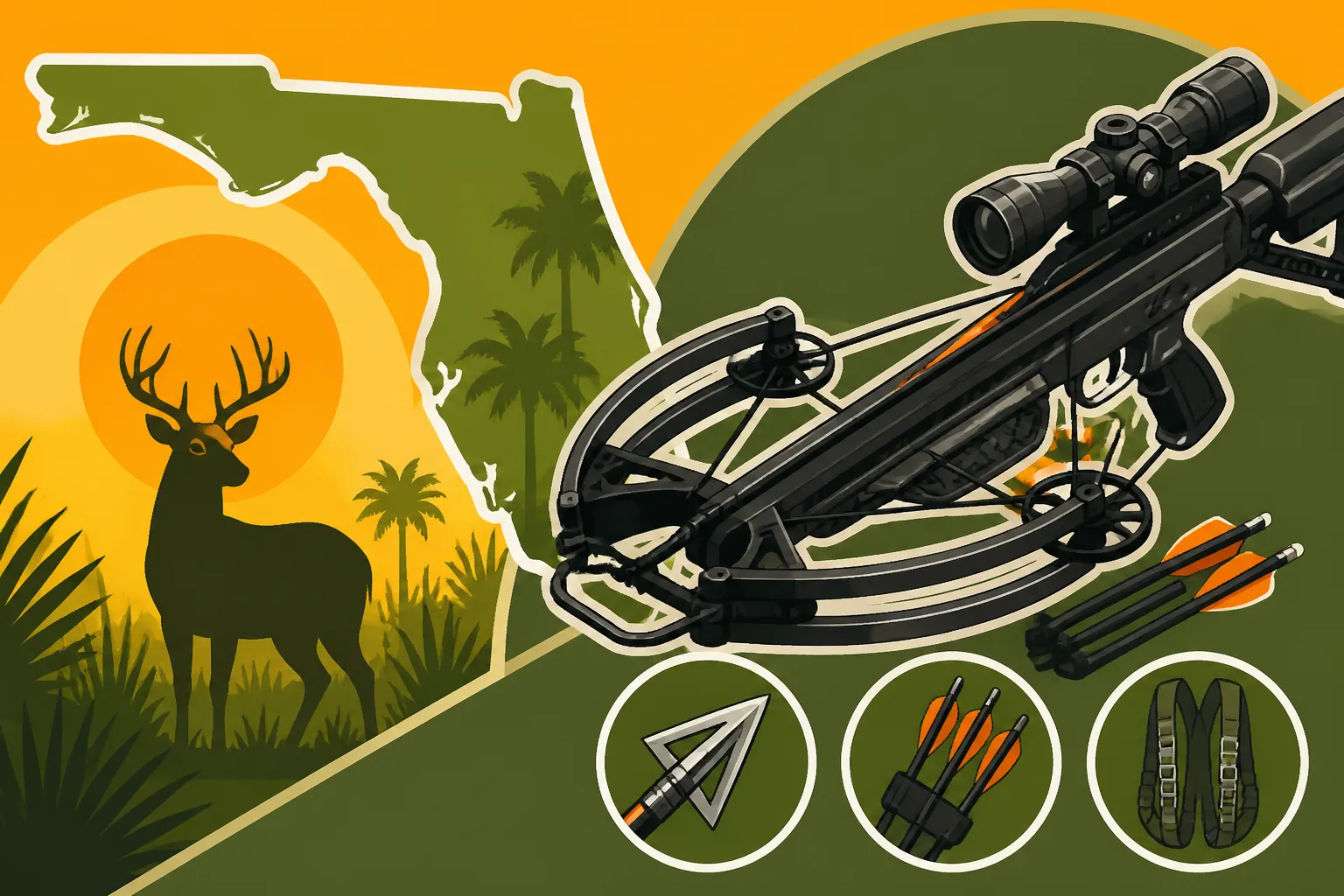
Now, let's talk broadheads. This is where precision really matters. For hunting deer and other big game, broadheads must have at least two sharpened edges and be at least 7/8 inches wide. This wide minimum ensures adequate cutting diameter for a clean, ethical harvest. Expandable or mechanical broadheads are also perfectly legal in Florida, provided they meet the minimum 7/8 inch cutting diameter once expanded. So, if you're a fan of something like the Rage Hypodermic or the G5 Deadmeat, you're good to go, as long as they open up to the required width. Broadheads are crucial, as they are what actually does the work. Always inspect your broadheads before heading out, ensuring they are razor-sharp and free of damage. Using dull or damaged broadheads is not only unethical but also potentially illegal if it falls outside the spirit of humane harvest.
Table: Florida Crossbow Equipment Requirements Summary
| Feature | Requirement for Big Game (e.g., Deer, Bear) | Notes |
|---|---|---|
| Draw Weight | Sufficient for humane harvest | No explicit minimum; generally 150+ lbs for adequate kinetic energy. |
| Mechanical Safety | Required | Must be fully functional. |
| Arrow (Bolt) Length | Minimum 18 inches | Essential for stable flight and ethical hunting. |
| Broadhead Type | Fixed or Expandable (Mechanical) | Both are legal. |
| Broadhead Edges | Minimum 2 sharpened edges | Ensures proper cutting for humane harvest. |
| Broadhead Width | Minimum 7/8 inches wide | Refers to cutting diameter when expanded for mechanical broadheads. |
| Anti-Dry Fire | Not explicitly required | Highly recommended for safety and preventing equipment damage. |
Understanding Crossbow Use on Public Versus Private Lands
Hunting in Florida often involves a mix of public and private land. The state boasts an impressive amount of public hunting opportunities, especially through its Wildlife Management Area (WMA) system. However, the rules can differ slightly depending on where you're hunting. It’s never safe to assume that what flies on your buddy's back forty will automatically be okay on public land.
WMA Specific Crossbow Rules
Wildlife Management Areas in Florida are incredible resources for hunters, offering diverse habitats and a chance to experience true wilderness. However, these areas often come with their own specific regulations that go beyond the statewide general rules. When it comes to crossbows, while they are generally allowed during archery and gun seasons statewide, some WMAs might have special restrictions or quota hunt requirements that could impact your crossbow use. It's not uncommon to find areas where certain weapons are restricted during particular hunts, or where access methods are limited.
Before you plan a hunt on any WMA, your absolute first step should be to check the specific WMA regulations. These are typically available on the Florida Fish and Wildlife Conservation Commission (FWC) website or through their FWC App, which is an indispensable tool for any Florida hunter. You'll want to look for specific rules regarding "legal methods of take" for the hunt you're participating in. Sometimes, certain quota hunts might specify archery equipment but implicitly exclude crossbows, or vice-versa. It’s always better to be overly cautious than to find yourself in violation of a WMA-specific rule. You can also dive deeper into resources like Florida WMA Management Area Permit to understand the permit system and rules. Remember, understanding these nuances is what separates a prepared hunter from one who might accidentally run into trouble.
Private Land Considerations
Hunting on private land in Florida offers a different set of dynamics. While the statewide crossbow equipment requirements (draw weight, arrow length, broadhead type) still absolutely apply, the beauty of private land is that you don't typically encounter the hyper-specific season or method restrictions that can be present on WMAs. If you've secured permission from a landowner to hunt, and you're following all state regulations regarding licenses and equipment, you generally have more flexibility in terms of access and timing within the established state seasons.
That said, when hunting on private land, courtesy and communication with the landowner are paramount. While they can't override state law, they might have their own preferences or rules about how you hunt on their property. For example, some landowners might prefer you only use archery equipment, even during gun season, for safety reasons related to livestock or nearby homes. Always clarify these points beforehand. Additionally, if you're ever tracking a deer onto adjacent private property, you absolutely need to know Retrieving Game From Private Land in Florida rules to avoid any issues with trespassing. This respect for property lines and landowner wishes is a cornerstone of responsible hunting and helps ensure future access for everyone.
Staying Compliant and Avoiding Common Mistakes
It's easy to get caught up in the excitement of hunting, but cutting corners on regulations is never worth it. Understanding and adhering to Florida's crossbow equipment requirements is not just about avoiding fines; it's about ethical hunting and respecting the wildlife.
The Importance of Checking FWC Regulations Annually
The biggest mistake a hunter can make is assuming that last year's rules are this year's rules. Wildlife regulations, particularly for specific weapon types or seasons, can and do change. The Florida Fish and Wildlife Conservation Commission (FWC) revises its regulations annually, and sometimes even makes in-season adjustments. What was perfectly legal last season for your crossbow might have a slight tweak this year that could throw you off. This is why it's incredibly important to review the latest FWC Hunting Regulations booklet or their online resources every single year before you head out.
Think of it like getting your vehicle inspected annually; you don't just assume it's still road-worthy without checking. The FWC website is always the most up-to-date and authoritative source. Many seasoned hunters keep a digital copy on their phone for quick reference in the field. Don't rely on hearsay or what a friend "thinks" is the rule. Make it a habit to directly consult the source. This diligence ensures you're always hunting legally and ethically, safeguarding both your hunting privileges and the reputation of hunters as a whole. Additionally, being familiar with regulations can help you understand the nuances, such as Why Florida's Deer Seasons Vary So Much by Zone, giving you a more holistic view of management efforts.
Tools and Resources for Florida Hunters
In this digital age, hunters have a wealth of tools at their fingertips to stay informed and compliant. Beyond the official FWC website, there are several fantastic resources designed to help you understand complex regulations and navigate hunting areas. One such excellent resource for planning and executing hunts, especially when trying to keep track of regulations and property boundaries, is a platform like GoHunt. Tools like GoHunt can provide detailed maps, land ownership information, and even break down regulations for specific areas, which is incredibly helpful when you're trying to figure out if your crossbow is legal on a particular WMA.
The FWC's own mobile app is another indispensable tool, offering offline access to regulations, license purchasing capabilities, and even deer reporting functions. Imagine being deep in the Ocala National Forest, miles from cell service, and needing to quickly verify a rule; having the FWC app downloaded with regulations is a lifesaver. Furthermore, online forums and reputable hunting communities can be great places to ask questions and learn from experienced Florida hunters, but always cross-reference information with official FWC sources. Utilizing these tools, including platforms like GoHunt, not only helps you stay legal but also enhances your overall hunting experience by making planning and execution smoother. For those interested in public land, the FWC's interactive maps on their website or within apps like GoHunt can pinpoint Public Hunting Land in Florida and clarify boundaries, which is crucial when Finding Florida Property Lines in ambiguous areas. And when you're out there on public land, understanding the local rules for things like Using a Ground Blind on Florida Public Land can be just as important as your weapon choice.
Remember, preparation is key. A little bit of research before your hunt can prevent a lot of potential problems. From ensuring your crossbow meets the draw weight and broadhead specifications to double-checking WMA-specific rules and having your license and Florida Resident License Options or Florida Nonresident License Options in order, being informed is your best defense against a spoiled hunt. After all, we're out there to enjoy the chase, appreciate nature, and hopefully, bring home some delicious wild game, not to worry about legal technicalities.
Disclaimer
The information provided in this guide is for general informational purposes only and is not legal advice. Hunting regulations can change frequently. Always consult the most current Florida Fish and Wildlife Conservation Commission (FWC) regulations directly from their official website or printed materials before participating in any hunting activity. Failure to do so may result in legal penalties.