Retrieving Game From Private Land in Florida
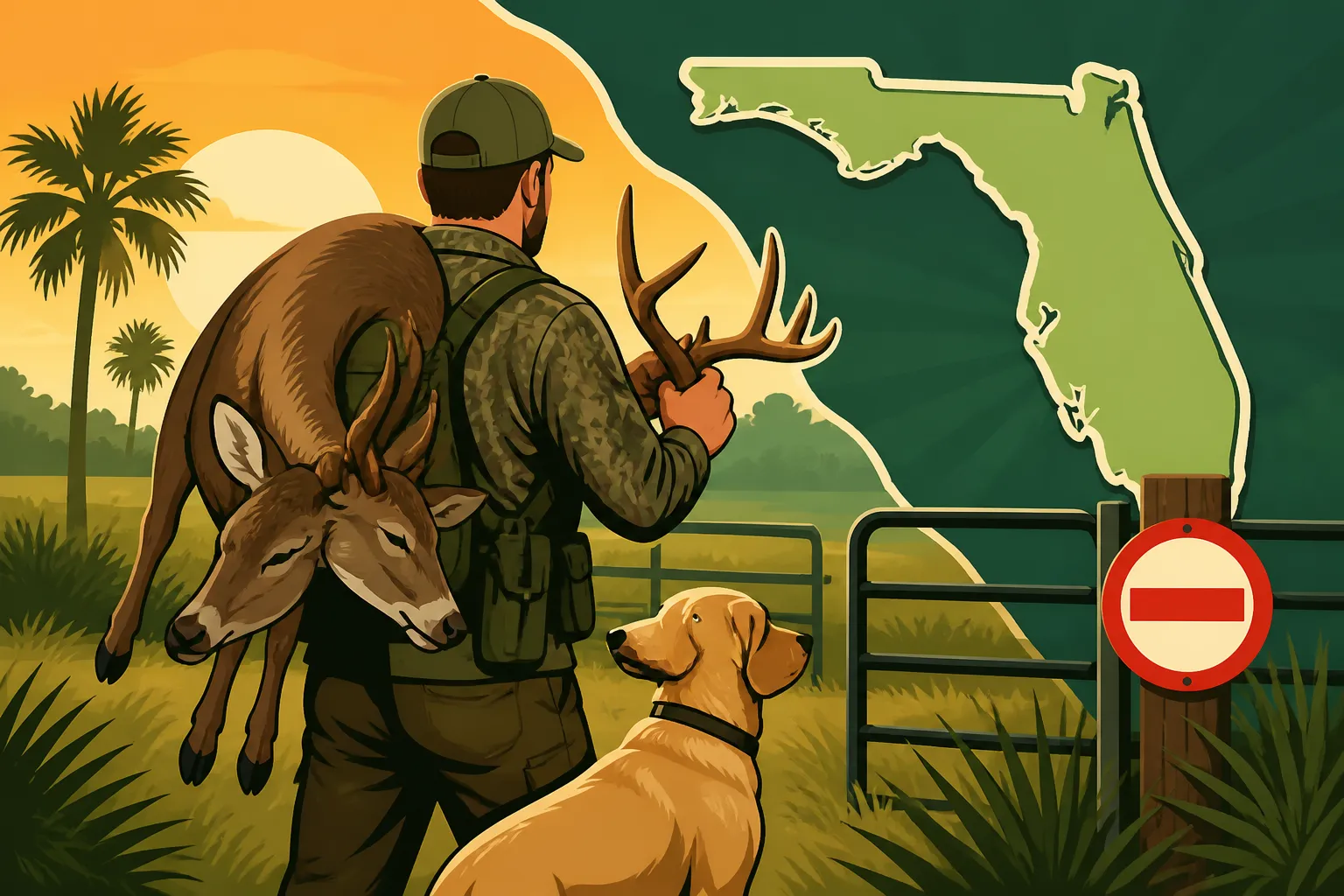
There's hardly a more heart-sinking moment for a hunter than making a good shot on an animal, only to watch it sprint across a property line into land you don't have permission to be on. The mix of elation from a successful hunt, immediately followed by the cold dread of potential trespass, is a uniquely frustrating dilemma. This guide is here to walk you through the legalities and best practices for Retrieving Game From Private Land in Florida when that inevitable situation arises, focusing on how to navigate it respectfully and legally.
The Gut-Wrenching Reality: When Game Crosses the Line
You've done everything right: spent countless hours scouting, practiced your shot, waited patiently for the perfect opportunity, and executed a clean hit. The adrenaline surges, you know you've got your deer, but then it happens – that last burst of energy carries it over a fence line, beyond a posted sign, or into the dense cover of a property clearly not yours. Your heart sinks. Now what? This isn't just a physical boundary; it's a legal and ethical one that Florida hunters face more often than they'd like to admit.
The immediate reaction for many is to follow, no matter what. After all, you've got a moral obligation to recover the animal, to not let your hard-earned effort go to waste, and to show respect for the game. But chasing that deer without permission, even for recovery, can quickly turn you from a responsible hunter into a trespasser, potentially leading to fines, legal troubles, and even the loss of your hunting privileges. It's a tough pill to swallow, knowing your quarry is just out of reach, but understanding the law is paramount.
This frustrating scenario highlights a critical aspect of hunting in a state like Florida, where private land often borders public access areas, or small private tracts are interspersed throughout large landscapes. What might look like continuous woods from your stand could easily be segmented by property lines you can't see, making the use of mapping tools like onX Hunt absolutely invaluable for understanding boundaries before you ever step foot in the woods.
Understanding Florida's Trespass Law
In Florida, trespass is taken seriously. Entering or remaining on any land or property without the express permission of the owner or occupant is generally considered trespass. This isn't just about fences and "No Trespassing" signs; it can apply even if the land isn't explicitly posted. The key word here is "permission." Without it, you could be facing legal repercussions, regardless of your intent to recover game.
The law doesn't make an exception for retrieving a legally harvested animal. Your good intentions, while commendable from an ethical hunting perspective, don't override the property owner's rights. This means that if your deer drops 10 yards onto your neighbor's undeveloped timber lot, you cannot legally cross that line to retrieve it without first obtaining permission. Even if you believe the animal will spoil quickly in Florida's warm climate, the law still requires you to seek consent.
It's also important to recognize that trespassing can escalate. While simple trespass might result in a warning or a misdemeanor charge, if you cause damage to property, refuse to leave, or are found to be armed, the penalties can become much more severe. This underscores why a calm, respectful approach and strict adherence to the law are your only viable options.
The Ethical Hunter's Dilemma
Beyond the legal ramifications, there's the profound ethical responsibility that every hunter feels to recover their game. We are taught from a young age that once you squeeze the trigger or release an arrow, your commitment to that animal is absolute. Leaving a wounded or dead animal to waste is antithetical to everything responsible hunting stands for.
This creates a significant internal conflict when the game crosses into private property. Do you risk legal trouble to uphold your ethical duty? Or do you prioritize adherence to the law, potentially leaving an animal to waste? It's a no-win situation that weighs heavily on the conscience. Most hunters would choose recovery if possible, but the 'how' becomes the critical factor.
Many of us have been there, staring across that imaginary line, knowing our deer is just meters away, feeling helpless. This is where preparation and understanding your options become crucial. It's not about finding loopholes, but about knowing the correct, legal, and respectful way to proceed. Your reputation as a hunter, and the public perception of hunting itself, depends on how you handle these moments.
Navigating the Legal Landscape for Recovery
When that deer makes its last dash onto private property, your first move shouldn't be to follow it. It should be to identify the landowner and seek permission. This step is non-negotiable in Florida. Without explicit permission, you risk more than just a stern talking-to; you could face serious legal consequences.
Florida's laws are clear: property rights are respected. While some states have "right to retrieve" laws, Florida is not one of them. This means you have no inherent legal right to enter private land, even to pick up a deer you've shot. This is why having a plan for this contingency, and knowing how to respectfully engage with landowners, is so incredibly important.
The legal landscape is not designed to be difficult for hunters, but rather to protect private property. Understanding this distinction can help frame your approach when seeking permission. You're asking for a favor, not asserting a right. This mindset will guide your interactions and significantly increase your chances of a successful and amicable resolution.
The Importance of Immediate Permission
As soon as you realize your game has crossed onto private land, the clock starts ticking, especially in Florida's often warm climate. The sooner you can attempt recovery, the better the chances of finding the animal and ensuring the meat doesn't spoil. However, speed should never come at the expense of legality. Your absolute first step must be to try and contact the landowner.
Do not cross the property line until you have received clear, unequivocal permission. Even a few steps over the line to "just peek" can be considered trespass. This can be incredibly frustrating when you can see your deer, but it’s a hard line that must be respected. If you are unsure who owns the property, resources like your county property appraiser's website or mapping apps like onX Hunt can often help you identify landowners and sometimes even provide contact information. Having the Finding Florida Property Lines information at your fingertips can be a game-changer.
When contacting the landowner, be polite, explain the situation clearly, and be prepared to show them where you believe the animal is. Offer to leave your weapon behind, or even offer for them to accompany you. Your goal is to be as transparent and non-threatening as possible. Remember, you are a guest asking for a courtesy, not demanding access.
What if You Can't Get Permission?
This is the scenario every hunter dreads: you've made the call, knocked on the door, but the landowner flat-out refuses permission. Or worse, you can't identify or locate the landowner in a timely manner. What then? Unfortunately, if a landowner denies you permission to retrieve your game, or you cannot contact them, you are legally out of options for recovery.
It's a bitter pill to swallow, knowing a perfectly good animal will go to waste. But from a legal standpoint, you cannot force the issue. Trespassing to retrieve game after being denied permission or failing to gain it is a direct violation of Florida law and can have severe consequences, including fines and potential revocation of your hunting license. It's a tough lesson in respecting property boundaries.
In these incredibly difficult situations, you must make the agonizing decision to let the animal go. While it goes against every fiber of a responsible hunter's being, it is the only legal course of action. Documenting your attempts to contact the landowner and their refusal can be helpful, though not legally exculpatory if you choose to trespass anyway. This rare but devastating outcome underscores why building goodwill with landowners in areas you hunt, and using mapping tools to understand property lines, is so critical before the season even starts.
When Law Enforcement Might Get Involved
In most cases, if a landowner finds you on their property without permission, they will simply ask you to leave. However, if they feel threatened, if you refuse to leave, or if they suspect you're doing more than just looking for a deer, they might call law enforcement. This is when a frustrating situation can quickly turn into a serious legal problem.
If law enforcement arrives, be calm, polite, and completely cooperative. Explain your situation truthfully, without being defensive or argumentative. State that you were attempting to recover a legally harvested animal and were seeking permission. Show them your license and any tags you have. Do not have a weapon in your hand or act in any way that could be perceived as threatening.
Law enforcement officers are primarily there to enforce property rights. They cannot grant you permission to enter private land if the owner has denied it. In some instances, they might be willing to act as an intermediary, contacting the landowner on your behalf, but this is not guaranteed and depends on their discretion and the specifics of the situation. Your best defense is always to avoid putting yourself in this situation by respecting property lines and seeking permission before you cross. Understanding Florida Wildlife Violation Penalties can provide perspective on the potential gravity of illegal entry.
Proactive Strategies to Avoid This Headache
The best way to deal with game crossing onto private land is to prevent it from happening in the first place, or at least to be prepared for it. A little foresight and preparation can save you immense stress, potential legal trouble, and the heartbreak of an unrecovered animal. This involves more than just knowing your public land boundaries; it's about understanding the surrounding landscape and being strategic in your hunting approach.
Many hunters simply focus on the parcel they are permitted to hunt, whether it's public land or a private lease. But the smart hunter considers the broader ecosystem, including adjacent private properties. This proactive thinking becomes even more important when hunting close to residential areas or agricultural fields where property lines are numerous and often less clearly marked.
Thinking ahead can turn a potential disaster into a minor inconvenience. It’s about leveraging available technology and common courtesy to ensure your hunt goes smoothly from start to finish.
Scouting and Mapping Private Land Boundaries
Before you ever set foot in the woods, spend time understanding the lay of the land, especially property lines. Modern mapping applications have revolutionized this aspect of hunting. Tools like onX Hunt, for example, allow you to overlay private and public land boundaries directly onto aerial imagery on your phone or GPS device. This is incredibly powerful for knowing exactly where you stand and what lies beyond.
Using such an app, you can identify potential escape routes for game onto adjacent properties. You can also identify landowners before the season starts, noting their names and contact information if available. This pre-season homework allows you to be prepared if an animal does cross a boundary. You won't be scrambling to figure out who owns the land in the heat of the moment. Reading Aerial Photos for Florida Deer combined with boundary layers can show you where deer might naturally funnel across property lines.
Take screenshots or print out maps of critical areas, especially if you anticipate poor cell service in your hunting spot. Having this information readily available can save you precious time when a deer runs onto a neighbor's parcel. This level of detail in your scouting is a game-changer for responsible hunting in Florida.
Building Relationships with Landowners
The most effective "plan B" for recovering game from private land is having a pre-existing relationship with the adjacent landowners. If your hunting area borders private property, consider introducing yourself to the owners long before hunting season begins. Explain that you hunt the neighboring parcel, share your contact information, and respectfully ask if, in the unfortunate event that a legally harvested animal should cross onto their property, you would be allowed to retrieve it.
This open communication and demonstration of respect can make all the difference. Many landowners are reasonable and understand the ethical responsibility of a hunter, especially if they know you are a responsible individual. It’s much easier to gain permission from someone you’ve already met and established a rapport with, rather than showing up on their doorstep unannounced with a bloody knife and a determined look.
Offer to help them with something on their property, like clearing brush or repairing a fence, to build goodwill. This neighborly approach can turn a potential confrontation into a cooperative effort. Remember, a "No" from a stranger is much more likely than a "Yes" from someone who knows and trusts you. This proactive effort aligns with the principles of Asking a Florida Landowner for Permission.
Planning Your Hunt with Boundaries in Mind
Once you understand the property lines, use that knowledge to inform your hunting strategy. When setting up your stand or planning a stalk, consider where the deer might run if shot. If there's a thick palmetto head on the adjacent private property, try to position yourself to prevent the deer from reaching it.
This might mean slightly adjusting your stand location, choosing a different shot angle, or even passing on a marginal shot that has a higher likelihood of the deer escaping across a boundary. It’s about being disciplined and strategic. Sometimes, foregoing a shot that puts a deer into a precarious legal situation is the most responsible choice.
While you can't control every movement of a wild animal, you can certainly influence the probabilities with smart stand placement and shot selection. Being mindful of these boundaries while hunting, much like you'd consider wind direction or escape cover, is an integral part of responsible hunting planning in Florida. Consider areas where deer might naturally funnel, and how that relates to property lines. Hunting a Funnel Between Two Palmetto Heads or Hunting a Palmetto Flatwoods Edge are prime examples where understanding adjacent land is key.
Best Practices for Seeking Permission (If It Happens)
Despite your best efforts, sometimes game will inevitably cross onto private land. When that happens, your approach to seeking permission is absolutely critical. How you present yourself and your request can literally make or break your chances of retrieving your animal. It's a moment that requires patience, respect, and a clear understanding of the landowner's perspective.
Remember, you are approaching someone who has every legal right to deny you access. Your goal is to be so reasonable and respectful that denying you seems like an unnecessary hassle. This is not the time for demands or assumptions; it's the time for polite, clear communication.
| Action | Do | Don't |
|---|---|---|
| Approach | Be calm, polite, and respectful. | Be aggressive, demanding, or entitled. |
| Timing | Try to contact them as soon as possible, but at a reasonable hour. | Show up in the middle of the night or at dawn without prior contact. |
| Appearance | Present yourself neatly, leave your weapon secured/in your vehicle. | Show up with a bloody weapon or looking disheveled. |
| Explanation | Clearly explain the situation: you shot a deer, it crossed. | Be vague, evasive, or make excuses. |
| Offer | Offer to leave your weapon, offer for them to accompany you. | Insist on bringing your weapon, demand solo access. |
| Respect | Respect their decision, even if it's no. Thank them for their time. | Argue, plead, or complain if they say no. |
| Documentation | Have your license/tags ready. | Fail to have proper documentation. |
Approaching the Landowner Respectfully
If you find yourself needing to retrieve game from someone else's property, the way you initiate contact is paramount. First, ensure your weapon is unloaded and secured in your vehicle. Approaching someone's home or property with a firearm can be immediately perceived as threatening, regardless of your intent.
When you make contact, introduce yourself clearly and state your purpose calmly. "Hello, my name is [Your Name], and I was hunting on the property next door. I believe I've shot a deer that has crossed onto your land, and I'm hoping to get your permission to retrieve it." Be direct and honest. Avoid any hint of deception or entitlement.
Dress appropriately. While you might be in your hunting clothes, try to look presentable and non-intimidating. Remove any face paint, put on a clean hat, and generally present yourself as a responsible member of the community, not a stealthy woodsman. Remember, first impressions matter, and you're asking for a favor.
What to Bring and How to Present Your Case
When you approach the landowner, be prepared. Have your hunting license and tags readily available, even if you don't immediately show them. It demonstrates that you are a legitimate, licensed hunter. Have a clear idea of where you last saw the animal and where you believe it might be on their property. Being able to point to a map, even a basic sketch, can be very helpful.
If they grant permission, be clear about your intentions. "Thank you so much. I'll just need to go in, find the deer, and bring it out as quickly and cleanly as possible. I promise to be respectful of your property." Offer to walk with them, or have them observe you from a distance if they prefer. Your goal is to alleviate any concerns they might have about your presence.
Emphasize that you are only there for the retrieval of your animal and will not engage in any further hunting activities on their land. Many landowners are wary of giving permission once, fearing it might lead to repeated unauthorized access. Reassure them that this is a one-time request for a specific, urgent purpose. This builds trust and aligns with the general rule for Do You Need Written Permission in Florida?, even for a temporary retrieval.
Handling a "No" with Grace
Despite your best efforts and most respectful approach, a landowner might still deny you permission. This can be for a variety of reasons: they might be anti-hunting, they might have had bad experiences with hunters in the past, or they might simply prefer to keep their property private. While incredibly disappointing, it's crucial that you handle a "No" with grace and understanding.
Do not argue, complain, or try to guilt-trip them. A simple, "I understand, thank you for your time anyway," is the appropriate response. Walking away calmly, even with a heavy heart, is essential. Becoming argumentative or confrontational will only solidify their negative opinion of hunters and potentially burn bridges for future hunters who might genuinely need help.
Remember, the landowner has the legal right to refuse you access. Respecting that right, even when it means sacrificing your game, is a testament to your character as a responsible citizen and a sportsman. While it's a tough lesson, it reinforces the importance of knowing your boundaries and planning your hunts carefully to minimize the chances of game crossing onto land where you don't have permission. This experience might even encourage you to look into Hunting Small Private Tracts in Florida in the future, where you have full control over the land.
Disclaimer
This article is for general informational purposes only and does not constitute professional advice. Laws, prices and regulations vary by location and change over time. Consult a qualified professional for guidance on your specific situation.