Florida Antler Point Restriction Status
One of the most common head-scratchers for deer hunters, especially those new to the Sunshine State or coming from other areas, revolves around antler point restrictions. It can be incredibly frustrating to feel like you're navigating a maze of changing rules, worried you might accidentally harvest an illegal buck. This guide is here to untangle that confusion, offering a clear and comprehensive look at the status of antler point restrictions (APRs) in Florida, so you can hunt with confidence and clarity.
The Current Status of Antler Point Restrictions in Florida
Let's cut right to the chase because this is where many hunters get tripped up: Florida does not, at this time, implement a statewide antler point restriction for white-tailed deer. This is often a significant departure from what hunters experience in many other states across the country, where rules like "four points on one side" or "at least one antler with three points" are commonplace. Understanding this fundamental difference is crucial before you even step foot in the woods.
A Statewide Absence: What Most Hunters Need to Understand
For the vast majority of deer hunting opportunities across Florida, whether you're on private land or many of the state's wildlife management areas (WMAs), you won't find a rule dictating the number of points a buck must have on its antlers to be legally harvested. This can be a huge relief for some, offering more flexibility, but it can also be disorienting if you're accustomed to strict point counts. Instead of focusing on antler points, Florida's regulations hinge on a simpler, more direct definition of a legal buck.
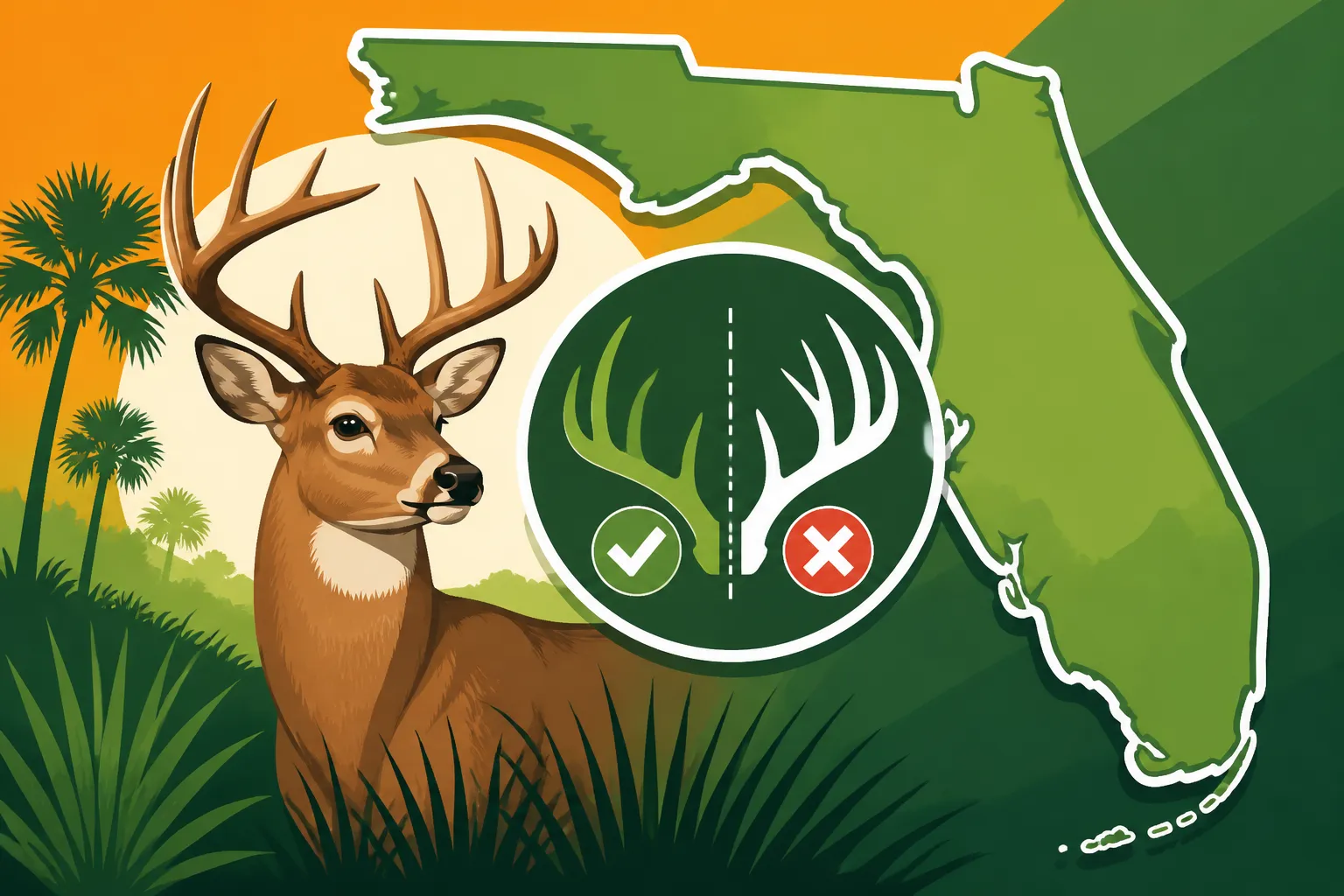
The Florida Fish and Wildlife Conservation Commission (FWC) defines a legal antlered deer as any deer having at least one antler that is 5 inches or longer, measured from the pedicle to the tip. That's it. It doesn't matter if it's a spike, a fork horn, or a mainframe eight-point, as long as one antler meets that minimum 5-inch length. This regulation applies broadly, making it easier for hunters to quickly assess a buck's legality in the field without needing to count individual points or assess complex configurations. This is a critical distinction that often surprises hunters expecting more complicated rules.
Historical Context and Local Exceptions
It's natural to wonder if Florida has ever had APRs or if they might be introduced in the future. Historically, there have been discussions and even proposals for antler point restrictions in certain areas or on specific WMAs. These discussions usually stem from a desire to alter the age structure of the buck population, allowing younger bucks to survive more seasons and potentially grow larger antlers. However, the FWC's approach has generally leaned away from widespread APRs, citing the state's incredibly diverse habitats and deer populations. What might work in the dense pinelands of the Panhandle could be completely impractical in the vast Everglades or the thick palmetto scrub of Central Florida.
While a statewide APR isn't in place, it's absolutely vital to remember that individual Wildlife Management Areas (WMAs) can and often do have their own unique sets of rules that might include more specific antler criteria or harvest limitations. For example, some WMAs might only allow bucks with a minimum spread, or they might have specific harvest quotas. These WMA-specific regulations are distinct from a statewide APR and underscore the importance of always checking the local rules for the exact piece of public land you intend to hunt. Before you head out, make sure you've consulted the most current WMA brochure or checked the FWC's website or an app like GoHunt for specific regulations regarding any public land you plan to visit.
Why Florida Moved Away From Statewide APRs and the Philosophy Behind It
The decision not to implement statewide antler point restrictions isn't arbitrary; it's rooted in a deliberate wildlife management philosophy tailored to Florida's unique ecological landscape and hunter preferences. Many states adopt APRs with the intention of fostering an older age structure within their buck populations, aiming for more mature, larger-antlered deer. While this goal is shared by many Florida hunters, the FWC approaches it through different means.
The Goals of Deer Management in Florida
Florida's deer management strategy is designed to achieve several key objectives simultaneously: maintaining healthy deer populations, ensuring sustainable harvest opportunities for hunters, and balancing deer numbers with habitat carrying capacity. The state's diverse ecosystems—from expansive swamps and pine flatwoods to agricultural lands and dense hammocks—mean that a one-size-fits-all approach like a statewide APR might not be effective or even biologically sound across all regions. Deer genetics, nutrition, and habitat quality vary dramatically from the Panhandle to the Everglades, influencing antler development far more than a simple point count.
Instead of focusing on antler points, the FWC emphasizes a broader approach to herd management. This includes setting appropriate bag limits, regulating season lengths across Florida's four deer management zones, and monitoring harvest data submitted by hunters. These tools allow wildlife biologists to adapt management strategies to specific regional conditions, ensuring that deer populations remain robust and healthy without placing potentially restrictive or counterproductive antler regulations on hunters statewide. For instance, in areas with lower deer densities, management might focus more on herd growth, while in areas with abundant deer, harvest might be encouraged to prevent overpopulation and habitat degradation.
Alternative Management Strategies
Without statewide APRs, the FWC relies on a suite of other tools to manage the deer herd and influence hunter behavior. One primary tool is the statewide bag limit, which restricts hunters to two antlered deer per day and a maximum of five antlered deer during the statewide season. While there's no limit on antler points, these bag limits help regulate overall buck harvest. Furthermore, the FWC actively collects data from hunters through mandatory deer reporting requirements. Every time a hunter harvests a deer, they are required to report it, which provides invaluable information about harvest rates, deer health, and population trends. This data is critical for adaptive management, allowing biologists to make informed decisions about future regulations. You can learn more about how to comply with these rules in our guide on Florida Deer Reporting Requirements.
Another significant aspect of Florida's deer management involves the state's four distinct deer management zones: A, B, C, and D. Each zone has its own set of season dates for archery, muzzleloader, and general gun, which are carefully timed to coincide with varying rut periods and habitat conditions across the state. This zonal approach allows for localized management without imposing unnecessary restrictions on areas where they might not be beneficial. For example, understanding Florida's Four Deer Management Zones Explained will show you how season timing, not antler criteria, is the primary management tool. The FWC's philosophy is to empower hunters with knowledge and responsibility, trusting them to make ethical decisions in the field within a clear, yet flexible, regulatory framework.
What This Means for Hunters: Regulations You Do Need to Know
While the absence of statewide antler point restrictions can simplify things, it doesn't mean Florida deer hunting is a free-for-all. There are still critical regulations you absolutely must understand and follow. These rules are designed to ensure responsible hunting, protect the deer herd, and maintain fair chase principles. It's about knowing the parameters that do exist, rather than worrying about ones that don't.
Legal Buck Definitions and Bag Limits
As we discussed, the most crucial antler-related regulation in Florida is the definition of a legal buck: an antlered deer with at least one antler 5 inches or longer. This simple rule is the cornerstone. Hunters need to be able to identify this quickly and accurately in the field. This means closely observing potential target animals to ensure they meet the minimum antler length. It's not about counting, but about measuring, even if visually. Some hunters carry a small reference card or even mark their binoculars with a 5-inch length to aid in field judging.
Beyond the antler length, you must adhere to the daily and seasonal bag limits. Currently, the statewide daily bag limit for antlered deer is two. The seasonal bag limit for antlered deer is five. These limits are important for managing the overall harvest pressure on the buck population. Additionally, Florida offers opportunities for hunters to harvest antlerless deer (does) during specific seasons or through the purchase of bonus antlerless tags. These tags allow for the take of female deer, which is often a critical component of herd management, especially in areas where doe populations need to be reduced to balance the buck-to-doe ratio or prevent overgrazing. Make sure you understand the rules for purchasing and utilizing these opportunities, detailed further in resources like Florida Bonus Antlerless Tag Purchase Rules.
Understanding Your Specific Hunting Zone and WMA Rules
This point cannot be stressed enough: always check the specific regulations for the area you plan to hunt. While Florida doesn't have statewide APRs, Wildlife Management Areas (WMAs) often have additional, sometimes stricter, rules. These WMA-specific regulations might include:
- Quota hunts: Many WMAs require a quota permit drawn in a lottery, which limits the number of hunters and often dictates specific hunt dates.
- Special antler regulations: Some WMAs might have unique antler rules, such as requiring a minimum antler spread, a certain number of points on one side, or even management unit-specific quotas for different antler configurations. These are local exceptions, not statewide rules.
- Weapon restrictions: Certain WMAs might limit the types of firearms or bows allowed during specific seasons.
- Bag limit variations: While the statewide bag limit applies generally, a WMA might have a more restrictive daily or seasonal bag limit for deer.
It's your responsibility as a hunter to know these regulations inside and out. The Florida FWC website is the official source for all current WMA regulations. Many hunters also find useful tools like the GoHunt app incredibly helpful for quickly referencing rules, boundary lines, and season dates specific to their hunting area, even when offline. Don't rely on general knowledge; always pull up the specific WMA brochure or digital guide before each hunt. Our guide on The Florida WMA Management Area Permit can help you understand how to navigate the permitting system for these areas.
Navigating Florida's Deer Management Zones and Specific Rules
Florida's approach to deer hunting is highly localized, largely due to the vast geographical and ecological differences across the state. This localization is primarily evident in the system of deer management zones, which dictate season dates rather than antler restrictions. Understanding these zones is paramount for any hunter in Florida.
The Four Deer Zones and Their Season Structures
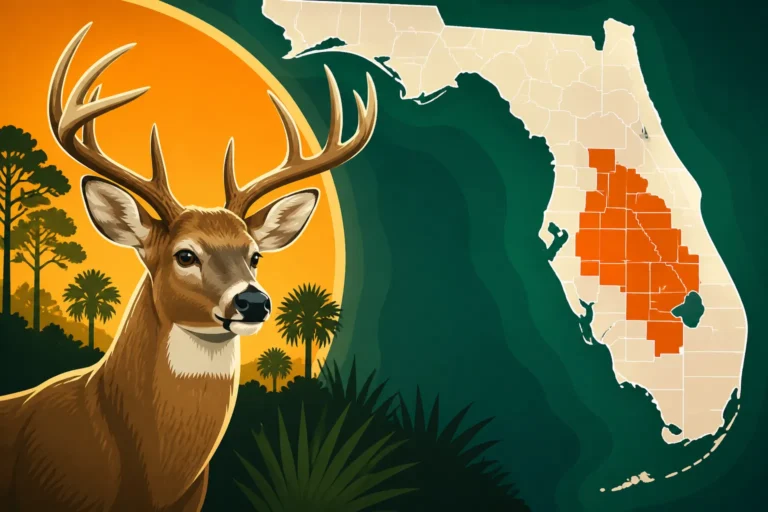
Florida is divided into four distinct Deer Management Zones: A, B, C, and D. These zones are not about antler size or points; rather, they exist to align hunting seasons with the differing deer breeding cycles (the rut) and ecological conditions that vary significantly from south to north, and east to west, across the state. This means that when archery season opens in Zone A in early summer, hunters in Zone D might still be several months away from their opener.
- Zone A: This zone often has the earliest seasons, adapting to the unique deer biology in that part of the state. You can find specific dates and details in our article on Florida Zone A Season Dates.
- Zone B: With its own specific timing, Zone B caters to another distinct deer population. Learn more by checking out Florida Zone B Season Dates.
- Zone C: Central Florida hunters will be most interested in Zone C, which has its own archery and gun season openers. Details can be found in our comprehensive guide to Florida Zone C Season Dates.
- Zone D: Typically the northernmost zone, Zone D often aligns with more traditional fall and winter hunting seasons, similar to states further north. To plan your hunt, consult Florida Zone D Season Dates.
The staggered seasons are a smart management strategy, allowing FWC to better manage deer populations and provide hunting opportunities that are more biologically sound for the deer in each region. It allows hunters to potentially pursue deer in multiple zones, provided they adhere to all regulations, including bag limits and licensing. The key takeaway here is that while the zones dictate when you can hunt, they do not generally dictate the type of buck you can harvest based on antler points.
Importance of Checking Regulations Annually and Using Resources
Regulations, while generally stable, can and do change from year to year. The FWC continually reviews harvest data, population surveys, and public input to make adjustments that best serve the deer resource and the hunting community. This means that relying on what you "knew" from last year or even a few seasons ago can be a recipe for trouble. Before every hunting season, take the time to review the most current Florida Hunting Regulations handbook, available on the FWC website. Many hunters also rely on digital tools, and this is where platforms like GoHunt really shine. They often provide up-to-date, interactive maps and regulation summaries, making it easier to navigate the complexities of public land rules.
Staying informed about general license requirements, such as Florida Hunting Licenses and What They Cost, is also crucial. Hunters often overlook the seemingly small details, but they can make a big difference between a legal, enjoyable hunt and an accidental violation. Beyond official FWC resources, engaging with local hunting clubs and forums can offer valuable insights into specific area nuances, but always cross-reference any information with official FWC documentation. Being a responsible hunter means being an informed hunter, and in Florida, that means embracing a system that prioritizes healthy herds and diverse opportunities over rigid, statewide antler point requirements.
Florida Deer Antler Regulation Overview
For clarity, here's a quick summary of Florida's approach to deer antler regulations:
| Regulation Aspect | Statewide Status in Florida | Impact for Hunters |
|---|---|---|
| Antler Point Restriction (APR) | NONE | Do not need to count antler points on a buck to determine legality. |
| Legal Buck Definition | One antler 5 inches or longer (measured from pedicle to tip). | Primary method for determining if a buck can be legally harvested. |
| Daily Bag Limit (Bucks) | Two antlered deer. | Limits the number of bucks you can harvest in a single day. |
| Seasonal Bag Limit (Bucks) | Five antlered deer. | Limits the total number of bucks you can harvest during the entire season. |
| WMA-Specific Regulations | May include additional antler requirements (e.g., minimum spread, specific point counts). | ALWAYS check the specific rules for any WMA you plan to hunt, as they override statewide general rules. |
Disclaimer
Please be aware that hunting regulations can change. While this guide is designed to provide accurate and up-to-date information, it is your responsibility to consult the latest official Florida Fish and Wildlife Conservation Commission (FWC) regulations before participating in any hunting activity. Always confirm season dates, bag limits, and specific area rules directly with the FWC.