Average Cost of a High-Fence Deer Hunt
Many hunters dream of a trophy buck, but the thought of a 'high-fence' hunt often brings up more questions than answers, especially when it comes to the price tag. It’s easy to feel overwhelmed by the sheer range of costs and wonder what you're truly getting for your hard-earned money. This guide aims to pull back the curtain on the average costs associated with high-fence deer hunts in Florida, helping you understand the variables that influence pricing and what to expect when planning your adventure.
Understanding High-Fence Deer Hunting
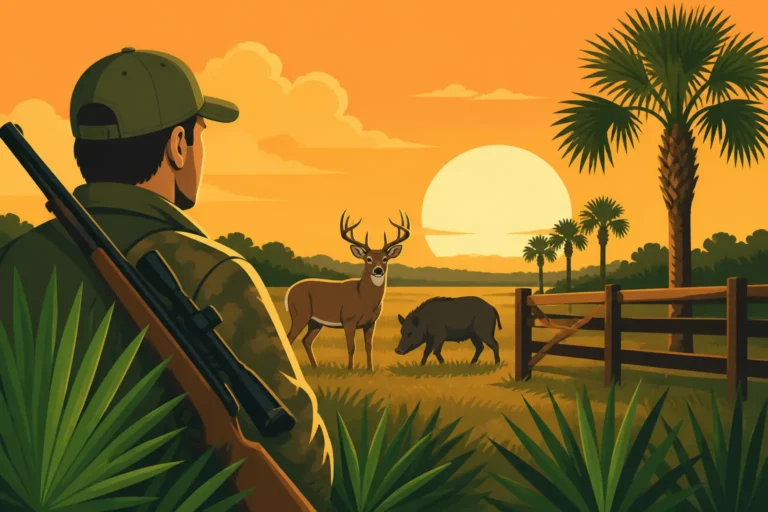
First, let’s clear up what we mean by a "high-fence" deer hunt, especially in a state like Florida where wild, free-range hunting is so prevalent. A high-fence operation, often referred to as a preserve or ranch, is a private property enclosed by a fence designed to keep deer and other game animals contained within its boundaries. This is distinct from hunting on public lands or even large private tracts where deer can roam freely. The primary draw for many hunters is the increased likelihood of encountering and harvesting a mature, high-scoring buck, often with genetics carefully managed for antler growth.
These operations invest heavily in their deer herds. This isn’t just about putting up a fence; it's about extensive habitat management, supplemental feeding programs, selective breeding, and rigorous herd health protocols. The goal is to produce exceptional animals, something that takes considerable time, land, and financial commitment. For hunters, this translates to a different kind of experience than a traditional fair-chase hunt. It often means a higher success rate and the opportunity to pursue bucks that might be extremely rare or almost impossible to find on open public or private land. Think of it less as a "guaranteed kill" and more as a "highly controlled, high-opportunity hunt." You're paying for the access to a quality animal and a meticulously managed environment.
Factors That Influence the Cost of a High-Fence Deer Hunt
The cost of a high-fence deer hunt in Florida isn't a single, flat fee. Instead, it's a spectrum, heavily influenced by several key factors. Understanding these variables is crucial for setting your budget and managing your expectations. It’s not just about the deer itself; it’s about the entire experience offered by the outfitter.
Trophy Quality and Scoring Potential
Without a doubt, the most significant factor impacting the price of a high-fence deer hunt is the size and score of the buck you're targeting. Outfitters often classify hunts by antler size, measured in Boone and Crockett (B&C) inches. You'll find options ranging from "management bucks" to "gold medal" or "record book" animals.
A hunt for a management buck, typically a younger buck or one with atypical antlers that the ranch wants to remove from the breeding pool, will be on the lower end of the cost scale. These hunts are often geared towards providing a quality venison animal and a fun experience without the pressure of a massive trophy. Conversely, chasing a buck in the upper echelons of B&C scores can command a premium price, sometimes reaching into the many thousands of dollars. These are the bucks that represent years of dedicated genetic and nutritional management, and the outfitter’s investment in producing such an animal is reflected in the tag fee. Some operations even have a "trophy fee" that kicks in after you harvest the animal, based on its final score, so make sure you understand that structure upfront.
Accommodations and Amenities
The level of luxury and services included in your hunting package plays a substantial role in the overall cost. Are you staying in a rustic bunkhouse with shared facilities, or a plush private cabin with all the comforts of home?
Many high-fence operations offer comprehensive packages that include lodging, meals, and often a dedicated guide. Basic packages might include a clean bed and simple, hearty meals. Mid-range options might upgrade to private rooms, home-cooked meals, and perhaps a lounge area. At the top end, you'll find lodges offering gourmet dining, private suites, hot tubs, satellite TV, and even amenities like a dedicated chef or a massage therapist (yes, really!). The more "all-inclusive" and luxurious the experience, the higher the price will climb. It's not just a place to sleep; it's an extension of the hunting vacation itself. When looking at potential hunts, check platforms like BookYourHunt, which often detail the lodging and amenities included in various packages, helping you compare.
Hunt Duration and Guide Services
The number of days you'll be hunting and the type of guide service provided also directly impact the cost. Most high-fence hunts are offered in multi-day packages, typically 2-5 days. A longer hunt allows for more opportunities and a more relaxed pace, but it also increases the cost for lodging, meals, and guide time.
Guide services can range from "semi-guided" to "1-on-1 fully guided." In a semi-guided scenario, the outfitter might drop you off at a stand or blind with instructions, and you hunt independently, calling them for retrieval. This is generally less expensive. A fully guided hunt means a dedicated guide is with you every step of the way, helping with scouting, tracking, shot placement advice, and game recovery. This personalized attention, especially a 1-on-1 guide, is a premium service and significantly increases the cost. For many, the expertise of a seasoned guide, particularly when chasing a large trophy, is well worth the added investment.
Seasonality and Location
While Florida generally enjoys milder weather than northern states, seasonality still plays a role in high-fence pricing. Prime hunting dates, such as those coinciding with the peak of the deer rut in a particular area, often command higher prices due to increased demand. Similarly, hunts booked during holiday weekends might also see a price bump.
The specific location within Florida can also be a factor. Some regions might have a higher concentration of quality operations or more desirable landscapes, which could influence pricing. While high-fence operations are managed environments, the natural beauty and accessibility of the ranch can still add value to the overall experience. Easy access from major airports or tourist destinations might make a ranch more appealing and thus allow for slightly higher pricing.
What's Typically Included and What's Not
Navigating the pricing of a high-fence hunt can be a bit like piecing together a puzzle, as packages vary wildly. It's crucial to thoroughly understand what you're getting for your money, and what hidden costs might pop up.
Common Inclusions in High-Fence Deer Hunt Packages
Most reputable Florida high-fence outfits will include a core set of services and amenities in their standard package price. This typically covers the basics needed for your hunt and stay. You can usually expect:
- Lodging: This might range from a shared bunkhouse to a private cabin, depending on the package tier you choose. Always confirm the specific type of accommodation.
- Meals: Often, meals are provided, from simple breakfasts to hearty dinners. Some may even include snacks and non-alcoholic beverages. Don't assume gourmet dining unless explicitly stated.
- Guiding Services: Whether it's a fully guided, 1-on-1 experience or a semi-guided affair where stands are set and you're dropped off, guide assistance for the duration of your hunt is almost always part of the deal.
- Game Recovery and Field Dressing: Once you've harvested your buck, the outfitter will handle the retrieval from the field and the initial field dressing. This is a huge convenience, especially in Florida's warm climate.
- Caping and Quartering: Many operations will also offer basic caping (preparing the hide for a shoulder mount) and quartering of the meat for transport. This saves you a significant amount of work immediately post-harvest.
- Access to Hunting Areas: This is the core of what you're paying for – exclusive access to prime hunting grounds within their high-fence property.
Common Exclusions and Potential Extra Costs
Just as important as knowing what's included is understanding what isn't. These often overlooked expenses can quickly inflate your total hunt cost if you're not prepared. Many hunters forget about these until they're presented with a bill at the end of their trip.
- Florida Hunting Licenses and Permits: While the hunt itself is booked with the outfitter, you are still responsible for purchasing the necessary Florida Hunting Licenses and What They Cost. Outfitters might help you navigate the process, but the cost of your resident or Florida Nonresident License Options and any required deer permits is almost always separate.
- Trophy Fees: As mentioned earlier, some outfits charge an additional fee based on the antler score of the buck you harvest. This can be a flat fee for a certain class of animal, or a per-inch charge above a baseline. Make sure you understand the exact structure to avoid sticker shock.
- Taxidermy and Meat Processing: While field dressing and caping might be included, professional taxidermy and full-service meat processing (cutting, wrapping, freezing) are almost always extra. Outfitters often have preferred local vendors, and these services can add hundreds, or even thousands, of dollars to your overall expense, especially for a large trophy. Consider asking about Processing Meat Near a Florida Hunting Camp or Finding a Taxidermist Near Your Hunt.
- Gratuities for Guides and Staff: Tipping your guide and other lodge staff is customary and expected. This is a significant additional cost to factor in, typically a percentage of your total hunt cost or a set daily amount. It's important to budget for Tipping a Florida Hunting Guide as part of your overall expense.
- Travel Expenses: Airfare, fuel for driving, car rentals, and any pre- or post-hunt overnight stays outside the lodge are entirely your responsibility. Don't forget the cost of getting yourself and your gear to Florida!
- Weapons and Ammunition: You'll need to bring your own hunting rifle, shotgun, or bow and appropriate ammunition. Some outfits might offer rentals, but that would be an additional charge.
- Personal Gear and Supplies: Think hunting clothes, boots, binoculars, rangefinders, and any personal snacks or drinks you prefer. These are all on you.
- Alcoholic Beverages: While some lodges might have a cash bar, alcoholic drinks are rarely included in the package price.
- Guest Fees: If you want to bring a non-hunting companion, there will almost certainly be an additional daily fee for their lodging and meals.
A simple table can help visualize the typical cost spectrum and inclusions:
| Hunt Type / Price Tier | Target Buck (B&C Score) | Typical Duration | Guiding | Accommodations | Avg. Cost Shape (Excluding Tags/Tips/Taxidermy) |
|---|---|---|---|---|---|
| Management Hunt | <130" | 2-3 Days | Semi-Guided | Basic Bunkhouse | Lower end (e.g., a few thousand) |
| Standard Trophy | 130" – 160" | 3-4 Days | 1-on-1 Guided | Comfortable Lodge | Mid-range (e.g., several thousand) |
| Premium Trophy | 160" – 180" | 3-5 Days | 1-on-1 Guided | Private Cabin/Suite | Upper range (e.g., many thousands) |
| Record Book | 180"+ (or specific genetics) | 4-5 Days | 1-on-1 Guided | Luxury Lodge | Top tier (e.g., five figures and up) |
Note: The actual costs can vary greatly based on the outfitter, inclusions, and demand. Always contact the outfitter directly for current pricing.
Ensuring Value and Avoiding Surprises
Investing in a high-fence deer hunt is a significant decision, and you want to ensure you're getting good value and a memorable experience. Do your homework!
Researching and Vetting Outfitters
The first and most important step is thorough research. Don't just pick the first outfitter you find with big bucks on their website. Look for established operations with a solid reputation. Read reviews, check testimonials, and if possible, ask for references from past clients. Platforms like GoHunt and BookYourHunt can be great starting points for finding outfits and seeing initial reviews, but always dig deeper. Ask specific questions about success rates, what happens if you don't harvest an animal, and their policies on wounded game. Make sure their hunting philosophies align with your own expectations. Vetting a Florida Hunting Outfitter is a critical step in this process.
Asking the Right Questions
When you contact an outfitter, be prepared with a list of detailed questions. Don't assume anything is included.
- What is the total cost for the specific buck size I'm interested in, including any trophy fees?
- What dates are available, and do prices change based on the season?
- What exactly is included in the package (lodging, meals, drinks, guiding)?
- Are there any additional fees for field dressing, caping, or quartering?
- What are the local options and costs for taxidermy and meat processing?
- What are the customary gratuity expectations for guides and staff?
- What is their policy if an animal is wounded but not recovered?
- What specific Florida Hunter Education Requirements apply, especially if you're a first-time hunter or bringing a youth?
- Are there options for combining species, like a deer and Year-Round Hog Hunting in Florida package?
Transparency from the outfitter is key. A good outfitter will be happy to answer all your questions thoroughly and provide a clear breakdown of all potential costs.
Budgeting Beyond the Package Price
Remember that the package price is just one component of your total investment. Create a comprehensive budget that includes:
- Hunt Package Cost: The base fee from the outfitter.
- Trophy Fees: Any additional costs for the size of the animal.
- Licenses and Permits: Don't forget your Florida Hunting Licenses and What They Cost – these are a mandatory and separate expense.
- Travel Expenses: Fuel, flights, hotels, rental cars.
- Meat Processing: Butcher fees, coolers for transport.
- Taxidermy: If you plan on mounting your trophy.
- Gratuities: Factor in 15-20% of the hunt cost for your guide and staff.
- Ammunition & Gear: Replacements or new purchases.
- Miscellaneous: Souvenirs, extra snacks, alcoholic beverages, unforeseen needs.
By planning for all these aspects, you can avoid any unpleasant financial surprises and fully enjoy your high-fence deer hunting experience in Florida. It's an investment, not just in a harvest, but in a unique and often highly rewarding hunting adventure.
Disclaimer
This article is for general informational purposes only and does not constitute professional advice. Laws, prices and regulations vary by location and change over time. Consult a qualified professional for guidance on your specific situation.