Finding Ground That Sees Fewer Hunters
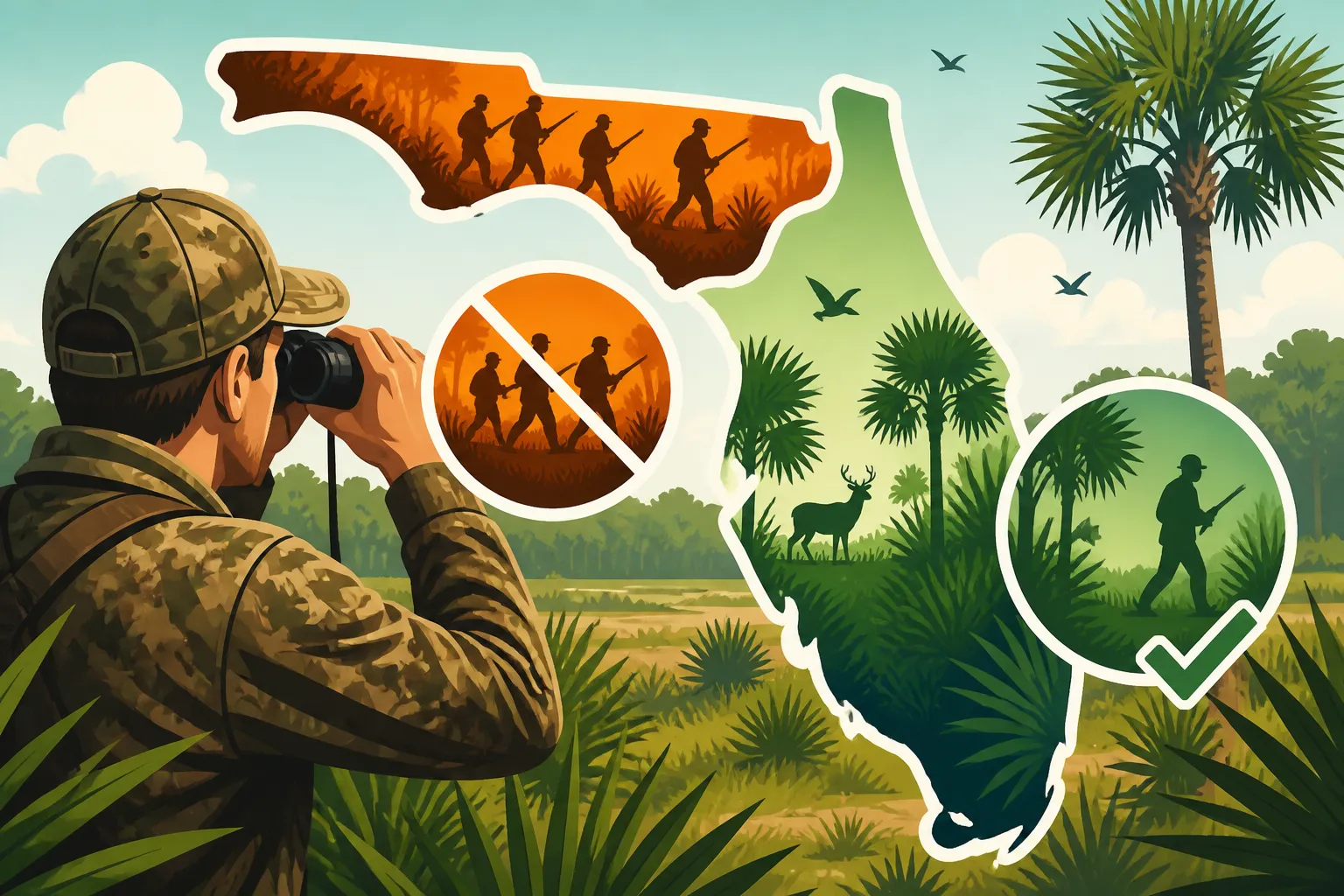
There's nothing quite as deflating as arriving at your favorite Florida hunting spot before dawn, full of hope, only to see three other trucks already parked at the trailhead. We've all been there – the feeling that every prime piece of public ground is overrun, making it feel impossible to find an unpressured deer or an unspooked gobbler. This guide is here to help you move past that frustration, diving deep into actionable strategies for finding those coveted, less-pressured hunting grounds that most hunters simply walk right past.
Understanding the Challenge of Crowded Hunting Grounds in Florida
Florida offers an incredible array of hunting opportunities, from sprawling national forests to diverse Wildlife Management Areas (WMAs). But let's be real, with a growing population and a vibrant outdoor community, some of the more accessible and well-known spots can feel downright packed during hunting season. This isn't just about feeling lonely; it fundamentally changes game behavior, making for tougher hunting.
The Allure and Drawbacks of Popular Public Lands
It's easy to see why certain public lands become magnets for hunters. They might be close to major cities, have well-maintained roads, or be known for historical success. Think about some of the larger WMAs that get a lot of promotion – they're on everyone's radar, and for good reason, often offering diverse habitat and good game populations. However, this popularity comes at a cost. Easy access often means higher hunter density, especially on opening day or during peak weekends. While these areas are still huntable, the sheer volume of boots on the ground can make resident game animals incredibly wary, pushing them into thicker cover or nocturnal patterns. You might be seeing plenty of tracks, but actually encountering a deer or turkey during legal shooting hours becomes a much greater challenge.
How Hunter Pressure Impacts Game Behavior
Deer and turkeys, like most wild animals, are masters of adaptation. When they consistently encounter human activity, they learn to avoid it. This isn't just a slight change; it's a fundamental shift in their daily routines. They might start moving mostly at night, bed down in the thickest, nastiest palmetto heads you can imagine, or become incredibly sensitive to scent and sound. On heavily pressured land, a buck that would ordinarily cruise a field edge at dusk might only step out briefly in the deepest hours of the night, long after legal shooting light has faded. Turkeys become experts at roosting far from roads and slipping away silently the moment they detect a human presence. Understanding this behavioral shift is the first step in counteracting it. If you want to find deer that haven't seen a hunter every other day, you need to think like those deer and go where they feel safe. This often means finding ground that literally sees fewer hunters.
Proven Strategies for Discovering Secluded Public Land Pockets
Finding those untouched pockets of hunting paradise isn't about secret spots so much as it is about smart strategy and a willingness to work a little harder than the next guy. It involves both physical effort and a strategic mindset.
Deep Woods Exploration Beyond the Beaten Path
This is perhaps the most fundamental and effective strategy: walk further than everyone else. Most hunters, especially on public land, stick to trails, roads, and areas within a half-mile or so of parking. The further you venture off the beaten path, the less likely you are to encounter other hunters, and consequently, the more likely you are to find unpressured game. This often means embracing difficult terrain, whether it's wading through a cypress slough, pushing through dense palmetto scrub, or navigating seemingly impenetrable stands of young pine.
Consider areas where access is genuinely tough – maybe a creek needs to be crossed, or a section of timber was recently cut, creating a maze of briars and downed trees. These are the places that deter casual hunters but often hold resident game. For deer, look for areas with thick bedding cover far from any human disturbance. For turkeys, think about remote oak hammocks or pine stands that are a serious hike from any road. This is where Finding Ground Others Walk Past truly comes into play. It’s about scouting during the off-season, looking at aerial maps, and identifying those frustratingly dense spots that other hunters will inevitably avoid.
Hunting Less-Traveled Access Points
Just as important as how far you walk is where you start walking from. Many public land areas have multiple access points, but typically, a few main entrances get all the traffic. Do your research and look for obscure, overgrown, or lesser-known access points. These might be old logging roads that haven't been maintained, utility easements, or even just a wide spot on a less-traveled county road that allows legal parking. Often, these spots require a bit more bushwhacking at the outset, but they can put you into unpressured territory much faster than fighting the crowds from a main parking lot.
Using mapping tools like onX Hunt becomes invaluable here. Zoom in on public land boundaries and look for any tiny dirt paths, old gates, or even just natural breaks in the terrain that could offer an access point. Cross-reference this with satellite imagery to gauge how much thick cover you'd have to navigate immediately from that point. Sometimes, a less-than-ideal walk for the first quarter-mile can lead to pristine hunting grounds for the remaining miles. Remember to always be aware of Florida Trespass and Permission Law and ensure you are parking and accessing public land legally.
Timing Your Hunts to Avoid Peak Pressure
While some pressure is unavoidable, you can drastically reduce your encounters with other hunters by strategically timing your outings.
- Mid-week Hunts: If your schedule allows, hunting on a Tuesday or Wednesday instead of a Saturday or Sunday can feel like hunting an entirely different piece of property. The difference in vehicle count at trailheads can be astounding.
- Weather Extremes: Most hunters prefer comfortable weather. Embrace the uncomfortable! If a cold front brings a biting north wind and a dip in temperature, or if a warm, humid morning discourages others, these can be prime opportunities to have the woods to yourself. Just be prepared for the conditions.
- Afternoon/Evening Hunts: While many hunters focus on early mornings, a strategic afternoon hunt, especially deep in the woods, can yield great results. Often, other hunters are leaving the woods as you're settling in, and game animals begin to stir after a day of dodging pressure.
- Late Season: As the season progresses, many hunters tag out or lose enthusiasm. The later weeks of gun season can see a significant drop in pressure, and if you're still carrying a tag, the woods can feel much more open. Remember to understand Why Florida's Deer Seasons Vary So Much by Zone as this will influence late season opportunities.
Leveraging Technology and Resources for Untapped Opportunities
In today's hunting world, smart planning with digital tools is just as important as boots on the ground. These tools can save you countless hours and point you towards areas you might never find otherwise.
Advanced Mapping Tools for E-Scouting
This is where the power of modern technology really shines. Forget crumpled paper maps; digital mapping apps are your best friend for finding those hidden gems. Brands like onX Hunt offer incredible detail, allowing you to:
- Identify Public/Private Boundaries: Instantly know where public land ends and private land begins, preventing accidental trespassing. This is crucial for navigating checkerboard properties or areas with mixed ownership.
- Analyze Topography and Terrain: Even in relatively flat Florida, subtle changes in elevation, creek bottoms, or drainage features can create funnels or travel corridors that attract deer and turkeys. onX Hunt's satellite imagery and topographic layers help you spot these nuances from your couch.
- Locate Water Sources and Food Plots: Identify swamps, ponds, green fields, or oak hammocks from afar. Combining this with knowledge of game behavior can lead you to prime feeding or watering areas that are difficult to access.
- Mark Potential Access Points: As mentioned earlier, zoom in and look for old logging roads, power lines, pipelines, or even faint game trails that might offer a less obvious way into an area. You can drop pins and plan your entry and exit routes meticulously.
Before you even step foot in the woods, you can spend hours e-scouting, virtually walking the terrain, and narrowing down your focus to areas that look promising and, more importantly, hard to get to. This kind of preparation significantly increases your chances of Scouting Florida Public Land Before Season effectively and finding those low-pressure honey holes.
Diving into FWC Resources and Local Intel
While mapping apps are fantastic, don't overlook the wealth of information available through the Florida Fish and Wildlife Conservation Commission (FWC) and local sources.
- FWC Public Hunting Map: The FWC website and their mobile app provide an interactive map of all WMAs, state forests, and other public hunting opportunities. While not as detailed for micro-terrain features as onX Hunt, it's invaluable for initial identification of areas and understanding regulations. It will also show you specific WMA boundaries and regulations, which can vary wildly.
- WMA Regulations and Quota Hunts: Many WMAs have specific rules, and some operate under a quota system, meaning you need to apply and be drawn for a permit. While quota hunts can be competitive, they also often translate to less pressure within the permitted period, as hunter numbers are strictly controlled. This is a trade-off worth considering, and applications can often be tracked or researched via platforms like GoHunt if you're looking for advanced analytics on draw odds or unit breakdowns. Understanding The Florida WMA Management Area Permit and application process is key here.
- Local Knowledge: Talk to people! Visit small-town diners near public lands, strike up conversations with tackle shop owners, or engage with local sporting goods store employees. While they won't hand you their secret spot, they might offer insights into areas that get less attention, perhaps due to a long walk, a difficult creek crossing, or historical reasons. They might also tell you about local mast crop conditions or recent timber activity that could influence game movement.
| Strategy | Effort Level | Gear Needed | Potential for Seclusion | Notes |
|---|---|---|---|---|
| Deep Woods Walk-Ins | High | Pack, water, compass/GPS, sturdy boots | Very High | Requires physical fitness; often best mid-week |
| Obscure Access Points | Medium-High | onX Hunt, good boots, awareness of boundaries | High | Less initial competition, but still a walk |
| Weather-Based Timing | Medium | Proper clothing for conditions | Medium-High | Embrace the uncomfortable; less competition |
| Mid-Week/Late Season | Low-Medium | Standard hunting gear | Medium | Schedule dependent, but very effective |
| E-Scouting with Apps | Low (pre-hunt) | Smartphone/tablet, onX Hunt | High (for planning) | Identifies promising areas; reduces scouting time |
| FWC/Local Intel Research | Low | Internet, phone, local visits | Medium | Essential for regulations and big-picture planning |
Alternative Approaches to Finding Low-Pressure Hunting Areas
Sometimes, the best way to find less-pressured ground is to look beyond the traditional public land model altogether.
Seeking Permission on Private Land
This is arguably the ultimate way to find unpressured game, but it requires a different kind of effort: building relationships and asking politely. Florida has vast tracts of private timberland, ranchland, and agricultural properties. While many are leased by clubs, there are still opportunities for individual hunters, especially if you're respectful, responsible, and offer a service.
- Targeting Small, Overlooked Parcels: Don't just look for massive ranches. Focus your efforts on smaller, odd-shaped parcels of woods or brush next to agricultural fields, or even undeveloped lots on the outskirts of rural towns. These smaller pieces often don't appeal to large hunting clubs but can hold surprising numbers of game, especially if they border public land or offer good cover.
- The "Knock-on-Doors" Method: This old-school approach still works. Dress presentably, be polite, clearly state your intentions, and offer to share game, help with chores, or assist with nuisance animal control (like hogs). Landowners are often more receptive to hunters who offer a benefit, especially if wild hogs are an issue on their property. Being willing to target feral hogs can be a huge selling point, as Year-Round Hog Hunting in Florida is a common practice for landowners seeking control.
- Focus on Off-Season Opportunities: Asking for permission to hunt deer in the peak of gun season might be a tough sell. But asking to hunt small game, coyotes, or hogs during the off-season or outside of deer season can open doors. Once a landowner trusts you, future deer or turkey opportunities might arise. Remember, Do You Need Written Permission in Florida? is a good question to clarify with any landowner, and it's always best to get it in writing.
Exploring Lesser-Known State Forests and Environmental Areas
Beyond the major national forests and popular WMAs, Florida boasts numerous smaller state forests and environmental areas. While some of these might still have significant pressure, many fly under the radar simply because they're not as large or well-advertised.
- Review FWC's Comprehensive List: Dig into the FWC website's full list of public hunting areas. Don't just look at the ones highlighted or listed first. Seek out the smaller, less-talked-about state forests or environmental lands. They often have less developed infrastructure, meaning fewer roads and parking areas, which naturally deters some hunters.
- Focus on Specific Management Plans: Some state forests are managed with specific timber goals or conservation efforts that might indirectly create good hunting conditions or limit access in certain ways, thereby reducing pressure. Read up on their individual management plans.
- Understand Local Area Closures: Sometimes, parts of these areas might be temporarily closed for timber operations, prescribed burns, or other management activities. While inconvenient at the time, these closures can mean a period of reduced pressure, and when they reopen, the game might be less wary. This is an important detail to keep an eye on when Using the FWC App Without Cell Service as maps can be downloaded ahead of time.
- Consider Multi-Use Lands: Some state forests allow various recreational activities, which might make them seem more crowded. However, hunters who are willing to hike deep into these areas, away from horse trails or hiking paths, can still find excellent seclusion.
By combining diligent e-scouting with boots-on-the-ground effort, creative access strategies, and a willingness to explore, you can absolutely find unpressured ground in Florida. It might require a bit more work, but the reward of a successful hunt in truly wild, quiet woods is absolutely worth it.
Disclaimer
This article is for general informational purposes only and does not constitute professional advice. Laws, prices and regulations vary by location and change over time. Consult a qualified professional for guidance on your specific situation.