Nassau County Public Land for Deer
Finding solid deer hunting opportunities on public land in Florida can feel like searching for a needle in a haystack, especially in areas like Nassau County where development and private timberlands dominate the landscape. It's a real challenge to pinpoint those accessible spots and understand how to effectively hunt them. This guide is here to unravel those complexities, helping you locate, scout, and successfully hunt public land deer within or very close to Nassau County, giving you the confidence to chase that whitetail this season.
Understanding Public Land Opportunities in Nassau County
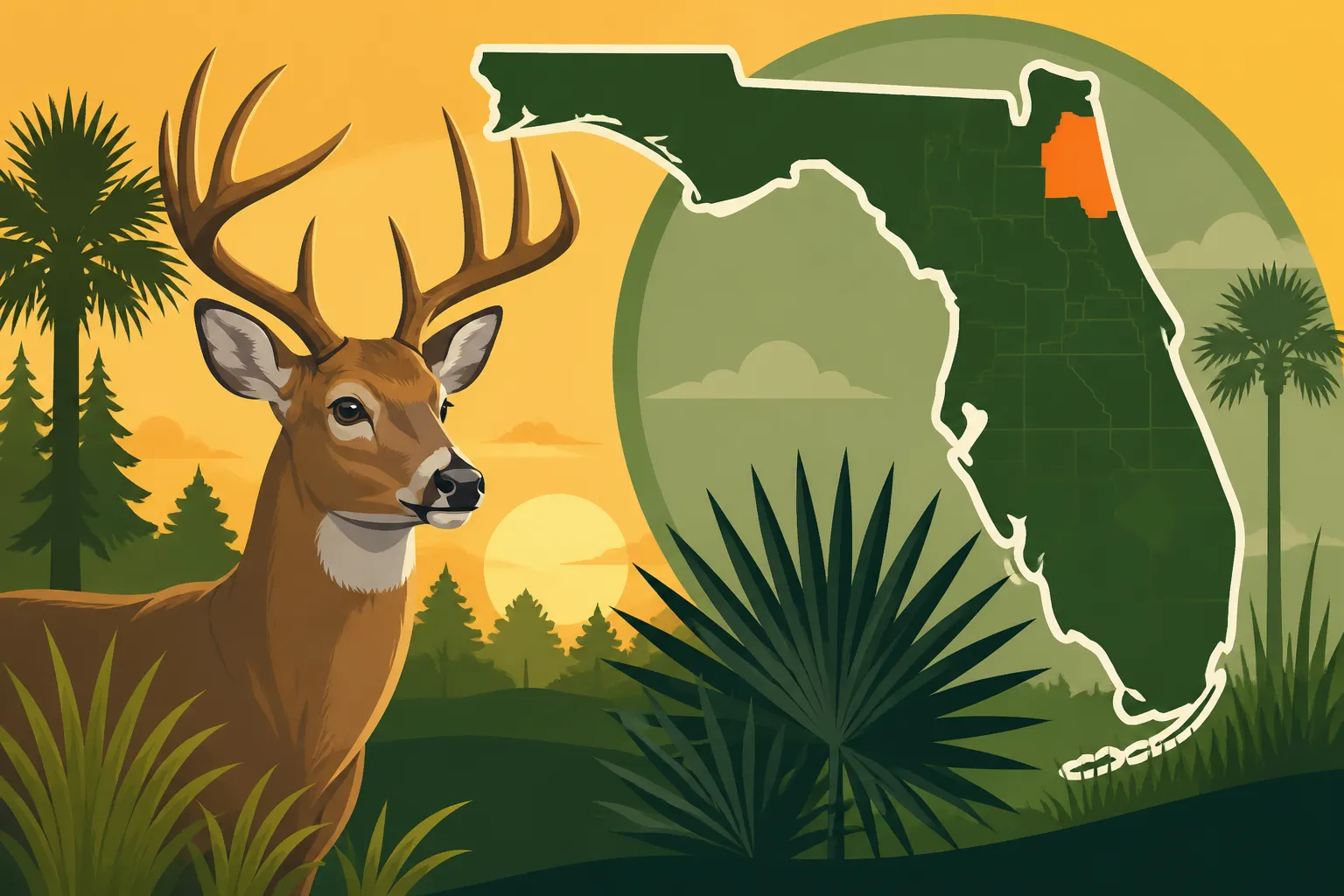
Nassau County, tucked away in the very northeast corner of Florida, often presents a unique set of challenges for public land deer hunters. While it might not boast the vast wilderness areas some other regions of the state do, there are still legitimate opportunities if you know where to look and how to prepare. It's easy to get discouraged seeing endless "No Trespassing" signs or timber company gates, but with a little research and dedication, you can absolutely find success.
Where to Find Public Hunting Ground for Deer
The key to unlocking deer hunting in Nassau County lies in identifying the state-managed lands that permit hunting. Often, these aren't massive tracts like the national forests out west, but rather specific Wildlife Management Areas (WMAs) or State Forests that require diligent research. The Florida Fish and Wildlife Conservation Commission (FWC) manages these areas, each with its own specific rules, season dates, and sometimes, quota permit requirements. You won't just wander in; you'll need to know the specific regulations for the area you plan to hunt.
A prime example is the Ralph E. Simmons Memorial State Forest, which often provides some public hunting opportunities right within Nassau County. Further afield, but still within a reasonable drive, you might consider areas like Camp Blanding WMA or parts of the Okefenokee/Osceola National Forest system if you're willing to travel slightly. Don't just assume hunting is open everywhere; always check the specific WMA or State Forest regulations. These regulations can vary wildly, dictating everything from legal weapons to daily access hours. Utilizing digital mapping tools, like onX Hunt, can be incredibly helpful for identifying these parcels and understanding their boundaries. Which Zone Covers Your Florida County can give you a head start on understanding the broader regulations, but WMA-specific rules always take precedence.
Types of Terrain and Habitat for Deer
Nassau County's landscape is a classic example of Northeast Florida habitat, heavily influenced by its proximity to the coast and major rivers. You're going to encounter a mix of pine flatwoods, often actively managed for timber, interspersed with cypress swamps, hardwood hammocks along creeks and rivers, and vast areas of palmetto and dense scrub. This isn't the rolling hills and big hardwoods of some other states; it's generally flat and can be incredibly thick.
Deer thrive in this patchwork. They use the dense palmetto and young pine plantations for bedding and security cover, especially when hunting pressure is high. The hardwood hammocks and river bottoms, particularly those with oaks, become crucial food sources during acorn drop. Cypress swamps and creek edges provide water, escape routes, and often overlooked travel corridors. Understanding these habitat types is paramount. A buck might bed deep in an impenetrable palmetto head during the day, then slip out to browse on succulent green shoots in a recently thinned pine stand or feed on acorns in a mature oak hammock at dusk. Identifying these different components and how deer transition between them is the first step to successful hunting.
Navigating Regulations and Quota Hunts
Florida's public land hunting system, especially on WMAs, often involves quota hunts. This means that access to certain popular areas or specific hunt dates is limited to a set number of hunters who successfully apply for and draw a permit. It's a system designed to manage hunting pressure and provide a quality experience, but it can certainly be a source of frustration for hunters trying to secure a spot.
If an area near Nassau County is a quota hunt, you'll need to go through the FWC's application process. This typically involves applying online during a specific window, and then waiting for the draw results. If you don't draw a quota permit, all is not lost! Many WMAs also offer "walk-in" opportunities or special-opportunity hunts that don't require a quota. Always check the specific regulations for the WMA you're interested in, as they will clearly outline whether a quota permit is needed, what the application periods are, and if any general gun, archery, or muzzleloader seasons are open to all with a valid hunting license and WMA permit. Don't forget, too, that even on non-quota days, you’ll typically need The Florida WMA Management Area Permit in addition to your regular hunting license.
| Public Hunting Area (Nassau Co. vicinity) | Primary Habitat | Deer Potential | Key Considerations |
|---|---|---|---|
| Ralph E. Simmons Memorial State Forest | Pine Flatwoods, Swamps, Hardwood Hammocks | Moderate to Good | Check FWC rules; limited access points, can be thick. |
| Camp Blanding WMA | Pine Flatwoods, Oak Hammocks, Lakeshores | Good | Quota hunts common; specific range days, military operations may limit access. |
| Osceola National Forest | Pine Flatwoods, Wiregrass, Cypress Swamps | Good | General gun opportunities; requires WMA permit; farther travel from Nassau. |
Scouting Strategies for Nassau County Deer
Success on public land, especially in a county like Nassau, hinges heavily on effective scouting. You can't just show up on opening morning and expect to find deer consistently. The deer are there, but they're often tucked away in unexpected places, especially with hunting pressure increasing. Putting in the time before the season even starts will pay dividends.
Pre-Season Digital Scouting with Mapping Tools
Before you ever set foot in the woods, the best place to start is from your couch with a good mapping application. Tools like onX Hunt are invaluable for Florida public land hunters. You can zoom in on satellite imagery to identify different habitat types: dark green patches often indicate dense hardwoods or cypress swamps, lighter green areas could be pine plantations, and open spaces might be clear-cuts or fields. Look for natural funnels, such as narrow strips of woods between swamps or roads. Identify potential bedding areas—those thick, nasty spots you might not want to walk through, but a big buck will love.
Pay close attention to property lines, especially if you're hunting near private timberland. Deer often utilize these boundaries as travel corridors, feeling secure along the edge of human activity or a sudden change in habitat. Reading Aerial Photos for Florida Deer can teach you how to spot these key features. Pin potential stand locations, observe historical deer sign from previous years if available, and use the terrain features to predict where deer might move with different wind directions. This digital legwork saves you countless hours of aimless wandering in the woods.
Boots-on-the-Ground Reconnaissance
Once you've done your digital homework, it's time to get your boots dirty. Early season scouting, even in the heat of a Florida summer, is crucial. You're looking for fresh deer sign:
- Rubs: Where bucks have rubbed their antlers on saplings and small trees. Larger rubs indicate bigger bucks. Look for clusters of rubs indicating a travel path or a territory marker.
- Scrapes: Areas where bucks have pawed the ground, often under an overhanging limb (a "licking branch"), and urinated. These are communication hubs.
- Tracks: Look for distinct deer tracks, especially larger ones, indicating a mature animal. Pay attention to track size and direction of travel.
- Trails: Deer are creatures of habit. They'll use the path of least resistance. Look for well-worn trails, especially leading to and from bedding areas, water sources, and feeding grounds.
- Droppings: Fresh droppings indicate recent deer activity.
Focus your ground scouting on those areas you identified as promising from your maps: creek bottoms, the edges of thick palmetto heads, oak hammocks, and transition zones between different cover types. Don't be afraid to push into the thick stuff; often, that's where the deer are hiding, especially on pressured public land. Pay attention to Scouting Florida Public Land Before Season to maximize your efforts and learn what to look for at different times of the year.
Understanding Deer Movement Patterns
Deer in Nassau County, like everywhere else, are driven by food, water, and security. However, local factors significantly influence their daily and seasonal patterns. The rut timing, availability of acorns, and especially hunting pressure will dictate how and when deer move. Early in the season, before heavy pressure, deer might move more freely during daylight hours, especially in cooler mornings and evenings. As pressure mounts, they become increasingly nocturnal or stick to the thickest cover during the day.
Understanding Wind and Thermals in Flat Florida Terrain is critical here. Even in flat country, slight elevation changes or dense canopy can create subtle thermal drafts that deer use to their advantage. A light breeze will be their primary sense for detecting danger. Always hunt with the wind in your favor, especially when approaching a known bedding or feeding area. Recognizing how deer move through different habitat types—slipping along a creek bed, cutting across a narrow pine stand, or following a fencerow—will help you place your stand or plan your stalk effectively. Deer often follow the path of least resistance through dense cover, so look for breaks in the palmetto or subtle openings in the woods.
Effective Deer Hunting Tactics for Nassau County Public Land
Once you've done your homework and found promising areas, it's time to think about how you'll actually hunt them. Nassau County's terrain and the nature of public land hunting demand adaptable and well-thought-out tactics.
Stand Placement and Concealment
Choosing the right stand location and ensuring proper concealment is paramount, particularly in Florida's often-dense woods.
- Tree Stands: These are excellent for getting above a deer's line of sight and expanding your field of view, especially in pine stands or along the edges of hammocks. Look for large, sturdy trees along travel corridors, near food sources, or overlooking pinch points. Always prioritize safety, using a full-body harness. Remember to review Treestand Rules on Florida Public Land as some WMAs have specific regulations on how long stands can be left up or what types are allowed.
- Ground Blinds: In areas where suitable trees are scarce or in extremely thick cover, a ground blind can be incredibly effective. They offer maximum concealment and allow for movement without being detected. They're also great for youth hunters or those with mobility issues. Ensure your blind is brushed in naturally to break up its outline. For tips on setting up, check out Using a Ground Blind on Florida Public Land.
No matter your choice, scent control is non-negotiable. Florida deer have notoriously keen noses, and hunting in hot, humid weather only exacerbates the issue. Play the wind, use scent-eliminating sprays, and keep your hunting clothes clean and stored properly.
Still-Hunting and Stalking in Thick Cover
Sometimes, sitting and waiting isn't the most productive tactic, especially if deer patterns are unpredictable or if you're trying to cover more ground. Still-hunting and stalking can be highly effective in Nassau County's thick palmetto flatwoods and pine plantations. This involves moving incredibly slowly, stopping frequently (think 5 minutes of looking for every 5 feet of walking), and scanning every shadow and brush pile for an antler tip, a horizontal line, or the twitch of an ear.
When still-hunting, always walk into the wind or with a slight crosswind. Focus on areas where visibility is slightly better, like fire lanes, logging roads, or the edges of different habitat types. Pay attention to sounds: a squirrel barking at a deer, a sudden rustle in the leaves that isn't the wind. This is a tactic that rewards patience and observation. If you spot a deer, freeze, assess the situation, and then plan your stalk, using available cover to close the distance for a shot. Still-Hunting Florida Palmetto Flatwoods offers more detailed advice on this challenging but rewarding method.
Choosing the Right Weapon and Ammunition
Florida allows various legal weapons for deer hunting, and your choice will depend on the season, the specific WMA rules, and your personal preference.
- Firearms: Rifles, shotguns, and muzzleloaders are all popular choices during their respective seasons. For dense cover, a lever-action rifle in a brush-busting caliber or a shotgun with slugs can be very effective at closer ranges. Always be mindful of your backdrop.
- Archery Equipment: Bows and crossbows are legal during archery season, which often provides less pressured hunting opportunities. Crossbow Hunting During Florida's Archery Season can offer specific insights. For close-range encounters in thick woods, archery equipment offers a quiet and challenging hunt.
- Muzzleloaders: These offer a unique hunting experience during dedicated muzzleloader seasons. They're powerful and effective, but require more careful preparation and reload time.
Regardless of your weapon, practice extensively before the season. Know your effective range, especially considering the often-limited visibility in Nassau County's dense habitat. Choose reliable ammunition that performs well on deer, ensuring a clean, ethical harvest.
Important Considerations for Public Land Hunters
Hunting public land in Nassau County comes with its own set of realities and challenges. Being prepared for these will make your experience much more enjoyable and successful.
Dealing with Hunting Pressure
Let's be realistic: public land often means hunting pressure, especially on opening day or weekends. It's a frustration many of us face. While it can be tempting to simply follow the crowds, the most successful public land hunters learn to adapt and find their own niches.
- Walk Further: Most hunters stick close to roads and easy access points. If you're willing to walk a mile or two (or more!) into the backcountry, you'll often find less pressured deer and a more secluded hunting experience.
- Hunt Midweek: If your schedule allows, hunting on a Tuesday or Wednesday can significantly reduce the number of other hunters you encounter.
- Hunt the "Nasty" Spots: Deer, especially mature bucks, will gravitate towards the thickest, nastiest, most uncomfortable cover when pressured. If a spot looks too difficult to penetrate, it's probably where the deer are.
- Go Against the Grain: If everyone is heading into the west side of a block, try the east. If deer are being pushed from one direction, they'll likely move into the wind or towards heavy cover in another.
Understanding how other hunters behave can actually inform your strategy and help you find overlooked pockets of deer. Remember that Hunting Pressure on Florida Public Land is a reality, but it doesn't have to define your success.
Safety and Preparedness
Safety is paramount on any hunting trip, but especially on public land where you might encounter other hunters or unexpected conditions.
- Blaze Orange: Florida has specific blaze orange requirements, particularly during general gun seasons. Always wear the required amount, making yourself visible to other hunters.
- Tell Someone Your Plans: Always let a friend or family member know exactly where you're going, your planned route, and when you expect to return. In case of an emergency, they'll know where to start looking.
- First-Aid Kit: Carry a compact first-aid kit with essentials for minor cuts, scrapes, and snake bites. Florida's woods are home to various wildlife, and preparedness is key.
- Navigation: While mapping apps are fantastic, always carry a compass and know how to use it, especially in dense woods where GPS signals can sometimes be spotty. Mark your truck, your stand, and important waypoints. Using GoHunt or onX Hunt to drop pins along your route can be a lifesaver for navigating out in the dark.
- Water: Florida's heat and humidity can be deceptive. Always carry more water than you think you'll need.
Post-Harvest Requirements and Care
After a successful harvest, there are still important steps to take to ensure compliance and proper meat care.
- Deer Reporting: Florida requires hunters to report harvested deer within 24 hours. This can typically be done online via the FWC website or through their mobile app. It's quick, easy, and crucial for wildlife management. Florida Deer Reporting Requirements explains the process in detail.
- Field Dressing: In Florida's warm climate, speed is of the essence when it comes to field dressing your deer. Get the internal organs out as quickly as possible to allow the carcass to cool. Field Dressing a Deer in Hot Weather provides specific techniques for this challenging environment. Having a plan for extraction, especially if you're deep in the woods, is also critical. Whether it's a game cart, a drag sled, or calling a buddy for help, think through how you'll get your deer out before you pull the trigger.
Successfully hunting public land in Nassau County, or anywhere in Florida, is a rewarding endeavor that tests your skills and patience. By understanding the local terrain, utilizing modern scouting tools, employing smart tactics, and always prioritizing safety, you can make this season one to remember.
Disclaimer
This article is for general informational purposes only and does not constitute professional advice. Laws, prices and regulations vary by location and change over time. Consult a qualified professional for guidance on your specific situation.