Pasco County Public Hunting Access
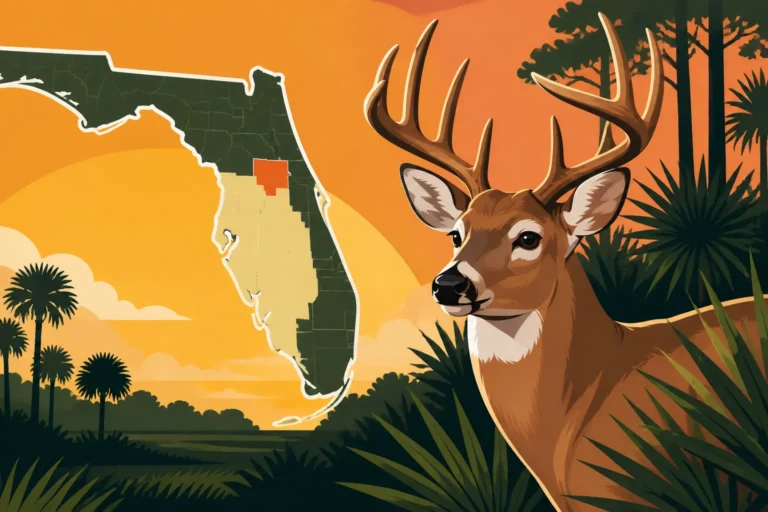
Finding quality public hunting land in Florida can feel like searching for a needle in a haystack, especially when you're trying to pinpoint opportunities right in your own backyard, like in Pasco County. Many hunters get frustrated with overcrowded areas or simply not knowing where to start looking, wasting precious scouting time. This comprehensive guide is designed to cut through that confusion, giving you a clear roadmap to the public hunting access available within and around Pasco County, and helping you understand what to expect and how to prepare for a successful hunt.
Navigating Public Hunting Opportunities in Pasco County
Pasco County, nestled on Florida's central Gulf Coast just north of Tampa, might not be the first place that springs to mind for vast tracts of public hunting land. Often, when folks think of Florida hunting, images of the Panhandle or deep South Florida come to mind. However, Pasco offers some truly unique opportunities, primarily through its strategic location bordering several significant Wildlife Management Areas (WMAs). It's a place where suburban sprawl meets wild Florida, creating a patchwork that requires a bit of savvy to navigate. Understanding this landscape is the first step toward unlocking its potential.
The challenge, as many local hunters know, isn't just about finding a piece of public land, but finding quality public land that isn't overrun. Florida's population growth means more hunters, and public areas can feel the squeeze. This means that a lot of your success will hinge on diligent scouting, understanding specific WMA regulations, and being willing to walk a little farther than the next hunter. Don't be discouraged by initial appearances; the swamps, pine flatwoods, and palmetto scrub of Pasco and its neighboring counties hold a surprising amount of game for those willing to put in the effort.
For new hunters or those relocating to the area, the sheer volume of information from the Florida Fish and Wildlife Conservation Commission (FWC) can be overwhelming. It's like trying to drink from a firehose, figuring out which licenses you need, which zones apply, and what dates are open. But once you break it down, you'll see that FWC has done a fantastic job of providing access points and regulations. The key is knowing which resources to trust and how to apply them to your specific location, like Pasco.
Key Public Hunting Areas and Their Offerings
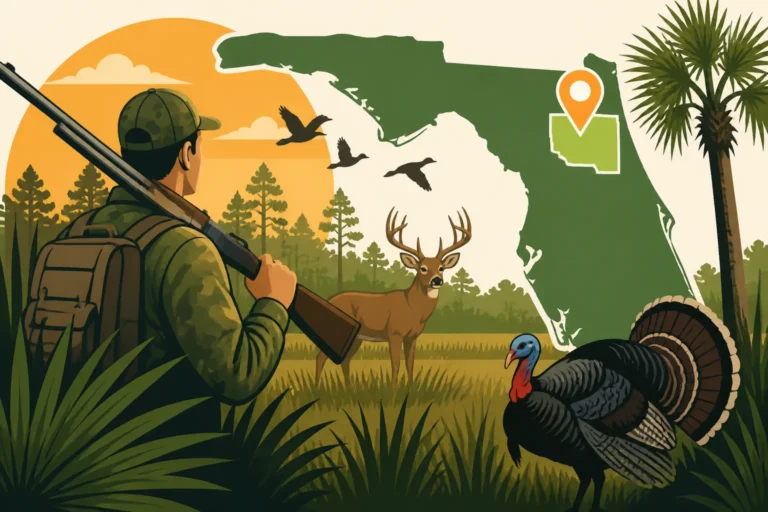
While Pasco County itself doesn't host massive, county-spanning national forests, it serves as a gateway to several crucial WMAs that offer diverse hunting experiences. These areas are managed by the FWC and provide opportunities for deer, hog, turkey, and various small game. It’s important to remember that these are not open-access lands like some national forests in other states; they are managed under specific WMA rules, often requiring special permits or quota applications.
Green Swamp Wildlife Management Area
The Green Swamp WMA is arguably the most significant public hunting area accessible to Pasco County residents. It's a vast wilderness encompassing parts of Pasco, Polk, and Sumter counties, and it's a true gem of Florida's natural heritage. This WMA is a mosaic of cypress swamps, pine flatwoods, oak hammocks, and expansive wetlands, providing ideal habitat for a robust array of game animals. For many years, the Green Swamp has been a draw for serious deer hunters, hog hunters, and turkey enthusiasts.
The hunting seasons in Green Swamp WMA are typically structured with archery, muzzleloader, and general gun periods. However, most deer and turkey hunting opportunities are managed through a quota hunt system. This means you’ll need to apply for a permit during specific application periods, and successful applicants are chosen through a lottery. While this can be a deterrent for some, it actually helps manage hunter pressure, often leading to a higher quality hunting experience for those who draw a tag. Hogs, on the other hand, are often available for harvest during other open seasons without a quota permit, making them a fantastic target for year-round action. For more on this, check out Year-Round Hog Hunting in Florida. The challenging terrain of the Green Swamp means you'll earn your game, often wading through water or navigating dense palmetto, but the reward can be significant.
Chassahowitzka Wildlife Management Area
To the northwest of Pasco County, extending into Hernando and Citrus counties, lies the Chassahowitzka WMA. This area offers a different flavor of hunting, characterized by coastal marsh, mixed pine-hardwood forests, and numerous spring-fed creeks. While it might be a bit of a drive for some Pasco residents, it's well worth the consideration for its unique opportunities. Chassahowitzka is known for its strong hog population, and deer and turkey are also present, albeit sometimes in different habitat types than the Green Swamp.
Similar to Green Swamp, Chassahowitzka WMA operates under a quota permit system for many of its desirable game species, particularly deer and turkey. However, there are often periods and sections where general public hunting is allowed for certain species, especially feral hogs, without a quota. Waterfowl hunting can also be a hidden gem in the marshy areas, attracting various duck species during migration. Understanding the specific unit boundaries within Chassahowitzka is critical, as regulations can vary from one section to another. Utilizing a mapping app like onX Hunt can be incredibly helpful here, as it clearly delineates WMA boundaries, public/private land, and even different hunting units. This allows you to plan your approach and ensures you stay within legal hunting areas.
Upper Hillsborough Wildlife Management Area
Situated to the east and south of Pasco County, the Upper Hillsborough WMA provides another excellent public hunting option that can be reached from Pasco. This WMA is largely defined by the Hillsborough River and its associated floodplain swamps, alongside drier pine flatwoods. It's a fantastic spot for hunters looking for a mix of habitats and generally provides good populations of deer and hogs.
Upper Hillsborough also typically employs a quota system for deer and sometimes for turkey, managing access and ensuring a sustainable harvest. Hog hunting is often more accessible, sometimes available during other game seasons or specific hog-only hunts. The dense river bottom habitat can make for challenging hunting, but it's also where some of the biggest deer and hogs can be found seeking refuge. Remember to always consult the current FWC regulations handbook for the specific unit you plan to hunt, as dates and rules can change year to year. Knowing these regulations inside and out is crucial for a smooth and legal hunt.
| WMA Name | Primary Counties Covered (Partially) | Key Game Species Targeted | Typical Access Method (for deer/turkey) | Terrain Overview |
|---|---|---|---|---|
| Green Swamp WMA | Pasco, Polk, Sumter | Deer, Hogs, Osceola Turkey, Small Game | Quota Permit Required | Cypress Swamps, Pine Flatwoods, Oak Hammocks, Wetlands |
| Chassahowitzka WMA | Hernando, Citrus, Pasco | Hogs, Deer, Turkey, Waterfowl | Quota Permit Required | Coastal Marsh, Mixed Pine/Hardwood, Spring-fed Creeks |
| Upper Hillsborough WMA | Pasco, Polk, Hillsborough | Deer, Hogs, Small Game | Quota Permit Required | River Floodplain Swamps, Pine Flatwoods |
Understanding Pasco County WMA Regulations and Planning Your Hunt
Diving into public land hunting in Florida, especially around areas like Pasco County, means becoming intimately familiar with the FWC's regulations. It's not just about knowing when the season opens, but understanding the nuances of quota hunts, specific weapons regulations, and access restrictions that vary wildly from one WMA to another. This level of detail can be daunting, but it's what separates successful hunters from those who end up frustrated.
Deciphering Quota Hunts and Special Permits
Most of the prime deer and turkey hunting opportunities in WMAs like Green Swamp or Chassahowitzka are managed through a quota system. This is where you apply for a limited number of permits during a specific application window. The idea is to control hunter numbers, reduce pressure on the game, and provide a higher quality experience. While it can be disheartening to not draw a tag, it often means that those who do draw have a better chance of encountering unpressured animals. Keep an eye on the FWC website for application periods and draw results. Services like GoHunt can sometimes offer insights into draw odds, but always verify directly with FWC.
Beyond quota permits, you'll always need a Florida hunting license and often a The Florida WMA Management Area Permit to hunt on these public lands. For migratory birds like doves or ducks, you'll also need state and federal migratory bird stamps. Don't overlook these requirements, as a game warden check will often start with your licenses. It's a small investment for the access you gain, and ensuring you're compliant saves a lot of headaches in the field. Also, be aware of specific youth hunt rules or special opportunities, which might have different application processes or age requirements. Florida Youth Deer Hunt Rules often provide great entry points for younger hunters.
Weapons, Safety, and Access Rules
Florida WMAs have very specific rules regarding legal weapons for each season. During archery season, for instance, only bows and crossbows are permitted, while muzzleloader season allows for specific primitive firearms. When general gun season opens, you'll have more options, but caliber and gauge restrictions can still apply. Always verify these details for the specific WMA you intend to hunt. For safety, Florida Blaze Orange Requirements are typically in effect during most gun seasons on public land, ensuring hunters are visible to each other.
Access to WMAs can also vary significantly. Some areas allow vehicle access on designated roads, while others might restrict vehicles to main gates, requiring foot access, bicycles, or even horses to get to your hunting spot. Camping rules are also WMA-specific; some have designated campgrounds, while others permit primitive camping in certain zones. Before you load up the truck, use tools like onX Hunt to study the access points, road networks, and any posted restrictions for your chosen WMA. It's much better to know if you need to hike five miles in or if you can drive to a spot closer to your planned hunt location. Also, be mindful of Treestand Rules on Florida Public Land and Ground Blind Rules on Florida WMAs, as there are often specific regulations on how long they can be left up or how they must be marked.
Maximizing Your Success on Pasco's Public Lands
Hunting public land successfully, especially in a geographically diverse and often pressured state like Florida, boils down to preparation, persistence, and adapting your tactics. The unique challenges of Pasco County's WMAs require hunters to be resourceful and knowledgeable about the local environment.
Scouting and Using Technology to Your Advantage
Pre-season scouting is paramount. Don't wait until opening day to find out where the deer are feeding or where the hogs are rooting. Spend time in the woods during the off-season, looking for sign like tracks, rubs, scrapes, and bedding areas. Pay attention to water sources and natural funnels that animals might use. This is where digital tools really shine. Apps like onX Hunt are invaluable for Reading Aerial Photos for Florida Deer, identifying potential bedding cover, food sources, and natural travel corridors. You can mark waypoints, measure distances, and even check property boundaries to ensure you're always on public land.
Beyond aerial photos, think about how the landscape changes with weather. After a heavy rain, certain areas might be impassable due to flooding, pushing game to higher ground. During dry spells, water holes become magnets. Understanding these patterns, often visible through satellite imagery or even older topographical maps, gives you an edge. Many successful public land hunters combine boots-on-the-ground scouting with extensive digital reconnaissance. Scouting Florida Public Land Before Season isn't just a suggestion; it's a fundamental pillar of success.
Effective Hunting Strategies for Florida Terrain
Hunting the specific habitats found in Pasco and surrounding WMAs requires tailored strategies. For example, in the dense palmetto and oak hammocks common in areas like Green Swamp, still-hunting slowly and quietly can be highly effective. The thick cover limits visibility, making a slow, deliberate approach that focuses on sound and scent a powerful tool. Deer and hogs will often bed in these dense areas, and surprising them can lead to shot opportunities. Conversely, hunting edges where two habitat types meet, such as a pine flatwood transitioning into a cypress slough, can be productive, as game often uses these transitional zones for travel and feeding. Hunting Florida Cypress Swamp Edges provides excellent insights into these environments.
When it comes to calling, remember that thick cover can muffle sounds. Rattling and grunting might need to be louder or more frequent to carry through the dense vegetation. For turkeys, understanding their patterns on public land is key. They might be more wary of calls than private land birds. Decoy placement for pressured birds is crucial, often requiring a more natural setup to avoid spooking them. Knowing Rattling Volume in Thick Florida Scrub or the intricacies of Grunt Calls in a Florida Oak Hammock can make all the difference. Patience is always a virtue, but on public land, an intimate knowledge of the specific WMA and its resident game is your greatest asset.
Disclaimer
This article is for general informational purposes only and does not constitute professional advice. Laws, prices and regulations vary by location and change over time. Consult a qualified professional for guidance on your specific situation.