Union County Public Land Access
Trying to navigate the public hunting opportunities in a specific county like Union County, Florida, can feel like you're staring at a tangled map with no clear starting point. Many hunters get frustrated just trying to figure out where they can legally go, what permits they need, and what they can even hunt. This guide is here to untangle that map, offering a clear path to understanding and accessing the excellent public hunting grounds available right here in Union County.
Understanding Public Land in Union County, Florida
Union County, tucked away in North Central Florida, might not be the first place that comes to mind for bustling public land opportunities compared to some of our larger National Forests, but it holds some fantastic spots for local hunters. The key here is knowing which public lands are available and what makes them unique. It's not always about sheer acreage; sometimes, it's about the quality of the habitat and the management efforts that make a tract productive. We're talking about areas that are actively managed for wildlife, providing a haven for various game species amidst a landscape that often feels increasingly developed.
The Landscape of Union County's Hunting Opportunities
When you picture Union County, think a mix of pine flatwoods, planted pines, oak hammocks, and often, plenty of low-lying swamps and creek bottoms that crisscross the landscape. This diverse habitat is a boon for wildlife. You'll find areas that are predominantly dry and open, perfect for still-hunting, as well as dense, wet areas that can be challenging but often hold the biggest bucks and most elusive hogs. It's a testament to Florida's varied ecosystems, even within a relatively small county. Understanding these different habitat types is crucial for any hunter, as it dictates the presence of game and the most effective hunting strategies.
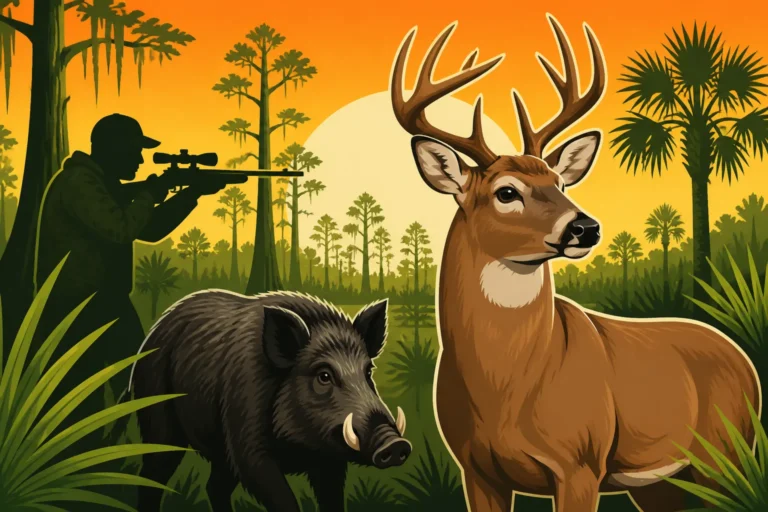
This patchwork of environments means that deer and hogs, the mainstays of Union County hunting, have ample cover, food, and water. Turkeys can also be found in the more mature pine and hardwood areas, particularly near creek drainages. The flat topography, while not offering dramatic elevation changes, often features subtle rises and depressions that can funnel animal movement or provide natural bedding areas. Learning to "read" this terrain, even on a map, is your first step to success.
The Role of Florida's Wildlife Management Areas (WMAs)
For public hunting in Union County, the primary access point will be through Florida's Wildlife Management Areas (WMAs). These are tracts of land, often owned by the state or managed through agreements with other landowners, specifically set aside for wildlife conservation and public recreation, including hunting. They are the backbone of public hunting in Florida, and Union County is fortunate to have some important ones either within its borders or very close by, providing valuable opportunities.
WMAs aren't just open land; they are actively managed by the Florida Fish and Wildlife Conservation Commission (FWC). This means prescribed burns to enhance habitat, timber thinning, food plot creation, and strict hunting regulations designed to maintain healthy wildlife populations and provide quality hunting experiences. Unlike some private lands where you might just show up and hunt, WMAs have specific rules, season dates, and often require special permits on top of your regular hunting license. Think of WMAs as carefully tended wildlife gardens, each with its own specific set of access points and usage guidelines. Getting familiar with Florida Wildlife Management Areas is your first big step.
Navigating Access and Regulations for Hunters
Okay, so you know there are WMAs in or near Union County. Now, how do you actually get on them, and what hoops do you need to jump through? This is where many hunters get hung up, and it's understandable. Florida's system can seem a bit complex at first glance, especially with different zones and permit types. But once you break it down, it's pretty straightforward. The FWC has done a good job of centralizing information, but sometimes you just need someone to walk you through what applies specifically to your area.
Essential Licenses and Permits for Union County WMAs
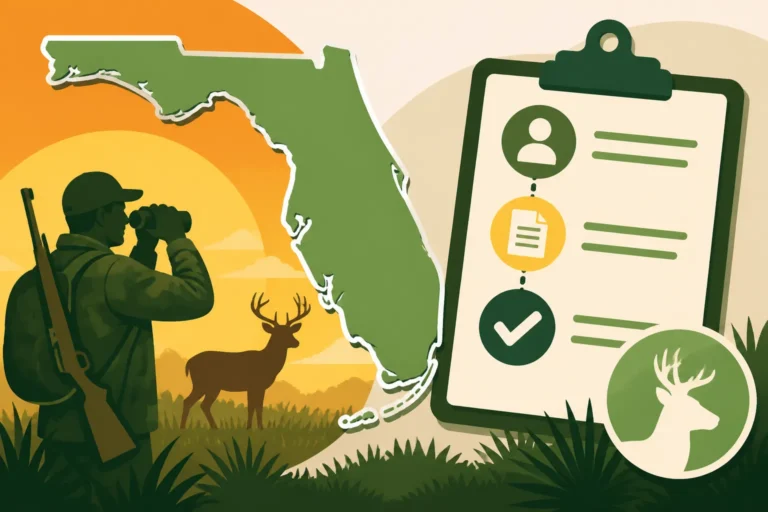
Before you even think about stepping foot into a WMA, you'll need the right paperwork. This typically includes a few key items:
- Florida Hunting License: This is your base ticket to hunt. Whether you're a resident or non-resident, you'll need this. The cost varies, but it's an annual requirement. Florida Hunting Licenses and What They Cost gives a great breakdown.
- Florida Management Area Permit: This permit is almost always required for hunting on WMAs. It's a relatively small additional fee, but absolutely essential. Don't skip it! Without it, your hunting license alone won't get you legal access to WMA lands. You can learn more about The Florida WMA Management Area Permit.
- Quota Permits (Sometimes): This is where it can get a little tricky. Many WMAs, especially during prime seasons for popular game like deer or turkey, operate on a quota hunt system. This means only a limited number of hunters are allowed in at a time to reduce pressure and improve hunt quality. You apply for these permits through a lottery system, and if you draw one, that's your golden ticket for specific dates. Not all WMA hunts are quota hunts, but many are, so always check the specific WMA regulations.
- Hunter Education: If you were born after May 31, 1971, you'll need to have completed a hunter education course. This is a one-time requirement but absolutely critical for legal hunting. It's about safety and responsible hunting practices. If you haven't taken it, check out Florida Hunter Education Requirements.
It's paramount to check the FWC's website or the specific WMA brochure for the most up-to-date and precise requirements for your chosen area and hunt dates. Regulations can change, and you don't want to find yourself in a bind with a game warden because you missed a detail.
Key Regulations and Restrictions to Know
Beyond licenses and permits, WMAs come with their own set of rules. These are designed to manage wildlife populations, ensure hunter safety, and preserve the quality of the resource. Ignorance of the law is never an excuse, so taking the time to understand these is crucial.
- Season Dates and Bag Limits: WMA seasons often differ from statewide zone seasons. You might find shorter seasons, different weapon types allowed during certain periods, and specific bag limits. For instance, a WMA might have an archery-only period when other areas allow crossbows, or a gun season might be restricted to shotguns only, not rifles. Always consult the WMA-specific regulations.
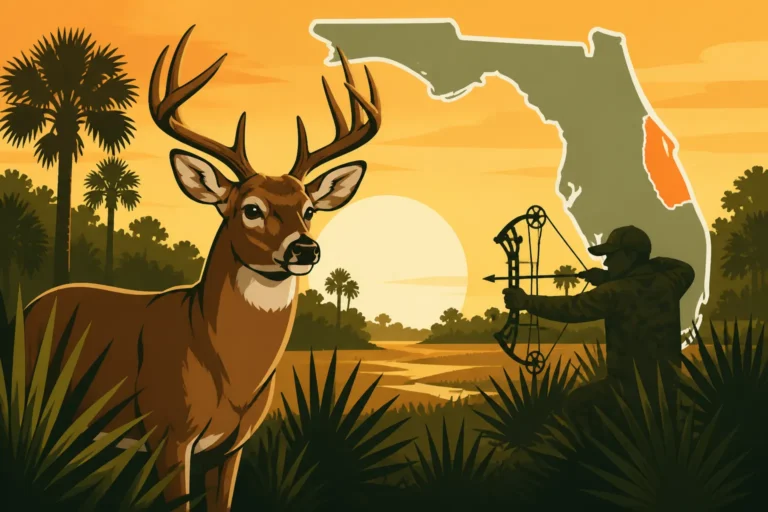
- Allowed Weapons: Not every WMA allows rifles for deer hunting. Many restrict you to shotguns with slugs or muzzleloaders during specific gun phases. Archery equipment also has specific rules, including sometimes prohibiting crossbows during the early archery phase. Make sure your gear matches the WMA's rules for the season you plan to hunt.
- Blaze Orange Requirements: Safety first! Florida has blaze orange requirements, particularly during gun seasons. Make sure you and your hunting party are visible. Florida Blaze Orange Requirements explains the specifics.
- Vehicle and ATV Access: Most WMAs have designated parking areas and roads. Off-road vehicle use, including ATVs, is typically restricted to marked trails and often requires a specific permit or during certain periods. Don't assume you can drive anywhere you want.
- Treestands and Blinds: There are often rules about how long you can leave a treestand up, whether you can use screws or nails, and whether ground blinds need to be removed daily. Check the specific WMA guidelines; Treestand Rules on Florida Public Land is a good resource.
- Camping: Some WMAs offer primitive camping, while others do not. If camping is allowed, there will be rules regarding campfires, length of stay, and waste disposal.
Always print out or save a digital copy of the specific WMA regulations for the area you're hunting. It's your best friend in the field.
Strategies for Successful Public Land Hunting in Union County
Hunting public land successfully, especially in an area like Union County, requires more than just showing up with a license. It demands strategy, a bit of elbow grease, and smart use of available resources. Remember, you're often competing with other hunters, so finding those less-pressured spots and understanding animal behavior is key.
Scouting Smart: Utilizing Digital Tools and On-the-Ground Recon
Scouting is probably the single most important factor for success on public land. You can't just drive around and expect to find prime hunting spots the morning of the opener.
- Digital Tools are Your Friend: Start your scouting from home. Platforms like onX Hunt or GoHunt offer invaluable satellite imagery, property line overlays, and public land boundaries. You can identify potential pinch points, bedding areas, travel corridors, and even water sources without ever leaving your couch. Look for changes in vegetation, subtle elevation shifts, and areas where cover meets open feeding grounds. Reading Aerial Photos for Florida Deer can help you interpret what you're seeing. These tools are fantastic for marking waypoints for future on-the-ground exploration.
- FWC Public Hunting Map: The FWC offers its own interactive public hunting map, which is excellent for identifying WMAs, checking boundaries, and finding access points. It's often updated with specific WMA details. You should definitely be Using the FWC Public Hunting Map in conjunction with other tools.
- Boots on the Ground: There's no substitute for walking the woods. Visit the WMA during the off-season if possible. Look for fresh deer tracks, rubs, scrapes, and hog rooting. Identify natural funnels, food sources (like acorn flats or persimmon trees), and potential bedding cover. Pay attention to how the land lays and where animals might feel safe moving. This kind of intimate knowledge of a specific area is what sets successful public land hunters apart. Early season scouting, before the heavy hunting pressure starts, is especially critical.
| Scouting Tool | What It Offers | Best Use Case |
|---|---|---|
| FWC Public Map | Official WMA boundaries, regulations, access points | Initial research, legal boundaries, official updates |
| onX Hunt / GoHunt | Satellite imagery, topo maps, land ownership, tracking | Detailed terrain analysis, identifying travel routes |
| Boots on the Ground | Fresh sign, scent, actual terrain features | Verifying digital info, finding current animal activity |
Seasonal Considerations and Target Species
Union County's WMAs primarily offer opportunities for white-tailed deer and feral hogs, with some turkey hunting possible. Understanding how these animals use the habitat throughout the seasons is key.
- Deer: Florida's deer rut varies by zone, but in this part of Florida, you're generally looking at a fall rut. Early season archery can be good around natural food sources or water. During gun season, deer often become more nocturnal and hold tight in thick cover. Understanding Florida Deer Herd Size and their behavior in pressured environments is essential. Focus on areas that offer dense security cover close to food and water.
- Feral Hogs: Hogs are prolific in Florida and generally have no closed season or bag limits on private land, but WMAs often have specific hog seasons. They are constantly on the move, rooting for food. Look for fresh rooting, wallows, and trails, particularly around water sources or oak hammocks where acorns drop. Feral Hogs Across Florida are a fantastic opportunity for hunters. Night hunting for hogs with lights might be allowed on some WMAs, so check the rules.
- Turkey: If you're after Osceola or Eastern turkeys, you'll need to know which subspecies inhabits the WMA (most likely Eastern in Union County's proximity to the panhandle). Spring turkey season is intense, and public land birds are often "educated" quickly. Early morning roost hunts or finding secluded spots where birds feel less pressured are often the best strategies.
Always tailor your approach to the specific species you're pursuing and the time of year. What works for deer in October might be useless for hogs in January.
Common Challenges and How to Overcome Them
Hunting public land isn't always easy; if it were, everyone would be doing it. There are real frustrations that can make or break a hunt. Recognizing these challenges and having strategies to overcome them is part of becoming a seasoned public land hunter.
Dealing with Hunting Pressure
Let's be honest, public land means other hunters. This can be a huge deterrent for many, but it doesn't have to be. Union County WMAs, while not as vast as some others, can still see pressure.
- Go Deeper: The simplest solution, though not always easy, is to walk further than most other hunters are willing to go. Many hunters stick close to parking areas and main trails. By pushing an extra half-mile or mile, you often find areas that see significantly less pressure. This might mean investing in better gear for hauling game out, but the solitude and increased success can be worth it. Consider areas that are hard to reach, like crossing a creek or navigating a dense palmetto head.
- Hunt Mid-Week: If your schedule allows, hunting on a Tuesday or Wednesday will almost always mean fewer people in the woods compared to a Saturday or Sunday.
- Hunt the "Unpopular" Spots: Look for areas that seem less appealing on a map – perhaps a small, isolated pocket of woods, or a thick, swampy section. These are the places other hunters might overlook or avoid, and they can often hold undisturbed game.
- Use Hunter Pressure to Your Advantage: Sometimes, nearby hunting pressure can push deer towards you, especially during deer drives. If you know a common drive area, setting up on an escape route or a natural funnel a good distance away can pay off. Hunting Pressure on Florida Public Land is a real phenomenon, but manageable.
Understanding Area-Specific Rules and Changes
Florida's hunting regulations, particularly for WMAs, are not static. They can change annually, and specific WMAs might have emergency closures or special rules pop up that weren't there last season.
- Read the Annual Regulations Booklet: Every year, the FWC publishes a new set of hunting regulations. This is your bible. Always consult the most current version. While the general rules stay similar, specific dates, weapon restrictions, or permit requirements for a particular WMA can be updated.
- Check the FWC Website Regularly: Before and during the season, make it a habit to check the FWC website for specific WMA updates or news releases. This is where you'll find information about emergency closures (e.g., due to flooding or wildfires), quota hunt results, or any last-minute regulation changes.
- Contact the Local FWC Office: If you have specific questions or need clarification on a rule, don't hesitate to call the regional FWC office responsible for Union County. They are there to help and can provide direct answers that might not be immediately obvious from printed materials.
- Signage at the WMA: Always pay attention to any signage posted at WMA entrances or check stations. These signs often contain critical information or last-minute updates that you won't find anywhere else.
Staying informed is perhaps the greatest challenge and the greatest advantage on public land. A well-prepared hunter is a successful hunter.
Disclaimer
This article is for general informational purposes only and does not constitute professional advice. Laws, prices and regulations vary by location and change over time. Consult a qualified professional for guidance on your specific situation.