What a Central Florida Ranch Day Rate Costs
It can be incredibly frustrating trying to pin down the exact cost of a guided hunting trip in Central Florida, especially when you're just looking for a simple day rate. So many variables play into the final price tag, making it feel like you need a secret decoder ring to understand it all. This guide is going to break down what influences those day rates, what you can expect to be included, and those often-overlooked extra costs, helping you budget for your next Central Florida ranch hunt without any surprises.
Understanding the Central Florida Ranch Day Rate Landscape
When you start looking at hunting opportunities on private ranches in Central Florida, whether for hogs or deer, you'll quickly notice that day rates aren't uniform. They fluctuate quite a bit, and it's not just about the rancher wanting to make a buck. There are legitimate reasons why one operation might charge more than another, and understanding these factors is key to finding a hunt that fits both your expectations and your wallet. It's not like buying a gallon of milk; it's a specialized service, and the "value" is tied to a lot more than just the time spent in the field.
Species Targeted and Trophy Potential
One of the biggest drivers of a day rate is the species you're after. Feral Hogs Across Florida are incredibly prolific, and while they offer an exciting hunt, their abundance often means a more accessible price point. On the other hand, if you're targeting a mature White-Tailed Deer Across Florida, especially one with significant antler growth, you can expect the day rate to reflect that. Ranches invest heavily in habitat management, genetics, and supplemental feeding programs to grow larger deer, and that investment trickles down to the hunter.
Think about it: a ranch that consistently produces impressive deer has spent years, if not decades, nurturing that herd and managing its property. They might have extensive food plots, strict harvest criteria, and state-of-the-art blinds. All of this contributes to a higher chance of success for a trophy-caliber animal, and that's something hunters are often willing to pay a premium for. For hogs, it's often more about the experience of the hunt itself, the sheer numbers, and the opportunity to fill a cooler with wild game. Many operations offer packages where you can harvest multiple hogs, which is a big draw for hunters focused on meat.
Inclusions and Exclusions in the Base Rate
The "day rate" itself can be a bit of a chameleon. What one ranch includes in its base price, another might list as an add-on. Some operations will offer a truly all-inclusive day, covering everything from the guide to field dressing. Others might advertise a lower base rate, but then charge extra for specific services like gutting, skinning, or even retrieving your animal from a challenging spot.
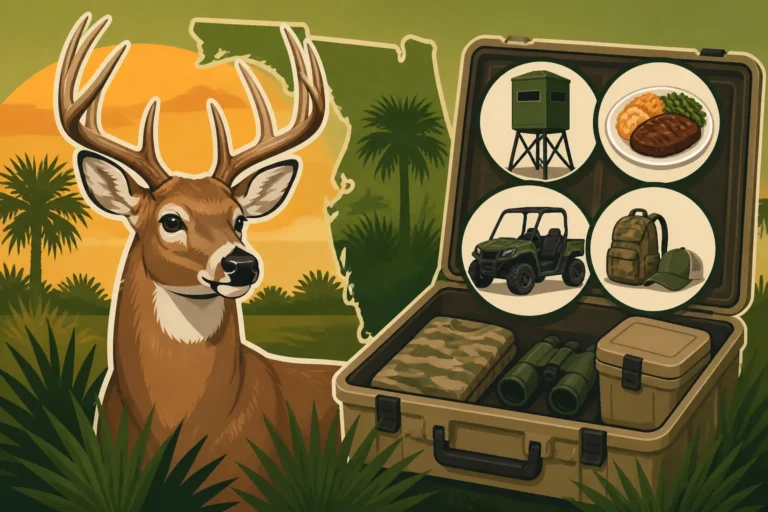
It’s crucial to scrutinize what's explicitly stated in the day rate. Does it include meals? Many day hunts are just that – a day in the field – so lunch might be something you pack yourself, or it could be a hearty meal provided by the ranch. What about the use of blinds or stands? Are firearms provided, or are you expected to bring your own? These details can significantly impact the overall cost and should be clarified upfront. For example, if a ranch offers a fantastic property but charges extra for a guide, and you prefer a guided experience, that initial "low" day rate suddenly climbs.
Reputation, Demand, and Amenities
Just like any other service industry, a hunting ranch's reputation and demand for its hunts play a role in pricing. Ranches known for consistent success, excellent guides, and top-notch facilities can command higher rates. If a particular ranch has been featured in hunting magazines or has a strong following on platforms like BookYourHunt or GoHunt, their bookings might fill up quickly, allowing them to maintain higher prices.
Furthermore, the quality of the amenities matters. Is it a rustic shack or a comfortable lodge with hot showers and a chef? Even for a day hunt, access to clean restrooms, a place to relax between morning and afternoon hunts, or even just well-maintained equipment can add to the perceived value. A ranch that provides comfortable, well-placed ground blinds or ladder stands, along with efficient transportation to and from hunting areas, often justifies a slightly higher fee due to the enhanced experience and effort on their part. These aren't just hunting trips; they're often experiences crafted for client satisfaction.
What's Typically Included (and What's Not) in Your Day Rate
Navigating the inclusions and exclusions of a day rate can feel like reading fine print. It's where the sticker price can diverge quite a bit from your actual out-of-pocket expense. Understanding what is generally bundled into a standard Central Florida ranch day hunt versus what you'll need to budget for separately is essential for a smooth and enjoyable experience.
Guide Services and Ranch Access
For most private land day hunts in Central Florida, a guided experience is often part of the package. This means you'll have an experienced individual who knows the property, understands the animal patterns, and can help you with shot placement and tracking. The guide might be with you constantly, or they might drop you off at a stand and pick you up later. Either way, their knowledge is invaluable, especially if you're unfamiliar with hunting in Florida's unique terrain.
The day rate almost always covers your access to the private ranch land itself. This is a huge benefit, as Getting Private Land Permission in Florida can be incredibly challenging. These ranches often have prime habitat and manage their game populations to provide good hunting opportunities, which is a significant part of what you're paying for. This access often includes transportation around the property, whether by truck, ATV, or even UTV, saving you a lot of hiking in sometimes dense and hot conditions.
Field Care and Initial Processing
Most reputable Central Florida ranches will include basic field care for your harvested animal. This typically involves retrieving the animal, loading it, and often field dressing it. For hogs, this might also extend to skinning and quartering the animal right there at the ranch, ready for you to take home and process further or drop off at a butcher. For deer, they'll usually ensure it's properly gutted and ready for transport to a processor or your cooler.
What's rarely included, however, is full meat processing beyond the initial field dressing. Don't expect your animal to come back as neatly packaged steaks and roasts unless explicitly stated as an additional service. Taxidermy preparation, like caping a deer for a shoulder mount, might be an extra fee or something you're expected to arrange with your taxidermist directly. Always ask about the exact extent of field care and processing to avoid any surprises when your hunt is over.
Meals, Lodging, and Equipment Use
While some multi-day packages might include meals and even lodging, a true "day rate" typically implies you're responsible for your own food and accommodations. If you're coming from out of town, you'll need to factor in hotel costs or camping if you prefer. You'll likely also pack your own snacks and drinks for the day in the field.
However, some ranches might offer a "hunt and dine" option or include a lunch if it's a full-day hunt with a break. Always check. As for equipment, many ranches will provide access to blinds and stands. If you need to borrow a rifle or crossbow, that's almost always an additional charge, and you'll want to verify ammunition costs and range time if that's part of the deal. Rarely will clothing, boots, or other personal hunting gear be provided, so be sure to bring everything you need for a comfortable and successful hunt.
Beyond the Sticker Price: Hidden Costs to Consider
The day rate itself is rarely the final number you'll pay for a Central Florida ranch hunt. There are several additional expenses that many hunters overlook when budgeting, and these can quickly add up, turning what seemed like an affordable trip into a pricier excursion. Being aware of these "hidden" or often-forgotten costs upfront will help you plan more effectively and avoid any post-hunt financial headaches.
Licenses and Permits
This is a big one. The day rate for a guided hunt on private land almost never includes your state hunting licenses and permits. You are responsible for purchasing these yourself before your hunt. For Florida residents, you'll need a base Florida Resident License Options, and depending on what you're hunting, additional permits like a deer permit or a management area permit if hunting on certain types of land. Non-residents will need to purchase a Florida Nonresident License Options, which typically comes at a higher cost, along with any necessary endorsements for deer or other game.
It's crucial to check the Florida Fish and Wildlife Conservation Commission (FWC) website well in advance to understand exactly what licenses and permits are required for the species and season you'll be hunting. Many outfitters on platforms like BookYourHunt or GoHunt will clearly state that licenses are separate, but it's ultimately the hunter's responsibility to be legal. Don't assume the ranch takes care of this; they can't.
Gratuities for Your Guide
Tipping your hunting guide is standard practice in the industry and is almost never included in the day rate. These guides work incredibly hard, often starting before dawn and working well past sunset, to ensure you have a safe, successful, and enjoyable experience. They scout, set up stands, track animals, and handle all the logistics.
A common guideline for tipping is anywhere from 15-20% of your hunt's cost, or a set amount per day that you feel comfortable with based on the quality of service. If your guide went above and beyond, showed exceptional patience, or worked tirelessly to recover an animal, consider showing your appreciation generously. This is a significant cost that many first-time guided hunters forget to factor in, but it's a critical part of the hunting culture.
Meat Processing and Taxidermy
Unless you plan to process your animal yourself, you'll need to budget for professional meat processing. This cost can vary depending on the animal (hog versus deer), the cuts you want, and whether you opt for specialty items like sausage or jerky. For a whole hog or deer, processing costs can add a notable amount to your total expense.
Similarly, if you're fortunate enough to harvest a trophy-worthy animal, taxidermy is another separate and substantial expense. Getting a quality mount can be a significant investment, and while it's a lasting memory, it's not something to spring on yourself unexpectedly. Some ranches might have a preferred local processor or taxidermist they recommend, which can be helpful for logistics, but the cost will be yours.
Travel and Lodging Expenses
Even for a day hunt, travel can be a considerable cost, especially if you're driving a long distance. Factor in fuel costs for your vehicle, and potentially wear and tear. If you're flying in, add airfare, car rental, and airport transfer fees.
As mentioned earlier, unless it's a specific package deal, lodging is typically not included in a day rate. You'll need to budget for hotels, motels, or perhaps an Airbnb in the closest town. Even if you plan to camp, there might be campsite fees. Don't forget meals outside of the hunt itself; restaurant tabs or grocery shopping for your stay can add up quickly. These logistical costs are often bigger than people anticipate for what seems like a simple "day" trip.
Making Your Dollar Stretch: Tips for Budgeting Your Hunt
Hunting on a private Central Florida ranch can be an incredible experience, but it doesn't have to break the bank. With a little strategic planning and savvy decision-making, you can find opportunities that offer great value and fit your budget. The key is to be proactive, ask the right questions, and explore all your options.
Research and Compare
Don't jump on the first deal you see. Take your time to research various ranches and outfitters in Central Florida. Platforms like BookYourHunt and GoHunt are fantastic resources for finding guided hunts, reading reviews from other hunters, and comparing what different operations offer. Pay close attention to what's included in their advertised day rates versus their total package prices. Some might look more expensive upfront but offer more comprehensive inclusions, which could save you money in the long run by avoiding hidden fees.
When comparing, look beyond just the price. Consider the ranch's success rates (and understand what those rates truly mean), the experience level of their guides, and the overall hunting experience they promise. Is it a high-volume operation focused on getting many hunters through, or a more personalized experience? Sometimes paying a little more for a reputable outfitter can save you frustration and disappointment. Also, don't be afraid to utilize resources like Questions to Ask Before Booking an Outfitter to ensure you're making an informed decision.
Consider Off-Season or Weekday Hunts
Just like many travel and tourism industries, hunting often has peak and off-peak seasons. Major opening weekends, holidays, and prime rut times for deer will almost always command higher prices due to demand. If your schedule allows, consider booking a hunt during the middle of the week or towards the very end of a season. You might find lower day rates during these less popular times.
Similarly, some ranches might offer slightly reduced rates during the "off-season" for certain species, even if hogs can be hunted year-round. For instance, a deer ranch might offer excellent hog hunting opportunities at a better price during the summer months when deer hunting isn't in full swing, but hogs are still abundant. Always inquire about these possibilities; you might be surprised by the flexibility.
Group Discounts and Package Deals
If you're planning to hunt with a few buddies or family members, many ranches offer group discounts. Bringing multiple hunters can reduce the per-person day rate, making the trip more affordable for everyone. It's a win-win: the ranch gets more bookings, and you save some money. Booking a Day Hog Hunt might be more economical if you have a few friends joining the excursion.
Also, explore package deals. While this guide focuses on day rates, sometimes a Booking a Multi-Day Hog Hunting Package that includes basic lodging or meals can actually be a better value than piecing together multiple single-day hunts and separate accommodations. It consolidates costs and often provides a more immersive hunting experience. Don't just look at the individual day rate; consider the total value of any bundled offers.
Don't Be Afraid to Ask Questions
The absolute best way to budget effectively is to communicate openly and clearly with the outfitter. Call them up, or send an email, and ask every question you have, no matter how small it seems.
Use a checklist to ensure you cover everything:
- What exactly is included in the day rate?
- Are there any additional fees for guide services, animal recovery, or basic field dressing?
- What licenses do I need, and where can I purchase them?
- What are the typical Tipping a Florida Hunting Guide expectations?
- Do you have preferred meat processors or taxidermists, and what are their estimated costs?
- Are there any opportunities for group discounts or off-season specials?
A reputable outfitter will be transparent and happy to answer all your questions. Their goal is for you to have a great experience and know exactly what to expect. This proactive approach will help you create a realistic budget and ensure there are no unwelcome financial surprises on your Central Florida ranch hunt.
| Factor | Influence on Day Rate | Typical Inclusion in Base Rate |
|---|---|---|
| Species Targeted | Higher for trophy deer, lower for hogs | Varies by ranch/package |
| Guide Service | Significant factor | Often included |
| Ranch Access | Core component | Always included |
| Field Dressing/Retrieval | Minor factor, often extra for complex | Usually included (basic) |
| Meat Processing/Taxidermy | No direct influence | Almost never included |
| Licenses/Permits | No direct influence | Never included |
| Lodging/Meals (Day Hunt) | No direct influence | Rarely included |
| Equipment Rental (e.g., gun) | Minor factor | Usually an add-on |
| Gratuities | No direct influence | Never included |
| Ranch Reputation/Demand | Higher for popular, high-success ranches | Varies |
Disclaimer
This article is for general informational purposes only and does not constitute professional advice. Laws, prices and regulations vary by location and change over time. Consult a qualified professional for guidance on your specific situation.