Bowfishing for Florida Alligators
The thought of chasing a primal predator in Florida's vast waterways with just a bow can be exhilarating, but the reality of actually connecting with an alligator and bringing it to hand presents a unique set of challenges. From navigating murky waters at night to making that perfect shot, many aspiring hunters feel overwhelmed by the specialized gear, complex regulations, and sheer physical demands. This comprehensive guide will walk you through everything you need to know about bowfishing for Florida alligators, from understanding the permits to mastering the techniques and ensuring a safe, ethical hunt.
Navigating Florida's Alligator Bowfishing Regulations and Permits
Before you even think about stringing an arrow, the first and most critical step is understanding the rules of the game. Florida has a very structured system for alligator hunting, designed to manage the population responsibly while providing opportunities for hunters. Ignoring these regulations isn't just a minor oversight; it can lead to serious legal consequences and undermine conservation efforts.
Securing Your Alligator Harvest Permit
The Florida Fish and Wildlife Conservation Commission (FWC) manages alligator hunting through a highly sought-after statewide permit lottery. You can't just decide to go alligator hunting; you need to apply for one of these special permits. The application period typically opens in late spring, and it's essential to stay on top of those dates if you want a chance to draw a tag. When you apply, you're not just applying for a license to hunt; you're applying for a specific harvest permit that assigns you a harvest area and a specific hunt period. This helps distribute hunting pressure and ensures alligators are taken across various regions. For many, the challenge isn't the hunt itself, but simply drawing one of these coveted permits. You'll need to pay attention to details like the cost of the Florida Resident Alligator Permit Cost or even a Florida Nonresident Alligator Permit Cost, as these can vary significantly. Once you successfully draw a permit, you'll also receive two CITES tags, which are crucial for legal possession after your harvest.
Understanding Season Dates and Designated Harvest Areas
Florida's alligator season generally runs from August 15th to November 1st, but your specific hunt period will be detailed on your permit. It's not a free-for-all across the state during this window. Instead, the FWC divides Florida into numerous Alligator Harvest Areas (AHAs), each with its own permit allocations. When you apply in the lottery, you'll rank your preferred AHAs. These areas can range from large public lakes and rivers to smaller, more localized management units. It's vital to know your assigned AHA like the back of your hand, as hunting outside of it is strictly prohibited. You might be assigned to a well-known area like Lake Okeechobee or a less trafficked river system. Understanding these specific areas and the overall Florida Alligator Season Opening Date and closing date is non-negotiable for a legal hunt. Always double-check your permit for the exact dates and location before you head out.
Legal Methods and Restrictions for Bowfishing
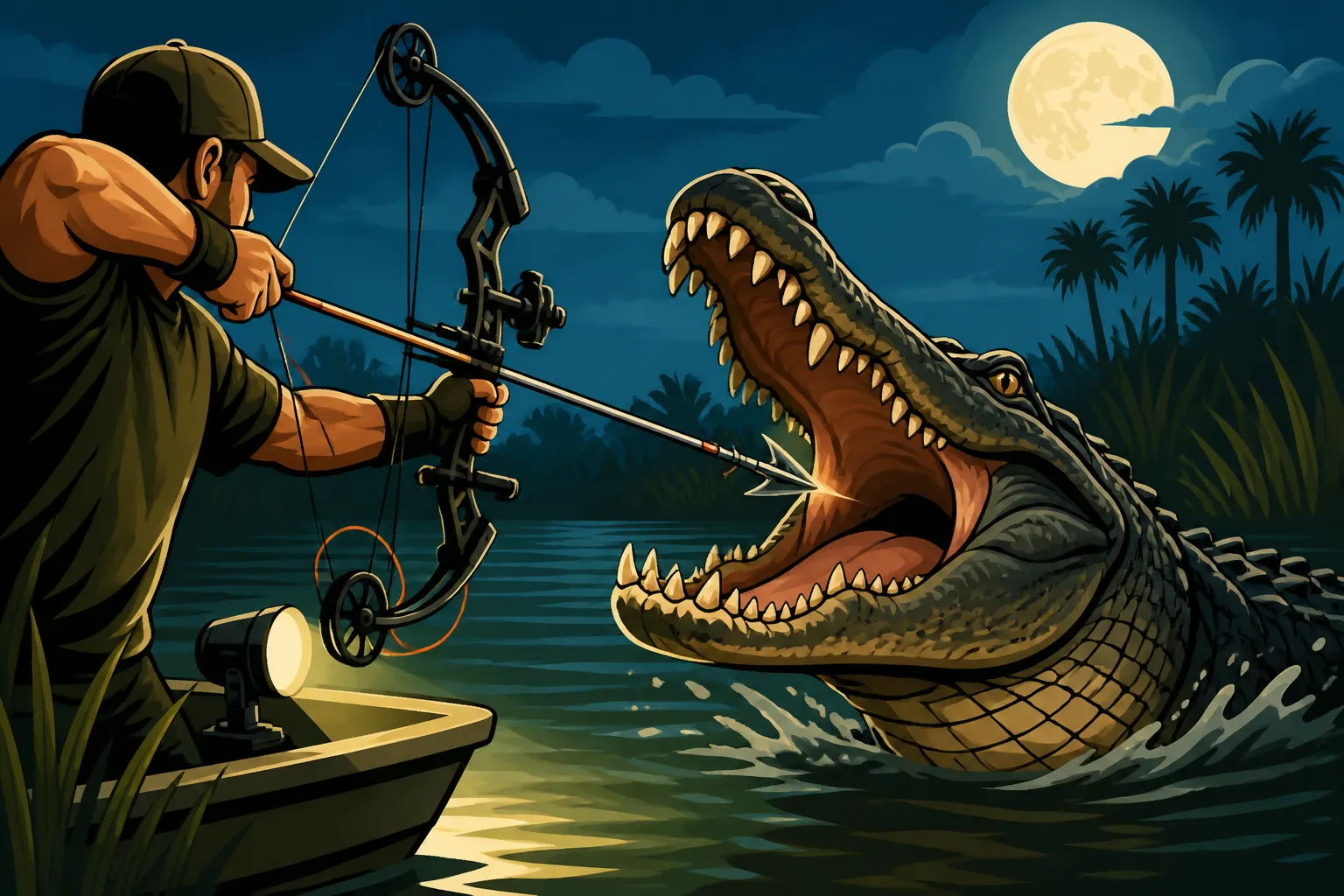
When it comes to actually taking an alligator with a bowfishing setup, Florida has very specific rules about what's allowed. Essentially, you can use a line-attached spear, snatch hook, harpoon, or an arrow with a line attached. The crucial element here is the line-attached part. You cannot simply shoot an alligator with a standard hunting arrow. The arrow must be affixed to a heavy line, which is then connected to a buoy, a sturdy container (like a plastic bottle), or a bowfishing reel. This line is how you'll retrieve the alligator after the shot.
Here's a breakdown of legal methods, focusing on bowfishing:
- Bowfishing: This involves shooting a specialized arrow with a barbed tip, attached to a strong line, into the alligator. The line is spooled onto a drum reel mounted on your bow, or simply tied to a float.
- Harpooning: While often deployed from a boat alongside a bowfishing rig, a harpoon involves a shaft with a detachable barbed point, also attached to a retrieval line. It's typically thrown by hand or deployed via a "gator pole."
- Snatch Hooks: These are large, heavy hooks thrown or cast out to snag an alligator.
- Spearing: Similar to a harpoon, but often a simpler, fixed-barb spear.
What you cannot do is equally important. It is illegal to use firearms to take an alligator from its natural habitat, except as a dispatch method once the alligator is secured to your boat. You can't just shoot an alligator with a rifle from the bank. Also, baiting an alligator for the purpose of taking it is generally prohibited, though some outfitters may have specific permits for certain practices. It's important to remember that you must also be able to visually identify the alligator as legal size (though there usually isn't a minimum size for the statewide hunt, this can change, so always check current regulations) before taking a shot.
Essential Gear for a Successful Alligator Bowfishing Expedition
Bowfishing for alligators isn't your average fishing trip, and it certainly isn't your average deer hunt. The gear list is specialized, robust, and designed to handle the immense power of these ancient reptiles. Skimping on equipment here can lead to lost alligators, damaged gear, or even dangerous situations on the water.
Specialized Bows and Reels for Alligator Hunting
Forget your delicate compound bow or traditional longbow for this pursuit. Alligator bowfishing demands equipment built for brute force and abuse. Most hunters opt for a purpose-built bowfishing bow, which is often a simpler, more robust compound or recurve bow with a lower draw weight but incredibly durable components. The goal isn't accuracy at long range, but rather raw power for penetration at close distances.
- Bow Choice: Many bowfishers use older compound bows set at 40-50 pounds of draw weight, or dedicated recurve bowfishing bows. Simplicity is key, as you'll be shooting in low light, from awkward positions, and often with wet hands. Brands like PSE Archery and AMS Bowfishing make excellent dedicated bowfishing bows that can handle the rigors of the hunt.
- Reel Systems: This is where things get interesting. You won't be using a traditional spinning or baitcasting reel. Instead, you'll typically choose between two main types:
- Bottle Reels (or Spincast Reels with heavy line): These are the most common and often the simplest. A large, open-face reel holds a massive amount of heavy braided line (often 200-300 lb test). After the shot, the line simply peels off the reel, or you'll quickly grab the line and secure it to a float or directly to the boat. Some prefer a simple "bottle" that the line is wound onto, which then slides off during the shot.
- Drum Reels: These are basic, open-face reels that hold hundreds of yards of line. You pull the line off by hand for the shot, and it strips cleanly. They require more manual handling but are incredibly dependable.
- AMS Retriever Reels: This is a popular system that looks like a small bottle or drum attached to the front of the bow. The line is stored in a canister, and it shoots out unimpeded with the arrow. It's a very clean and tangle-free system, ideal for the quick, often chaotic nature of gator bowfishing.
Whichever system you choose, make sure it's spooled with incredibly strong line. Alligators are masters of escape, and a weak line will break faster than you can blink, especially when they roll and twist.
Heavy-Duty Arrows, Harpoons, and Retrieval Lines
Your standard deer hunting arrow simply won't cut it. Alligator bowfishing arrows are much heavier, solid fiberglass or carbon, and feature specialized barbed points designed to penetrate tough hide and hold securely.
- Alligator Arrows: These are solid, heavy shafts with a fixed or retractable barb. The barb needs to deploy after penetration to prevent the arrow from pulling out. The most common type is a detachable head with a sliding barb, allowing for easy removal after the gator is subdued.
- Harpoons: Even if you're primarily bowfishing, having a heavy-duty harpoon on board as a backup or for a follow-up shot is a smart move. These typically consist of a long, stout pole with a detachable, barbed head that connects to a heavy retrieval line. They are often used to secure a gator that has been shot with an arrow but is still thrashing violently.
- Retrieval Lines: Again, think heavy-duty. Dacron, braided nylon, or specialized bowfishing line in the 200-400 lb test range is standard. You'll need hundreds of feet of it, whether on your reel, tied to floats, or both. Many hunters use multiple floats connected to the line to provide buoyancy and resistance, tiring the gator out.
The Alligator Boat and Essential Lighting
The right boat is paramount for a safe and effective alligator bowfishing trip. You need something stable, relatively quiet, and capable of navigating shallow, often obstacle-filled waters.
- Boat Type: Jon boats, airboats (especially for swampy areas), or larger flat-bottom boats are commonly used. Stability is crucial, as you'll be shooting from a standing position, often at night. Make sure it has enough space for your gear, your hunting partners, and a potentially very large alligator. Airboats are often the preferred choice for guides, allowing them to cover vast areas quickly and quietly once the engine is shut down, offering an unparalleled advantage in Florida's diverse waterways, especially when considering Hunting Alligators at Night Legally.
- Lighting Systems: Most alligator bowfishing happens at night because gators are often more active and visible. High-intensity LED light bars, spotlights, and headlamps are essential. The goal is to spot the alligator's glowing red eyes (eyes shine) from a distance. You'll need powerful lights mounted on your boat to sweep the water and spot those telltale reflections. Having a powerful handheld spotlight is also critical for taking the shot and navigating around obstacles once you've located a gator. Remember, you might be out there for hours, so ensure your battery system can handle the load. Many hunters also use a smaller, less intense light for navigating and moving around the boat once a gator is spotted, to avoid spooking it with a harsh beam.
Locating and Approaching Alligators for Bowfishing Success
Finding an alligator to bowfish is often described as "half the hunt." These reptiles are masters of camouflage and can disappear into their environment in an instant. Patience, keen observation, and understanding their habits are key to putting yourself in position for a shot.
Scouting Hotspots and Understanding Gator Behavior
Successful alligator bowfishing starts long before you even launch your boat. Scouting is paramount, whether it's physically exploring your assigned AHA or using digital tools.
- Physical Scouting: During daylight hours, look for signs of alligator activity. Sunning spots on banks, trails leading into the water, and even gator slides (where they've slid down banks into the water) can indicate active areas. Pay attention to water depth and structure. Alligators often prefer areas with cover – lily pads, cattails, cypress knees – where they can ambush prey or hide from predators (including you!). Observing their behavior in daylight can give you crucial intel for night hunting. Where do they typically surface? How do they react to boat traffic?
- Digital Scouting: Modern mapping apps are invaluable. Platforms like GoHunt allow you to study satellite imagery of your harvest area, identifying potential coves, channels, and marshy areas that might hold alligators. You can mark waypoints for promising locations, note public access points, and even gauge distances. Using these tools to understand the topography and water features can save you hours of aimless searching on the water. Look for hidden pockets or backwater areas that might offer undisturbed habitat.
- Time of Year and Temperature: Alligator activity is highly dependent on temperature. They are cold-blooded, so warm nights (especially in late summer and early fall) will see them much more active and visible on the surface. Colder fronts can drive them deeper, making them harder to find. Understanding When the Florida Rut Peaks by Zone for deer, for example, is a different kind of challenge, but for gators, it's all about that warmth.
Night Hunting Versus Daytime Tactics
While it is legal to hunt alligators during the day, the vast majority of bowfishing for them occurs at night. There's a very good reason for this.
- Night Hunting Advantage: At night, an alligator's eyes reflect light brilliantly, appearing as two red or orange glowing dots in the darkness. This "eyes shine" effect makes them much easier to spot from a distance with a powerful spotlight. They also tend to be less wary of boat noise and light at night, allowing for a closer approach. This is why the use of powerful boat-mounted lights is so critical, along with a handheld spotlight for the final approach and shot. Many permits allow for Hunting Alligators at Night Legally, making this the primary method.
- Daytime Challenges: During the day, alligators are much more aware of their surroundings and incredibly difficult to spot. They'll often sink out or blend perfectly with vegetation at the first sign of a boat or human presence. The few that are taken during the day are usually spotted while basking, requiring an incredibly stealthy and often prolonged stalk. While possible, it's significantly more challenging and less common for bowfishing.
Mastering Silent Approach Techniques
Once you've spotted those glowing eyes, the next step is a silent, deliberate approach. This is where many hunts are made or broken.
- Go Slow and Steady: Alligators are sensitive to vibrations and sudden movements. Cut your main engine well before you get within range, and use an electric trolling motor or even paddle if possible. Maintain a slow, steady pace, keeping your boat pointed generally towards the alligator but avoiding a direct, aggressive approach.
- Angle of Approach: Try to approach the alligator at a slight angle, not directly head-on. This makes your boat seem less threatening. Keep the spotlight on the gator's eyes, but avoid shining it directly into their face for prolonged periods once you're close; sometimes a softer, diffused light works better at the final stage. You want to keep them disoriented and curious, not spooked.
- Read the Gator's Behavior: Watch the alligator's eyes and head. If they start to sink, you're likely pushing too hard or too fast. Back off slightly, wait for them to resurface, and try a slower approach. Sometimes they'll slowly turn their head or even swim slowly away. You need to be patient and adapt. The goal is to get within 10-25 yards for an effective bowfishing shot. This delicate dance of stealth and precision is very similar to Stalking an Alligator on a Freshwater Lake on foot.
The Art of the Shot and Secure Retrieval
Making the shot on an alligator from a boat, especially at night, is a unique challenge. Unlike deer hunting where you aim for vitals in the chest, alligator anatomy and the target area are quite different. Following the shot, securing the powerful reptile safely is paramount.
Critical Shot Placement for Alligators
Accuracy is important, but equally important is understanding where to place your arrow for the best chance of anchoring the alligator.
- The Target Zone: The primary target for a bowfishing arrow is typically along the alligator's spine or in the thick muscular area behind the head and neck. An arrow placed here can stun the gator or disable its ability to thrash violently, making retrieval safer. The brain is small and hard to hit, so a spinal shot is often preferred. You're aiming for bone and muscle, not vital organs like lungs or heart (which are further back and deeper than you might expect, protected by heavy armor).
- Angle is Key: Remember that an alligator's back is heavily armored. You need a clean, perpendicular shot that drives the arrow straight down through the thick scutes and into the body. A glancing blow will simply bounce off or wound the gator without securing it. This often means waiting for the alligator to be relatively still and broadside to your boat, presenting a flat back.
- Practice, Practice, Practice: Before you ever hit the water, practice shooting your bowfishing setup. Use a sturdy target that can handle heavy arrows. Practice shooting from various angles, from a kneeling position, and at night with a flashlight to simulate real hunting conditions. Getting comfortable with the reel, line, and arrow release is essential under pressure.
Fighting, Securing, and Subduing Your Gator
Once your arrow hits, the real fight begins. Alligators are incredibly powerful, and they will fight tooth and tail to escape. This phase requires teamwork, strong nerves, and adherence to safety protocols.
- The Initial Thrash: Expect the alligator to react violently. It will roll, dive, and thrash, trying to dislodge the arrow and break the line. This is where the heavy line and strong gear come into play. Let the gator fight on the line, but keep tension. If you have multiple lines (from multiple arrows or a harpoon), that's even better, distributing the stress and making escape harder.
- Working the Gator: The goal is to tire the alligator out. This might involve letting it make runs, then slowly reeling it in or pulling it by hand using the floats. It's a tug-of-war where patience wins. As you work it closer, if the gator is still green and fighting, consider deploying a second arrow or a harpoon to further secure it. This helps ensure it doesn't break free at the boat.
- Securing to the Boat: Once the gator is exhausted and close to the boat, you'll need to secure its head. This is the most dangerous part of the process. A specialized snaring device (a "gator hook" or "catch pole") is used to slip a noose over its jaws. Once the jaws are secured, you can tape them shut. Only once the jaws are taped and the gator is fully subdued should you consider bringing it into the boat. Always keep a safe distance from its tail, which can deliver a powerful blow.
Dispatching Your Alligator
After the alligator is secured to the boat, completely subdued, and its jaws are taped shut, the final step is to dispatch it. This must be done quickly and humanely.
- The Bang Stick: The most common and legal method for dispatching a secured alligator is with a "bang stick" (also known as a powerhead). This device uses a shotgun shell (usually 12-gauge or larger) to deliver a powerful, concussive blow to the alligator's brain, resulting in an instant, humane death. The bang stick is deployed by pressing it firmly against the alligator's skull, typically behind the eyes, and firing. It's designed to be used underwater or directly against the skin for maximum effect and safety, minimizing shrapnel. For detailed information on this, you might check out Harvesting an Alligator With a Bang Stick.
- Brain Spike: Some hunters may use a brain spike (a sturdy, sharp metal spike) to sever the brain once the gator is completely immobilized and secured. This is a quieter method but requires precise placement and a very still animal.
- Safety First: Never attempt to dispatch an alligator until it is fully secured, its jaws are taped, and all movement has ceased. Follow the manufacturer's instructions for your bang stick and always handle it with extreme caution. The area behind the skull and eyes is the target zone.
Post-Hunt: Processing Your Alligator and Essential Considerations
Taking an alligator is a significant accomplishment, but the hunt isn't truly over until the animal is properly processed, tagged, and reported. This phase is crucial for legal compliance and making the most of your harvest.
Field Dressing and Initial Preservation
Once the alligator is dispatched and safely in the boat, the clock starts ticking, especially in Florida's warm climate. Proper field dressing and initial preservation are essential to protect the meat and hide.
- Cooling is Critical: Just like any other game animal, alligator meat will spoil quickly in the heat. As soon as possible, get ice on and around the carcass. Many hunters bring large coolers or insulated fish bags specifically for this purpose.
- Initial Cuts: While full skinning often happens at a processor, some hunters choose to make initial cuts to bleed the animal and facilitate cooling. A common practice is to make a cut along the throat or tail to allow blood to drain.
- Protecting the Hide: If you intend to have the hide tanned, avoid dragging the alligator on rough surfaces that could damage the scales. Keep it as clean as possible.
CITES Tags and Mandatory Reporting
Florida has strict requirements for tagging and reporting harvested alligators, primarily due to international trade regulations and population monitoring.
- CITES Tags: Upon drawing your permit, you'll receive two CITES (Convention on International Trade in Endangered Species of Wild Fauna and Flora) tags. These are special, numbered tags that must be immediately affixed to the alligator after harvest. One tag goes on the tail (or hide) and the other typically with the meat. These tags authenticate that the alligator was legally harvested and are essential for legal possession, transport, and commercial processing of the hide and meat. Without these tags, your harvest is illegal, and you risk severe penalties. Attaching these tags correctly is part of Tagging an Alligator With a CITES Tag.
- Harvest Reporting: The FWC requires all alligator harvests to be reported. This is usually done online through your FWC account or by contacting the FWC directly. You'll need to provide details like the date of harvest, the harvest area, and the length of the alligator. This data is vital for wildlife biologists to monitor the health of Florida's alligator population and manage future hunting opportunities. Make sure to adhere to the reporting deadlines specified on your permit.
Care for the Meat and Hide
Alligator meat is a delicious, lean protein, and the hide can be a beautiful and valuable trophy. Proper care ensures you get the most out of your harvest.
- Meat Processing: Alligator meat needs to be skinned, butchered, and cooled quickly. The most commonly eaten parts are the tail (often referred to as "gator tenderloin"), the jaw meat, and occasionally the front leg meat. The taste is often described as a cross between chicken and fish. It can be grilled, fried, stewed, or used in many other recipes. Many hunters take their gators to professional wild game processors who specialize in alligators, ensuring all edible meat is salvaged and packaged correctly.
- Hide Tanning: If you plan to have the hide tanned, it needs proper preservation immediately. This usually involves skinning the gator, salting the hide heavily, and rolling it up for transport to a professional tannery. A good tannery can transform the raw hide into a beautiful leather for boots, belts, bags, or even a full mount. Again, using a professional who understands alligator hide processing is highly recommended. The average size of a harvested Florida Alligator can influence what products can be made from the hide.
Prioritizing Safety and Ethical Hunting Practices
Alligator bowfishing is an inherently adventurous activity, but it also carries significant risks. Safety should always be your number one priority, for yourself, your hunting partners, and other users of Florida's waterways. Ethical conduct ensures the sport's reputation and the long-term health of the alligator population.
Boat Safety and Navigational Awareness
Operating a boat at night, often in unfamiliar waters, demands extreme caution and adherence to all boating safety regulations.
- Proper Lighting and Navigation: Ensure your boat has all required navigational lights, and they are functioning correctly. Use GPS and mapping tools (like GoHunt, which often has nautical charts and layers showing channels and hazards) to navigate safely. Be aware of your surroundings; Florida waterways can have hidden stumps, sandbars, and shallow areas.
- Life Jackets: Everyone on board should have an easily accessible life jacket. For active bowfishing, consider wearing an inflatable PFD. Falling into gator-infested waters at night is a serious concern.
- Buddy System: Never go alligator bowfishing alone. Always have at least one, preferably two, competent partners. Teamwork is essential for spotting gators, making the shot, retrieving, and safely subduing the animal.
- Emergency Gear: Carry a first-aid kit, a fully charged cell phone (in a waterproof bag), a VHF radio, extra fuel, and any necessary tools for minor boat repairs. Tell someone your float plan and expected return time.
Respecting Wildlife and Other Waterway Users
Ethical hunting extends beyond just legal compliance; it's about respecting the animals you pursue and the environment you share with others.
- Responsible Hunting: Only take ethical shots at alligators that are within range and present a clear target. Avoid taking shots at alligators that are too far away, in heavy cover, or where a clean shot isn't possible, as this can lead to wounded and lost animals. Make every effort to retrieve any alligator you shoot.
- Minimizing Disturbance: While night hunting involves lights, try to minimize unnecessary light pollution or excessive noise that could disturb other wildlife or nearby residents. Be mindful of residential areas and private property when choosing your hunting locations.
- Share the Water: Florida's waterways are used by anglers, boaters, kayakers, and nature enthusiasts. Be courteous and respectful of other users. Avoid shining bright lights into other boats or disturbing their activities. Remember, you are a guest on the water, and your actions reflect on the entire hunting community. The vastness of Public Hunting Land in Florida means you'll rarely have it entirely to yourself.
Environmental Stewardship and Conservation
Hunters are often the first line of conservation. Your actions on an alligator hunt directly contribute to the health of Florida's ecosystems.
- Leave No Trace: Pack out everything you pack in. Dispose of all trash, spent shells, and any other waste properly. Do not leave discarded lines, arrows, or any other gear in the water or on the banks.
- Habitat Protection: Be mindful of sensitive habitats. Avoid running your boat through shallow grass beds or sensitive aquatic vegetation that can be damaged. Stick to marked channels where possible.
- Understanding Population Dynamics: Florida's alligator population is robust, a testament to successful conservation efforts. By adhering to regulations, reporting your harvest, and practicing ethical hunting, you contribute to the ongoing monitoring and management that keeps these incredible reptiles thriving. Learning about the Florida Alligator Population Estimate and how Florida's Alligator Population Recovered really highlights the importance of responsible hunting.
Disclaimer
Please note: The information provided in this guide is for general informational purposes only and does not constitute legal advice. Hunting regulations in Florida are subject to change. It is the sole responsibility of the individual hunter to review and comply with all current Florida Fish and Wildlife Conservation Commission (FWC) regulations, state laws, and federal laws pertaining to alligator hunting before participating in any hunting activities. Always prioritize safety and consult official FWC resources for the most up-to-date and accurate information.