Combining a Turkey and Hog Package Hunt
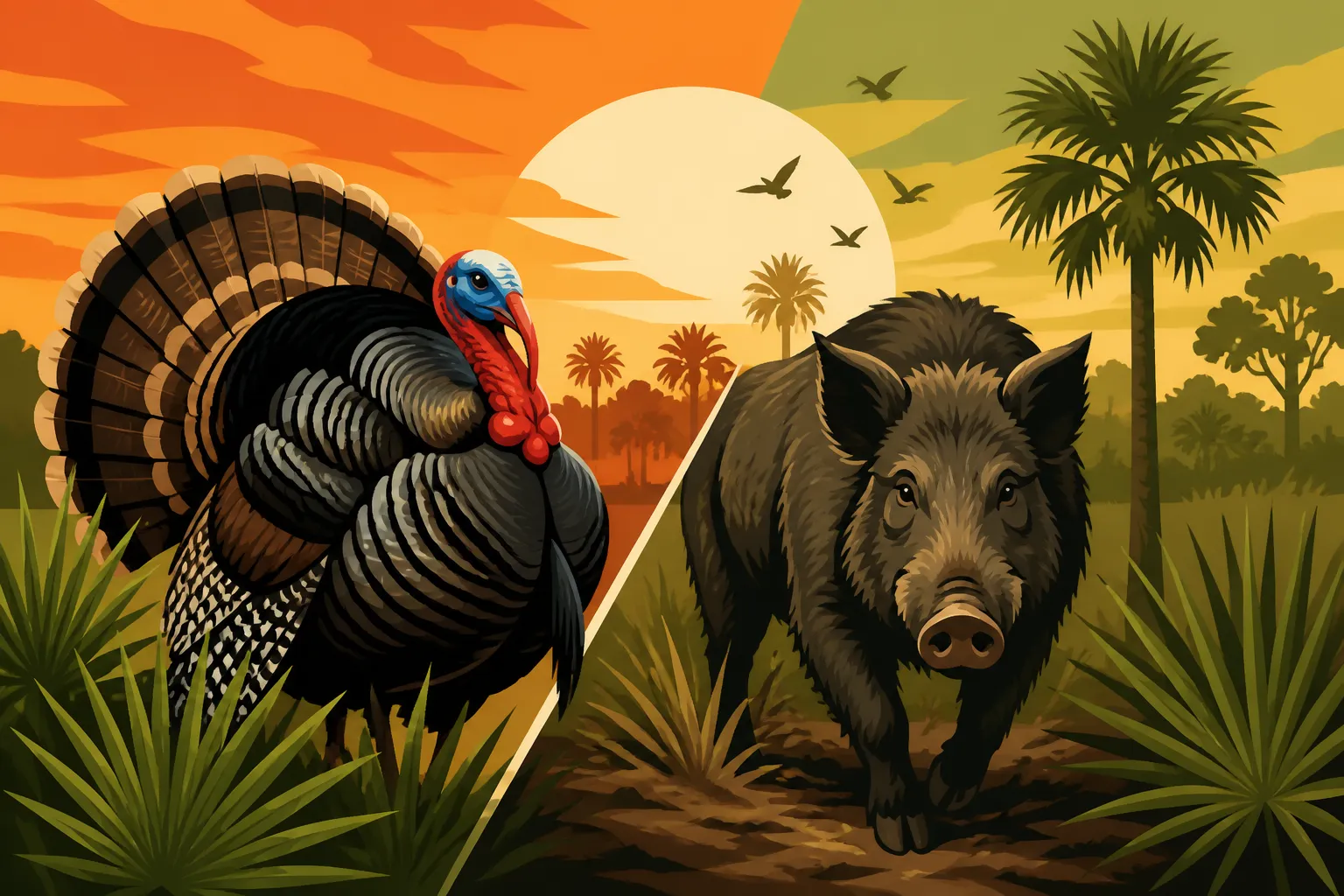
It’s a common dilemma for hunters traveling to Florida: you want to experience the thrill of a spring gobbler hunt, but you also know the state is practically crawling with wild hogs. With limited time and a desire to make the most of your trip, trying to decide between these two incredible opportunities can feel like a real head-scratcher. This comprehensive guide will walk you through everything you need to know about combining a turkey and hog hunt into one incredible Florida adventure, helping you maximize your time in the Sunshine State's wild places.
Why Combine a Turkey and Hog Hunt in Florida?
Let's be real, most of us don't have unlimited vacation days or an endless budget. When you're making the trek to a destination like Florida, you want every moment to count, and you want to bring home some amazing memories (and maybe some delicious wild game!). Combining a turkey and hog hunt isn't just about efficiency; it's about experiencing the diverse hunting culture and abundant wildlife that Florida offers in a single, action-packed trip.
Maximizing Your Time and Investment
Think about it: you've already paid for your travel, your lodging, and your hunting licenses. Why not make that investment stretch further? By bundling a turkey and hog hunt, you get more bang for your buck and more time in the field. Instead of heading home after punching your turkey tag, you shift gears, grab a different weapon, and continue the chase. It’s an incredibly efficient way to fill your cooler and your photo album, turning one trip into a multi-species conquest. This approach is particularly appealing for non-resident hunters who often face higher licensing costs and travel expenses, making every day afield precious.
Capitalizing on Overlapping Seasons
One of the beautiful things about Florida hunting is the overlap. While specific dates vary, our spring turkey seasons generally run from mid-March through late April or early May, depending on the zone. Guess what else is happening during that time? Year-Round Hog Hunting in Florida! Feral hogs have no closed season or bag limits on private lands in Florida, and many public lands also offer liberal opportunities. This perfect seasonal alignment means you don't have to choose; you can pursue both. Imagine the morning gobble of an Osceola turkey, followed by an afternoon stalk for a trophy boar. It’s a reality in Florida, and many outfitters are set up specifically to help hunters take advantage of this unique timing. You can be calling in a tom at dawn and tracking a sounder of pigs by midday.
The Thrill of Diverse Hunting Experiences
Let's be honest, hunting different species requires different tactics, and that's part of the fun! Turkey hunting in Florida often involves stealthy woods walking, precise calling, and patience in a blind, especially for our elusive Osceolas. You'll be listening for distant gobblers, trying to sweet-talk them into range, and paying close attention to every rustle in the palmettos. Hog hunting, on the other hand, can range from spot-and-stalk in open fields, to tracking through thick swamp edges, to night hunting with thermal optics. The change of pace keeps things exciting and requires a different skillset, adding layers to your overall hunting adventure. You'll switch from trying to mimic the delicate sounds of a hen to looking for fresh rooting or wallows, giving you a truly comprehensive taste of Florida's hunting landscape.
Finding the Right Combo Package
Navigating the world of hunting outfitters can feel a bit overwhelming, especially when you're looking for a specific combo hunt. Not all outfitters offer turkey and hog packages, and those that do can vary widely in their offerings and quality. It pays to do your homework and know what questions to ask to ensure you're getting the experience you envision. Sites like BookYourHunt and GoHunt can be great resources for comparing different operations and reading reviews.
Understanding Different Package Structures
Combo packages aren't one-size-fits-all. Some might offer a dedicated number of days for turkey hunting and then transition directly into hog hunting. Others might be more flexible, allowing you to pursue either species depending on activity or your preference on a given day. You'll find options ranging from fully-guided hunts where your guide is with you every step of the way, providing calls, scouting, and tracking, to semi-guided experiences where the outfitter provides the property, general guidance, and retrieves your game, but you do the active hunting. Decide what level of involvement you want from your outfitter, and make sure their package aligns with it. A common structure might include 2-3 days for turkey with an option to hunt hogs if the turkey action is slow or after you tag out, followed by a dedicated day or two just for hogs.
Key Inclusions and Exclusions to Verify
This is where paying close attention to the details really matters. Don't assume anything. A good outfitter will clearly lay out what's included, but always double-check.
Here’s a table of common inclusions and exclusions to consider:
| Feature | Often Included in "All-Inclusive" | Often Excluded / Extra Cost |
|---|---|---|
| Lodging | Yes | Sometimes extra for single occupancy |
| Meals | Yes (often home-cooked) | Alcoholic beverages, snacks |
| Guide Service | Yes (typically 1:1 or 2:1 ratio) | Extra guides for larger groups |
| Transportation on site | Yes (trucks, ATVs, UTVs) | Personal vehicle use on trails |
| Field Dressing Game | Yes | |
| Caping/Quartering Game | Yes (often for a fee) | Elaborate taxidermy prep |
| Cooler Space/Ice | Yes | Cost of coolers |
| Licenses/Permits | No | Always hunter's responsibility |
| Weapon/Ammo Rental | No | |
| Gratuities for Guide/Staff | No (expected separately) | |
| Taxidermy Fees | No | |
| Meat Processing | No (outfitter may recommend local processor) | Processing fees |
| Additional Hogs/Turkeys | Sometimes, for an extra fee |
Always confirm the specific game limits for the package, especially for turkeys (often one Osceola or Eastern gobbler, depending on the zone) and hogs (usually a set number or sometimes unlimited). Make sure you understand the Florida Resident License Options or Florida Nonresident License Options you’ll need, as these are almost always your responsibility to purchase before the hunt.
Guide-to-Hunter Ratios and Group Sizes
The guide-to-hunter ratio significantly impacts your experience. A 1:1 ratio (one guide per hunter) offers the most personalized attention, which can be crucial for an intense pursuit like turkey hunting. A 2:1 ratio is also common and can work well for both species, especially if you're hunting with a buddy. Larger groups might have a higher ratio, which can sometimes mean less individual guidance, but it can also be a more cost-effective option. If you’re a novice hunter or want to learn as much as possible, a lower ratio is generally better. Ask about the typical group size for these combo hunts, as a crowded camp can sometimes detract from the wilderness experience.
Essential Preparations and Timing
A successful combo hunt requires thoughtful preparation, both in terms of your gear and your understanding of Florida's unique hunting environment. From battling mosquitos to understanding peak activity times, a little foresight goes a long way.
Prime Spring Turkey Season for Gobblers
If an Osceola turkey is on your bucket list, spring is the only time you can pursue these magnificent birds. Florida's spring turkey season is a truly special time, typically kicking off in March. Florida Osceola Spring Season Dates are usually earlier than in many other states, offering an early taste of spring gobbler action. The weather can be warm, sometimes even hot, so lightweight, breathable camouflage is key. This is when gobblers are actively breeding, strutting, and responding to calls, making it the ideal window for turkey hunting. Our Eastern turkeys in the Panhandle have similar seasons, so if you're heading north, check the Florida Eastern Spring Season Dates for that specific zone.
Year-Round Hog Hunting Opportunities
The beauty of Florida hog hunting is its year-round availability. While the spring turkey season offers a fantastic window to combine hunts, you don't have to wait for turkey season to hunt hogs. They can be pursued any time, which means they seamlessly integrate into your spring turkey trip. During spring, hogs will be actively feeding on new green growth and residual acorns or palmetto berries. They are also often concentrated around water sources as temperatures rise. Remember, there's generally no bag limit or closed season for hogs on private lands, making them a fantastic addition to any hunt.
Navigating Weather and Its Impact
Florida weather is notoriously unpredictable. One day it can be cool and crisp, perfect for chasing gobblers. The next, it could be sweltering and humid with a pop-up thunderstorm. Early spring can bring cooler mornings, but afternoons can quickly heat up. Later in the spring, it's often warm and humid all day. This impacts both you and the animals. Hogs become more nocturnal in extreme heat, moving primarily at dawn, dusk, and overnight. Turkeys might gobble less on extremely hot or windy days. Packing layers, good rain gear, and plenty of hydration is crucial. Consider how potential rain might affect your hunt too; a torrential downpour could make turkey hunting difficult, but it might just push hogs out of cover to feed in newly moistened areas.
Making the Most of Your Hunt and Harvest
Once you're actually in Florida, boots on the ground, it's time to put your plan into action. Balancing two different species requires a flexible mindset and an understanding of specific tactics that apply to each. And once you've been successful, knowing how to handle your harvest is just as important, especially in Florida's often warm climate.
Spring Turkey Hunting Strategies
For those challenging Osceolas in the peninsula or Eastern birds in the panhandle, your strategy will likely revolve around listening, calling, and positioning. Early mornings are prime time for locating gobblers on the roost. Your guide will likely take you to known roosting areas before dawn, listening for those first "good mornings." Once a bird is located, it's a game of patience and finesse. Decoys can be incredibly effective, especially a lone hen or a breeding pair. Setting up quickly and quietly in an area where you can see incoming birds, with your back against a wide tree or in a ground blind, is crucial. Soft, subtle calling is often more effective than aggressive calling on pressured birds. Don't forget that Florida's terrain can be thick and unforgiving, so learn to navigate palmetto thickets and cypress sloughs quietly. Hunting an Osceola Gobbler in Palmetto Scrub requires specialized skills.
Effective Hog Hunting Approaches
Hog hunting offers a wide variety of methods. During the day, you might be still-hunting through pine forests, watching for moving shadows, or Stalking an Alligator on a Freshwater Lake along cypress swamp edges. You might also sit over a baited area, if allowed, or near a food plot. For a truly unique experience, many outfitters offer night hunts for hogs using thermal or night vision optics, which can be incredibly exciting and productive, especially when the daytime temperatures soar. Spot and stalk is another popular method, particularly in open palmetto flats or along field edges where hogs come out to feed. Your guide will be instrumental in identifying fresh sign like rooting, tracks, and wallows.
Balancing Your Time Between Species
A great outfitter will help you build a flexible itinerary. Many hunters will dedicate the prime early morning hours to turkey hunting when gobblers are most active. After the turkey action slows, often around mid-morning, you can transition to hog hunting. This might involve moving to a different part of the property, setting up on a hog feeder, or heading out for a spot-and-stalk opportunity. If you tag your turkey early in the trip, the rest of your time can be fully committed to hogs. Conversely, if turkey hunting is particularly challenging, you might spend more time on hogs to ensure a successful harvest. Communication with your guide is key here – let them know your priorities and be open to their suggestions.
Vetting Outfitters for a Successful Combo Hunt
Booking an outfitter is a significant investment, and you want to ensure your money is well spent on a safe, ethical, and successful hunt. There are many fantastic Florida outfitters, but like any industry, some are better than others. Do your homework.
Researching Reputable Florida Outfitters
Start by looking online for outfitters specializing in Florida turkey and hog combo hunts. Websites that list and review outfitters, like BookYourHunt or GoHunt, can be excellent starting points. Look for outfitters with a strong online presence, clear descriptions of their services, and professional websites. Pay attention to how long they've been in business. Experience often translates to better knowledge of the land, animal behavior, and a smoother operation. Focus your search on areas known for both species; for Osceolas, that's central and south Florida, while Easterns are in the panhandle. Many outfitters operate on large private land tracts, which often means better game populations and less pressure than public land.
Asking the Right Questions Before Booking
Once you've narrowed down a few potential outfitters, it's time to pick up the phone. Don't be afraid to ask detailed questions. A reputable outfitter will be happy to answer them thoroughly.
- What is the typical success rate for both turkeys and hogs on their combo hunts?
- How much land do they operate on, and is it private or public?
- What is the specific guide-to-hunter ratio for your trip?
- What kind of lodging and meals are provided?
- What are the nearest towns for supplies or emergencies?
- What is their policy if you don't tag out on either species?
- What specific weapons are allowed for each species?
- Do they have facilities for Butchering a Deer at Camp or hogs, or do they recommend local processors?
- Can they provide references from past clients who did a combo hunt?
Reading Reviews and Seeking References
Online reviews on platforms like Google, Facebook, or hunting forums can offer valuable insights. Look for consistent themes – positive or negative. Pay attention to comments about the guides, the quality of the property, the food, and the overall experience. Don't just read the glowing five-star reviews; see how the outfitter responds to any less-than-perfect feedback. Beyond online reviews, actively ask the outfitter for a list of recent references. Call those references and ask them about their experience, particularly regarding the combo aspect of the hunt. Ask if the hunt lived up to their expectations, if the guides were knowledgeable, and if they would book with that outfitter again. This due diligence is crucial for making an informed decision.
Handling Your Harvest: From Field to Freezer
Successfully harvesting a turkey and a hog in Florida is a fantastic achievement, but the work isn't over when the shot is fired. Proper field care is paramount, especially in Florida's warm climate, to ensure your hard-earned game makes it to your freezer in excellent condition.
Field Dressing and Initial Care in the Heat
Florida's warmth means you need to act quickly and efficiently. For both turkeys and hogs, the sooner you can get the guts out, the better. Field dressing helps cool the carcass rapidly, preventing spoilage. For a turkey, removing the entrails and cooling the bird (either by hanging in a cool, shady spot or placing it on ice) is critical. For hogs, it’s even more vital. Getting the organs out immediately and then allowing air to circulate is key. Many guides carry large coolers with ice specifically for this purpose. If you're on a multi-day hunt, your outfitter should have walk-in coolers or sufficient refrigeration to store your game until you depart. Ask about their plan for Field Dressing a Deer in Hot Weather – the same principles apply to hogs. The goal is to get that core temperature down as fast as possible.
Professional Processing and Taxidermy Options
Once field dressed, you'll need to decide on processing and taxidermy. Many Florida outfitters have relationships with local processors and taxidermists, which can be a huge convenience. Discuss these options with your outfitter beforehand. For hogs, professional processors can turn your wild game into delicious cuts, sausages, or even smoked products. For turkeys, you might want to breast out the meat yourself, or have a processor do it. If you're hoping for a shoulder mount for your boar or a full strut mount for your gobbler, ensure your guide knows this immediately so they can properly cape or preserve the bird. They can also help you prepare any meat for transport, whether that's through a processor or by packing it in coolers with ice for your journey home.
Transporting Your Game Home
Transporting your turkey and hog meat and trophies safely and legally is the final step. If you're driving, coolers filled with ice (or even dry ice for longer trips) are your best friend. Ensure your meat is well-packed and won't spoil. If flying, you'll need to check airline regulations for transporting meat and trophies. Usually, this means frozen, well-sealed packages in a hard-sided cooler as checked luggage. Many outfitters can help coordinate shipping meat or trophies if you prefer not to carry them yourself. Remember to keep any tags or harvest reporting confirmations handy, especially for your turkey, as you may need to prove legal harvest if questioned during transport. Hogs typically don't require reporting on private lands, but always verify current regulations.
Disclaimer
This article is for general informational purposes only and does not constitute professional advice. Laws, prices and regulations vary by location and change over time. Consult a qualified professional for guidance on your specific situation.