Florida’s One-Hundred-Eighty-Seven Bear Quota
Navigating the complexities of Florida's hunting regulations can often feel like deciphering an ancient riddle, especially when it comes to species like black bears that have seen significant management changes over the years. Many hunters find themselves scratching their heads, wondering how an annual quota works, what it means for their chances in the field, and why it's even necessary. This guide aims to clear up all that confusion, offering a deep dive into Florida's 187-bear quota system, how it’s established, and what you need to know to participate in a legal, ethical, and successful bear hunt.
The Remarkable Comeback of Florida's Black Bears
It's truly a testament to dedicated conservation efforts that Florida's black bear population has rebounded so significantly, especially considering their history. Not that long ago, these magnificent animals were listed as a state-threatened species, their numbers dwindling due to habitat loss and other pressures. Today, they're a thriving component of Florida's diverse wildlife, and understanding this journey is key to appreciating the current hunting regulations.
From Endangered to Recovered
For many decades, Florida's black bears faced a perilous future. By the mid-1970s, their population had plummeted to an estimated 300-500 individuals, fragmented into several isolated groups across the state. This dire situation led to their listing as a state-threatened species, triggering concerted conservation efforts by the Florida Fish and Wildlife Conservation Commission (FWC), landowners, and various conservation groups. Habitat protection and restoration became paramount, connecting isolated populations through wildlife corridors and educating the public on coexisting with bears.
This monumental effort paid off in spades. Fast forward to today, and the FWC estimates the statewide bear population to be well over 4,000, with some estimates closer to 5,000. This incredible recovery showcases what's possible when science-based wildlife management is prioritized. The return of a healthy, robust bear population even led to the careful consideration and eventual reinstatement of a managed bear hunting season, a significant milestone after a long hiatus. The journey from a threatened species to one that can sustain a controlled harvest is a truly remarkable conservation success story. You can learn more about the specifics of How Florida's Bear Population Rebounded Since the 1970s.
Current Population Estimates by Region
While the statewide bear population is thriving, it's not evenly distributed across Florida's vast and varied landscapes. The FWC has identified several distinct bear management units (BMUs), each with its own estimated population size and growth rate. Understanding these regional variations is crucial because the annual bear quota is directly influenced by the health and density of these localized populations.
For example, the Ocala National Forest region in Central Florida has historically supported the largest and densest bear population, often accounting for a significant portion of the statewide numbers. Other strongholds include the Eglin Air Force Base region in the Panhandle, areas around the Apalachicola National Forest, and the vast expanses of the Big Cypress and Everglades ecosystems in Southwest Florida. In contrast, some smaller, more isolated populations might exist in other areas but are not typically included in harvest considerations. FWC biologists utilize advanced methods, including hair snares for DNA analysis and robust statistical models, to generate these localized estimates. These population figures are not static; they are continually monitored and updated, providing the biological foundation for setting responsible hunting quotas year after year. Hunters often use tools like GoHunt to research these population dynamics before planning their season.
Understanding the Annual Bear Quota System
The implementation of a bear quota system is a highly strategic and scientifically-backed approach to managing the bear population. It's not just about harvesting animals; it's about maintaining a healthy, balanced ecosystem and minimizing human-bear conflicts while providing regulated hunting opportunities.
What a Quota Means for Hunters
At its core, a bear quota represents the maximum number of bears that can be legally harvested within a specific management zone during a given hunting season. This isn't a suggestion; it's a hard limit. Once the quota for a particular zone is met, that zone's hunting season closes immediately, regardless of how many days were initially scheduled. This mechanism is crucial for ensuring that the total harvest remains within sustainable limits, preventing over-harvesting and safeguarding the long-term health of Florida's bear population.
For hunters, this means every hunt becomes a race against the clock and against other hunters. You might have several days allotted for your hunt, but if the quota is reached on day one, your season in that zone is over. This dynamic requires hunters to be highly prepared, efficient, and constantly aware of the reported harvest numbers, which the FWC updates in real-time during the season. It adds an element of urgency and requires careful planning, from scouting thoroughly to being ready to hunt as soon as the season opens. This quota system is a cornerstone of Florida's Reinstated Bear Hunting Season.
Historical Context of Bear Hunting in Florida
To truly grasp the significance of the current quota, it helps to look back at the history of bear hunting in the Sunshine State. Regulated bear hunting was a tradition in Florida for many years, but as populations declined, it was ultimately suspended in 1994. For over two decades, while the bear population slowly recovered, hunting was off the table. This lengthy pause allowed for significant population growth and recovery, but it also led to an increase in human-bear conflicts, particularly in rapidly developing areas.
By the mid-2010s, with robust population numbers confirmed, the FWC began to seriously consider reinstating a limited hunting season as a management tool. The decision was not made lightly and involved extensive public input, scientific review, and careful deliberation. When the season was indeed reinstated in 2015, it was met with both support and opposition, highlighting the diverse perspectives on wildlife management. The first modern bear hunt utilized a statewide quota that was met in just two days. This experience provided valuable data and lessons, shaping the more refined, zone-specific quota system we see today, which aims for a more distributed harvest and longer season duration where possible.
Balancing Conservation and Opportunity
The FWC’s bear quota system is a delicate balancing act. On one side, there's the unwavering commitment to conservation – ensuring the bear population remains healthy and viable for future generations. This means setting quotas that are conservative, well below the estimated sustainable harvest limits, and incorporating buffers for unforeseen circumstances. On the other side, there's the desire to provide regulated hunting opportunities, which many view as a legitimate and effective wildlife management tool, helping to control population growth and reduce conflicts, especially in Florida's Thirty-One Bear Hunting Counties where populations are dense.
Hunting revenue also contributes directly to conservation programs. The FWC uses robust scientific data, including population estimates, mortality rates, and habitat carrying capacity, to inform their quota decisions. They also consider social tolerance levels for bears in different regions. The goal is to allow a limited harvest that aligns with population objectives, spreads the harvest geographically to avoid localized impacts, and respects the ecological role of bears in Florida's ecosystems. It’s a dynamic system, continuously refined based on new data and ongoing research.
How the Quota is Determined and Applied
Setting the annual bear quota isn't a finger-in-the-wind exercise. It's a rigorous, data-intensive process that relies on the best available science and real-time monitoring to ensure responsible management.
Data-Driven Decision Making
The FWC utilizes a multi-faceted approach to determine the annual bear quota, drawing on years of research and monitoring. Key data points include:
- Population Estimates: As mentioned, accurate regional population estimates are foundational. These come from various studies, including mark-recapture, genetic sampling (like the hair snag surveys), and sightings data. The goal is to understand not just the number of bears, but also the age structure, sex ratios, and reproductive rates within each BMU.
- Mortality Rates: Biologists analyze data on natural mortality (disease, accidents) and human-caused mortality (vehicle collisions, nuisance removals) to understand the overall death rate in a population.
- Habitat Carrying Capacity: Understanding how many bears a specific habitat can realistically support without degrading the environment or causing excessive human-bear conflicts is vital.
- Population Growth Models: Using all this data, the FWC develops predictive models to project how populations will respond to different harvest levels. They err on the side of caution, typically setting quotas well below the maximum sustainable yield.
All this scientific data is then reviewed by FWC staff, external experts, and presented to the FWC Commissioners for final approval. This transparent, data-driven process is designed to ensure the quota is both biologically sound and responsive to management objectives. Hunters who follow resources like GoHunt often find detailed analyses of these FWC reports, helping them understand the rationale behind the quotas.
Real-Time Monitoring and Season Closures
One of the most critical aspects of Florida’s bear quota system is its real-time monitoring during the hunt. This isn't a "set it and forget it" situation. As soon as the bear season opens in a particular zone, the FWC begins tracking harvest numbers meticulously. Every harvested bear must be reported to the FWC, usually within 12 hours of harvest, and often through designated check stations or an online reporting system.
This data is compiled and updated frequently – sometimes hourly – on the FWC's website. If a specific Bear Management Unit (BMU) is approaching its quota, the FWC has the authority to issue an emergency executive order to close that BMU's season, sometimes with very little notice. This quick response mechanism is what makes the quota system so effective at preventing overharvest. Hunters must stay glued to FWC updates, checking the website or signing up for text alerts. Imagine being in the woods, only to find out your zone closed an hour ago – it happens! This immediate closure ensures that even if the quota is reached faster than anticipated, the harvest stays within acceptable limits. You need to be aware of Florida Bear Season Length in Days but also the potential for early closures.
Navigating Bear Quota Zones
Florida isn't managed as a single, monolithic bear hunting area. Instead, it's divided into distinct Bear Management Units, each with its own quota and specific regulations, reflecting the unique characteristics of the bear populations and habitats within them.
Defining the Management Zones
The FWC has established several Bear Management Units (BMUs) across the state. These zones are defined by geographical boundaries, often following major roads, rivers, or county lines, and they correspond to the distinct bear subpopulations identified by biologists. For instance, you might have the East Panhandle BMU, the Central BMU (encompassing Ocala), the South BMU (around Big Cypress), and others. Each of these zones has its own unique ecological characteristics, bear population density, and management challenges.
These zones are not just lines on a map; they represent areas where FWC biologists conduct specific research, monitor population trends, and tailor management strategies. Hunters need to know exactly which BMU they plan to hunt in, as the permit they apply for and the quota they are hunting against will be specific to that zone. Misidentifying your BMU can lead to serious legal consequences, so precise location awareness is paramount. Detailed maps illustrating these zones are always provided by the FWC in their annual regulations.
Quota Allocation Across Zones
The total statewide bear quota, if one is established, is then strategically divided among these different Bear Management Units. This allocation is not simply an equal split; it's proportional to the estimated bear population size, population density, and health of each BMU. Zones with larger, more robust bear populations are typically allocated a higher quota, while zones with smaller or more sensitive populations may have a lower quota, or even no quota at all in certain years.
For example, a BMU covering a large national forest with a high bear density might receive a quota of 50 bears, while a smaller, more fragmented BMU might only be allocated 10-15 bears. This tailored allocation ensures that hunting pressure is distributed appropriately and doesn't unduly impact any single subpopulation. It also creates a varied hunting experience, as the odds of filling a tag, and the speed at which a quota is met, can differ significantly from one BMU to another. Hunters need to weigh these factors when applying for Florida Bear Permit Application Process and considering their hunting strategy, perhaps using tools like GoHunt to compare historical harvest rates in different zones.
Impact of the Quota on Hunting Opportunities
The quota system fundamentally shapes the bear hunting experience in Florida, influencing everything from pre-season scouting to in-field decisions. It creates a unique dynamic that requires hunters to be adaptable and informed.
Strategic Hunting Considerations
Hunting under a strict quota system demands a highly strategic approach. It's not just about finding a bear; it's about finding one before the quota is met for your zone. This often translates into:
- Early Season Pressure: The opening days of the season often see the highest hunter pressure as everyone tries to fill their tag quickly. This means scouting intensely before the season to identify prime locations and bear movement patterns.
- Weather Watch: Hunters are often looking for favorable weather windows, as cooler temperatures can sometimes increase bear activity. However, you can't wait too long, as the quota might be met. Consider Hot-Weather Sitting Strategy in Florida if the season opens warm.
- Weapon Choice: While Florida allows a variety of legal weapons, some hunters might opt for rifle hunting for its greater range and knockdown power, aiming for a quicker, more decisive shot, especially in situations where time is of the essence.
- Stand Placement: Strategic placement of stands or ground blinds near known food sources (like oak hammocks during acorn drop) or travel corridors becomes even more critical. You want to be in a high-probability area from day one.
- Rapid Reporting: The moment a bear is harvested, quick and accurate reporting to the FWC is paramount. Not only is it legally required, but it helps the FWC manage the quota in real-time.
This quota system pushes hunters to be at their best, honing their scouting, tracking, and shooting skills to maximize their brief window of opportunity. It's a challenging but rewarding aspect of the hunt.
The Role of Hunter Participation
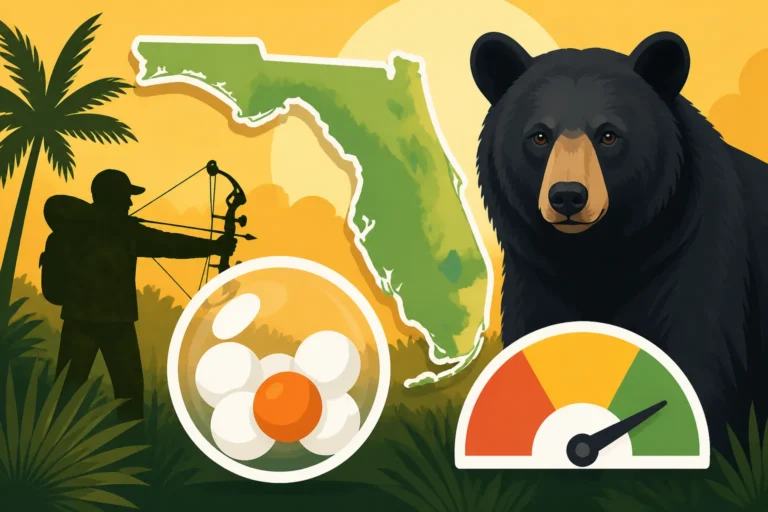
Hunter participation plays a dual role in the quota system. On one hand, the number of hunters who draw permits and head afield directly influences how quickly a quota is reached. If participation is very high, even a generous quota might be met in a matter of days. This is where Florida Bear Permit Lottery Odds come into play; fewer permits mean fewer hunters, potentially prolonging the season slightly, though the success rate per hunter might increase.
On the other hand, the FWC carefully monitors hunter participation and success rates from previous seasons to refine future quota allocations. If a zone consistently sees very low harvest rates despite a healthy population, the FWC might adjust its strategy. If, conversely, a quota is blown through unexpectedly fast, they might investigate the reasons and adjust future quotas or season structures accordingly. Hunter feedback and harvest data are invaluable inputs into this iterative management process. It truly is a collaborative effort between wildlife managers and the hunting community to ensure sustainable hunting opportunities.
Applying for a Bear Permit in a Quota System
Securing a bear permit in Florida is not guaranteed; it involves a lottery system, and success often hinges on understanding the application process and maximizing your chances.
The Application Process and Lottery
Given the limited number of tags available under the quota system, Florida employs a lottery system for bear permits. This means you apply during a specific window, and if demand exceeds the available permits for a particular BMU, a random drawing determines who receives a tag.
Here's a general overview of the process:
- Application Window: The FWC announces a specific application period, usually several months before the season opens. It's crucial to mark these dates on your calendar. You can typically apply online through the FWC’s licensing portal.
- Zone Selection: When applying, you'll specify which Bear Management Unit (BMU) you wish to hunt. This is a critical decision, as your odds can vary significantly between zones. Researching past success rates and hunter pressure in each zone, perhaps through GoHunt's data analytics, can help you make an informed choice.
- Application Fee: There's usually a non-refundable application fee, separate from the actual permit cost.
- The Draw: After the application window closes, the FWC conducts the lottery. Successful applicants are notified, and then they must purchase their bear permit (tag) by a specified deadline.
- Unfilled Quotas (Rare): In the rare event that a BMU's quota isn't filled by the initial lottery, the FWC might open a second application period or sell remaining permits on a first-come, first-served basis. However, for bear hunting, demand usually far outstrips supply.
For non-residents, permit costs are typically higher, and the odds can sometimes be even steeper. Staying on top of the Florida Bear Permit Application Window is key.
Tips for Securing a Permit
While the lottery is random, there are a few strategies and considerations that might indirectly improve your chances or, at the very least, ensure you're as prepared as possible:
- Apply Early: While it doesn't improve lottery odds, applying early ensures you don't miss the deadline due to a last-minute technical glitch or oversight.
- Research BMU Demand: Look at historical data on which BMUs receive the most applications versus the number of permits issued. Some zones might be less popular but still offer good hunting opportunities, potentially increasing your odds slightly. GoHunt often provides insights into these trends.
- Consider a Group Application: Some states allow group applications where if one person in the group draws, everyone draws. While Florida typically uses individual applications for bear, always check the current year's rules.
- Stay Informed: Follow FWC announcements closely. They're the ultimate authority on dates, rules, and any changes. Signing up for their email newsletters or following their social media channels can keep you in the loop.
- Have Backup Plans: Since drawing a bear permit is never a guarantee, it's wise to have backup hunting plans for other species or different zones if your primary choice doesn't pan out. Florida offers fantastic opportunities for Year-Round Hog Hunting in Florida or deer, so your season doesn't have to end if the bear draw isn't in your favor.
Remember, even with a permit in hand, the real challenge begins: ethically and successfully pursuing a bear within the confines of the established quota and limited Florida Bear Hunting Hours. It takes dedication, preparation, and respect for the animal and the management system that allows these incredible opportunities.
| Bear Management Unit (BMU) | Example Quota Range (Hypothetical) | Typical Bear Population | Key Characteristics for Hunters |
|---|---|---|---|
| Central (Ocala) | 50-70 | High Density | Diverse habitat, significant public land, can close quickly. |
| East Panhandle | 30-45 | Moderate-High | Mix of national forest and private land, good food sources. |
| Southwest (Big Cypress) | 15-25 | Moderate | Challenging terrain, airboat access often needed, lower hunter density. |
| North Central | 10-15 | Lower-Moderate | More fragmented habitat, often near agricultural areas. |
Note: The quota ranges provided in this table are purely hypothetical for illustrative purposes. Actual quotas are set annually by the FWC based on current scientific data.
Disclaimer
The information provided in this guide is for informational purposes only and is based on general knowledge of Florida's hunting regulations and wildlife management practices. Hunting regulations, season dates, and quotas are subject to change annually by the Florida Fish and Wildlife Conservation Commission (FWC). It is the sole responsibility of every hunter to consult the most current FWC regulations and proclamations before engaging in any hunting activity. Failure to do so could result in legal penalties.