Florida Alligator Season Closing Date
It can be incredibly frustrating to plan your Florida alligator hunt, only to realize you’re unsure of the exact closing date, especially when tags are so coveted and opportunities so specific. Missing that deadline means losing out on a chance you’ve worked hard for. This comprehensive guide is here to clarify Florida's alligator season closing dates, helping you plan your hunt with confidence and avoid any last-minute surprises.
Understanding Florida's Alligator Hunting Season Structure
Florida's alligator hunting program is a unique beast, unlike deer or turkey seasons that often have simpler, zone-based structures. The Florida Fish and Wildlife Conservation Commission (FWC) manages this program meticulously to ensure a sustainable harvest while offering ample opportunity to hunters. It's not just about one statewide date; it's about a series of phases and management units, each playing a role in the overall season.
Statewide Alligator Harvest Program
At its heart, the statewide alligator harvest program is designed to control alligator populations, minimize conflicts with humans, and provide a thrilling hunting experience. Permits are allocated through a lottery system, meaning that drawing a tag is often the first big hurdle. Each permit is tied to a specific "Harvest Unit" and a designated "Harvest Phase" within the statewide season. This system ensures that hunting pressure is distributed and that local populations aren't over-harvested in any one area. If you're looking into applying for one of these, understanding Florida's Statewide Alligator Permit Lottery is a crucial first step. The costs associated with these permits, including those for non-residents, can vary, and it's always good to be aware of the Florida Resident Alligator Permit Cost or Florida Nonresident Alligator Permit Cost before you apply.
Regional Management Units and Season Phases
Florida is a big state, and alligator populations aren't uniform. To account for these variations, the FWC has divided the state into numerous Alligator Harvest Units. These units are essentially geographical areas, ranging from vast lake systems like Lake Kissimmee to specific river stretches or even smaller public lands. Each unit has its own quota of alligators that can be harvested.
Compounding this, the statewide season is broken down into various "Harvest Phases." These phases are essentially time blocks within the overall season. For example, Phase I might run from August 15-22, Phase II from August 22-29, and so on. This staggered approach helps manage hunter numbers in specific units and spreads the harvest over several weeks. It's not uncommon for hunters to book a Booking a Guided Florida Alligator Hunt to navigate these complexities, especially for specific phases. Knowing Florida Alligator Season Opening Date is just half the battle; the closing date for your specific phase is equally, if not more, important.
Pinpointing the Florida Alligator Season Closing Date
The most common question I hear from folks is, "When does it actually close?" And while there's a general statewide end date, the reality for an individual hunter depends heavily on their specific permit. Let's break it down.
Standard Statewide Season Close
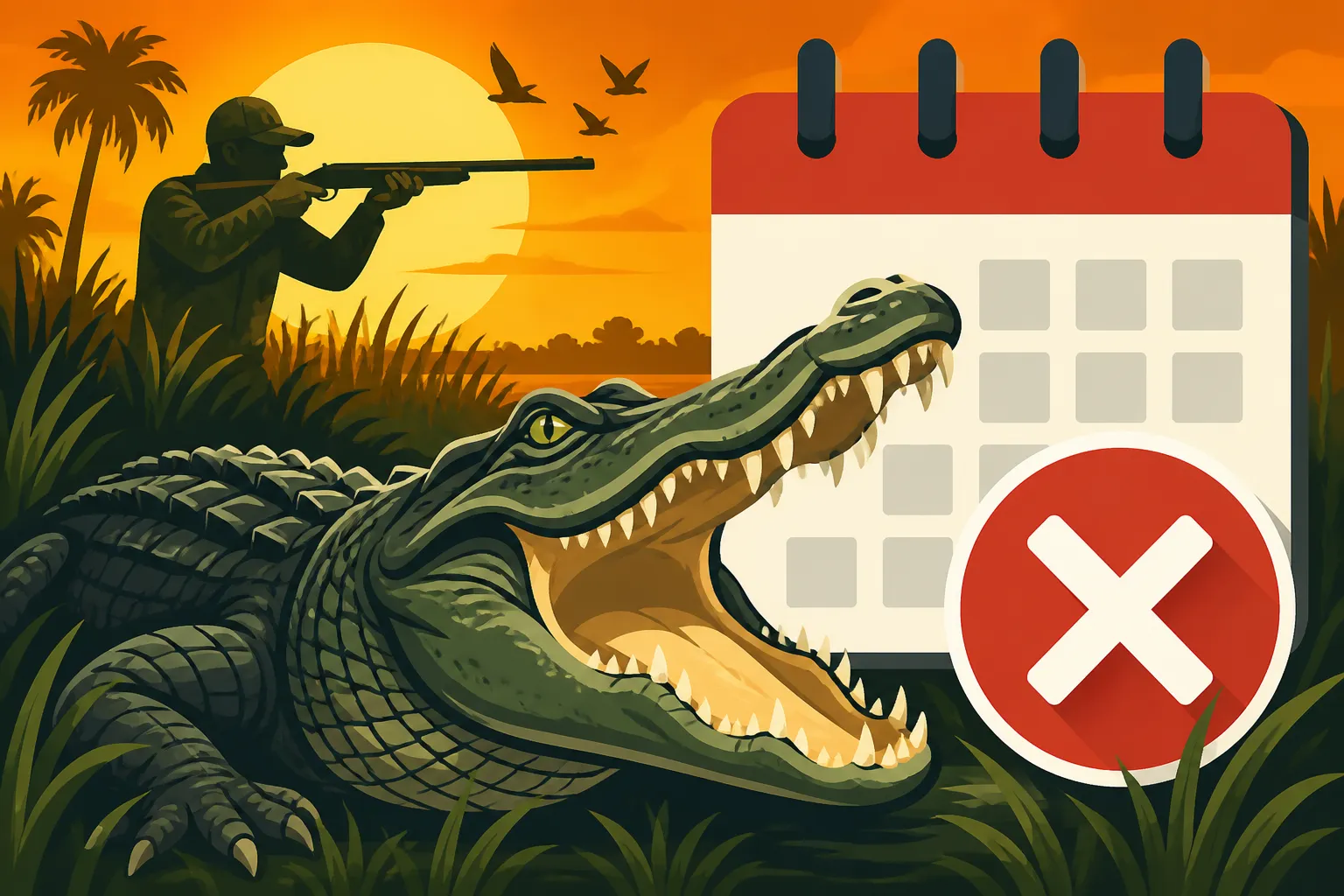
For most of the FWC's Statewide Alligator Harvest Program, the season typically runs from August 15th through November 1st. This means that if you draw a permit for a particular harvest unit and phase, your hunting window will fall within this larger timeframe. So, for many, the official Florida Alligator Season Closing Date is November 1st. However, this doesn't mean you can hunt until November 1st if your specific phase closes earlier. This overarching date is simply the final day any statewide permitted alligator hunting can occur.
Many hunters use tools like GoHunt's mapping features or their insights on season dates to keep track of these long windows. They can be invaluable for cross-referencing your permit details with the official FWC regulations, especially when you're dealing with multiple zones or specific waterbodies.
Variations for Specific Harvest Units
Here’s where it gets a little more nuanced. While November 1st is the grand finale for the statewide program, your individual permit will have a much shorter, defined window. For instance, if you drew a Phase I permit for the Lake Kissimmee Harvest Unit, your season might close on August 22nd. If you have a Phase IV permit for the St. Johns River, your season might close in late September.
It’s absolutely critical that you check the exact dates listed on your specific alligator harvest permit. This document is your ultimate authority. The FWC issues these permits with your assigned Harvest Unit number and the precise opening and closing dates for your specific phase. Don't rely on general knowledge or what your buddy’s permit says, because their unit or phase could be entirely different. The FWC has tested How Many Alligator Permits Florida Issues to ensure these specific units and phases remain viable.
Private Land Alligator Harvest
Hunting alligators on private land operates under a slightly different set of rules. While the general principle of sustainable harvest still applies, private landowners often have more flexibility. If you're hunting on private land, you'll need a different type of permit – usually a Resident Alligator Trapping License or a Nonresident Alligator Trapping License. These permits are typically not tied to the same specific harvest phases as the statewide public land lottery. Instead, they might allow for a longer, continuous season.
However, even on private land, there are limits. Alligators harvested still require a CITES tag for legal transport and processing. Make sure you understand Florida CITES Tag Requirements if you're taking an alligator on private property. While the closing date might be more flexible on private land, often extending through most of the year, it’s always best to confirm with the FWC or the private landowner specifically. The goal is always a regulated, legal harvest, regardless of where you're hunting.
What Happens if You Don't Harvest an Alligator by the Closing Date?
This is a scenario no hunter wants to face, especially when dealing with a permit as sought-after as an alligator tag. Life happens, conditions aren't always ideal, or sometimes, the gators just don't cooperate. Understanding the implications of an unfilled permit is important for future planning.
Unfilled Permits and Future Applications
If you hold a statewide alligator harvest permit and don't manage to harvest an alligator by your designated closing date (which, as we discussed, is typically much earlier than the November 1st statewide end date), that permit simply expires. There's no rollover, no second chances with that specific tag. It becomes null and void.
This can be a tough pill to swallow, especially given the effort and luck it takes to draw one of these permits. Many hunters, myself included, have had years where the stars just didn't align. The good news is that an unfilled permit doesn't negatively impact your ability to apply for future alligator seasons. You simply go back into the lottery pool the next year, just like everyone else. It's a fresh start. You can learn more about the application window itself by checking out Florida Alligator Application Period Dates. Remember, even if you strike out this year, there's always next season to try again!
The Importance of Planning and Time Management
Given the short windows for each harvest phase, impeccable planning and time management are paramount. You really can't procrastinate when you have an alligator tag in hand. Florida weather can be unpredictable, and if you only allot one weekend for your hunt, a major storm could wipe out your entire opportunity.
- Scout Ahead: Before your season even opens, spend time scouting your assigned harvest unit. Identify potential hunting spots, access points, and areas where alligators are active. Tools like GoHunt's satellite imagery and public land layers can be invaluable for virtual scouting from home. Knowing where you're going and what to expect is half the battle.
- Be Flexible: If your schedule allows, try to set aside multiple days or even weekends within your phase. This flexibility can be a game-changer if initial conditions are poor.
- Understand Alligator Behavior: As the season progresses towards cooler weather, alligator behavior can change. They might sun less, be less active at night, or move to deeper, warmer waters. Tailor your tactics accordingly. Understanding Hunting Alligators at Night Legally might give you more options.
- Consider a Guide: For many, especially those new to alligator hunting or those with limited time, hiring a reputable guide is a smart move. They know the units, the gator behavior, and can maximize your chances within your short window. They can also assist with specific harvest methods like Harvesting an Alligator With a Bang Stick and ensure all regulations are met.
Key Considerations for Successful Late-Season Alligator Hunting
As the Florida alligator season winds down towards that November 1st close, or even the earlier close of your specific phase, conditions can change significantly. The steamy August nights give way to cooler September and October evenings, and that affects everything from alligator activity to hunting strategies.
Weather and Alligator Behavior
Unlike the scorching heat of August when alligators are incredibly active, especially at night, the later months bring a noticeable shift. By late September and October, Florida can still be warm, but cold fronts become more frequent, dropping nighttime temperatures into the 60s or even 50s in some areas.
- Cooler Water, Less Surface Activity: Alligators are cold-blooded, and their metabolism slows down as water temperatures drop. You'll often see less surface activity, especially during the day. They might spend more time submerged or basking on sunny banks. This means that traditional spot-and-stalk tactics, especially by airboat or boat during the day, might become less productive.
- Daytime Basking Opportunities: On sunny, clear days after a cool night, alligators will often seek out warm spots to bask. Look for them on mud flats, sandy banks, or floating mats of vegetation. This can present unique opportunities for a stealthy approach if you're Stalking an Alligator on a Freshwater Lake.
- Night Hunting Adjustments: While night hunting is still productive, alligators might not be as eager to come to calls or sit as long. You might need to be more patient and cover more water, using powerful spotlights to locate eyes. This is where a detailed understanding of your hunting unit, perhaps gleaned from a platform like GoHunt that offers satellite imagery for identifying basking spots or deeper channels, becomes invaluable.
Equipment and Tactics for Cooler Water
Adjusting your gear and tactics for cooler, late-season conditions can make all the difference between an unfilled tag and a successful harvest.
- Spotlighting and Scanning: Continue to rely heavily on powerful spotlights for night hunting. Consider bringing a high-quality set of binoculars for scanning distant eyes, as gators might be more wary.
- Snaring and Harpooning: For alligators that are less active or not responding to calls, methods like snaring (using a weighted treble hook on a line) or harpooning become even more critical. These often require getting closer to the alligator, sometimes even slipping up on a basking animal or patiently waiting for one to surface near your boat. For those interested in alternative methods, Bowfishing for Florida Alligators can be an exciting challenge, though often more effective in warmer, shallower waters.
- Boat and Motor Considerations: Ensure your boat is well-maintained and capable of navigating potentially shallower waters if alligators are seeking out different areas. A quiet trolling motor can be a huge asset for stealthy approaches.
- Layered Clothing: Even in Florida, October and November nights can be chilly on the water. Dress in layers to stay comfortable throughout the night, from sunset to sunrise. This isn't just about comfort; being cold and miserable makes you less patient and less effective.
- Safety First: Always prioritize safety, especially when hunting at night or in unfamiliar territory. Let someone know your hunting plan, carry all necessary safety gear, and ensure your communication devices are charged. It's often debated, but learning how to effectively use grunt calls in a Florida oak hammock for deer can sometimes even overlap with observing other wildlife patterns, though not directly applicable to gators, it reinforces the principle of understanding an animal's environment.
| Harvest Program/Permit Type | General Season Dates | Key Considerations |
|---|---|---|
| Statewide Alligator Harvest Program | August 15 – November 1 | Specific Harvest Unit & Phase dates on permit are CRITICAL. Your individual season will be a shorter window within this timeframe. |
| Private Land Alligator Harvest | Varies, often longer | Requires specific private land permits/licenses; generally more flexible but still regulated. Always confirm with FWC or landowner. |
| Youth Alligator Hunt | Dates vary annually | Specific dates for youth hunters, usually early in the season. |
Understanding these closing dates and adjusting your strategy accordingly will significantly increase your odds of a successful Florida alligator hunt. Don't let a missed deadline be the reason you go home empty-handed!
Disclaimer
Please note that hunting regulations, season dates, and permit requirements in Florida are subject to change. Always consult the most current regulations published by the Florida Fish and Wildlife Conservation Commission (FWC) before planning or participating in any hunting activity. This guide is for informational purposes only and should not be considered legal advice or a substitute for official FWC documentation.