Florida Wildlife Violation Penalties
There's nothing quite like the thrill of a successful hunt in Florida, whether it's the roar of an Osceola gobbler or the quiet satisfaction of a well-placed shot on a deer. But that excitement can quickly turn to dread if you accidentally stray into a legal gray area, or worse, commit a wildlife violation. The fear of getting caught, facing hefty fines, or even losing your hunting privileges is a real concern for many, and this guide is here to demystify Florida's wildlife violation penalties, helping you stay informed, legal, and stress-free on your next outdoor adventure.
Understanding Florida's Wildlife Violation Classifications
When you're out enjoying Florida's wild spaces, it's easy to think of rules as just "rules." But in the eyes of the law, not all violations are created equal. The penalties you face will largely depend on how the offense is classified, and understanding these distinctions is the first step in appreciating the seriousness of our wildlife laws. It’s not just about getting a ticket; it can impact your life in significant ways.
Misdemeanors Versus Felonies in Hunting Offenses
In Florida, most minor hunting infractions are classified as misdemeanors. Think of things like not having your license on you, or a slight overage on a bag limit. These are still serious, carrying potential fines and even jail time, but they're typically less severe than felonies. A second-degree misdemeanor might carry a maximum of 60 days in jail and a $500 fine, while a first-degree misdemeanor could mean up to a year in jail and a $1,000 fine.
However, some violations can quickly escalate to felony status, especially if they involve significant illegal take, commercialization of wildlife, or repeated offenses. For instance, trafficking in illegally harvested game, certain serious acts of trespassing, or causing significant harm to protected species can cross that line. Felonies are no joke; they involve state prison time, much larger fines, and a criminal record that can affect your employment, your right to own firearms, and your ability to hunt in the future. Imagine facing a third-degree felony for something like poaching a trophy animal with intent to sell it. That could mean up to five years in prison and a $5,000 fine. It's a stark reminder that what happens in the woods doesn't always stay in the woods.
Criminal Versus Civil Penalties and Administrative Actions
Beyond the criminal classifications, Florida's wildlife enforcement also involves civil penalties and administrative actions, which can really sting your wallet and your hunting career. A criminal charge goes through the court system and can result in fines, probation, or jail. But even if you avoid criminal conviction, you might still face civil restitution. This means you have to pay the state for the value of the illegally taken animal. For instance, the restitution for an illegally taken deer might be a few hundred dollars, but for a trophy buck or an alligator, it can easily climb into the thousands. This is separate from any criminal fine and is intended to compensate the state for the loss of wildlife resources.
Then there are the administrative actions, primarily handled by the Florida Fish and Wildlife Conservation Commission (FWC). These often involve the suspension or revocation of your hunting and fishing licenses. Even a minor violation can lead to a temporary suspension, while more serious or repeat offenses can result in multi-year or even permanent revocations. If you’re caught hunting during a suspension, that’s another serious offense. The FWC also maintains a database, and information on your violations can be shared with other states through agreements like the Interstate Wildlife Violator Compact, meaning a violation in Florida could cost you your hunting privileges back home, too. It’s a network that ensures accountability across state lines, preventing offenders from simply moving elsewhere to hunt.
The Role of the Florida Fish and Wildlife Conservation Commission
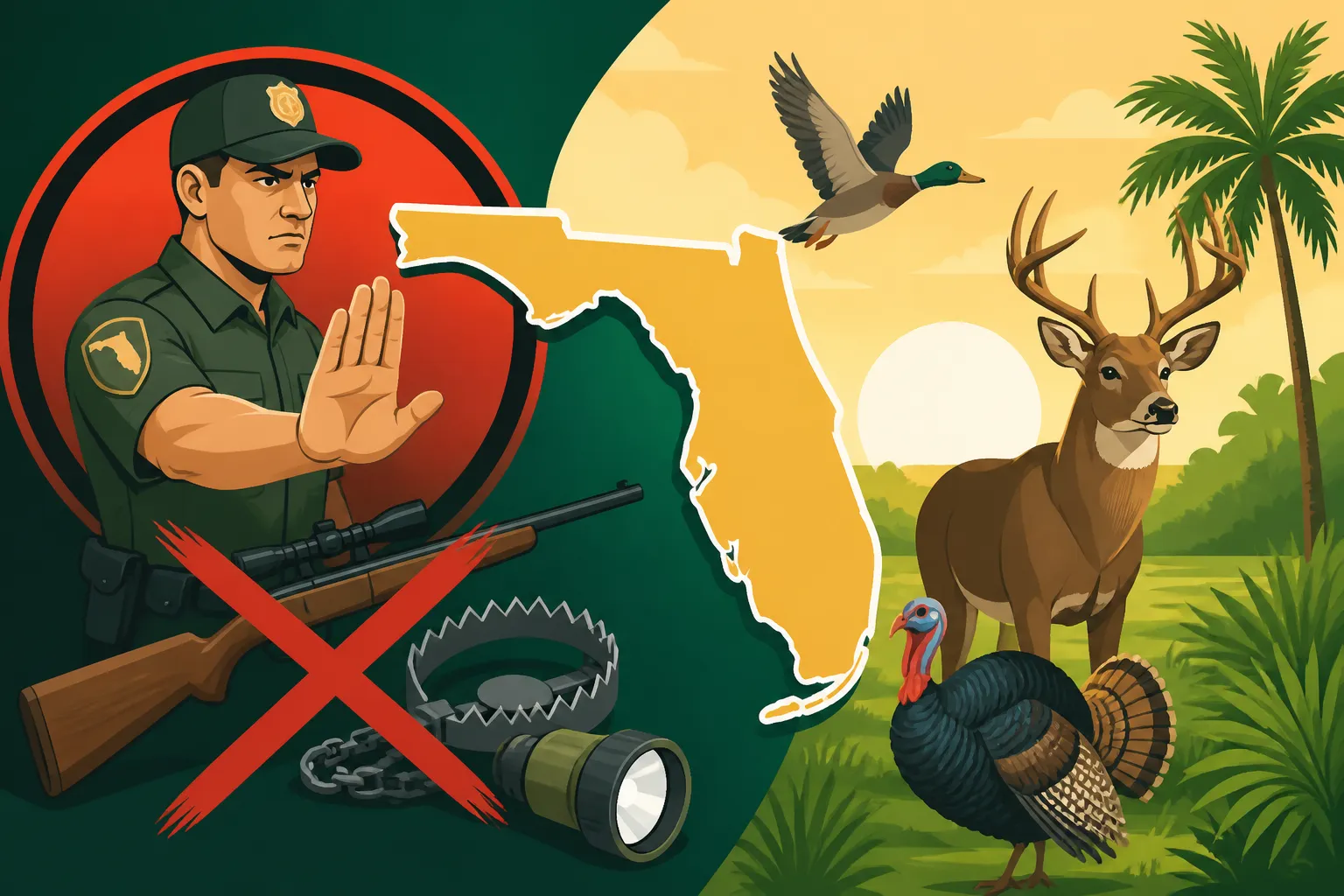
The FWC is the primary agency responsible for enforcing Florida's wildlife laws, and they do not take violations lightly. Their law enforcement officers, often referred to as "game wardens," are fully sworn state law enforcement officers with the authority to make arrests, issue citations, and conduct investigations. They patrol public lands, inspect hunter camps, check licenses, and respond to calls from concerned citizens. These officers are often experts in local wildlife and hunting practices, making them incredibly effective at spotting illegal activity.
Their role extends beyond just enforcement. They also act as educators, informing hunters about regulations and promoting ethical practices. However, when a violation occurs, they are the ones who gather evidence, write reports, and initiate the legal process. They work closely with state attorneys to ensure that cases are prosecuted effectively. Understanding their authority and the dedication they have to protecting Florida's natural resources underscores why it’s so important for hunters to be knowledgeable and compliant with all regulations. Their presence is a constant reminder that responsible hunting is a shared responsibility, and ignorance of the law is never an excuse.
Common Hunting Violations and Their Repercussions
It’s easy to get caught up in the excitement of the hunt and overlook a detail, but those details are precisely what can lead to significant trouble. Many violations stem from simple misunderstandings or a lack of attention to current regulations. The consequences can range from minor annoyances to life-altering legal battles, impacting your ability to enjoy the outdoors for years to come.
License and Permit-Related Issues
One of the most frequent violations encountered by FWC officers involves hunters not possessing the correct licenses or permits. It sounds basic, but in the field, things can get confusing. You might have your base hunting license, but forgot a specific management area permit or a migratory bird stamp. For example, a basic Florida Hunting Licenses and What They Cost might be in your pocket, but if you’re heading to a Wildlife Management Area (WMA), you’ll likely need a Florida WMA Management Area Permit.
Beyond simply having the right paperwork, it’s crucial to ensure your licenses are valid for the current season and your specific activity. Forgetting to renew your license or hunting during a suspension are common pitfalls. You also need to confirm you have the proper permits for the species you’re pursuing, especially for regulated game like turkeys or alligators, which often require additional tags or permits. Getting caught without the necessary documentation, or with an expired one, is typically a second-degree misdemeanor, leading to fines and court costs. While it might seem minor, it can quickly escalate if there are other violations involved, or if you're a repeat offender. Always double-check your GoHunt app or physical permits before heading afield.
Bag Limit and Season Violations
This category is where many hunters, especially those new to Florida’s diverse regulations, can inadvertently make mistakes. Florida has very specific bag limits for different species, which can vary by zone, season, or even WMA. Exceeding the daily or annual bag limit for deer, turkeys, or even ducks is a serious offense. For instance, the statewide daily bag limit for deer is two, but some specific WMAs might have even stricter limits. The same goes for turkeys; while two per spring season might be common, some areas may have only one.
Hunting outside of legal season dates is another major issue. Florida has four deer zones (A, B, C, D), each with its own unique season openers and closers. What's legal in Florida Zone A Season Dates might be completely illegal in Florida Zone B Season Dates. Accidentally hunting deer a day before the season opens or a day after it closes, or harvesting a gobbler during the fall season in an area only open in spring, constitutes a violation. These offenses are usually first-degree misdemeanors, carrying higher fines and potentially jail time, along with civil restitution for the illegally taken game. The FWC has a zero-tolerance policy for poaching out of season, as it directly impacts wildlife populations.
Illegal Methods and Means
The "how" you hunt is just as important as the "what" and "when." Florida law prohibits various hunting methods and equipment to ensure fair chase and safety. Using an illegal weapon for a specific season is a prime example. While Florida Legal Firearms for Deer Hunting includes rifles and shotguns, you can't use them during archery-only season. Conversely, while crossbows are allowed during the archery season, not all states permit them. Always check Florida Crossbow Equipment Requirements. Night hunting for deer or turkeys is strictly forbidden and carries severe penalties. However, for nuisance animals like feral hogs, Night Hunting Hogs With Lights in Florida is often permitted on private land, but you must know the specific rules.
Other prohibited methods include hunting from a moving vehicle (except for certain specific circumstances like disabled hunter permits), using bait where it's not allowed, or employing artificial light to locate or take game (headlamps are generally fine for walking in and out, but not for spotting game). The penalties for these types of violations can be significant, often classified as first-degree misdemeanors or even felonies depending on the severity and intent, and can also lead to the forfeiture of your hunting equipment, including your firearms, vehicle, or ATV. This loss of personal property can be incredibly costly, adding a huge financial burden to any legal fines.
Trespassing and Property Violations
Florida has strict laws regarding property rights, and hunting on private land without permission is a serious offense. It’s not just rude; it’s against the law. What Florida Trespass Law Requires states that you must have landowner permission, and it's always best to get it in writing. Even if you don't intend to hunt, simply entering private land to retrieve game without permission is considered trespassing.
This can be a tricky area, especially on public land that borders private holdings. Hunters sometimes inadvertently cross property lines, particularly in dense Florida scrub or swamp where boundaries aren't always clear. Using mapping tools like GoHunt or onX Hunt can be invaluable for pinpointing property lines and preventing accidental trespass. If you are caught trespassing, you could face criminal charges, ranging from a misdemeanor to a felony depending on the circumstances, and you could also face civil lawsuits from the landowner. Knowing how to secure permission, even if it's just Asking a Florida Landowner for Permission for a quick game retrieval, is crucial for avoiding these issues.
Wanton Waste and Failure to Retrieve
Ethical hunting dictates that you make every reasonable effort to retrieve any game you shoot. Florida law backs this up with statutes against "wanton waste." This means intentionally or negligently failing to take all edible portions of game into your possession, or failing to make a reasonable effort to retrieve a wounded animal. Nobody wants to lose an animal, and sometimes despite our best efforts, it happens. However, simply giving up after a cursory search or leaving behind edible meat from a successfully harvested animal can land you in hot water.
This violation often comes into play when a hunter shoots an animal, then decides it’s too much trouble to track or haul out, especially in Florida’s challenging terrain like cypress sloughs or palmetto heads. FWC officers take these cases seriously, as they reflect poorly on the entire hunting community and waste valuable natural resources. Penalties for wanton waste are typically first-degree misdemeanors, again with potential fines and license implications. It's a reminder that the responsibility of a hunter extends far beyond pulling the trigger; it includes respecting the animal and utilizing its resources.
The Financial and Legal Ramifications of Wildlife Violations
Getting busted for a wildlife violation isn't just about a slap on the wrist. The consequences can ripple through your life, affecting your finances, your freedom, and your ability to enjoy the very outdoor pursuits you cherish. These aren't just obscure legal concepts; they're very real penalties that can hit hard.
Fines, Court Costs, and Restitution
The immediate financial hit from a wildlife violation can be substantial. Fines for misdemeanors can range from hundreds to thousands of dollars, often accompanied by mandatory court costs and administrative fees that tack on extra expenses. For instance, a first-degree misdemeanor could come with a base fine of up to $1,000, but with court costs and surcharges, you might be looking at significantly more out of pocket.
Beyond fines, Florida employs a restitution program where individuals convicted of illegally taking certain game animals must pay the state a specific amount for the value of that animal. This is a civil penalty separate from any criminal fine. For an illegally taken deer, for example, the restitution might be $500. However, for a trophy white-tailed deer, that amount can jump to several thousand dollars. Alligator restitution can be even higher, depending on the size of the animal, potentially reaching into the tens of thousands. This system is designed to compensate the public for the loss of wildlife, and it acts as a powerful deterrent. Imagine the stress of facing a criminal fine and a massive restitution bill for a mistake made in the field.
Jail Time and Probation
While not every violation leads to jail time, it’s a very real possibility, especially for more serious offenses, repeat offenders, or those who commit felonies. A first-degree misdemeanor, as mentioned, can carry up to a year in county jail. Felony wildlife violations, such as commercial poaching or aggravated littering that harms wildlife, can result in state prison sentences of multiple years.
Even if you avoid jail, you might be placed on probation. This means you'll have to regularly check in with a probation officer, adhere to specific conditions (like not hunting, performing community service, or paying fines), and potentially face random drug tests. Violating probation can lead directly to jail time for the original offense. These are not minor inconveniences; they are serious infringements on your freedom and can disrupt your personal and professional life significantly.
License Suspension, Revocation, and Forfeiture of Equipment
This is often the most painful penalty for a dedicated hunter. The FWC has the authority to suspend or permanently revoke your hunting, fishing, and trapping licenses for various violations. Even a minor offense can result in a short suspension, while more severe or repeated infractions can lead to multi-year or even permanent bans. If you’re a nonresident, this can be particularly devastating, cutting off your access to Florida’s unique hunting opportunities.
The implications don't stop at Florida’s borders. Florida is part of the Interstate Wildlife Violator Compact, an agreement among most states that allows wildlife agencies to recognize and enforce each other's license suspensions. So, if your Florida hunting license is suspended for a year, you’re likely suspended in dozens of other states as well. This means your passion for hunting could be put on hold nationwide.
In addition to losing your licenses, law enforcement can seize and forfeit equipment used in the commission of a serious wildlife crime. This can include your firearms, bows, vehicles, boats, ATVs, and even hunting dogs. Imagine losing your prized shotgun or the truck you use for all your hunting trips, simply because it was involved in an illegal act. This forfeiture is a significant financial blow and a reminder of the serious nature of these laws.
Impact on Future Hunting Privileges
Beyond direct license suspensions, a wildlife violation can have a lasting negative impact on your hunting opportunities. Many states (including Florida) ask about past wildlife violations when you apply for licenses or special permits. A conviction can make it difficult, if not impossible, to draw coveted quota permits or participate in certain specialized hunts.
Furthermore, a criminal record, particularly a felony, can impact your ability to own firearms. Federal law prohibits convicted felons from possessing firearms, and certain state laws extend this to some serious misdemeanors. For many hunters, losing the right to bear arms is an unthinkable consequence, underscoring the importance of staying on the right side of the law at all times. This isn't just about a "ticket"; it's about preserving your fundamental rights and your access to the traditions you value.
Avoiding Violations Through Knowledge and Diligence
The best defense against wildlife violation penalties is a good offense—meaning thorough preparation and unwavering commitment to ethical and legal hunting. It's about being proactive and making sure you're not just following the letter of the law, but also its spirit.
Know Before You Go: The Ultimate Rule
The single most important piece of advice for any hunter in Florida is to thoroughly "know before you go." This means dedicating time before your hunt to meticulously review the current FWC hunting regulations. The FWC publishes a new rulebook annually, often available both in print and digitally on their website. Things change, and what was legal last year might not be this year.
Don't just skim it; read it. Pay close attention to the specific regulations for the game species you're pursuing, the county or WMA you'll be hunting in, and the specific dates and times of the season. For example, knowing the nuances of why Florida's Deer Seasons Vary So Much by Zone can save you a lot of heartache. Check all season dates, bag limits, legal methods of take, and any special WMA rules. Many WMAs have unique rules regarding vehicle access, camping, and even caliber restrictions. It's your responsibility to be informed, and claiming ignorance won't hold up in court. Make it a habit to look up the FWC regulations online or through their app every time you plan a trip, even if it's to a familiar spot.
Double-Check Your Licenses, Tags, and Permits
Before you even load your gear into the truck, take a moment to perform a thorough "license check." Are all your required Florida Resident License Options up to date? Do you have your Florida Migratory Bird Certification if you're hunting ducks or doves? If you're hunting an alligator or bear, do you have your specific CITES tag or permit in hand?
It’s not enough to simply purchase them; you need to have physical or digital proof of them on your person while hunting. The FWC's GoHunt app is a fantastic tool for this, allowing you to carry digital copies of all your licenses on your smartphone, accessible even without cell service. However, always have a backup plan, like a screenshot or a printed copy, just in case your phone dies or gets lost. Imagine you're deep in the swamp, and an FWC officer asks for your license, and your phone just decided to die. Always have that backup. Being caught without proof of your valid license or permit, even if you paid for it, is still a violation.
Utilize Mapping Tools and Scout Thoroughly
In Florida, where property lines can be obscured by dense vegetation and public land often abuts private holdings, accidental trespass is a real danger. This is where modern technology becomes your best friend. Apps like GoHunt, onX Hunt, and others offer detailed satellite imagery overlaid with property ownership maps, clearly showing public and private land boundaries, as well as specific WMA boundaries.
Before your hunt, spend time "scouting" these maps digitally. Mark out your intended hunting areas, entry routes, and potential bedding or feeding areas, paying close attention to any nearby private property. Use the GPS function in the field to confirm your location relative to these boundaries. Beyond digital scouting, nothing beats boots on the ground. Physically scout the area, looking for boundary markers, fences, or signs that indicate private land. Understanding your surroundings and where to hang a camera on a sand road will significantly reduce your risk of unknowingly trespassing. A few minutes of prep can save you thousands of dollars and endless legal headaches.
When in Doubt, Ask: The FWC Is Your Resource
No one expects you to be a legal expert, and sometimes, the regulations can be genuinely confusing. Rather than guessing and potentially making a costly mistake, reach out to the FWC directly. They have regional offices and a dedicated helpline where you can ask specific questions about regulations.
It's far better to make a phone call or send an email before your hunt than to explain your error to a game warden in the field. FWC officers would much rather answer a hundred questions from concerned hunters than deal with a single preventable violation. They are there to protect the resource, and part of that is ensuring hunters understand and comply with the rules. Don't rely on "what a buddy said" or outdated forum posts. Go straight to the source for accurate, up-to-date information.
Embrace Ethical Hunting Practices Beyond the Letter of the Law
Finally, avoiding violations isn't just about sticking to the rules; it's about embodying the principles of ethical hunting. This includes fair chase, respect for wildlife, land, and other hunters. Ethical hunters are less likely to bend rules or take chances that could lead to violations. They understand that their actions reflect on the entire hunting community.
Part of this involves always striving for clean, humane kills and making every effort to recover wounded game, even if it means Tracking a Deer in Sandy Florida Soil or Blood Trailing After Dark in Florida. It means respecting bag limits and season dates because you understand their purpose in conservation, not just because you fear a ticket. It also means educating newer hunters on proper conduct, helping them avoid common pitfalls. By cultivating a strong ethical foundation, you naturally minimize your risk of running afoul of the law, ensuring your Florida hunting experiences remain positive and sustainable.
Summary of Florida Wildlife Penalties
| Violation Category | Examples | Common Penalty Range (General) | Potential Additional Consequences |
|---|---|---|---|
| License/Permit Issues | Hunting without valid license/permit, expired tags | Second-degree misdemeanor (up to 60 days jail, $500 fine) | License suspension, court costs |
| Bag Limit/Season Violations | Exceeding daily/annual limit, hunting out of season | First-degree misdemeanor (up to 1 year jail, $1,000 fine) | License suspension/revocation, civil restitution for game, court costs |
| Illegal Methods/Means | Using prohibited weapons, night hunting, hunting from vehicle | First-degree misdemeanor to felony (jail/prison, up to $5,000+ fine) | License suspension/revocation, forfeiture of equipment, court costs |
| Trespassing | Hunting on private land without permission | Second-degree misdemeanor to felony (jail/prison, fines up to $5,000+) | Civil lawsuits from landowner, license suspension, court costs |
| Wanton Waste | Failing to retrieve game, leaving edible portions | First-degree misdemeanor (up to 1 year jail, $1,000 fine) | License suspension, civil restitution, court costs |
| Felony Offenses | Commercial poaching, aggravated trespass, trafficking illegal game | Third-degree felony (up to 5 years prison, $5,000 fine) | Permanent license revocation, firearm prohibition, major restitution |
Disclaimer
The information provided in this guide is for general informational purposes only and does not constitute legal advice. Hunting regulations in Florida are complex and subject to change. Always consult the official Florida Fish and Wildlife Conservation Commission (FWC) regulations handbook, their website, or contact FWC directly for the most current and accurate legal information regarding hunting seasons, licenses, and specific laws. We are not lawyers, and this guide should not be used as a substitute for professional legal counsel.