Florida Squirrel Season Dates
It’s a common frustration for hunters in Florida: you want to hit the woods, but trying to pin down exact season dates for different game can feel like a labyrinth, especially when you're looking for something specific like squirrel hunting. Deer and turkey seasons get all the fanfare and detailed breakdowns, but small game often feels like an afterthought in the official guides, leaving many of us scratching our heads. This guide is here to clear up all that confusion, giving you a comprehensive, no-nonsense look at Florida's squirrel season dates and everything you need to know to enjoy this fantastic small game opportunity.
Understanding Florida's Squirrel Season Dates
Hunting squirrels in Florida might seem straightforward, but just like with many other game species in our diverse state, the rules can vary depending on where you plan to hunt. While there's a generous statewide framework, the real nuances come into play when you consider specific wildlife management areas (WMAs) and the distinct regulations for different squirrel species. It's not a one-size-fits-all scenario, and getting it wrong can lead to disappointment or, worse, a violation.
Statewide General Season for Gray Squirrels
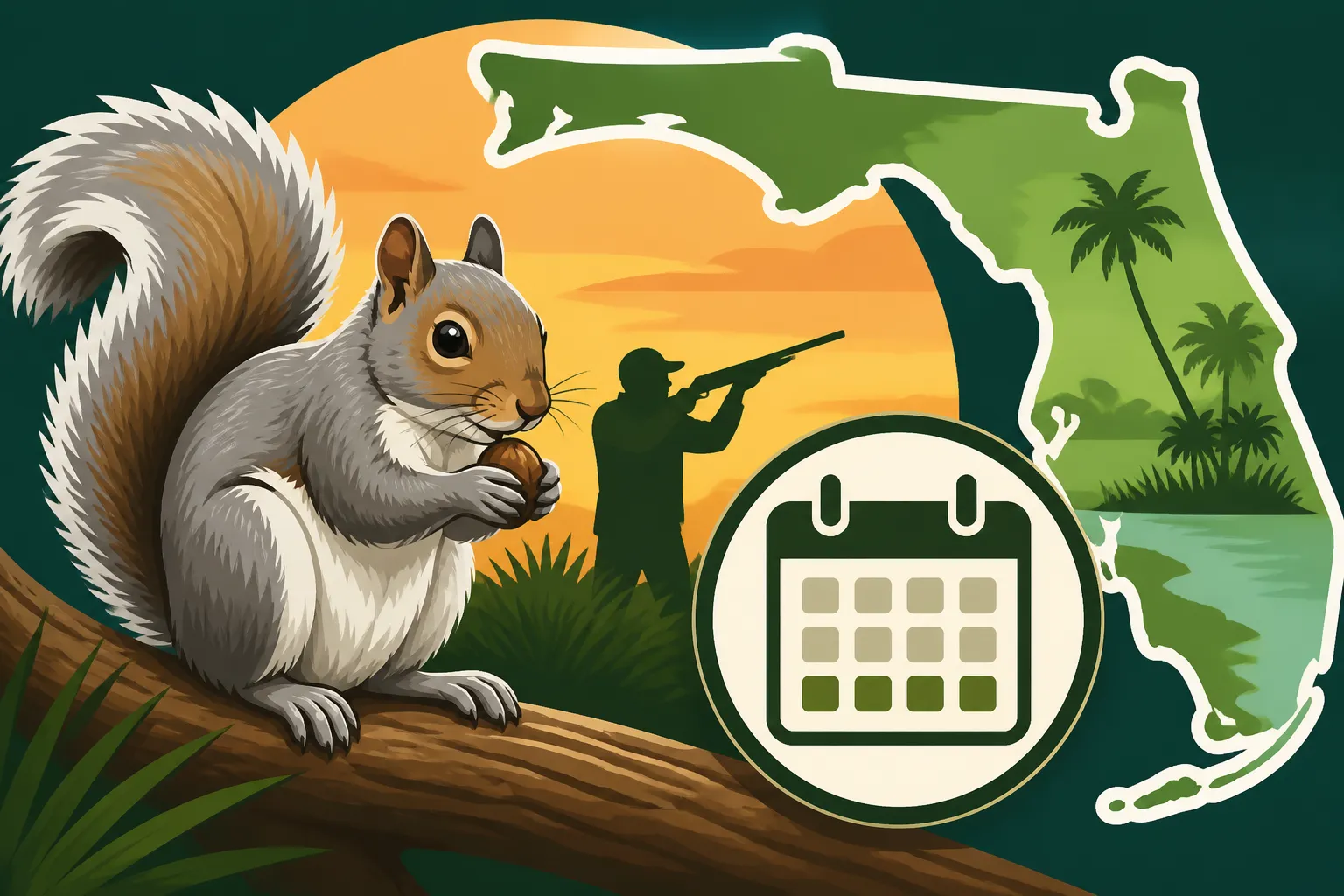
For the vast majority of squirrel hunters, the main target is the gray squirrel, a nimble and plentiful critter found throughout Florida's wooded areas. The good news is that the statewide general season for gray squirrels is typically quite long, offering ample opportunities for both seasoned hunters and those just starting out. Historically, this season runs from early October all the way through early March, allowing for hunting during the cooler fall and winter months. This extended window is fantastic because it means you can often combine a squirrel hunt with other pursuits or simply enjoy a quiet day in the woods when other seasons are closed or drawing down.
During this general season, the bag limit is usually generous, often set at 12 gray squirrels per person, per day. This allows for plenty of action and a good haul for the supper table if you're a decent shot. However, it's crucial to remember that these dates and limits apply to lands not designated as Wildlife Management Areas (WMAs), national forests, or state forests with specific management prescriptions. This is where many hunters get tripped up, assuming "statewide" means everywhere. Always consider checking the current regulations for the specific year you plan to hunt, as dates can shift slightly. You can find up-to-date information on the Florida Fish and Wildlife Conservation Commission (FWC) website, which should always be your first stop.
Wildlife Management Area Specific Seasons
Now, here's where things get a bit more intricate and where that initial frustration about conflicting information often stems from. Florida's Wildlife Management Areas, which offer vast tracts of public hunting land, often operate under their own sets of rules that diverge from the statewide general seasons. These variations are put in place for specific management goals, to balance hunting pressure, or to align with other game seasons on that particular WMA.
For example, a WMA might have a shorter squirrel season that runs concurrent with its general gun deer season, or it might have specific days open only for small game. Some WMAs might even close entirely for short periods, or have different opening and closing dates for squirrels than the statewide calendar. This means that while you might be legally hunting squirrels on private land on a given Tuesday, that very same day could be closed on a nearby WMA. This is why a simple "Florida squirrel season dates" search isn't enough; you absolutely must look up the specific WMA regulations for your intended hunting spot. The FWC's WMA hunt calendars are indispensable for this, and digital scouting platforms like GoHunt can often help you identify WMA boundaries and regulations quickly. Don't forget, hunting on most WMAs also requires a separate Florida WMA Management Area Permit Cost, in addition to your regular hunting license.
Fox Squirrel Special Regulations
Beyond the common gray squirrel, Florida is also home to two subspecies of fox squirrels: the Sherman's fox squirrel and the Big Cypress fox squirrel. These aren't your typical backyard squirrels; they're significantly larger, often more brightly colored, and unfortunately, their populations aren't as robust as their gray cousins. This distinction is critically important because fox squirrels are generally protected in Florida, with no open hunting season statewide.
Yes, you read that right. While you can hunt gray squirrels for months on end, targeting a fox squirrel is almost universally illegal. The FWC has taken steps to protect these magnificent animals due to habitat loss and population declines in certain areas. This is a vital regulation to be aware of because mistaking a fox squirrel for a gray squirrel can lead to serious legal consequences. Fox squirrels are unmistakable once you've seen one – they are often twice the size of a gray squirrel, with distinctive color patterns ranging from black faces and white noses to reddish-brown bodies with black markings. Always be certain of your target before pulling the trigger. Understanding the key differences between Gray Versus Fox Squirrels in Florida is paramount for responsible hunting.
Why Florida Squirrel Hunting is a Unique Experience
While not as glamorous as chasing a trophy buck or an Osceola gobbler, squirrel hunting in Florida offers a fantastic, accessible, and deeply rewarding experience. It's an excellent way to hone your hunting skills, introduce new hunters to the field, and simply enjoy the peace and challenge of the woods.
More Than Just a Small Game Hunt
Many hunters view squirrel hunting as an entry-level pursuit, and in some ways, it is. But to truly be successful, it demands a sharp eye, stealth, patience, and a good understanding of squirrel behavior and habitat. It's a fantastic way to sharpen those core hunting skills that transfer to larger game. You learn how to move quietly through the woods, how to spot subtle movement in thick cover, and how to read the landscape for food sources and escape routes.
For new hunters, especially youth, squirrel hunting is ideal. The action is often consistent, reducing the chances of boredom, and the stakes are lower than deer hunting. It teaches ethics, gun safety, and field dressing in a controlled environment. Plus, there's the delicious reward at the end: fried squirrel is a classic for a reason. Taking a young hunter out for their first squirrel hunt is a memory that lasts a lifetime and often sparks a lifelong passion for the outdoors. If you're looking to get started, checking out the Florida Hunter Education Requirements is a great first step.
Accessible and Extended Opportunities
One of the greatest advantages of squirrel hunting in Florida is its accessibility. Unlike big game seasons that might be limited to a few weeks or require drawing a specific quota permit, the general gray squirrel season spans several months. This flexibility means you don't have to plan your entire year around a single short window. You can fit in a morning hunt before work, an afternoon excursion on a weekend, or dedicate an entire day to it.
Furthermore, squirrels are found in diverse habitats across the state, from the sprawling public lands to smaller private woodlots, making it easier to find a place to hunt. This extended season is particularly appealing during the late fall and winter when the weather is cooler and more pleasant for being in the woods. It's a perfect way to stay engaged in hunting during times when other options might be more limited.
Season Overview Table
To give you a clearer picture of the general season dates, here’s a quick overview. Remember, this is for gray squirrels on non-WMA lands. Always consult the FWC website for the most current and specific regulations for any area you plan to hunt.
| Category | Game Species | General Season Dates (Approx.) | Daily Bag Limit | Notes |
|---|---|---|---|---|
| Statewide | Gray Squirrel | Early Oct. – Early March | 12 | Excludes WMAs, National Forests, State Forests with specific rules. |
| WMAs (Varies) | Gray Squirrel | Check specific WMA regulations | Varies | Requires WMA permit; dates often differ from statewide. |
| Statewide | Fox Squirrel | No open season | 0 | Protected species, illegal to harvest. |
This table serves as a handy reference, but I can't stress enough how important it is to check the FWC's official publications for the precise year you're hunting, especially for WMA details.
Essential Gear and Regulations for Florida Squirrels
Before you head out to the woods, whether it's a bustling WMA or a quiet corner of private land, it's crucial to be prepared with the right gear and a solid understanding of all the relevant regulations. This isn't just about safety; it's about ensuring a legal, ethical, and ultimately successful hunt.
Licensing and Hunter Education Requirements
First things first: you absolutely need a valid Florida hunting license. For residents, this usually means a Florida Resident License Options, which covers a range of small game. Non-residents also have options, often for a daily or annual fee. Don't leave home without it, and ensure it's current. You can typically purchase licenses online through the FWC website, at tax collectors' offices, or from authorized license agents.
In addition to your license, anyone born after May 31, 1975, must complete a state-approved Florida Hunter Education Requirements course before they can hunt unsupervised. This course covers vital topics like firearm safety, wildlife identification, hunting ethics, and regulations. It’s a foundational step for responsible hunting, and even if you're exempt, a refresher never hurts. For those just starting out, Florida also has an Apprentice Hunter License program, which allows individuals to hunt under the supervision of a licensed adult without first completing hunter education for a limited period.
Weapon Choices for Squirrels
The beauty of squirrel hunting is that you have a few excellent options when it comes to firearms, each offering a different challenge and experience.
- Rimfire Rifles (.22LR or .17HMR): These are arguably the most popular and effective choices for squirrel hunting. A .22LR rifle is quiet, accurate, and its small bullet is perfect for headshots, preserving meat. The .17HMR offers a flatter trajectory for slightly longer shots, though it can be a bit more destructive to meat. When choosing a rimfire, accuracy is key, so practicing at the range is essential. These rifles are perfect for still-hunting or sitting quietly, picking off squirrels as they appear.
- Shotguns (20 gauge or .410 bore): If you prefer a more active hunt or anticipate running shots, a shotgun can be very effective. A 20-gauge with light game loads (like #6 shot) provides a good pattern and sufficient knockdown power without being overkill. A .410 bore is lighter and great for younger hunters but requires more precise aiming due to its smaller pattern. Shotguns are especially useful when squirrels are moving quickly through the canopy.
- Air Rifles: Modern, high-powered air rifles, particularly in .22 or .25 caliber, have become increasingly popular for small game like squirrels. They are incredibly quiet, making them ideal for hunting in areas where noise might be a concern or for not disturbing other game. They offer a unique challenge and are highly effective within their effective range.
- Archery: While less common, some dedicated archers enjoy the challenge of hunting squirrels with a bow. It requires extreme stealth and close-range precision, making for an incredibly rewarding hunt if successful.
Regardless of your weapon choice, safety should always be your top priority. Always know your target and what's beyond it, especially when shooting into trees where a bullet could travel a significant distance.
Bag Limits and Other Legalities
As mentioned earlier, the statewide daily bag limit for gray squirrels is typically 12. However, this is one of those regulations that can be drastically different on WMAs, where limits might be lower or combined with other small game species. Always confirm the specific WMA regulations for your hunt.
Beyond bag limits, there are other important legalities to keep in mind:
- Hunting Hours: Generally, small game hunting is permitted from a half-hour before sunrise to a half-hour after sunset. However, certain WMAs or special hunts might have different Florida Public Land Hunting Hours.
- Methods of Take: Be aware of any restrictions on methods of take. For example, baiting for squirrels is generally not allowed, and the use of dogs might be restricted in certain areas or during specific periods.
- Private Land Permission: If you're hunting on private land, you must have permission from the landowner. It's best to get this in writing to avoid any misunderstandings or potential trespassing charges. Florida Posted Land Rules are strict, and respecting private property is crucial.
- Checking Requirements: While deer and turkeys often require checking in or reporting your harvest, gray squirrels typically do not have such requirements statewide. However, again, check WMA rules, as some special hunts might require reporting.
Staying on top of these regulations ensures a legal and enjoyable hunting experience for everyone.
Finding Your Florida Squirrel Hotspot
Florida's diverse ecosystems provide a wealth of habitats for squirrels, but knowing where to look and what signs to identify can make all the difference between a frustrating walk in the woods and a successful hunt. Whether you're targeting gray squirrels or just enjoying the outdoors, understanding their preferred environments is key.
Habitat is Key: Florida's Oak Hammocks and Pine Flatwoods
Florida's landscape is a patchwork of distinct habitats, and squirrels thrive in many of them. Gray squirrels, the most common target, are heavily reliant on hardwood trees that produce mast crops—nuts and acorns—for their primary food source. This means focusing your efforts on:
- Oak Hammocks and Hardwood Bottomlands: These areas, often found along rivers, creeks, and in isolated stands within pine forests, are prime squirrel territory. Live oaks, water oaks, laurel oaks, and various other oak species drop acorns that squirrels gorge on, especially in the fall and winter. Look for large, mature trees with plenty of canopy. Squirrel Hunting Florida Hardwood Hammocks can be incredibly productive, as these dense areas provide both food and cover.
- Cypress Swamps and Edges: While less obvious, the edges of cypress swamps, especially where they transition into uplands with hardwoods, can also be productive. Squirrels will forage along these edges, particularly for cypress cones and other seeds.
- Pine Flatwoods (with Hardwood Inclusions): Even in predominantly pine areas, scattered hardwood trees, especially those along drainages or slight elevations, will attract squirrels. They'll also feed on pine cones, particularly the seeds within.
When scouting, look for signs of recent feeding: cut nut shells on logs or stumps, squirrel cuttings (small pieces of nut or acorn), and disturbed leaf litter beneath oak trees. Squirrel nests (dreys) in tree crotches or cavities are also clear indicators of their presence.
Public Versus Private Land Opportunities
Florida offers both public and private land opportunities for squirrel hunting, each with its own advantages and challenges.
- Public Lands: Florida boasts a substantial amount of public hunting land, primarily through its Wildlife Management Areas (WMAs), National Forests (like Ocala and Apalachicola), and State Forests. These lands are open to anyone with the proper licenses and permits, providing incredible access. However, public lands often experience more hunting pressure, so you might need to walk farther or scout more diligently to find unpressured areas. Tools like GoHunt or the FWC's interactive public land maps are invaluable for identifying open areas, understanding boundaries, and reviewing specific WMA regulations. Areas like Hunting Florida's Green Swamp offer large tracts that can be excellent for squirrels, but require careful navigation.
- Private Lands: If you have access to private land, either through ownership, a lease, or by gaining permission, you might find less pressure and more consistent game. Private lands often allow for more flexible hunting times and methods. Remember, always secure permission before stepping onto private property. Building good relationships with landowners can open up fantastic opportunities year after year.
Regardless of whether you choose public or private land, always verify the specific regulations for that location. Public Hunting Land in Florida rules can vary greatly from private land rules.
Scouting for Success
Effective scouting is just as important for squirrels as it is for deer or turkeys. Don't just show up on opening day hoping for the best.
- Pre-Season Scouting: A few weeks before the season, take some walks through your intended hunting areas. Look for concentrations of oaks or other mast-producing trees. Are there acorns on the ground? Are they being eaten? Identify potential travel corridors and feeding areas. Listen for the tell-tale barks and chattering of squirrels.
- Mast Crop Assessment: Squirrel populations and their movements are heavily influenced by the availability of food. Years with good acorn crops will often see squirrels more widespread and active. Conversely, poor mast years might concentrate them in areas where food is still available. Observing the annual mast crop is a great way to predict where squirrels will be most abundant.
- Digital Tools: Modern mapping applications and GPS units are game-changers. Platforms similar to GoHunt can show you public/private land boundaries, topographical features, and even satellite imagery that helps identify hardwood stands from afar. You can drop pins on potential hotspots during your digital Scouting Florida Public Land Before Season and then verify them on the ground. These tools can save you countless hours of aimless wandering and help you develop a solid game plan.
By combining an understanding of squirrel habitat preferences with diligent scouting, you'll significantly increase your chances of a successful and enjoyable squirrel hunt in Florida.
Disclaimer
Please be aware that hunting regulations, season dates, and license requirements in Florida are subject to change. While this guide aims to provide accurate and up-to-date information, it is the hunter's sole responsibility to consult the official Florida Fish and Wildlife Conservation Commission (FWC) regulations for the current hunting season before heading afield. Always verify specific dates, bag limits, and legal methods of take for your chosen hunting location, especially when hunting on Wildlife Management Areas (WMAs) or other public lands.