American Alligators in Florida
The American alligator is an undeniable icon of Florida, a powerful symbol of our wild spaces, yet for many, it remains a creature shrouded in mystery, fear, and misunderstanding. Whether you're a long-time resident who sees them sunning on canal banks or a visitor hoping to catch a glimpse, living in Florida means living alongside these ancient reptiles. This guide aims to pull back the curtain on Florida's alligators, covering everything from their biology and habitat to how they're managed and even hunted, helping you understand and appreciate these magnificent animals that call our state home.
The Life and Times of Florida's Alligators
Let's start by getting to know the creature itself. The American alligator (Alligator mississippiensis) is a true marvel of adaptation, perfectly suited to the diverse aquatic environments of Florida. They're not just big lizards; they're apex predators that play a crucial role in maintaining the health of our wetlands.
Distinctive Physical Characteristics
When you think of an alligator, a specific image probably comes to mind: dark, scaly skin, a long, powerful tail, and that unmistakable broad, rounded snout. Unlike their close cousins, the crocodiles, alligators in Florida have a U-shaped snout, and when their mouth is closed, you generally only see the upper teeth. Their skin, a rugged armor-like hide, ranges from dark olive to black, providing excellent camouflage in the murky waters they inhabit. Their eyes, perched on top of their head, allow them to see above the waterline while the rest of their body remains submerged, a clever adaptation for an ambush predator. The average adult alligator can weigh anywhere from 200 to 500 pounds, with males often growing larger and heavier than females, sometimes exceeding 1,000 pounds and reaching lengths over 13 feet.
Their tails are half their total body length and are incredibly muscular, serving as their primary propulsion system in water and a formidable weapon on land. Those powerful jaws house between 74 to 80 teeth at any given time, constantly being replaced throughout their lifespan. It's a fascinating cycle of regeneration, ensuring they always have a full set of sharp tools for their diet.
Diet and Feeding Habits
Alligators are opportunistic carnivores, meaning they'll eat just about anything they can overpower. Their diet changes significantly as they grow. Hatchlings and juveniles feast on insects, small fish, frogs, and crustaceans. As they get larger, their menu expands to include turtles, snakes, wading birds, small mammals like raccoons and nutrias, and larger fish. Truly massive alligators might even prey on deer or feral hogs that come to the water's edge.
They employ a classic ambush predation strategy. They lie in wait, often partially submerged, and then erupt from the water with astonishing speed and power to snatch unsuspecting prey. Their powerful bite force, one of the strongest in the animal kingdom, is designed to crush rather than chew. Smaller prey might be swallowed whole, while larger animals are often drowned and then torn into manageable pieces through a technique known as the "death roll." This terrifying maneuver involves the alligator gripping its prey and rapidly spinning its body to twist off chunks of flesh. It’s a brutal but effective way for them to process larger meals.
Seasonal Activity and Reproduction
Alligators are ectothermic, or cold-blooded, meaning their body temperature is regulated by their external environment. This significantly influences their behavior throughout the year. During cooler months, especially from late fall through early spring, their metabolism slows down, and they become less active, often basking in the sun to warm up. They might even enter a state of dormancy called brumation, especially in colder parts of their range, burrowing into mud dens.
Spring, typically May and June, brings the breeding season. This is when you'll often hear the deep, resonant bellows of male alligators echoing across the marshes and lakes. These impressive vocalizations serve to attract females and establish dominance among males. After successful mating, females construct large mound nests of vegetation, mud, and debris in July, typically containing 30 to 50 eggs. She'll guard this nest vigilantly for about 65 days. The incubation temperature of the eggs actually determines the sex of the hatchlings – warmer temperatures produce males, cooler temperatures produce females. Once the young alligators hatch, typically in late August or early September, the mother continues to protect them for up to a year, a crucial period when they are most vulnerable to predators like large fish, birds, and other alligators. This maternal care is a vital component of their survival in the wild.
Florida's Alligator Population and Recovery
Florida's relationship with its alligators hasn't always been harmonious. There was a time when these magnificent creatures faced severe threats, but thanks to dedicated conservation efforts, they've made an incredible comeback.
Historical Decline and Protection
For much of the 19th and early 20th centuries, American alligators were hunted extensively for their hides and meat. The demand for alligator leather, particularly, led to widespread commercial harvesting, pushing populations to critically low levels. By the mid-20th century, many states, including Florida, saw drastic declines in alligator numbers, raising serious concerns about their survival. This exploitation was unsustainable, and it became clear that without intervention, the alligator faced extirpation from large parts of its historic range.
Recognizing the dire situation, the American alligator was listed as an endangered species by the U.S. Fish and Wildlife Service in 1967. This listing provided crucial federal protection, banning hunting and commercial trade. In Florida, state agencies like the Florida Fish and Wildlife Conservation Commission (FWC) stepped up with robust enforcement and habitat protection initiatives. It wasn't an easy battle, and public perception had to shift from seeing alligators as pests to recognizing their ecological value.
Current Population Trends and Abundance
The recovery of the American alligator is one of the greatest conservation success stories in North America. By 1987, their numbers had rebounded so significantly that they were delisted from the endangered species list. Today, Florida boasts a thriving population, estimated at well over a million alligators across the state. In fact, Florida's rank among alligator hunting states is often at the top due to these healthy numbers.
This recovery is a testament to effective wildlife management, which has allowed alligators to reclaim their ancestral habitats and resume their ecological roles. You can find them in virtually every county in Florida where there's suitable water. While their numbers are robust, continuous monitoring by the FWC ensures that populations remain stable and healthy, balancing the needs of the wildlife with the safety of a growing human population. This ongoing management involves everything from population surveys to regulated harvest programs that actually help prevent overpopulation in certain areas.
Why Alligators Thrive in Florida
Florida is practically tailor-made for alligators. Our climate, characterized by warm temperatures and abundant rainfall, creates an ideal environment for these reptiles. Unlike regions further north, Florida rarely experiences prolonged freezing temperatures, allowing alligators to maintain activity for most of the year and avoid the energy drain of extended brumation.
Beyond the climate, it's the sheer abundance and diversity of freshwater habitats that truly allows them to flourish. Florida is a land of lakes, rivers, swamps, marshes, and canals – a labyrinth of interconnected waterways that offers endless opportunities for feeding, breeding, and finding shelter. The state's rich biodiversity also provides a constant and varied food supply, from fish and frogs to wading birds and small mammals. The combination of optimal climate, extensive habitat, and plentiful prey has created a perfect storm, allowing Florida's alligator population to not just survive but truly prosper.
Alligator Habitat and Range Across Florida
When you think of alligators, you probably picture a murky swamp or a slow-moving river. And you'd be right! But Florida's alligators are found in a surprisingly wide array of aquatic environments, from the Panhandle to the Everglades.
Freshwater Systems: Lakes, Rivers, and Swamps
The quintessential alligator habitat in Florida is our freshwater systems. They are the undisputed kings of our vast network of lakes, winding rivers, and sprawling cypress swamps. Here, the slow-moving water, dense vegetation, and abundant prey provide everything an alligator needs to thrive.
Take, for instance, Lake Okeechobee, the "Big O," a massive freshwater lake in the heart of Florida. Its shallow waters and extensive marsh edges are absolute alligator strongholds. Similarly, rivers like the St. Johns River, winding its way north through the state, and the Suwannee River, with its dark, tannin-stained waters, are teeming with them. The countless smaller lakes, ponds, and drainage canals that crisscross urban and rural landscapes also serve as prime alligator real estate. Cypress swamps, like those found in the Green Swamp Wilderness Preserve, offer ideal conditions for nesting, with their thick vegetation providing cover and insulation for egg mounds, as well as plenty of shaded, cool water for alligators to escape the midday sun. These environments are often rich in fish, frogs, and other small aquatic creatures, forming the base of the alligator's food chain.
Brackish and Coastal Habitats
While alligators prefer freshwater, they are surprisingly tolerant of brackish water and can even be found in saltwater for short periods. This often surprises people who think of them exclusively as freshwater creatures. You'll find them venturing into estuaries, tidal creeks, and mangrove fringes along both our Gulf and Atlantic coasts, especially in areas where freshwater inputs from rivers and springs dilute the salinity.
For example, along Florida's Big Bend Marsh Country, alligators are regularly seen in the expansive salt marshes and estuaries, moving between fresh and brackish water as tides and rainfall dictate. They have glands in their tongue that help them excrete excess salt, though not as efficiently as true saltwater crocodiles. This ability allows them to exploit a wider range of habitats and food sources, particularly during periods of drought when freshwater sources might shrink, or when they are following prey along waterways that eventually lead to the coast. However, they cannot survive indefinitely in purely saltwater environments, so their presence in coastal areas is usually temporary or restricted to areas with significant freshwater influence.
Regional Densities and Distribution
Alligators are found in all 67 counties of Florida, though their density varies significantly. South Florida, particularly the Everglades and Big Cypress, is renowned for its immense alligator population, and many would say offers the best Florida counties for big bucks if you're looking for prime hunting opportunities where these predators also thrive. The sheer size and interconnectedness of these wetlands create an ideal environment for large numbers of alligators. The vast, remote areas provide ample space and minimal human disturbance, allowing them to grow to impressive sizes.
Central Florida also hosts a robust alligator population, with many large lakes like Lake Kissimmee, Lake George, and the aforementioned Lake Okeechobee supporting dense concentrations. Even in more urbanized central areas, alligators persist in canals, retention ponds, and smaller water bodies, adapting remarkably to human presence. The Panhandle, while generally cooler, still has numerous river systems and lakes that provide excellent habitat, though densities might be slightly lower than in the deep south. Essentially, if there's water in Florida, there's a good chance an alligator isn't far away. It's truly a statewide phenomenon.
Understanding Alligator Management and Regulations
Living with over a million alligators means that management by the Florida Fish and Wildlife Conservation Commission (FWC) is absolutely critical. Their goal is to ensure public safety while maintaining a healthy and sustainable alligator population.
FWC's Role and Nuisance Alligator Program
The FWC is the primary agency responsible for managing Florida's alligator population. Their comprehensive management plan balances conservation with public safety and recreational opportunities, including hunting. A key component of this is the Statewide Nuisance Alligator Program (SNAP). This program responds to calls from the public when an alligator poses a threat to people, pets, or property. It's important to understand that not every alligator is a "nuisance" – usually, a nuisance alligator is one that is at least four feet in length and appears to pose a threat. Smaller alligators are generally left alone unless they are in a highly unusual or dangerous location.
When a nuisance alligator report is made, the FWC dispatches an authorized nuisance alligator trapper. These trappers are contracted agents who remove the alligator, usually from the wild. Because alligators tend to return to their capture site if relocated, and relocation can spread disease, nuisance alligators are typically harvested. This system ensures public safety in areas where human-alligator conflicts are likely, while preventing individuals from taking matters into their own hands, which could lead to illegal or unsafe practices. The program is vital for maintaining coexistence in a state where development often encroaches on alligator habitat.
The Statewide Alligator Permit Lottery
For those interested in experiencing the thrill of alligator hunting, Florida offers a highly sought-after opportunity through its Statewide Alligator Harvest Program. This program is not just about hunting; it's a carefully regulated harvest designed to provide recreational opportunities while also managing the alligator population. The FWC administers a permit lottery each year where hunters can apply for a permit to harvest two alligators. The number of permits issued, the specific harvest units, and the season dates are all meticulously calculated to ensure a sustainable take.
Applying for a Statewide Alligator Permit can be a competitive process, with thousands of applicants vying for a limited number of tags. Hunters choose their preferred hunt areas and harvest periods. The system allocates permits based on a random draw, giving everyone a fair shot. Permits typically come with two CITES tags, which are federal tags required for the legal harvest and interstate transport of alligator products. This ensures proper tracking and prevents illegal trade. If you're serious about getting into alligator hunting, understanding the application process and improving your Florida WMA Quota Permit Draw Odds on other species can give you a leg up on understanding the system, but the alligator permit is its own beast. It's a prime example of how the FWC uses regulated hunting as a management tool.
CITES Tag Requirements
When you receive a Florida alligator permit, it comes with two small, tamper-proof tags known as CITES tags. CITES stands for the Convention on International Trade in Endangered Species of Wild Fauna and Flora. Even though American alligators are no longer endangered, they are still listed under CITES Appendix II to prevent them from being confused with endangered crocodilian species in international trade. These tags are absolutely crucial for legal harvesting and possession.
Immediately after an alligator is harvested, one of these CITES tags must be securely affixed to the carcass. The tag must remain attached until the alligator hide is processed or the meat is packaged for final consumption. For hunters, this means you need to be prepared to tag your animal promptly and correctly in the field. Losing a tag or failing to tag your alligator immediately can lead to serious legal consequences. These tags ensure that all legally harvested alligator products can be traced, helping to combat illegal poaching and maintain the integrity of the regulated market for alligator hide and meat. Understanding how many CITES tags come with a permit is a crucial piece of information for any prospective alligator hunter.
Safety and Coexistence with Alligators
While alligators are an integral part of Florida's ecosystem, it's essential to remember they are powerful wild animals. Safe coexistence requires awareness, respect, and adherence to common-sense safety guidelines.
Staying Safe Around Water
The most fundamental rule for living in Florida is to always assume that any body of water, no matter how small or innocuous it seems, could harbor an alligator. This isn't meant to instill fear, but rather a healthy respect. Always be vigilant when near lakes, rivers, ponds, or canals. Avoid swimming or wading in natural waters, especially during dusk or dawn when alligators are most active. If you must be in the water, like when boating or fishing, keep your hands and feet inside the vessel and be aware of your surroundings.
Fishing from shore also requires caution. Alligators can be attracted to fish stringers or fish being reeled in, seeing them as easy meals. Never feed alligators, under any circumstances. This is not only illegal but also incredibly dangerous, as it causes alligators to associate humans with food, making them lose their natural wariness and significantly increasing the risk of conflict. Simple awareness and a bit of distance go a long way in preventing any negative encounters.
Protecting Pets from Alligators
Our beloved pets, especially dogs, can be particularly vulnerable to alligator attacks. Dogs often resemble natural prey for alligators, and their playful nature can lead them dangerously close to the water's edge. The best advice is simple: never let your pets swim or drink in waters where alligators might be present. Keep them on a leash when walking near canals, ponds, or lakes, and always maintain a safe distance from the shoreline.
Even a quick dip can turn tragic. Imagine your dog chasing a ball near a canal – an alligator, hidden just beneath the surface, could strike in an instant. It’s a devastating scenario that unfortunately plays out too often. Simple precautions, like using a long lead when near water and being extra cautious during the warmer months when alligators are more active, are vital for keeping your furry friends safe. Remember, an alligator isn't being "mean" or "aggressive" when it preys on a pet; it's simply acting on instinct.
Encountering an Alligator
Despite all precautions, you might find yourself closer to an alligator than you'd like. If you see an alligator, the most important thing is to give it space. Observe from a safe distance, at least 30 feet, and never approach it, especially if it's basking on land or near a nest. Do not harass, prod, or attempt to provoke an alligator in any way.
If an alligator hisses or charges you on land, it's a warning. Back away slowly and calmly. Running away is generally the best option if you need to create distance quickly. While alligator attacks on humans are rare, they do happen, and usually involve individuals who have fed them or gotten too close. If an alligator does bite, fight back with everything you have – aim for the eyes and snout. The vast majority of these encounters can be avoided by simply respecting the animal and its space. If you encounter an alligator that is acting aggressively or is in an unusual location that poses a threat to people or pets, contact the FWC's Nuisance Alligator Program immediately.
Alligator Hunting in Florida: A Unique Pursuit
For many, the idea of hunting an alligator might seem unusual, but Florida's regulated alligator harvest is a highly sought-after and often challenging pursuit, steeped in tradition and requiring skill and patience.
Applying for the Statewide Alligator Permit
The journey to hunt an alligator in Florida begins with securing a permit. The Florida Alligator Application Period Dates are typically in late spring, and you'll need to participate in the FWC's online lottery system. This isn't a guaranteed tag; it's a draw, much like other quota hunts in the state. Prospective hunters submit their applications, selecting their preferred hunting areas (known as harvest units) and harvest periods. You can improve your chances by applying for less popular units or time slots, but ultimately, it comes down to luck.
When applying, you'll need to pay an application fee. If successful, you'll then purchase the actual permit, which includes your CITES tags. The total cost for a nonresident WMA hunt can be substantial when you factor in licenses, permits, and potential outfitter fees. For residents, the Florida resident alligator permit cost is more affordable, making it accessible to a broader range of local hunters. The application process through GoHunt or the FWC website is user-friendly, but understanding the system and your options is crucial. Many hunters dream of completing a Turkey Grand Slam with an Osceola and an alligator hunt is often on a similar bucket list for Floridians.
Legal Hunting Methods and Season
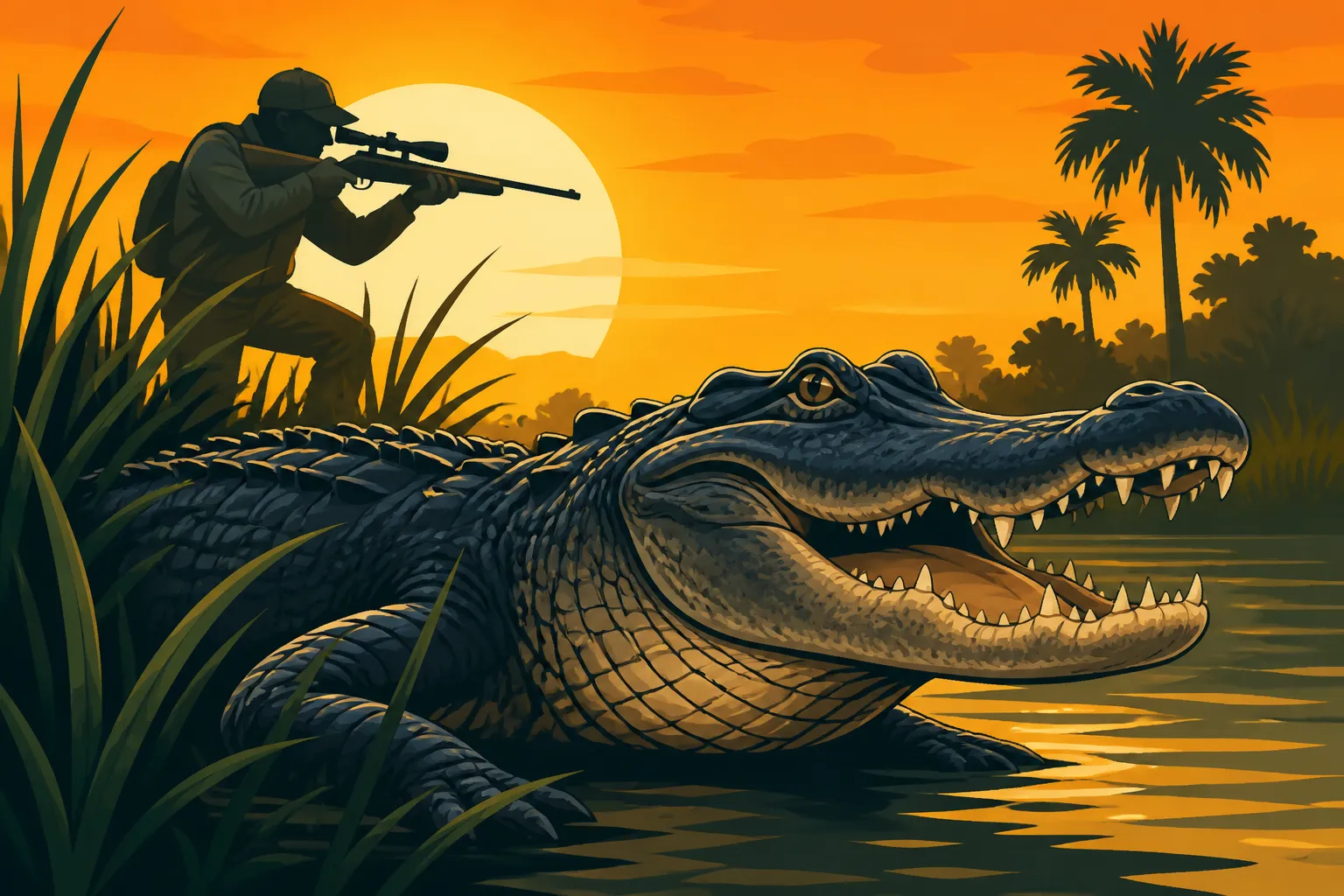
Florida's alligator season opening date typically kicks off in mid-August and runs through November 1st, offering hunters several months to pursue their quarry. The methods allowed are highly specific and designed for safety and humane harvest. You cannot simply shoot an alligator with a firearm from a distance. The primary methods allowed involve securing the alligator first, then dispatching it.
Legal methods include:
- Harpoon or Gig: A barbed point attached to a line, used to snag and retrieve the alligator.
- Bow and Arrow (Bowfishing): Often used with heavy tackle and retrieval lines, allowing hunters to target alligators from a distance, then fight them in. Bowfishing for Florida Alligators is a unique challenge.
- Speargun: Similar to a bow, used underwater to secure the alligator.
- Snare or Baited Hook: A hook attached to a line, often set with bait, to catch the alligator.
- Fishing Rod and Reel: Heavy-duty gear used to hook an alligator.
Once an alligator is secured, it must be dispatched immediately with a "bang stick" (a pole-mounted firing device that delivers a fatal shot to the brain) or a spear aimed at the brain. Harvesting an Alligator With a Bang Stick is a common and effective method. Hunting Alligators at Night Legally is also permitted and often preferred, as alligators are more active and easier to approach in the dark, particularly when using spotlights to locate them by their eye shine. Hunters must also be diligent in judging a Legal-Size Florida Alligator, as size regulations apply to ensure sustainable harvesting.
The Guided Hunt Experience
For many, especially first-time alligator hunters or nonresidents, booking a guided Florida alligator hunt is the preferred and often most successful route. Guides provide the necessary expertise, equipment, and knowledge of specific hunting areas, which can be critical for success. They understand alligator behavior, know where to find larger animals, and are adept at navigating Florida's challenging wetland environments.
A guide can navigate you through dense swamps or across vast lakes, teach you the nuances of different hunting methods like how to go about Stalking an Alligator on a Freshwater Lake, and ensure you comply with all regulations. The average cost of a guided alligator hunt can vary significantly depending on the duration, the number of alligators included (often two-alligator packages are available), and the reputation of the outfitter. Many outfitters operate on private lands or have special permits for specific public areas, offering access that might be otherwise difficult to obtain. For nonresidents, this can simplify the process immensely, bundling the hunting experience with valuable local knowledge and logistical support. GoHunt offers resources for finding reputable outfitters. When considering a guided trip, understanding what a guided alligators hunt costs, and what's included in an alligator hunt package are essential questions to ask.
Utilizing Your Alligator Harvest
A successful alligator hunt is just the beginning. Florida's alligator harvest isn't just about the thrill of the chase; it's about utilizing the entire animal, providing both meat and a valuable hide.
Processing Alligator Meat
Alligator meat is a culinary delicacy, known for its mild flavor and lean texture, often compared to chicken or pork. Once harvested, the alligator carcass needs to be properly field dressed and cooled quickly, especially in Florida's warm climate. Most hunters will skin and butcher the alligator themselves, or take it to a specialized processor. The most sought-after cuts are typically the tail meat (often called "gator tenderloin"), the jowl meat, and some of the leg and body meat.
Processing involves carefully removing the hide and then separating the various muscle groups. The tail meat is white and flaky when cooked, while the leg and body meat can be a bit tougher and is excellent for grinding, stewing, or making jerky. It’s a versatile meat that can be grilled, fried, braised, or used in a variety of dishes. Many Florida deer camp traditions include preparing fresh alligator meat during hunts that overlap with alligator season. If you're fortunate enough to harvest one, knowing how to properly butcher and prepare the meat is key to enjoying the full reward of your hunt.
Preparing the Hide
The alligator hide is a prized commodity, famous for its unique texture and durability. After the alligator is harvested, the hide must be carefully skinned from the animal. This is a meticulous process that requires skill to avoid damaging the scales, especially the valuable belly scales. The hide is then typically cleaned, salted, and rolled up for transport to a tannery.
Tanneries specialize in preserving and transforming raw hides into supple leather suitable for a wide range of products, from boots and belts to handbags and wallets. The quality of the hide, particularly its size and the absence of scars or defects, dictates its value. For hunters who want to keep their hide, finding a reputable tannery is essential. Many hunters also choose to have their alligator mounted by a taxidermist, creating a lasting trophy that commemorates their successful hunt.
Trophy Considerations
Beyond the meat and the hide, the alligator itself can be a remarkable trophy. Whether it's a full-body mount, a head mount, or just the skull, an alligator trophy is a unique testament to the animal's power and the hunter's skill. The size of the alligator, especially its length, is a significant factor in its appeal as a trophy. Many hunters aspire to harvest a truly large alligator, perhaps an "average size of a harvested Florida alligator" that exceeds the typical harvest.
Taxidermy work on alligators is highly specialized, requiring artists who understand the anatomy and nuances of these reptiles to bring them back to life in a mount. Some hunters choose to display the skull as a clean, natural trophy. For those who want to ship a trophy home from Florida, there are specific regulations and processes involved, especially concerning CITES tags and interstate transport, that need to be followed carefully. The ultimate goal is to honor the animal and preserve the memory of an unforgettable hunting experience.
Common Myths and Misconceptions About Alligators
Alligators have been the subject of countless stories, legends, and misinterpretations. Let's clear up some of the more persistent myths.
Alligator Aggression and Attacks
One of the biggest misconceptions is that alligators are inherently aggressive and constantly looking to attack humans. While they are wild predators and certainly capable of causing harm, unprovoked attacks on humans are exceedingly rare. Most incidents involving alligators and humans occur when people feed alligators, swim in unauthorized areas, or get too close to a nest or a basking alligator.
The vast majority of alligators want nothing to do with people and will actively avoid them if given the chance. They are generally shy and reclusive, preferring to stay hidden. Aggression is typically a response to feeling threatened, protecting young, or associating humans with food due to improper feeding. The Florida Alligator Attack Statistics, while tragic when they occur, show that the number of unprovoked fatal attacks is remarkably low, especially considering the millions of alligators and residents in the state. This doesn't mean you shouldn't be cautious, but it does mean you shouldn't live in constant fear.
Alligator Size and Age
Another common myth revolves around the size and age of alligators. Many people believe alligators grow continuously throughout their lives, reaching immense sizes quickly. While alligators do grow for their entire lives, their growth rate slows considerably after they reach sexual maturity. A truly massive alligator, say over 12 feet, is likely very old, perhaps 50 years or more. These ancient reptiles are a testament to their longevity and survival skills.
The idea that there are "monster" alligators lurking everywhere is also often exaggerated. While some individuals do reach impressive lengths, the average size of a harvested Florida alligator is typically closer to 8-10 feet. The really enormous ones are rare and have usually lived a long life in relatively undisturbed areas, like the deep Everglades. These older, larger alligators are also much warier and harder to approach, making them even more elusive. It's a testament to the wildness of Florida that such giants still exist.
Winter Hibernation in Florida
Some people mistakenly believe that alligators "hibernate" during the winter in Florida, much like bears in colder climates. While their activity does decrease significantly in cooler weather, it's not a true hibernation. Alligators enter a state called brumation, which is a period of dormancy where their metabolism slows, and they become less active and may seek refuge in dens or burrows.
However, in most of Florida, especially the southern half of the state, temperatures rarely drop low enough or stay cold enough for an extended period to induce deep hibernation. On a warm winter day, you'll still see alligators basking in the sun to warm up. Their activity is simply temperature-dependent. They are always ready to become active if conditions are favorable. The Florida Alligator Nesting Season Timing also highlights their preference for warmer months for key biological processes, indicating their general adaptation to warmer climates. So, while you might see fewer alligators in January than in July, they are definitely still around, just taking it easy.
Disclaimer
The information provided in this guide is for general informational purposes only and is not intended as legal advice or as a substitute for official regulations. Always consult the Florida Fish and Wildlife Conservation Commission (FWC) regulations directly for the most current and accurate information regarding alligator management, permits, hunting seasons, and safety guidelines. Hunting regulations can change, and it is the individual's responsibility to ensure compliance with all applicable laws.