Florida Boone and Crockett Whitetails
Many hunters, especially those from states known for their colossal whitetails, often scoff at the idea of a Boone and Crockett buck coming out of Florida. The Sunshine State is famous for its warm weather, palmetto flats, and a perception of smaller deer. This common misconception can be frustrating for dedicated Florida hunters who know the potential that lies within our unique landscapes. This comprehensive guide aims to shed light on the reality of Florida Boone and Crockett whitetails, revealing where these elusive giants can be found and the dedicated strategies required to pursue them.
The Surprising Truth About Florida's Trophy Whitetails
It's easy to look at a typical south Florida buck, smaller-bodied and often sporting a modest rack, and conclude that the state simply doesn't produce record-book deer. However, that couldn't be further from the truth. While the overall average body size of a Florida deer might be smaller than its Midwest counterpart, especially as you move south, antler growth is a complex equation influenced by genetics, age, and nutrition, not just body size. Florida has a rich history of producing impressive whitetails that have met the stringent criteria for the Boone and Crockett Club's record books.
Debunking the Size Myth
The image of a massive-bodied, corn-fed whitetail from Iowa or Kansas is firmly etched in many hunters' minds as the ideal record-book deer. Florida deer, particularly in the southern half of the state, often have a more slender build, adapted to our sub-tropical climate. This physical adaptation helps them shed heat and navigate dense, often wet, environments. But here's the kicker: a smaller body doesn't automatically mean smaller antlers. Given the right conditions—primarily sufficient age and quality nutrition—a Florida buck can indeed develop an impressive rack capable of making the record book. The key is to understand the specific factors that allow this to happen in our unique environment.
The Pillars of Antler Growth: Age, Genetics, and Nutrition
Just like anywhere else, a record-book whitetail in Florida needs three things to align: age, superior genetics, and abundant, year-round nutrition.
- Age: This is arguably the most critical factor. A buck needs to survive long enough, typically into the 4.5 to 6.5-year-old range, to express its full antler potential. In Florida, with its long hunting seasons and varying pressure, finding areas where bucks can consistently reach this age is paramount. Often, these are on large, privately managed properties or remote, hard-to-access public lands that offer sanctuary.
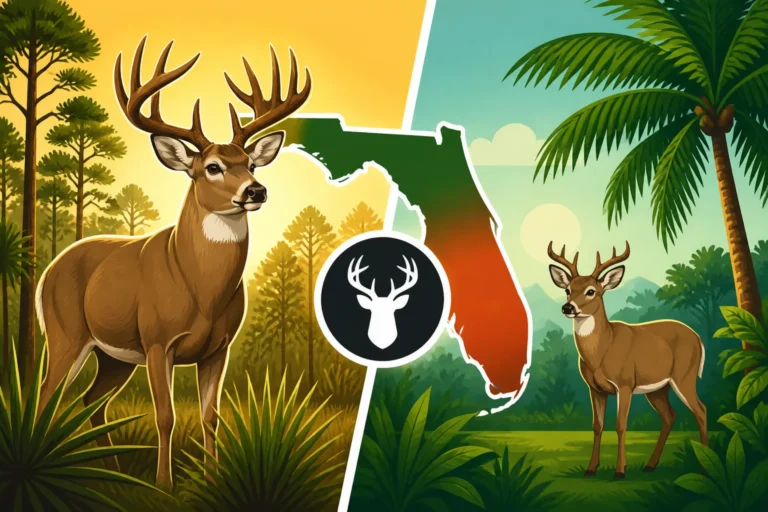
- Genetics: While Florida has a unique genetic lineage, particularly the small-bodied Florida Coastal Plain white-tailed deer subspecies in parts of the state, the northern zones often show more genetic influence from larger deer further north. These localized genetic pools dictate the potential for antler configuration, mass, and spread. Understanding the nuances of why Panhandle deer grow bigger than South Florida deer can be a significant advantage.
- Nutrition: Our subtropical climate means a longer growing season, but it doesn't always translate to quality nutrition. The sandy, acidic soils in many parts of Florida are not as mineral-rich as those in prime agricultural belts up north. However, areas with fertile river bottoms, improved pastures, strategically planted food plots, or abundant mast crops like acorns (when they have a good year, which isn't always a given) provide the necessary building blocks for exceptional antler growth. Hunters often focus intensely on Hunting After a Poor Acorn Year to understand deer movement and available food.
Where Florida's Biggest Bucks Roam
While a record-book buck could theoretically turn up anywhere, certain regions and property types in Florida consistently produce the kind of whitetails that catch the eye of Boone and Crockett scorers.
The Panhandle and Northern Zones
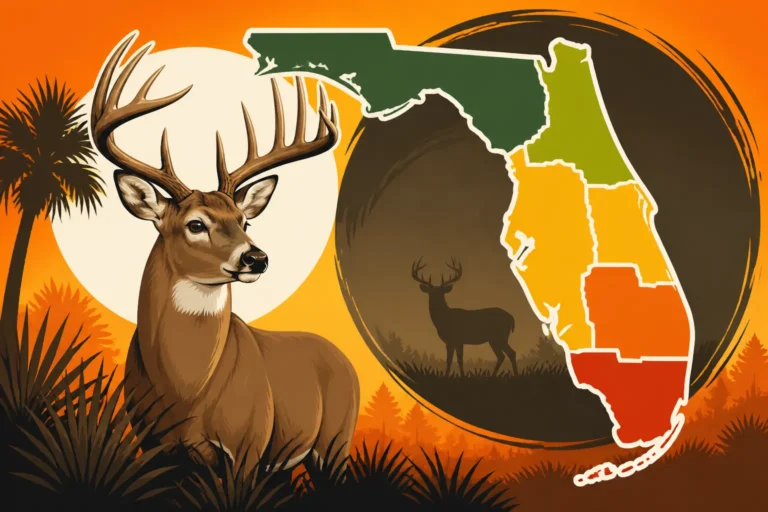
If you're looking for the highest probability of finding a truly large Florida whitetail, many seasoned hunters will point you towards the Panhandle and the northern parts of the peninsula, particularly within Florida's Zone D and parts of Zone C. These areas often feature:
- More Diverse Habitat: Compared to the vast palmetto and cypress swamps of the south, the Panhandle boasts extensive pine plantations, mixed hardwood forests, and river bottomlands with fertile soils. These varied habitats provide a better year-round food supply and more dense cover for deer to mature.
- Agricultural Influence: Northern Florida shares a border with Georgia and Alabama, and with that comes more extensive agricultural operations. Corn, peanuts, soybeans, and other crops provide a consistent, high-protein diet that fuels antler development.
- Larger Deer Subspecies: The deer in these northern regions tend to be genetically predisposed to larger body and antler sizes, offering a better foundation for record-book potential.
- Wider Rut Window: While the rut still varies, it can often be more predictable in these zones, allowing hunters to target peak activity. You'll want to deeply understand When the Florida Rut Peaks by Zone for your specific hunting grounds.
Private Land: The Preferred Nursery for Giants
Let's be realistic: the vast majority of Boone and Crockett whitetails, not just in Florida but nationwide, are harvested on private land. This is not because public land lacks big deer, but because private land often allows for stricter management practices that are essential for growing truly mature bucks.
- Managed Age Structure: Private landowners and hunting clubs can implement management plans that protect younger bucks, allowing them to reach prime antler-growing age. This focus on herd health and age structure is the single biggest contributor to trophy potential.
- Supplemental Nutrition: Food plots, mineral stations, and controlled feeding programs (where legal) can significantly boost the nutritional intake of deer, leading to better antler growth. While public land offers challenging and rewarding hunts, it rarely provides this level of consistent, high-quality nutrition.
- Reduced Pressure: Less hunting pressure means deer feel safer moving during daylight hours and are less likely to be harvested before reaching maturity. Accessing these types of properties often involves extensive networking and sometimes a significant investment in leases. Understanding the nuances of Getting Private Land Permission in Florida is key if you don't already own land.
Public Land Opportunities (for the truly dedicated)
While more challenging, public lands in Florida do produce record-book deer. These are typically found in large, remote Wildlife Management Areas (WMAs), National Forests like the Apalachicola or Ocala, or areas with restricted access. The key is to find spots that:
- Offer Sanctuary: Look for deep swamps, vast palmetto thickets, or areas far from road access where hunting pressure is significantly lighter. Deer will seek these areas for refuge, allowing them to age.
- Have Consistent Food and Water: Even in remote areas, pockets of good habitat with oak hammocks, natural food sources, or overlooked water features can hold mature bucks.
- Require Extreme Effort: These are often the "walk-in" areas, requiring long treks, potentially through tough terrain. The less accessible a spot, the higher the chance a mature buck calls it home. Utilizing tools to scout these areas, perhaps even with a platform like GoHunt, can give you an edge in identifying potential hideouts and travel corridors.
Strategies for Pursuing a Florida Record-Book Buck
Chasing a Boone and Crockett whitetail in Florida requires a blend of meticulous scouting, strategic hunting, and a deep understanding of local deer behavior. It's not a game of chance; it's a calculated pursuit.
Intensive Scouting and Understanding Deer Movement
The first step to finding a record-book buck is knowing where it lives. This means year-round scouting.
- Trail Cameras: Deploy cameras early and often, focusing on travel corridors, pinch points, food sources, and rub lines. This is how you'll identify individual bucks, gauge their age, and track their patterns.
- Observe Sign: Learn to read the subtle clues deer leave behind. Large rubs, massive scrapes, and significant trails are indicators of a mature buck's presence. Finding Sign in a Florida Oak Hammock can be crucial for locating these prime areas.
- Utilize Technology: Mapping software and apps are invaluable for dissecting terrain, identifying cover, water sources, and potential travel routes. Platforms like GoHunt allow you to overlay satellite imagery with public land boundaries, elevation changes (even subtle ones in Florida!), and potential bedding areas. This kind of detailed analysis can help you pinpoint areas that might hold less pressure or offer unique advantages for a mature buck.
- Understand Pressure: Florida public lands, especially during general gun season, can see heavy hunting pressure. Understanding how deer react to this, often by becoming nocturnal or retreating to thick cover, is vital.
Timing Your Hunt and Weapon Selection
Florida's deer seasons offer diverse opportunities, and choosing the right time and weapon can make a difference.
- Archery Season: While challenging, the early archery season often catches bucks in summer patterns before heavy pressure sets in. Bowhunting Florida's Zone A August Opener can be a fantastic, albeit hot, opportunity. Crossbows are also legal during archery season, offering increased range and accuracy for some hunters.
- Muzzleloader Season: This often falls after archery but before general gun season, providing a window of opportunity with less competition than rifle season. It can be a prime time to target bucks that are still moving somewhat predictably. For more on this, check out Muzzleloader Deer Hunting in Florida.
- General Gun Season: While it has the most pressure, it also offers the widest range of success for many hunters. Focus on the early weeks or specific times during the rut.
- The Rut: Knowing precisely when the rut peaks in your specific Florida deer zone is critical. This is when mature bucks are most vulnerable, dropping their guard in search of does. Plan your vacation days around this window.
Patience and Persistence
Hunting a Boone and Crockett whitetail in Florida is often a marathon, not a sprint. These deer are not easily fooled. They are survivors, wise to hunter tactics. It might take multiple seasons of observation, passing up younger bucks, and adapting your strategies to finally get a shot at a true giant. Don't get discouraged by the challenges; let them fuel your determination. Every hunt in Florida, regardless of the outcome, teaches you more about the unique behavior of our deer.
Officially Entering Your Florida Trophy
Should you be so fortunate as to harvest a Florida whitetail that you suspect might meet the Boone and Crockett Club's minimum entry score, there's a specific process to follow.
Understanding the Requirements
The Boone and Crockett Club has specific minimum scores for both typical and non-typical whitetail racks. Generally, a typical whitetail needs to score 160 points gross to make the Awards book, and 170 points gross for the All-Time book. Non-typical minimums are typically higher. While these numbers might seem daunting, especially in Florida, it's important to know what you're aiming for. It's also worth noting that Florida has its own state-level big game records, which are also worth exploring, such as the Florida Deer Record Book.
The Measurement Process
Once you've harvested a potential record-book buck, the initial measurement is often a "green score." This is an unofficial measurement taken before the antlers have completely dried. The antlers must then undergo a mandatory 60-day drying period to allow for any shrinkage. After this period, the antlers must be officially measured by a certified Boone and Crockett measurer. These individuals are trained and adhere to strict rules to ensure consistency and accuracy. They will measure various aspects of the rack, including main beam length, tine length, circumference, and inside spread, deducting for any asymmetry for typical entries.
Submitting Your Entry
Once officially measured, if your buck meets or exceeds the minimum score, the measurer will assist you in preparing the necessary paperwork for submission to the Boone and Crockett Club. This typically includes detailed photos of the rack, information about the hunt, and the official score sheet. It's a meticulous process, but one that ensures the integrity of the record book. While GoHunt is an excellent resource for planning and executing your hunts, remember that the official scoring and submission process is handled directly through the Boone and Crockett Club and its certified measurers.
Table: Florida Deer Trophy Potential by Region
Here's a general comparison to help contextualize the hunt for a Boone and Crockett whitetail in Florida:
| Characteristic | North Florida (Panhandle/Upper Central) | South Florida (Everglades/Lower Central) |
|---|---|---|
| Deer Body Size | Generally larger, heavier | Generally smaller, lighter |
| Antler Growth Tendency | Often more robust, wider spreads, better mass | Can be tall, but often less mass/spread, narrower |
| Primary Nutrition | Agricultural fields, hardwoods, pines, native browse | Palmetto, cypress, scattered hardwoods, limited native browse |
| Habitat Type | Mixed forests, agricultural lands, river bottoms | Dense swamps, palmetto flatwoods, pine flatwoods |
| Hunting Pressure | Moderate to High, especially on public land | Moderate to High, access can be challenging |
| Trophy Potential | Higher likelihood of B&C entries, more consistent production | Possible, but very challenging, often requiring unique genetics/nutrition pockets |
Hunting a Boone and Crockett whitetail in Florida is a challenging but incredibly rewarding endeavor. It demands respect for the animal, an understanding of the unique Florida landscape, and a commitment to ethical hunting practices. While our state may not be the first that comes to mind for world-class whitetails, those who dedicate themselves to the pursuit know that the potential is indeed here, waiting to be discovered by the patient and persistent hunter.
Disclaimer
This article is for general informational purposes only and does not constitute professional advice. Laws, prices and regulations vary by location and change over time. Consult a qualified professional for guidance on your specific situation.