Florida Deer Camps and Hunting Clubs
Ah, the pursuit of a deer camp or finding the right hunting club in Florida! It’s a dream for so many of us, isn't it? The thought of having a consistent place to hunt, year after year, with a reliable group of folks who share your passion, can feel like finding a hidden gem in our vast state. We’ve all felt that frustration of constantly searching for new spots, battling public land crowds, or just wishing for a little more camaraderie at the end of a long hunting day. This guide is here to walk you through the ins and outs of Florida deer camps and hunting clubs, helping you understand what they offer, what to look out for, and how to find your perfect hunting home away from home.
The Allure and Reality of Florida Deer Camps
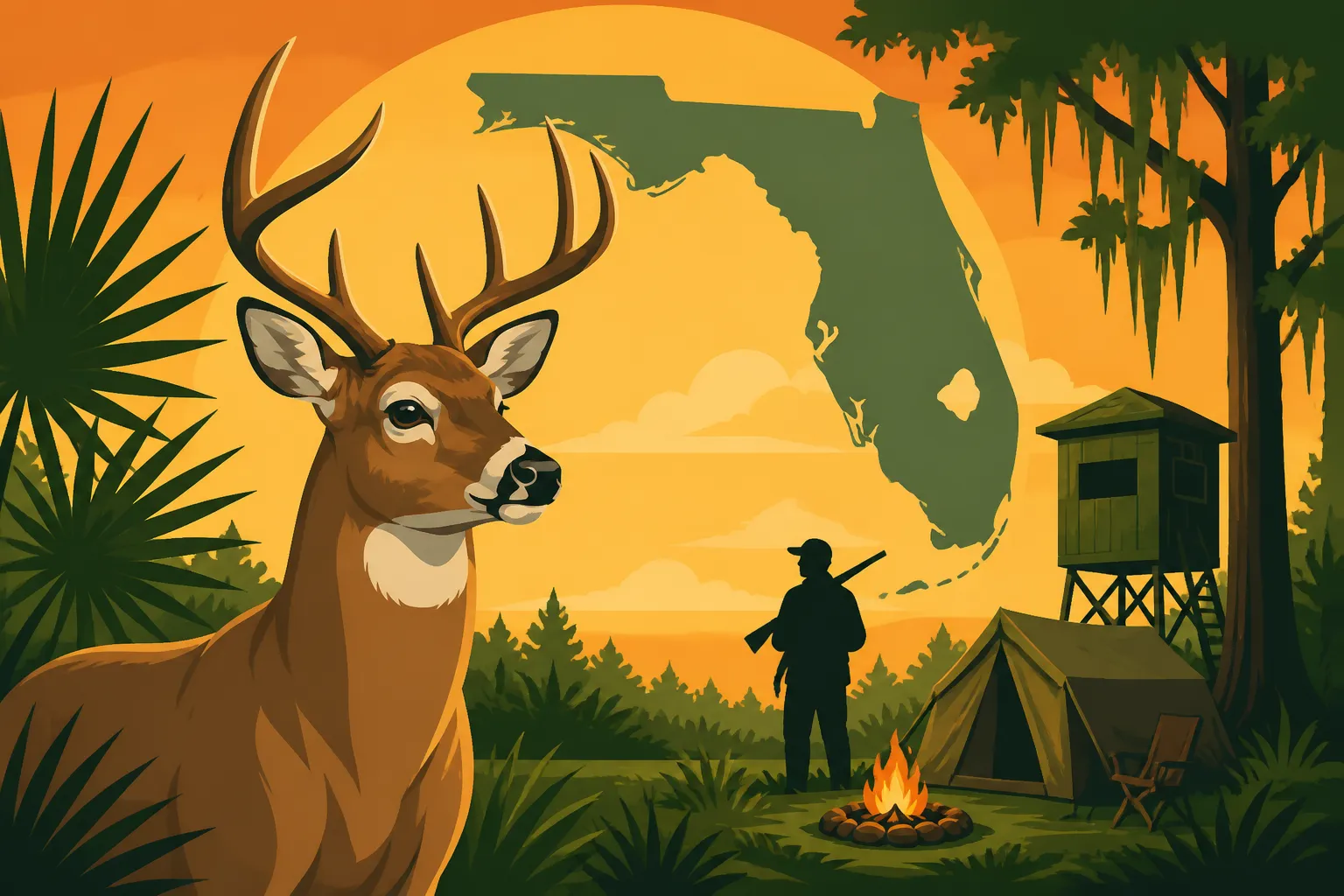
There's something almost mythical about a "deer camp," especially in a state like Florida where the hunting landscape is so unique. It conjures images of rustic cabins, smoky fires, and tales spun late into the night. While some camps fit this description perfectly, the reality often varies, but the core appeal remains the same: a dedicated space, a shared experience, and a community centered around the hunt.
Why Traditional Deer Camps Endure in Florida
Despite all the modern advancements in hunting technology and access, the traditional deer camp ethos holds strong here in Florida. Part of it is pure nostalgia; many of us grew up hearing stories of our grandfathers and fathers heading out to camp, returning with venison and memories that lasted a lifetime. It’s a powerful connection to the past. But it's more than just sentimentality. In a state where Public Hunting Land in Florida can be challenging to navigate, offering varied access and often intense pressure, having a private sanctuary makes all the difference.
Florida's diverse habitats, from vast palmetto flatwoods to dense cypress swamps and pinewoods, often demand specific hunting tactics that benefit from shared knowledge and experience. A seasoned camp member might know exactly Where Florida Bucks Bed in Thick Palmetto after a cold front or how to navigate a particularly tricky swamp. This collective wisdom is invaluable. Furthermore, these camps often become hubs for passing down hunting ethics, safety protocols, and a deep respect for the land and the animals we pursue. It’s where new hunters learn the ropes, watching and listening to those with years under their belt, truly understanding the responsibility that comes with the harvest. You learn about Florida Deer Camp Traditions not just as stories, but as living, breathing practices.
The Social Fabric of a Florida Hunting Camp
Beyond the hunting itself, the social fabric of a Florida deer camp is what truly sets it apart. It’s a place where friendships are forged, problems are shared, and the worries of the outside world tend to fade away. Think about those long evenings after a day in the woods, gathered around a fire or a well-worn kitchen table. The stories flow freely – tales of a monster buck that slipped away, a close encounter with a Florida black bear, or a wild hog charge. It’s a natural bonding experience.
Meals are often a communal affair, with everyone pitching in, or perhaps one person being known for their legendary chili or venison stew. Imagine the discussions over breakfast before dawn, planning the day's hunt, or the post-hunt debriefs where successes are celebrated and tough luck is commiserated over. For many, these camps are more than just a place to hunt; they’re a second home, a sanctuary where values of self-reliance, teamwork, and respect for nature are lived out daily. It's a place where you can truly unplug, reconnect with nature, and build lasting bonds with like-minded individuals, something that can be hard to find in our fast-paced modern lives.
Understanding Florida Hunting Clubs
While the term "deer camp" often evokes a more rustic, informal gathering, "hunting clubs" in Florida typically imply a more structured, organized approach to hunting access, usually on leased private land. These clubs offer a different kind of experience, often with more amenities, stricter rules, and a focus on managing game populations for sustained hunting opportunities.
Types of Hunting Clubs in the Sunshine State
Florida's hunting clubs come in all shapes and sizes, reflecting the diverse preferences and budgets of hunters across the state. On one end of the spectrum, you might find smaller, informal clubs where a handful of friends pool resources to lease a tract of land. These might be quite rustic, with members bringing their own pop-up campers or tents, and the rules being fairly laid back, decided amongst the core group. The focus here is often simply on shared access and good company.
Then, there are the more organized, larger clubs, sometimes operating on thousands of acres, offering more substantial amenities. These could include dedicated clubhouses, permanent camping spots with hookups, shared processing facilities, and even cabins or lodges. Some clubs might specialize in specific game, such as a Florida Waterfowl Season and Zones club focused on flooded timber or a club primarily centered on Year-Round Hog Hunting in Florida. Other clubs are full-service operations that provide a comprehensive hunting experience across multiple species. You'll find everything from family-friendly clubs that encourage youth participation to more serious, buck-focused clubs with strict antler restrictions and management goals. Understanding the different types helps you narrow down what truly aligns with your hunting goals and lifestyle.
The Structure and Rules of a Typical Club
Joining a hunting club usually means entering a more formalized arrangement than simply sharing a camp with friends. Most clubs operate with a set of bylaws or rules designed to ensure fair access, member safety, and responsible game management. These rules are crucial for maintaining harmony within the group and protecting the hunting resource. You'll often see specific regulations regarding guest policies, typically limiting how many guests a member can bring and sometimes requiring a guest fee.
Membership fees are standard, often with an initiation fee upon joining and then annual dues. These fees cover the cost of the land lease, liability insurance, property taxes, and any club amenities or maintenance. Many clubs also have "work day" requirements, where members are expected to contribute a certain number of hours to tasks like road maintenance, food plot planting, stand upkeep, or general camp improvements. These work days not only share the labor but also foster camaraderie. Harvest limits are common, often stricter than statewide FWC regulations, with specific rules on antler points or deer age to promote healthier Florida Buck Age Structure within the club's herd. Understanding these rules and being comfortable with them is essential before you commit to joining any club. Some might even have a designated gun range or specific rules for Florida Blaze Orange Requirements that go beyond the state minimums for certain hunts.
The Pros and Cons of Joining a Florida Hunting Club
Deciding whether a hunting club is right for you involves weighing the significant benefits against potential drawbacks. It’s a big commitment, both financially and in terms of your time, so it's wise to consider all angles before jumping in.
The Advantages: Access, Community, and Convenience
The most significant advantage of joining a Florida hunting club is consistent access to quality hunting land. Instead of constantly searching for new public land spots or dealing with the complexities of Getting Private Land Permission in Florida on a small scale, you'll have a dedicated piece of ground that you know well. This familiarity allows for more effective scouting and a deeper understanding of game movement throughout the seasons. Many clubs lease large tracts, providing diverse habitats and reducing hunting pressure on any single area.
Furthermore, clubs offer a built-in community of hunters. You'll have partners for deer drives, fellow enthusiasts to swap stories with, and experienced mentors for new skills. This shared passion often leads to lasting friendships and a support network. The shared costs, spread among members, make larger leases and amenities more affordable than if you were to try and secure them on your own. Many clubs also handle game management, food plot planting, and general land maintenance, taking a lot of the logistical burden off individual members. This convenience allows you to focus more on the hunt itself and less on the constant grind of securing access and maintaining habitat. Plus, with platforms like onX Hunt, members can share their hunting observations, mark stand locations, and track game movement across the club's leased land, creating a powerful collective intelligence that benefits everyone.
The Challenges: Cost, Commitment, and Compatibility
While the advantages are compelling, hunting clubs do come with their own set of challenges that need careful consideration. The most immediate concern for many is the cost. Membership fees, initiation fees, and annual dues can range significantly, and you'll need to factor in additional expenses for travel, gear, and potentially guest fees. This financial commitment needs to align with your budget and how much you plan to utilize the club's resources. Florida Hunting Lease Costs can be substantial, and those costs are passed on to members.
Beyond the monetary aspect, there's a significant time commitment. Many clubs require participation in work days, which can eat into your weekends during the off-season. You’re not just paying for access; you’re investing your time and labor into maintaining the club. Perhaps the trickiest challenge is compatibility with other members and the club's rules. Every club has its own culture, and if your hunting style, personality, or ethical standards clash with the prevailing atmosphere, it can lead to frustration. Imagine a club with very strict antler restrictions if you prefer to fill your freezer with any legal buck, or a club that doesn't allow youth hunters if you dream of taking your kids along. It's vital that the club's ethos, management philosophy, and social dynamics align with your own expectations. Sometimes, the rules can feel overly restrictive, potentially limiting your freedom to hunt exactly how and when you prefer.
Finding the Right Florida Deer Camp or Hunting Club
So, you’ve decided that a deer camp or hunting club might be the right fit for you. Now comes the exciting, but sometimes daunting, task of actually finding one. It's not always as simple as a quick Google search, but with some diligent effort and smart strategies, you can connect with a group that matches your hunting aspirations.
Researching and Scouting Potential Options
The first step in finding the right camp or club is thorough research. Start by asking around your local hunting community – sporting goods stores, archery shops, gun ranges, and even local diners where hunters gather are great places to strike up conversations. Word-of-mouth remains one of the most powerful tools in this process. Many clubs don't heavily advertise, relying instead on referrals. Online forums and social media groups dedicated to Florida hunting can also be valuable resources, though always exercise caution and vet information carefully. Websites like GoHunt might offer some broader information about hunting opportunities, though direct club listings are less common.
Once you identify potential clubs or camps, put on your scouting hat. Use mapping tools like onX Hunt to look at the surrounding areas of any potential lease. Are there major roads, housing developments, or other features that might impact hunting? What does the terrain look like? Are there water sources, clearings, or dense cover that would hold deer? While you won't know the exact boundaries or internal features of a private lease until you visit, external scouting can give you a preliminary feel for the area's potential. Think about the accessibility of the location, too. How far is the drive? Is it practical for regular weekend trips or just a few times a season? Gathering as much external data as possible before making direct contact can save you time and help you formulate good questions.
What to Ask and Look For During a Visit
When you get an opportunity to visit a prospective deer camp or hunting club, treat it like an interview – both for them and for you. Come prepared with a list of questions that cover all the critical aspects. Don't be shy about asking about the financial commitment: What are the initiation fees and annual dues? Are there any hidden costs? What do these fees cover? Understanding the full financial picture is paramount.
Dig into the rules and regulations. How strict are the harvest limits for Florida Buck Bag Limit and does? Are there specific weapon restrictions? What are the work day requirements, and how are they enforced? What's the guest policy – can you bring family or friends? Equally important is observing the club's culture during your visit. Do the current members seem friendly and welcoming? Is the camp well-maintained, or does it look neglected? Does the overall atmosphere align with your vision of a hunting retreat? Ask about member turnover; a high turnover rate can sometimes signal underlying issues. Inquire about game management practices – does the club actively work to improve habitat, or is it purely about harvesting? A good club will be transparent about these details and happy to answer all your questions, as they’re looking for a good fit too.
Beyond the Club: Creating Your Own Camp Experience
Maybe the idea of formal club rules or the financial commitment of a large lease doesn't quite appeal to you. That doesn't mean you can't still create a fantastic hunting experience with a similar sense of community and dedication. Florida offers several avenues for a more DIY approach to establishing your own camp, whether on public lands or through smaller, more flexible private arrangements.
DIY Camps on Public Lands
Florida has an impressive network of Wildlife Management Areas (WMAs), National Forests, and State Forests that offer significant public hunting opportunities. While you won't have exclusive access, you can certainly establish a temporary "camp" in designated areas. This often means embracing a more primitive style of camping, bringing your own gear and being self-sufficient. Many of us have fond memories of setting up a modest tent camp or parking a small travel trailer in a national forest campground, making it our base of operations for a week of hunting. Camping Rules on Florida National Forest Land will dictate what you can and can't do, so always check with the specific land management agency beforehand.
The beauty of a DIY public land camp is the low cost (beyond your The Florida WMA Management Area Permit and regular licenses) and the freedom to explore vast tracts of land. You and a few buddies can pool resources for food, firewood, and shared equipment, turning a simple hunting trip into a full-fledged camp experience. You'll rely heavily on your scouting skills, using maps like those found on onX Hunt to find prime areas away from pressure. It takes more effort and planning, but the rewards are immense – the satisfaction of finding success on public land and the bonding that comes from facing challenges together, whether it’s tracking a deer through tough terrain or improvising a repair to a broken treestand.
Small Private Leases and Group Endeavors
For those who want private access without the overhead and structure of a large club, a small group private lease can be an excellent middle ground. This involves a few trusted friends or family members pooling their funds to lease a smaller parcel of private land directly from a landowner. This approach offers a lot more flexibility; you set your own rules, manage the land as a group, and have complete control over your hunting experience. It's often more affordable per person than a large club, especially if you opt for a more rustic setup.
The key to a successful small group lease is clear communication and shared responsibility. Everyone needs to agree on the financial contributions, the work required (like planting a Hunting a Green Field Planted for Deer or maintaining trails), and the hunting etiquette. You'll need to develop your own system for scheduling hunts and managing game. This model allows for a truly intimate hunting experience, fostering deep bonds within your small group. It's less about formal bylaws and more about mutual respect and a common goal. This option truly lets you shape your hunting experience from the ground up, allowing you to create the exact "camp" you've always dreamed of, tailored to your specific preferences and hunting style.
Disclaimer
This article is for general informational purposes only and does not constitute professional advice. Laws, prices and regulations vary by location and change over time. Consult a qualified professional for guidance on your specific situation.