How Many Acres Ocala National Forest Covers
One of the most common questions I get from hunters eyeing Florida's public lands is, "Just how big is Ocala National Forest, anyway?" It’s a fair question, because looking at a map, it just stretches out, seemingly forever, a vast expanse of green that can feel both exciting and incredibly intimidating. The sheer scale can make you feel like a tiny speck, wondering where on earth you'd even start to find a deer or a hog, let alone successfully navigate back to your truck. This guide is here to break down the impressive acreage of Ocala National Forest, what that means for your hunting adventures, and how to effectively tackle such a massive piece of public ground.
The Staggering Size of Ocala National Forest
Let's get right to the heart of it: Ocala National Forest is truly immense. When you first hear the number, it can be a bit mind-boggling, especially if you're used to hunting smaller, more fragmented parcels of public land. This isn't your typical little state forest; it's a behemoth that demands respect and a solid plan.
Understanding the Acreage
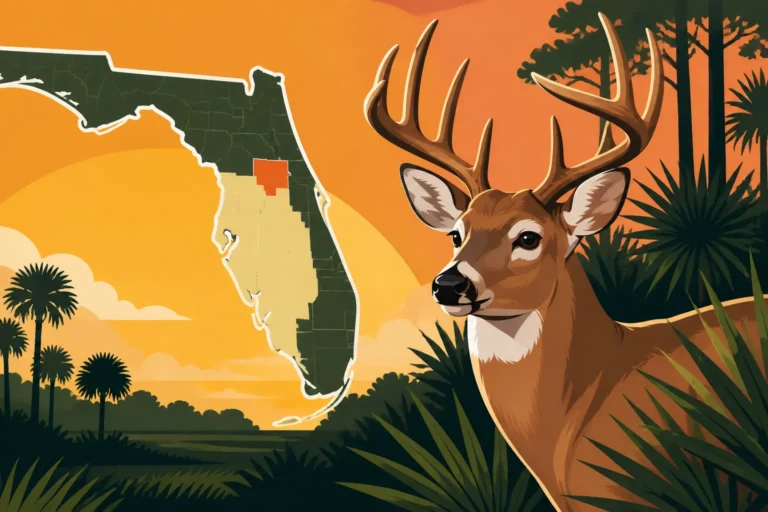
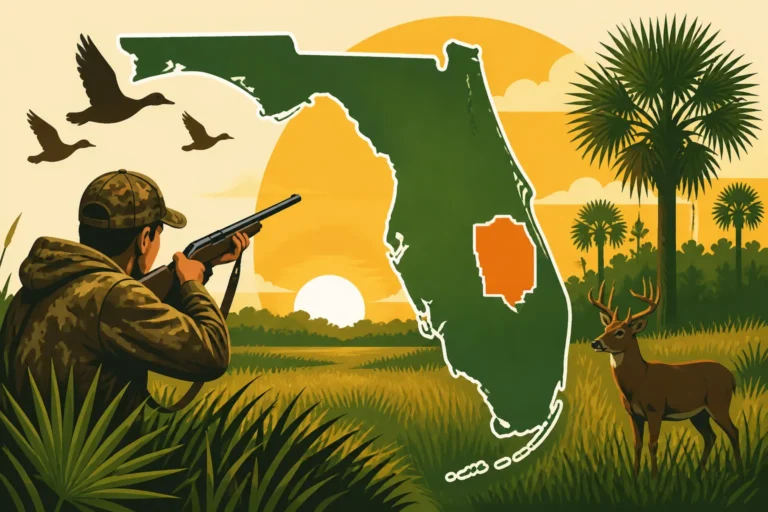
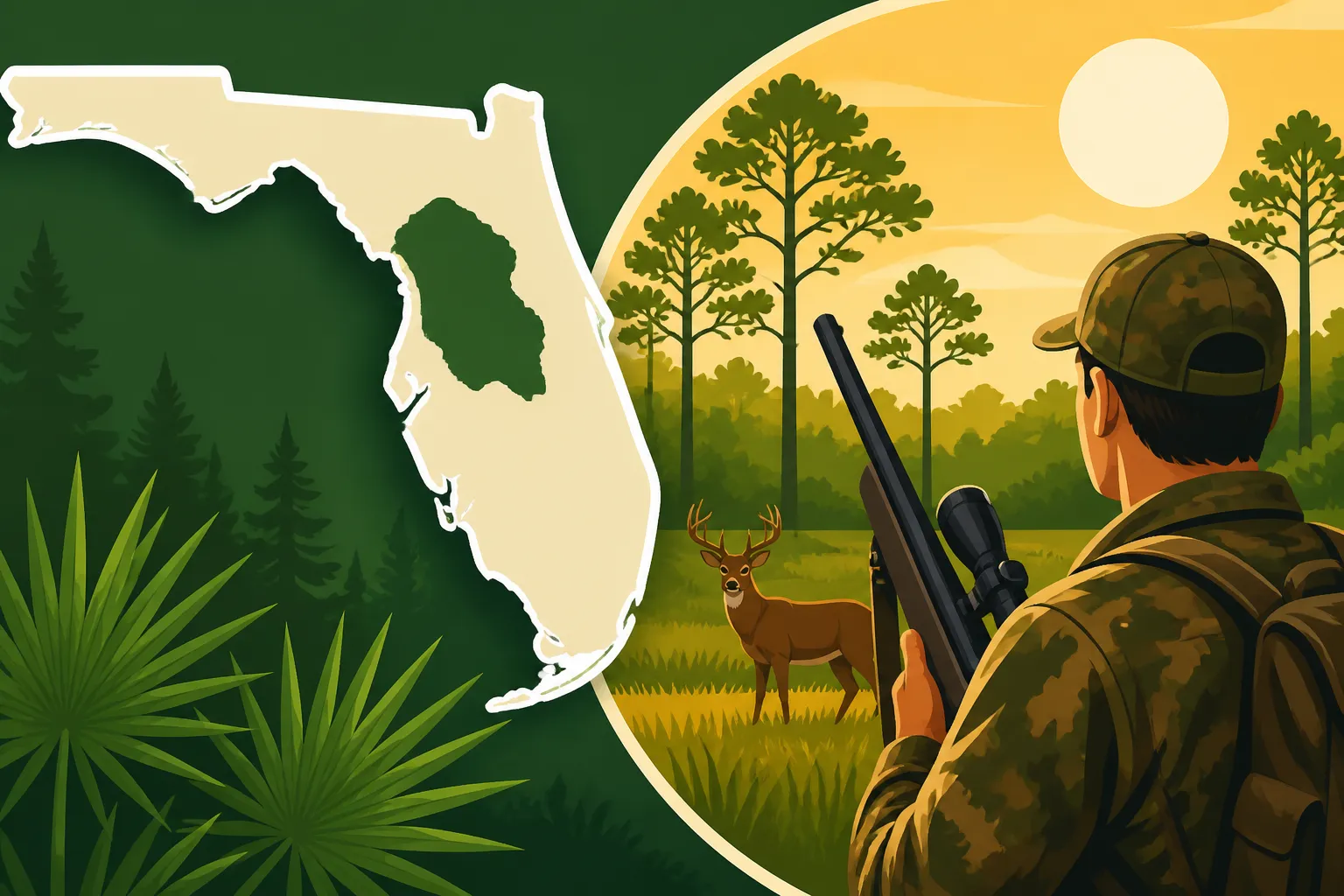
Ocala National Forest covers approximately 387,000 acres across parts of Marion, Lake, and Putnam counties in central Florida. That's nearly 605 square miles of varied terrain, from the ancient sand pine scrub ridges to the cypress-lined swamps and countless spring-fed lakes. To put that in perspective, it’s larger than many entire counties in Florida, and it's certainly more ground than most of us will ever fully explore in a lifetime. It represents a significant portion of the Public Hunting Land in Florida available to residents and non-residents alike, offering a wild frontier feel that's increasingly rare.
It’s easy to look at a map and see a big green blob, but until you're actually out there, walking through miles of palmetto and pine, or trying to push through a dense titi thicket, the true magnitude doesn't quite sink in. This isn't just a number; it's miles upon miles of potential hunting grounds, escape cover for game, and navigational challenges for us hunters.
What Such Scale Means for Hunters
The sheer scale of Ocala National Forest is both its greatest advantage and its biggest challenge. On one hand, it means there's always new ground to explore, and the likelihood of finding pockets of unpressured game is much higher than on smaller, more easily accessible public tracts. Deer, hogs, and turkeys have vast areas to roam, bed, and feed without constant human intrusion. This gives them a sense of security that can make them less wary and more predictable, if you can find those untouched areas.
However, the size also presents significant hurdles. Getting lost is a real concern if you're not paying attention or if your navigational tools fail. Covering ground efficiently becomes a science, and understanding how game utilizes different habitat types across such a large area is crucial. You can't just pick a spot and expect to find what you're looking for; successful hunting in Ocala requires extensive scouting, a deep understanding of its unique ecosystems, and often, a willingness to hike far beyond where most other hunters dare to venture. It's a place where you truly earn your harvest, and the rewards are often commensurate with the effort you put in.
Diverse Habitats and Ecosystems Within Ocala
Ocala National Forest isn't a monoculture of pine trees; it's a stunning mosaic of distinct ecosystems, each with its own character and appeal. This ecological diversity is what makes the forest so vibrant, but also what makes hunting it such a fascinating puzzle. Understanding these habitats is key to deciphering game movement and finding productive hunting spots.
From Sandhills to Swamps: A Microcosm of Florida
The landscape within Ocala National Forest shifts dramatically as you move across its vastness. You’ll encounter ancient sand pine scrub, characterized by sparse, stunted trees and deep, sandy soil – remnants of Florida's ancient dunes. These areas often hold deer seeking higher ground or transitioning between feeding areas. Then there are the longleaf pine flatwoods, dotted with wiregrass and palmetto, which are actively managed through prescribed burns to maintain their health. These open understories can be great for still-hunting or glassing if you find the right clearings.
Further into the low-lying areas, you'll find extensive cypress swamps, titi thickets, and hardwood hammocks around the numerous springs and streams that feed into Ocala's aquifer. These dense, often wet areas provide incredible cover and food sources for deer and hogs, especially during hotter parts of the season. Navigating these can be challenging, but they are often sanctuaries for game that prefers solitude. It’s like experiencing a miniature version of Florida’s wild heart, all within one hunting area. You might be Still-Hunting Florida Palmetto Flatwoods one morning and then find yourself struggling through the muddy, tangled vegetation of Hunting Florida Cypress Swamp Edges by afternoon.
How Habitat Diversity Influences Game Movement
Different game animals utilize these varied habitats in distinct ways, and their movements are heavily influenced by the availability of food, water, and cover, all of which are dictated by the specific ecosystem. Deer, for instance, might browse in the pine flatwoods during cooler mornings or evenings, but retreat into the dense cover of a hammock or swamp during the midday heat. Hogs are notorious for rooting in nearly any habitat type but will concentrate their efforts in areas with abundant acorns, palmetto berries, or tender roots, often found near water sources or in hardwood bottoms.
Knowing which habitat types hold certain food sources at different times of the year is a game-changer. After a good acorn crop, you might find deer and hogs concentrated in oak hammocks. During dry spells, water sources like sinks, ponds, or even damp depressions become magnets for all wildlife. Similarly, understanding the patterns of prescribed burns is vital; fresh green growth after a fire can draw in deer and turkeys seeking new forage. This dynamic interplay means that successful hunters aren't just looking for "deer sign"; they're looking for deer sign in the right habitat at the right time given the conditions.
Strategies for Navigating and Hunting Such Vastness
Hunting Ocala National Forest without a solid strategy is like sailing without a compass – you might get lucky, but you're more likely to end up frustrated and lost. The size and complexity of this area demand careful planning, reliable tools, and a patient, persistent approach.
Essential Mapping and Scouting Tools
In a place as big as Ocala, modern technology is your best friend. Relying solely on a paper map can be treacherous, especially if you stray from marked trails. This is where robust GPS mapping apps really shine. Tools like onX Hunt or GoHunt are absolutely invaluable. They allow you to download offline maps, mark waypoints for your truck, stand locations, game sign, and potential escape routes. You can see property lines, topography, and even identify different habitat types from aerial imagery before you ever set foot on the ground. When you're deep in a palmetto thicket, being able to pinpoint your exact location and direction of travel is not just convenient, it's a safety essential.
Before hitting the woods, spend hours poring over satellite imagery. Look for changes in vegetation density, subtle elevation changes (even in flat Florida, these can be crucial), and potential pinch points or travel corridors between different habitat types. This "e-scouting" is a vital first step, giving you a lay of the land and helping you identify areas worth checking out in person. Remember to check regulations for trail cameras; some public lands have restrictions. Using an app like onX Hunt, you can also often see what land is designated as public versus private, which is critical for avoiding trespass. GoHunt also offers some fantastic mapping features and analytics that can help you understand game distribution patterns if you're looking for an edge.
Practical Tips for Public Land Success
Once you have your digital maps loaded and a general idea of where you want to go, it's time for boots on the ground. Scouting Florida Public Land Before Season is non-negotiable for Ocala. Walk the areas you've identified, look for fresh tracks, droppings, rubs, and scrapes. Pay close attention to subtle terrain features, like slight ridges or changes in vegetation, that might funnel game. Don't be afraid to walk further than you think necessary; the further you get from main roads and popular access points, the less hunting pressure you're likely to encounter. This often means finding more relaxed deer and hogs.
Consider using a ground blind that blends into the local vegetation or finding natural cover to set up. With its dense undergrowth, Ocala can be ideal for still-hunting or slow-stalking, especially in the pine flatwoods. Always carry plenty of water, a first-aid kit, a whistle, and a fully charged phone with a backup battery. Let someone know your hunting plan and expected return time. The vastness of Ocala means that help can be a long way off, so self-reliance and preparedness are paramount. Don't forget to practice good woodsmanship, know your local game laws, and respect the natural beauty of this incredible forest. And if you're planning on staying overnight, be sure to check the specific Camping Rules on Florida National Forest Land.
Popular Game Species and Seasonal Considerations
Ocala National Forest truly shines when it comes to the diversity of game animals it supports. From the ever-present wild hogs to elusive whitetails and gobbling turkeys, there's a pursuit for almost every hunter, making it a year-round destination for many.
Deer and Hog Hunting Opportunities
Florida's White-Tailed Deer Across Florida population can be found throughout Ocala, with varying densities depending on the specific habitat and management units. While Florida deer aren't known for massive antlers compared to some northern states, they offer a challenging and rewarding hunt. The forest's vastness provides ample space for deer to mature, and persistent hunters can certainly find mature bucks, especially by targeting remote areas far from vehicle access. The rut varies by zone, but general movement patterns often align with food availability and cover. After a good mast crop year, focus on oak hammocks; during dry periods, areas around water sources become key.
Feral hogs are perhaps the most prolific game animal in Ocala National Forest, and they offer fantastic Year-Round Hog Hunting in Florida opportunities. Their destructive rooting habits make them a constant presence, and they can be found in almost any habitat type, though they tend to favor wetter, denser areas like swamps and thickets for cover and rooting for food. Many hunters pursue hogs with dogs, while others prefer still-hunting or stand hunting over bait (where legal). Given their abundant numbers and the damage they cause, there's no closed season or bag limit on private lands, and public land opportunities are often generous, providing an excellent chance to fill the freezer with delicious wild pork.
Turkey and Small Game Pursuits
For turkey hunters, Ocala offers opportunities for the iconic Osceola turkey, one of the most sought-after subspecies for a Grand Slam. Osceola Turkeys in Peninsular Florida are known for their wary nature and distinctive calls. Spring turkey season in Ocala is a vibrant experience, with gobblers echoing through the pines and palmetto. Locating roosts through scouting and then patiently working a bird in can be incredibly rewarding. The diverse terrain offers both open areas for calling and dense cover for strategic setups.
Beyond the big game, Ocala also provides excellent small game hunting. Squirrels, both gray and fox squirrels, are abundant in the hardwood hammocks and pine stands, offering a fun and challenging hunt, particularly for younger hunters or those looking to sharpen their woodsmanship skills. Rabbits can also be found in many areas, providing another option for small game enthusiasts. These smaller pursuits are often overlooked but can provide exciting action and a great way to explore different parts of the forest, sometimes offering insights into areas that bigger game might also frequent. Always double-check the specific dates for these seasons using resources like the Using the FWC Public Hunting Map to ensure you're hunting within legal timeframes.
| Game Species | Primary Habitat Types in Ocala National Forest | Key Hunting Considerations |
|---|---|---|
| White-Tailed Deer | Pine flatwoods, oak hammocks, dense swamps, scrub | Focus on food sources (acorns, browse), transition corridors, thick bedding cover. Hunt early/late for activity. |
| Feral Hog | Cypress swamps, titi thickets, hardwood bottoms, anywhere with food/water | Utilize dense cover, rootings. Often active year-round. Baiting may be an option on private surrounding land, but check WMA rules for public land. |
| Osceola Turkey | Pine flatwoods, oak hammocks, edges of swamps | Roosting locations, clearings for strutting, dense cover for calling setups. Very wary; requires patience and good calling. |
| Squirrel | Hardwood hammocks, pine stands, areas with mast crops | Focus on areas with oak trees, pine cones. Listen for chattering and falling debris. |
| Rabbit | Dense underbrush, palmetto thickets, field edges | Look for areas of new growth or thick cover. Often flushed from cover. |
Ocala National Forest is a gem, a massive tract of wild Florida that offers endless hunting potential for those willing to learn its secrets and put in the effort. It's a place where every acre tells a story, and with a little preparation and persistence, you can write your own successful hunting tale within its bounds.
Disclaimer
This article is for general informational purposes only and does not constitute professional advice. Laws, prices and regulations vary by location and change over time. Consult a qualified professional for guidance on your specific situation.