Hunting Near the Alabama Border
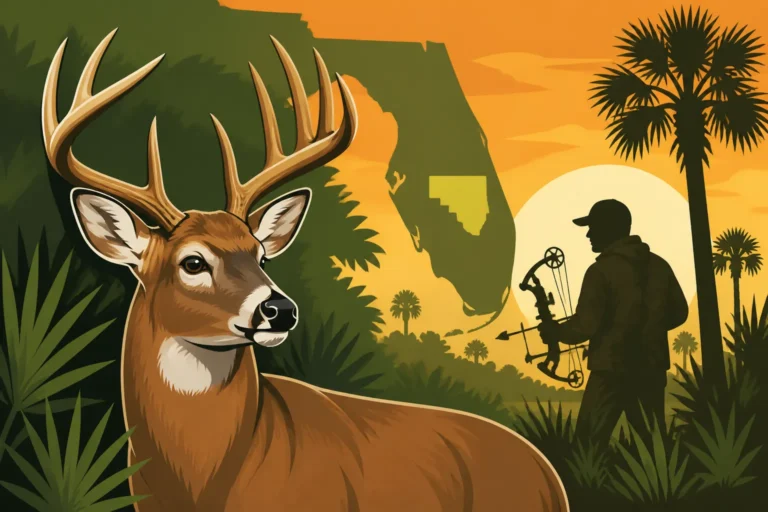
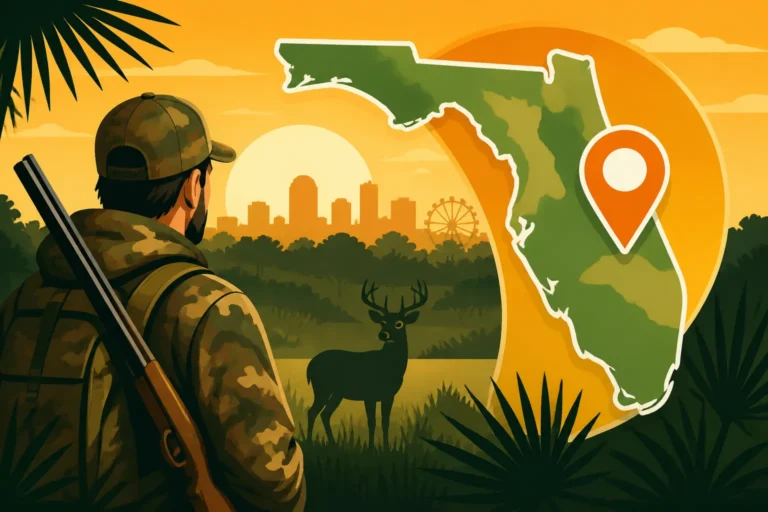
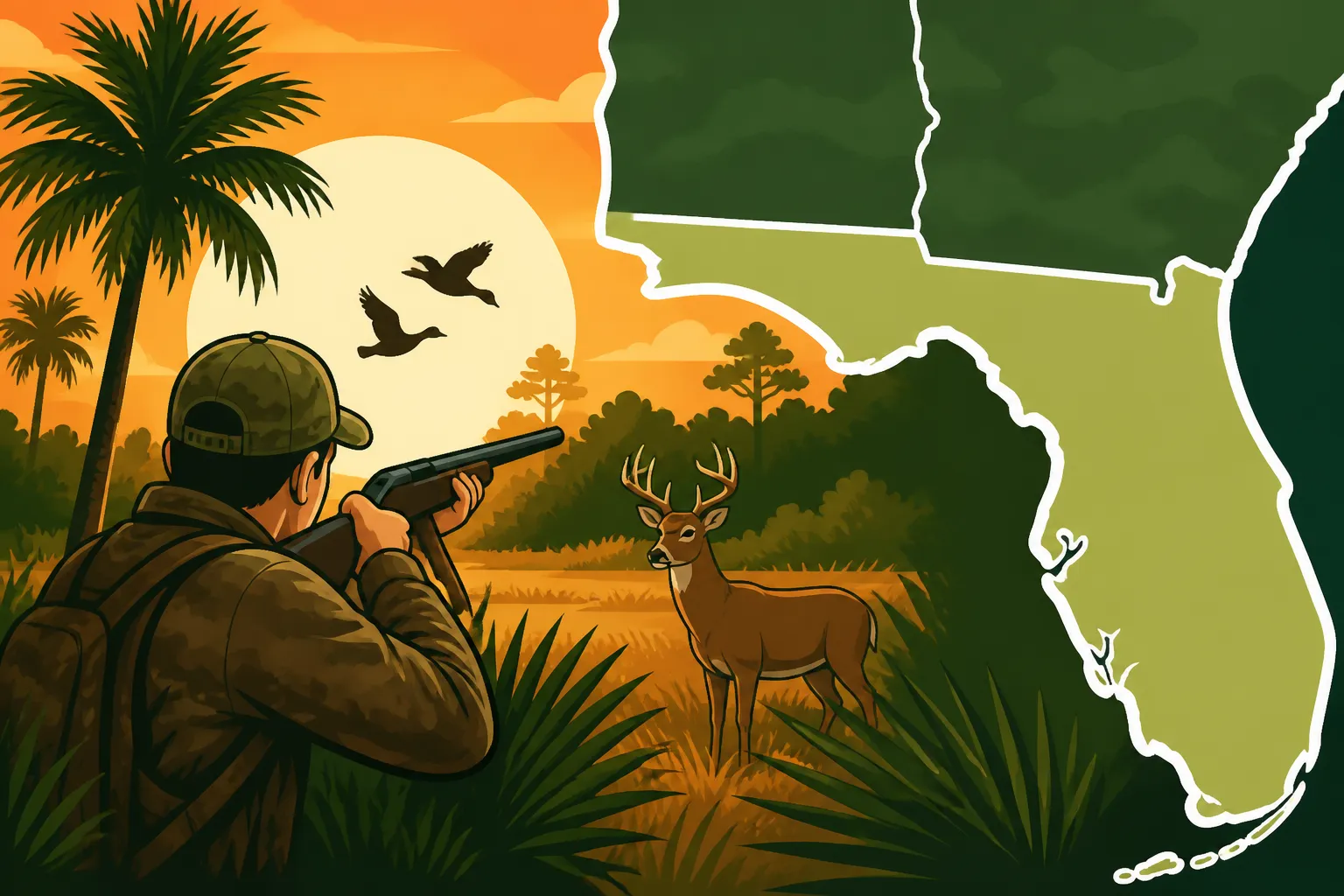
For many of us who call Florida home, the state's vast hunting opportunities are a true blessing. But if you're looking for a hunting experience that feels a bit different, perhaps more akin to what you might find further north, or if you're a neighboring hunter from Alabama looking to explore new territory, the Florida Panhandle bordering Alabama offers a unique appeal. This guide is here to walk you through the distinct landscape, game, and regulations you’ll encounter when hunting Florida's northernmost reaches, helping you plan a successful and rewarding trip.
Understanding the Panhandle's Unique Landscape for Hunting
When most people think of Florida, images of palm trees, sandy beaches, and endless swamps might come to mind. While we certainly have those, the Panhandle, especially as you get closer to the Alabama border, tells a different story entirely. This region boasts a topography and habitat that more closely resembles our northern neighbors, offering a distinct hunting challenge and experience. It's a breath of fresh air for hunters accustomed to the dense palmetto thickets and vast flatwoods of central and south Florida.
This transition in landscape means different strategies, different game movements, and often, different expectations for your hunt. The change in elevation, while subtle compared to mountainous regions, is noticeable, creating more defined drainages and varied timber types that influence where game lives and travels. It's a wonderful part of our state, full of hidden gems for the prepared hunter.
Pine Forests and Hardwood Bottoms
The dominant feature of the Panhandle is undoubtedly its extensive pine forests. These aren't just uniform plantations; you'll find vast tracts of longleaf pine, often managed with prescribed burns, creating open understories that are a dream for spotting game. These ecosystems are vital for species like bobwhite quail and provide crucial foraging grounds for deer and turkeys. The towering pines offer good visibility, but the sheer size of these areas can be intimidating.
Interspersed within these pine uplands are rich hardwood bottomlands, particularly along creek and river drainages. These areas, often dense with oaks, hickories, and other mast-producing trees, are absolute magnets for wildlife, especially during the fall and winter when acorns drop. These bottoms can be thick and challenging to navigate, making for excellent still-hunting territory or ideal ambush spots. Hunting Florida Panhandle Pine Plantations touches on the specifics of working these areas. Knowing how to read the transition zones between the pines and the hardwoods will be key to finding success.
Water Features: Rivers, Creeks, and Their Impact on Game
Unlike the extensive marsh systems of south Florida, the Panhandle's water features are characterized by numerous rivers and creeks that snake their way towards the Gulf. Major systems like the Apalachicola River, the Choctawhatchee River, and countless smaller tributaries create natural travel corridors and vital water sources for wildlife. These waterways often define property lines, create impassable barriers, and carve out fertile floodplains.
Hunters often find success setting up along these creek bottoms and river edges, as game uses them for travel, cover, and feeding. The dense vegetation along these riparian zones provides sanctuary, especially when hunting pressure is high in the surrounding uplands. Understanding how deer, hogs, and turkeys utilize these water features for movement and bedding is a crucial piece of the puzzle. They can be particularly productive after a good rain when deer might be moving to higher ground or seeking fresh browse.
Key Game Species Near the Alabama Border
The Florida Panhandle, with its unique blend of northern and southern habitat characteristics, supports a robust and diverse population of game species. Hunters venturing into this region can expect opportunities for white-tailed deer that often exhibit different behaviors than their southern counterparts, healthy populations of Eastern wild turkeys, and the ubiquitous feral hogs that provide year-round action. Each species presents its own set of challenges and rewards, making the Panhandle a truly dynamic hunting destination.
Deer Hunting Opportunities
Deer hunting in the Florida Panhandle primarily falls within Florida's Deer Management Zone D. This zone generally experiences a cooler climate and a later rut than other parts of the state, often peaking in late October through November, which aligns more closely with Alabama's rut timing. This is a significant consideration for hunters planning their trips. The deer here, while perhaps not reaching the colossal size of bucks from states further north, are solid, healthy animals, and the habitat often allows for more traditional hunting methods.
Many hunters find success focusing on mast crops in the hardwood bottoms during the early season, transitioning to food plots or secondary browse as the season progresses. The more open pine woods can lend themselves well to still-hunting or even small drives, particularly on larger public tracts. Understanding the local rut timing and food availability is paramount. For more detailed insights, check out Hunting Florida's Zone D Fall Opener.
Turkey Grand Slam Aspirations
For turkey hunters, the Panhandle is a critical region as it's the primary range for the Eastern wild turkey in Florida. While the iconic Osceola turkey captures much of Florida's turkey hunting fame, the Easterns in the Panhandle offer a fantastic challenge, especially for those working towards a Grand Slam. Their behavior and habitat preferences are very much in line with Easterns found throughout the southeastern United States.
You'll find these birds in a mix of pine forests, hardwood hammocks, and agricultural fields. Hunting them often involves traditional calling tactics, setting up near roosting areas at dawn, or trying to intercept birds as they move between feeding and strutting grounds. The spring season here is a truly magical time, filled with gobblers sounding off in the crisp morning air. Learning their patterns in these distinct habitats is key to success. Hunting an Eastern Gobbler in Panhandle Pines offers valuable strategies for this pursuit.
Feral Hogs: Year-Round Opportunities
No discussion of hunting in Florida, especially near the Alabama border, would be complete without mentioning feral hogs. These incredibly adaptable animals thrive across the entire state, and the Panhandle is no exception. They are an abundant resource, offer a fantastic sporting challenge, and importantly, have no closed season or bag limit on private land. Many public lands also offer generous hog hunting opportunities, often during deer and turkey seasons, or even specific hog management hunts.
Hogs can be found almost anywhere – from deep in river swamps to agricultural fields and pine forests. They often follow similar travel corridors as deer and will readily visit food plots or areas with fresh mast. Hunting hogs can be as simple as still-hunting productive areas, setting up over bait, or even night hunting with lights on private land. Their destructive rooting habits make them a constant target for landowners, meaning opportunities are often plentiful. If you’re looking for year-round action, hogs are your answer. Year-Round Hog Hunting in Florida provides even more detail.
Public Land Hunting Opportunities
For many hunters, public land is the backbone of their hunting adventures, and the Florida Panhandle offers a wealth of it. From expansive National Forests to meticulously managed Wildlife Management Areas (WMAs), there are diverse options available, each with its own character and rules. Navigating these options can seem complex at first, but with a little research and understanding, you can unlock incredible hunting experiences. This region is particularly appealing for public land enthusiasts due to its significant acreage and varied habitats.
National Forests in the Region
Two major National Forests anchor the public land hunting scene near the Alabama border: the Apalachicola National Forest and the Blackwater River State Forest. These vast tracts of land operate under slightly different rules than WMAs but still provide tremendous access.
The Apalachicola National Forest, located south and east of Tallahassee, covers hundreds of thousands of acres. It's a mosaic of pine flatwoods, cypress swamps, and wet prairies, offering a challenging but rewarding hunt. Known for its deer, hogs, and turkey, it's a huge area that can absorb a lot of hunting pressure, but also offers solitude for those willing to venture deep. It's an excellent place to practice Still-Hunting Florida Palmetto Flatwoods or explore its numerous drainages. Apalachicola National Forest Hunting provides a deeper dive into what to expect here. Remember, while a state hunting license is required, the standard WMA permit isn't typically needed for general gun hunts in National Forests, though special permits may apply for certain quota hunts.
The Blackwater River State Forest, further west and directly bordering Alabama, is another gem. This forest is characterized by its longleaf pine savannas and numerous winding creeks feeding into the Blackwater River. It's often praised for its scenic beauty and offers good opportunities for deer, hogs, and Eastern turkeys. Its more northern feel makes it a unique experience within Florida. Both National Forests are places where meticulous scouting, often aided by tools like onX Hunt, can make a huge difference in finding unpressured areas and game.
Wildlife Management Areas to Explore
In addition to the National Forests, the Panhandle is home to several Wildlife Management Areas (WMAs) that provide structured hunting opportunities. These areas are managed by the Florida Fish and Wildlife Conservation Commission (FWC) and typically require a WMA permit in addition to your state hunting license. They often have specific hunt dates, bag limits, and regulations designed to manage game populations and hunting pressure.
Examples in the region include the Blackwater WMA (within Blackwater River State Forest, with specific WMA rules), Yellow River WMA, and Eglin Air Force Base (a vast area with its own permit system but incredible hunting). Each WMA has a unique character and species focus. For instance, some WMAs might be known for excellent deer hunting, while others might offer prime turkey or hog opportunities. Checking the FWC website for specific WMA regulations, maps, and hunt dates is absolutely essential before planning a trip. Florida Wildlife Management Areas offers general information on how these areas operate, but always verify details for your chosen WMA.
| Public Land Area | Primary Habitat Types | Key Game Species | Permit Requirements | Notes |
|---|---|---|---|---|
| Apalachicola National Forest | Pine flatwoods, cypress swamps, wet prairies | Deer, Hog, Turkey | FL Hunting License | No WMA permit for general gun; check quota rules |
| Blackwater River State Forest | Longleaf pine savannas, river bottoms | Deer, Hog, Turkey | FL Hunting License | No WMA permit for general gun; check quota rules |
| Blackwater WMA | Pine timber, hardwood bottoms | Deer, Hog, Turkey | FL Hunting License + WMA Permit | Specific WMA rules apply, check FWC |
| Yellow River WMA | Pine flatwoods, sandhills, swamps | Deer, Hog, Turkey, Small Game | FL Hunting License + WMA Permit | Good diverse hunting, check FWC for dates |
| Eglin Air Force Base | Longleaf pine, sandhills, creek bottoms | Deer, Hog, Turkey | FL Hunting License + Eglin Permit | Extensive land, unique permit system |
Quota Hunts and General Gun Opportunities
Hunting on many of Florida's WMAs, especially for deer and turkey, often involves a quota permit system. This means you must apply for and draw a permit through a lottery system to hunt during specific seasons or in certain areas. This system is designed to control hunter numbers and ensure a quality hunting experience, but it does require advance planning. The application windows are typically well in advance of the hunting season, so staying on top of the FWC schedule is crucial.
However, many public lands, including large portions of the National Forests, also offer "general gun" opportunities where a quota permit isn't required – just your regular hunting license and, if applicable, a WMA permit. These general gun seasons can still have specific dates and bag limits, so always consult the most current FWC regulations. It’s important to understand the odds and application process for quota hunts, as demand for prime dates can be high. Utilizing resources like GoHunt can sometimes help in understanding trends, though direct FWC information is always the official source.
Navigating Licenses, Permits, and Regulations
Understanding the regulations is paramount to a legal and ethical hunting experience in Florida, especially when you're hunting near the Alabama border. There are nuances between resident and nonresident licenses, specific requirements for different game species, and zone-specific rules that can change year to year. It's not the kind of thing you want to guess about in the field. Ignoring these details can lead to fines, loss of privileges, and a generally miserable experience.
Florida Resident vs. Nonresident Licenses
The first major distinction is whether you're a Florida resident or a nonresident. If you're coming down from Alabama, you'll be classified as a nonresident, and the license costs and requirements will differ significantly. Florida offers various license options, including annual licenses for specific game types (like deer or turkey) or comprehensive "all-inclusive" licenses that cover most game. Nonresidents often find the comprehensive options simpler, though it's always wise to calculate what you'll be hunting.
For nonresidents, a basic hunting license is required, along with specific permits for deer, turkey, or migratory birds (like doves or ducks). While exact costs can fluctuate, expect nonresident licenses to be considerably more expensive than resident ones. Always verify the most current prices and purchase your licenses well in advance through the FWC website or an authorized vendor. Florida Nonresident License Options gives a good overview of what's available. Remember, it's your responsibility to ensure you have all the necessary stamps and permits before heading into the woods.
Specific Panhandle Regulations
Beyond the general statewide license requirements, the Panhandle has its own set of rules and considerations. As mentioned, much of the Panhandle falls within Florida's Deer Management Zone D, which has distinct season dates for archery, muzzleloader, and general gun seasons. These dates are often later than zones further south to align with the regional rut. Always double-check the zone map to confirm your specific hunting area's designation.
Another critical regulation, particularly relevant to the Panhandle due to its proximity to other states, is related to Chronic Wasting Disease (CWD). Florida had its first confirmed CWD case in Holmes County, which is in the Panhandle, leading to the establishment of a CWD Management Zone. This zone has strict rules regarding the importation and movement of deer carcasses and parts. If you harvest a deer in this area, you must be aware of these regulations to prevent the spread of the disease. Florida's Single Confirmed CWD Case discusses this important topic in more detail. Familiarize yourself with the FWC guidelines on CWD testing and carcass disposal, as it's a vital part of protecting our deer herd.
Hunter Education and Safety
Whether you're a seasoned veteran or relatively new to hunting, safety should always be your top priority. In Florida, specific hunter education requirements apply. Generally, anyone born on or after June 1, 1971, must complete a hunter safety course before purchasing a hunting license that allows them to hunt unsupervised. There are exceptions, such as hunting under the supervision of a licensed adult through the Apprentice Hunter License program, but for most, the course is mandatory.
These courses cover critical topics like firearm safety, ethical hunting practices, wildlife identification, and conservation principles. They are available online and through in-person classes across the state. Even if you're exempt due to age, a refresher on safety protocols is never a bad idea. Remember, wearing blaze orange or blaze pink is often required on public lands during general gun seasons, and it's always a good practice to ensure visibility, especially in busy areas. Florida Hunter Education Requirements has the full scoop on who needs what.
Tips for a Successful Hunt Near the Border
Hunting near the Alabama border in Florida offers a unique and rewarding experience, but like any successful hunt, it requires preparation and strategy. The diverse landscapes and game behaviors in the Panhandle mean that what works in the Everglades might not work here. Taking the time to understand the local conditions and employing smart tactics will significantly increase your chances of filling your tag and having an enjoyable time in the woods.
Scouting and E-Scouting Tools
Before you even set foot on public land, modern e-scouting tools can be an absolute game-changer. Platforms like onX Hunt and GoHunt provide invaluable satellite imagery, property line overlays, WMA boundaries, and topographical data that can help you identify potential hunting spots from your couch. Look for areas with a mix of pine uplands and hardwood bottoms, especially those with creek drainages or subtle elevation changes that might funnel game. Identify potential bedding areas, feeding zones (like oak stands or old agricultural fields), and natural travel corridors.
Once you've narrowed down some promising spots on your map, boots-on-the-ground scouting is essential. Look for fresh deer tracks, hog sign (rooting, rubs), turkey scat, and dusting bowls. Pay attention to mast production (acorns, persimmons) in hardwood areas and browse availability in pine plantations. Understanding recent prescribed burns can also give you an edge, as fresh green-up often attracts game. Scouting Florida Public Land Before Season emphasizes the importance of this prep work.
Access and Pressure
Public land in the Panhandle, while extensive, can still experience significant hunting pressure, especially on weekends and during opening days of popular seasons. To mitigate this, consider hunting during weekdays if your schedule allows, or be willing to walk further than most. Often, the best spots are a mile or more from the nearest road or access point. Use your e-scouting maps to identify natural barriers or terrain features that might deter other hunters, creating pockets of less-pressured game.
Access can also mean finding private land opportunities. Sometimes, a friendly knock on a landowner's door in rural areas near the border can yield permission, especially if hogs are causing issues on their property. Building relationships with local farmers or timberland owners can open doors to some fantastic, less-pressured hunting. Always be respectful, offer to help with chores, and leave the land better than you found it.
Weather and Gear Considerations
While Florida is known for its heat, the Panhandle near Alabama experiences more pronounced seasonal changes. Fall and winter mornings can be surprisingly chilly, with temperatures dropping into the 30s or 40s, especially after a cold front. This means dressing in layers is crucial, allowing you to shed clothing as the day warms up. Rain is always a possibility, so waterproof outer layers are non-negotiable.
Your gear should also be adapted to the terrain. Comfortable, sturdy boots are a must for traversing varied landscapes, from sandy pines to muddy creek bottoms. A good quality compass or GPS device (beyond your phone, which might lose signal) is important for navigating large public land tracts. A reliable headlamp for early morning entries and late evening exits is essential. Consider a sturdy game cart if you're hunting in areas where you might be pulling a deer or hog a good distance, as the sandy soil and sometimes uneven ground can make dragging tough. Hunting Deer After a Cold Front is a great read for understanding weather impacts.
Disclaimer
This article is for general informational purposes only and does not constitute professional advice. Laws, prices and regulations vary by location and change over time. Consult a qualified professional for guidance on your specific situation.