Osceola County Public Land for Deer
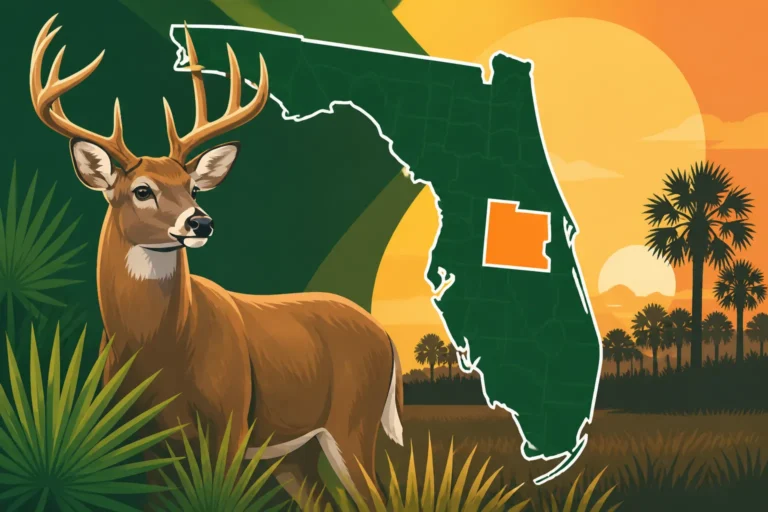
Finding quality public land to pursue deer in Osceola County can feel like trying to find a needle in a palmetto patch. The vast, often dense landscapes present unique challenges, and navigating regulations, access points, and the sheer amount of undeveloped acreage can be daunting for even seasoned hunters. This guide is here to cut through the confusion, helping you understand the terrain, find the best opportunities, and equip you with the knowledge to make your next public land deer hunt in Osceola County a success.
Understanding Osceola County's Unique Landscape for Deer Hunting
Osceola County sits in that sweet spot where central Florida transitions from rolling pastureland to vast swamps and pine flatwoods, creating a diverse and sometimes challenging environment for deer hunting. Unlike the more open big woods of other states, Florida's deer often call incredibly thick cover home, making traditional hunting tactics a bit harder to execute. You're not just looking for a deer; you're often looking for a deer that might be hidden by palmetto just feet away.
Habitat Types and Deer Behavior
The landscape of Osceola County is a mosaic of different habitats, each playing a crucial role in how deer live and move. You'll find expansive pine flatwoods, often interspersed with dense palmetto and gallberry thickets. These areas provide excellent cover and browse, especially after a prescribed burn has stimulated new growth. Deer use these thickets not only for bedding but also for travel corridors, making them prime spots for still-hunting or carefully placed stands.
Then there are the cypress swamps and hydric hammocks, particularly prevalent around the Kissimmee River basin and other water features. These can be almost impenetrable in places, but they offer critical refuge from hunting pressure and often contain higher ground "islands" where deer will bed during wet periods. Understanding how deer navigate these swamp edges and higher ground is key. A deer might cross a small slough to get from one palmetto head to another, creating a natural funnel that's worth scouting. You'll often find deer sign along these transition zones, where the dry land meets the wet, as they offer both food and escape routes. Hunting Florida Cypress Swamp Edges can teach you more about this specific habitat.
Open pastureland and agricultural fields also dot the Osceola landscape, particularly on private holdings, but their influence extends to public lands bordering them. Deer will often venture out into these open areas to feed during low light hours, especially on acorns or planted food plots where available. However, they are always looking for quick access back to the security of the thick cover, making the field edges and treelines excellent ambush points. The hot, humid climate means deer often become more nocturnal during warmer periods, emphasizing the importance of hunting dawn and dusk and focusing on water sources.
Deer Population and Management Zone Context
Osceola County falls entirely within Florida's Four Deer Management Zones Explained, specifically Zone C. This zone has distinct season dates and regulations compared to other parts of the state, so it's absolutely crucial to be aware of the specific archery, muzzleloader, and general gun season dates for Zone C. Typically, the rut in Zone C occurs a bit later than in Zone A but earlier than in some extreme South Florida areas, generally peaking in September and October. This means early archery season can be a fantastic time to catch bucks in their pre-rut patterns. Hunting Florida's Zone C Early Archery provides in-depth strategies for this period.
The deer population in Osceola County is healthy, though deer densities might not be as high as in some other states. Florida deer tend to be smaller-bodied than their northern cousins, but don't let that fool you – they are tough, wary animals perfectly adapted to their environment. Bucks on public land in Osceola County are often hard-earned trophies. The state's management approach focuses on sustainable harvest, and while antler point restrictions are common in some WMAs, they aren't universal across all of Osceola County's public land opportunities. Always double-check the specific WMA regulations for any antler point rules before you hunt.
Navigating Public Land Opportunities in Osceola County
Florida's public lands offer incredible opportunities, but they come with their own set of rules and challenges. In Osceola County, understanding where you can hunt, how to access it, and what permits you need is your first step toward success.
Key Wildlife Management Areas WMAs and Their Specific Rules
Osceola County is home to, or borders, several significant Wildlife Management Areas (WMAs) that offer public deer hunting. Two of the most prominent that touch or are within Osceola are the Three Lakes WMA and parts of the Green Swamp West WMA.
Three Lakes WMA: Located entirely within Osceola County, Three Lakes WMA is a gem for hunters. It's characterized by expansive pine flatwoods, oak hammocks, and numerous cypress swamps, making it classic Florida deer habitat. Access often requires a quota permit for certain seasons, which means you need to apply in advance through the FWC lottery system. Other periods might be open to daily use permits or even just a WMA stamp. The quota system helps manage hunting pressure, leading to potentially better hunting experiences, but it also means planning ahead is paramount. You'll need to check specific hunt dates, application periods, and permit requirements well in advance. Keep an eye out for specific check station requirements where you might need to register your hunt and report your harvest. Three Lakes Wildlife Management Area offers more specific details about this popular area.
Green Swamp West WMA: While much of the Green Swamp WMA system lies west of Osceola, portions of Green Swamp West WMA extend into the county. This WMA is renowned for its vast, primitive feel, characterized by dense cypress swamps, wet prairie, and scattered pine islands. Deer hunting here can be particularly challenging due to the rugged terrain and often limited access, but it offers a true wilderness experience. Like Three Lakes, Green Swamp West often operates under a quota permit system for deer seasons. Navigating the Green Swamp can be a real test of endurance and woodsmanship, but the rewards can be significant. Hunting Florida's Green Swamp delves deeper into the unique aspects of this incredible area.
It's vital to remember that all WMAs require a Management Area Permit in addition to your base hunting license, and any specific quota permits. These permits contribute to the ongoing management and conservation efforts that keep these public lands viable for hunting. Always carry your permits and licenses with you, preferably on your phone via the FWC app, as well as a hard copy if possible, especially in areas with spotty cell service.
Utilizing Mapping Tools for Access and Scouting
In Florida's dense and often unmarked public lands, a reliable mapping tool isn't just a luxury; it's an absolute necessity. Tools like onX Hunt and GoHunt have revolutionized how hunters approach public land scouting and navigation. These platforms offer detailed aerial imagery, topographic maps, and crucial layers that display public and private land boundaries, WMA borders, and even land ownership information.
Before you even set foot in Osceola County, you can use onX Hunt to digitally scout potential hunting spots within WMAs. Look for pinch points where deer are funneled, transition zones between different habitat types (like where a pine island meets a cypress swamp), and areas with difficult access that might deter other hunters. The ability to see property lines clearly prevents accidental trespassing onto private land, which is a real concern in areas where public and private holdings can be intertwined. You can drop waypoints on potential stand locations, bedding areas, and water sources, creating a comprehensive plan before you ever leave home.
GoHunt, while often highlighted for Western big game, also offers robust mapping features that can be applied to Florida's terrain. Its detailed satellite imagery can help identify subtle elevation changes, drainage patterns, and vegetation density that might not be obvious on a standard map. Using these tools, you can identify potential travel corridors, locate remote islands of high ground within swamps, and plan your entry and exit routes meticulously. This pre-season digital scouting is invaluable for saving time and energy once you're on the ground. Reading Aerial Photos for Florida Deer can give you further insights into effectively using these tools.
When you're actually in the woods, the GPS capabilities of these apps are critical. They allow you to pinpoint your exact location, navigate through dense cover, and find your way back to your vehicle, even in areas that all look the same. Downloading offline maps is essential, as cell service can be nonexistent in many parts of Osceola's WMAs.
| WMA Feature | Three Lakes WMA | Green Swamp West WMA |
|---|---|---|
| Location | Primarily Osceola County | Parts in Osceola, Polk, Lake, Sumter Counties |
| Primary Habitat | Pine flatwoods, oak hammocks, cypress swamps | Extensive cypress swamps, wet prairie, pine islands |
| Access Type | Quota hunts for deer seasons; some daily use | Quota hunts for deer seasons |
| Terrain | Generally flat, some low-lying wet areas | Very rugged, challenging, often wet |
| Hunting Pressure | Moderate to High (due to popularity and access) | Low to Moderate (due to difficulty of access) |
| Special Regulations | Specific check station requirements, antler rules | Primitive weapon zones, very remote areas |
| Recommended for | Hunters seeking diverse habitat, good access | Experienced hunters looking for a wilderness challenge |
Essential Gear and Tactics for Osceola County Deer
Hunting in Osceola County's unique environment demands specific gear and refined tactics. The heat, the bugs, and the thick cover all conspire to make your hunt challenging, but with the right approach, you can turn these obstacles into advantages.
Weaponry and Ammunition Considerations
When it comes to legal weaponry in Florida's deer zones, you have a variety of options depending on the season. Archery season allows for traditional bows, compound bows, and crossbows. Many hunters find crossbows particularly effective in the thick cover of Osceola County, offering a flatter trajectory and less movement when taking a shot at close range. Crossbow Hunting During Florida's Archery Season provides more context here. For muzzleloader season, any legal muzzleloader can be used. During general gun season, centerfire rifles, shotguns firing slugs, and pistols are all permitted, provided they meet minimum caliber requirements.
Given the dense vegetation, shots are often close-range, and the deer, while not as large-bodied as northern whitetails, are still robust animals. This means ammunition choice is critical. For rifles, choose bullets that offer good expansion and energy transfer at closer distances, minimizing over-penetration in thick brush. Heavy-for-caliber, bonded bullets or those designed for rapid expansion are excellent choices. For shotguns, quality slugs are a must. The goal is to maximize stopping power and create a clear blood trail, which is absolutely essential when tracking in thick Florida cover. Minimum Bullet Diameter for Florida Rifles can offer specific details on regulations.
Clothing, Scent Control, and Bug Protection
Forget heavy insulated layers for most of Florida's deer season. Even in late fall and winter, mornings can be cool, but midday temperatures often soar. Lightweight, breathable, moisture-wicking clothing is paramount. Think quick-dry fabrics in layers that you can easily shed or add. Camouflage patterns that blend into the greens and browns of palmetto, cypress, and pine are ideal. Don't forget waterproof outerwear for pop-up showers or slogging through wet areas.
Scent control is a constant battle in Florida's humidity. Deer have incredible noses, and in the heat, human odor can be intense. Use scent-free detergents for your clothes, shower with scent-free soaps, and utilize scent-absorbing sprays. However, the most effective scent control strategy remains playing the wind. Wind and Thermals in Flat Florida Terrain is an article you absolutely need to read. Even in flat terrain, subtle thermals and wind shifts are constantly at play, especially at dawn and dusk. Always set up with the wind in your favor, anticipating how it might change throughout your hunt.
And then there are the bugs. Mosquitoes, ticks, and no-see-ums are a year-round reality in Osceola County. Effective bug protection is non-negotiable. Permethrin-treated clothing is highly recommended, as it kills insects on contact. Apply insect repellent containing DEET or picaridin to exposed skin. A Thermacell unit can be a game-changer for sitting quietly in a stand or ground blind, creating a mosquito-free bubble around you. Nothing ruins a hunt faster than being constantly harassed by biting insects.
Hunting Strategies for Thick Florida Cover
Hunting deer in Osceola County often means embracing the close quarters. Long-range shooting opportunities are rare on public land. Instead, focus on strategies that leverage the dense cover.
Still-hunting is an incredibly effective technique here. Moving slowly and deliberately through pine flatwoods, palmetto patches, or along swamp edges, pausing frequently to observe and listen, can put you right on top of a deer. Take one step, then scan for five minutes. Look for horizontal lines (a deer's back) in a vertical world (trees and palmetto fronds). Pay attention to subtle sounds, like a crunch of leaves or a flick of an ear. Still-Hunting Florida Palmetto Flatwoods details this method perfectly.
Stand hunting, whether from a tree stand or a ground blind, is also highly productive. Focus your stand placement on natural funnels, transition zones, or along scrape lines and well-used trails. Ground blinds are particularly popular in Florida because they offer excellent concealment in dense vegetation and help contain your scent. They also protect you from some of the elements and bugs. If you're going the ground blind route, Using a Ground Blind on Florida Public Land will be a valuable resource. The key is to get your stand up well before the season, or at least scout a few days in advance to allow deer to get used to the disturbance.
For hunters working in small groups, small deer drives can be effective, especially in dense palmetto heads or oak hammocks. This isn't about pushing deer miles, but rather slowly pushing a small block of cover with one or two drivers moving deer towards standers positioned at escape routes. Communication and safety are paramount, and everyone must be aware of their shooting lanes and the location of fellow hunters.
Maximizing Your Success on Osceola Public Lands
Hunting public land successfully in Osceola County requires more than just showing up on opening day. It demands dedication to scouting, adaptability, and a solid plan for after the shot.
Pre-Season Scouting and In-Season Adaptability
The most successful public land hunters are often the ones who put in the most effort during the off-season. Pre-season scouting, both digitally with tools like onX Hunt and physically on the ground, is critical. Look for fresh deer sign: tracks in sandy roads or mud, rubs on small pines, and active scrapes. Identify bedding areas in thick palmetto or cypress heads and plan your approach to them from downwind. Find reliable water sources, especially during dry periods, as these will concentrate deer activity. Scouting Florida Public Land Before Season cannot be stressed enough; it's the foundation of a successful hunt.
However, even the best pre-season plan needs to be adaptable. Deer patterns change due to hunting pressure, shifting food sources (like an unexpected acorn drop or lack thereof), and weather patterns. A cold front moving through can kick deer activity into high gear, while a sudden heatwave might make them more nocturnal. Be prepared to move your stand, adjust your entry/exit routes, or switch tactics based on what you're seeing in real-time. Observing fresh sign, noting where other hunters are (or aren't), and adjusting your strategy on the fly is key to consistent success.
Understanding Hunting Pressure and Finding Secluded Spots
Public lands in Florida can see significant hunting pressure, especially on opening weekends or during prime rut periods. The trick to finding success is often finding ground that other hunters overlook or are unwilling to access. This usually means walking further, sometimes much further, than most other hunters. The first few hundred yards from a parking area or main road often get hammered. Don't be afraid to put in the miles to get to less-pressured areas.
Another strategy is to identify natural barriers that deter casual hunters, such as wet areas, dense swamps, or particularly thorny thickets. While these areas are challenging to navigate, they often hold undisturbed deer. Using waders or even a small canoe/kayak to access areas cut off by water can open up untouched pockets of public land. Hunting during weekdays, if your schedule allows, also significantly reduces pressure. Later in the season, after the initial rush, deer can be found in more predictable patterns as they settle into less disturbed sanctuaries. Finding Ground Others Walk Past is a concept worth internalizing.
Deer Recovery and Processing in Florida's Climate
Successfully harvesting a deer in Osceola County is only half the battle. The warm Florida climate poses unique challenges for deer recovery and meat preservation. After the shot, give the deer enough time to expire, especially if the shot wasn't perfect. Then, methodically track your deer. Blood trailing in dense palmetto and swampy areas can be difficult, so mark your last known blood trail regularly. Blood Trailing After Dark in Florida is a skill worth honing, as it's often a necessity.
Once you find your deer, immediate field dressing is crucial to cool the meat down. Get the guts out as quickly as possible, and if you have ice packs, place them in the body cavity to aid cooling. If you're hunting in hot weather, consider bringing a sled or game cart to expedite the recovery, especially if you have a long drag out. Once back at your vehicle, get the deer to a cooler with plenty of ice, or to a processor, as soon as possible. Florida's heat and humidity can spoil meat quickly, so don't delay. Field Dressing a Deer in Hot Weather is a must-read for anyone hunting in Florida. Ensuring your hard-earned venison is properly cared for will make all the effort worthwhile.
Disclaimer
This article is for general informational purposes only and does not constitute professional advice. Laws, prices and regulations vary by location and change over time. Consult a qualified professional for guidance on your specific situation.