Madison County Public Hunting Ground
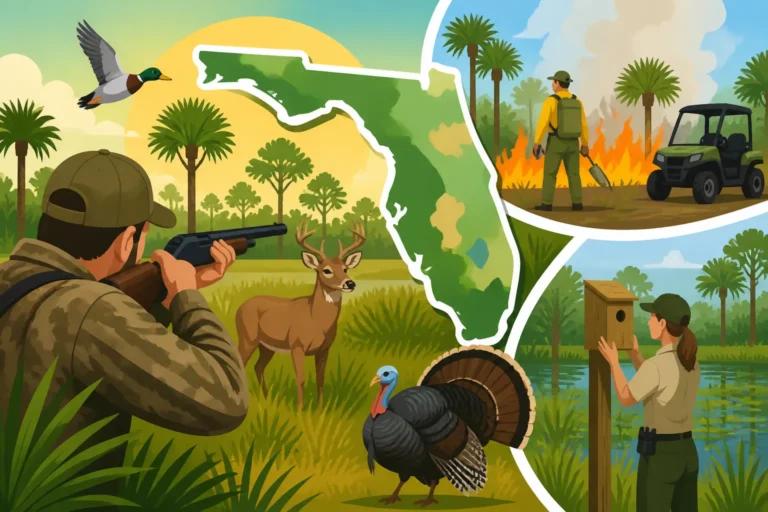
Hunting public land in Florida can feel like trying to find a needle in a haystack, especially when you're looking for quality opportunities in a specific area like Madison County. Between navigating dense palmetto thickets, understanding ever-changing regulations, and competing with other hunters, it’s easy to feel overwhelmed before you even step foot in the woods. This comprehensive guide is designed to cut through the confusion, offering a realistic look at what it takes to successfully pursue game on Madison County's public hunting grounds, helping you prepare, strategize, and ultimately, find success in this unique North Florida landscape.
Understanding Madison County's Public Hunting Landscape
Madison County, nestled in the northern reaches of Florida, offers a distinct public hunting experience compared to other parts of the state. It sits where the expansive pine plantations and hardwood bottoms characteristic of the Panhandle begin to blend with the flatter, often swampy terrain found further south. This creates a diverse habitat that can be both challenging and incredibly rewarding for hunters willing to put in the work. Unlike the vast, sprawling national forests, public hunting opportunities in Madison County might be found in state forests, smaller Wildlife Management Areas (WMAs), or even land managed under specific state programs.
General Characteristics of Public Land in North Florida
When you're looking at public lands in Madison County, you're generally going to encounter a mix of pine forests, often planted in rows by timber companies, interspersed with significant hardwood hammocks and bottomland swamps along creek and river drainages. These diverse habitats are crucial for different game species. The pine uplands might hold deer and turkeys feeding on acorns during the fall, while the dense creek bottoms offer security cover and water sources, especially during warmer periods. Understanding this mosaic is the first step in effective scouting and hunting. You'll find areas that are relatively dry and easy to walk, suddenly giving way to thick, nearly impenetrable cypress or titi swamps, which can be fantastic sanctuaries for game but tough for hunters to access.
For a deeper dive into the state's broader public land offerings, consider exploring Public Hunting Land in Florida.
Permitting and Access Requirements
Hunting on any public land in Florida, including areas you might find in Madison County, typically requires more than just a base hunting license. You’ll almost certainly need a Florida hunting license, of course, but often an additional management area permit is also a must. Many of the best public hunting grounds operate under the state's Wildlife Management Area (WMA) system, which often entails specific permit requirements, and sometimes even quota hunts where access is limited to a lucky few drawn through a lottery. It's crucial to check the specific regulations for any parcel of public land in Madison County that you plan to hunt, as rules can vary greatly from one WMA or state forest to another. Some might have daily check-in/check-out, while others might simply require you to possess the correct license and permits. Familiarize yourself with The Florida WMA Management Area Permit to avoid any surprises.
Navigating the Terrain and Regulations
Florida's hunting regulations are zone-specific, and Madison County falls into one of the state's designated deer management zones. This means specific opening and closing dates for various seasons, as well as bag limits and legal methods of take, will apply to this area. It's not a "one size fits all" approach across the state, and staying informed about the particular rules for Madison County is paramount to a legal and ethical hunt. Beyond deer, other game species like turkey, hogs, and small game will also have their own sets of regulations regarding seasons and zones.
Understanding Madison County's Deer Zone
Madison County is situated within Florida's Zone D, which is often characterized by an earlier general gun season compared to some of the southern zones, and a different rut timing. The specific dates for archery, muzzleloader, and general gun seasons for Zone D will dictate when you can legally pursue deer. This zone structure is critical because it dictates when deer are most active due to breeding season, or when certain weapon types are permitted. For instance, if you're planning an archery hunt, understanding the Zone D archery opener is vital. You can find more comprehensive details on how these zones work by reading Florida's Four Deer Management Zones Explained. Always double-check the current Florida Fish and Wildlife Conservation Commission (FWC) regulations for the precise dates before planning your trip, as they can be adjusted periodically.
Essential Gear for North Florida Woods
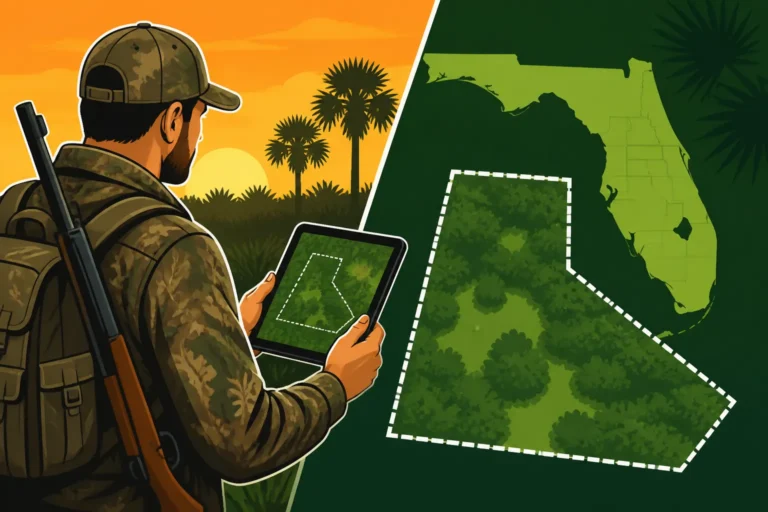
Hunting in Madison County means preparing for a mix of environments. You'll likely encounter sandy uplands, thick palmetto flats, and soggy cypress swamps or creek bottoms. Waterproof boots are practically non-negotiable, even if you plan to stick to what looks like dry ground. The weather can also be highly variable, from crisp cool mornings in the fall to surprisingly warm afternoons, so layering your clothing is a smart strategy. Insect repellent is a year-round necessity, particularly in areas with standing water. Beyond personal gear, having a reliable GPS unit or a mapping app like onX Hunt on your phone is absolutely critical. Public land boundaries can sometimes be subtle, and knowing exactly where you are relative to property lines or WMA boundaries can prevent accidental trespassing and ensure you stay within legal hunting areas. Tools like onX Hunt allow you to download maps for offline use, which is a lifesaver when cell service inevitably disappears in remote sections of the woods.
| Item | Importance | Notes |
|---|---|---|
| Waterproof Boots | High – essential for diverse terrain | Must handle wet, muddy, and sandy conditions; consider knee-high if venturing into swampy areas. |
| Layered Clothing | High – adapts to changing Florida weather | Allows adjustment from cool mornings to warm afternoons; quick-drying materials are a bonus. |
| GPS/Mapping App | Critical – for navigation and boundary awareness | onX Hunt is highly recommended for its detailed public/private land layers and offline capabilities. |
| Insect Repellent | High – year-round necessity | Especially vital near water sources and dense vegetation where mosquitoes and ticks thrive. |
| Hydration Pack/Water | High – Florida heat can be deceptive | Even in cooler months, staying hydrated is important, especially when hiking significant distances. |
| First-Aid Kit | High – for minor injuries and emergencies | Include snake bite kit, bandages, antiseptic, pain relievers. |
| Headlamp/Flashlight | High – for early morning/late evening access | Always carry extra batteries. |
| Compass & Map | Moderate – backup to electronic navigation | Good practice to have, especially if electronics fail. |
Game Species and Opportunities in Madison County
Madison County's varied habitats support a range of game species, offering different challenges and rewards for hunters. While deer are often the primary draw, don't overlook the potential for turkeys, hogs, and various small game. Each species requires a unique approach, understanding their habits, and knowing the best times and places to find them.
Deer Hunting in Zone D
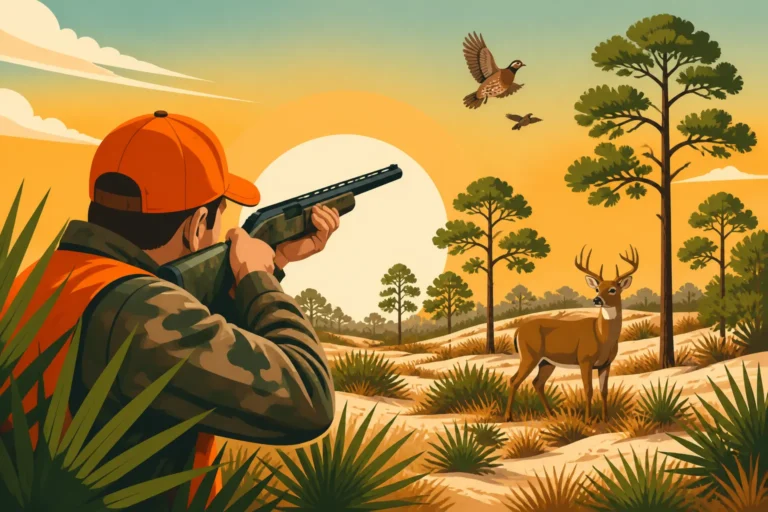
Deer hunting in Madison County, as part of Zone D, presents opportunities from early archery season right through to general gun season. The local deer herd thrives in the mix of pine uplands and hardwood bottoms, often utilizing the thick cover of swamps for bedding and security. During the early archery season, focusing on natural food sources like acorns in oak hammocks, or trails leading to water sources, can be productive, especially as the temperatures can still be quite warm. As the general gun season progresses, deer movement might increase, especially during cooler fronts or as the rut begins to pick up. Patience and persistent scouting, even through a good mapping tool like GoHunt, will be your best assets. Hunters serious about tagging a whitetail should consider White-Tailed Deer Across Florida for a broader context of deer behavior in the state. Remember to report your harvest, as Florida Deer Reporting Requirements are mandatory.
Feral Hogs: A Year-Round Pursuit
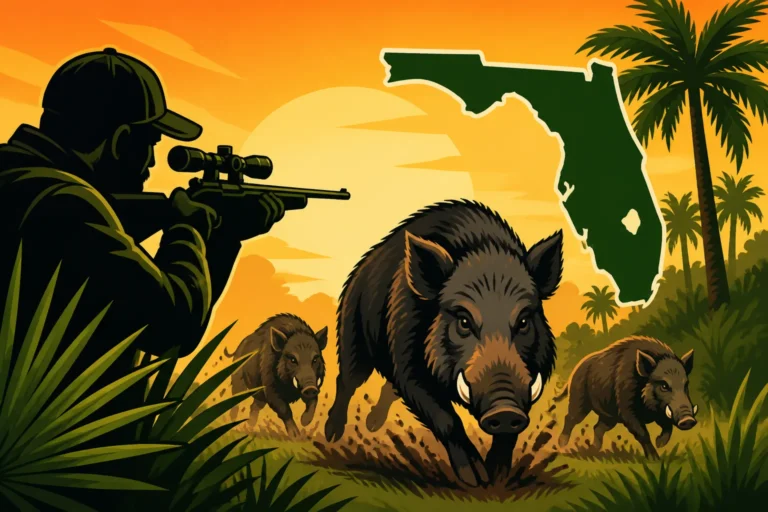
One of the most exciting and consistent hunting opportunities in Madison County is feral hogs. These intelligent and prolific animals are considered a nuisance species in Florida, meaning there's generally no closed season or bag limit on private land, and very liberal rules on public lands (always check WMA specific rules!). Hogs are masters of adapting to various habitats, so you can find them anywhere from the driest pine flatwoods to the deepest swamps. They're often drawn to areas with active rooting, where they've dug up the ground for food. Targeting hogs can be a year-round affair, providing action outside of traditional deer and turkey seasons. You might even consider Night Hunting Hogs With Lights in Florida if local regulations allow. For an in-depth look at hunting these animals, check out Year-Round Hog Hunting in Florida.
Eastern Turkeys in North Florida
Madison County also falls within the range of Florida's Eastern turkey population. Unlike the Osceola turkeys found further south, these birds are genetically similar to those found throughout the southeastern United States. Hunting them often involves listening for gobblers at dawn, trying to pinpoint their roosts, and then setting up strategically to call them in. Public land turkeys can be particularly wary due to hunting pressure, so stealth, patience, and excellent calling skills are paramount. Look for birds in areas with open pine timber, especially those with a good understory for bugging, and near hardwood edges where they might roost. Learning about Eastern Turkeys in the Florida Panhandle can offer valuable insights into their behavior and habitat preferences in this region. The spring season is when most hunters target these birds, when gobbling activity is at its peak.
Planning Your Hunt in Madison County
Successful public land hunting in Madison County, or anywhere in Florida for that matter, is rarely accidental. It requires diligent planning, thorough scouting, and a realistic understanding of the challenges involved. The reward, however, of harvesting game on your own terms in these wild landscapes, is truly unmatched.
Pre-Season Scouting and E-Scouting
Before you even load up your truck, dedicated pre-season scouting is crucial. Since Florida terrain can be tough to walk, utilizing tools like onX Hunt or even Google Earth for "e-scouting" can save you a ton of time and legwork. Look for natural funnels, pinch points, areas of dense cover adjacent to more open feeding grounds, and water sources. Identify potential bedding areas and travel corridors. Pay attention to how different habitat types transition, as these edges are often high-activity zones for deer and turkeys. Using the topographic and aerial imagery layers on an app like onX Hunt allows you to analyze the terrain from home, identifying promising spots to check out in person. While e-scouting can highlight potential areas, there's no substitute for walking the ground yourself. Understanding Scouting Florida Public Land Before Season will give you a significant advantage.
Dealing with Hunting Pressure
Public land in Florida, especially areas with good access, can experience significant hunting pressure, particularly during the opening weeks of deer and turkey seasons. This pressure can make game more nocturnal or push them into the thickest, most inaccessible cover. To combat this, consider hunting during weekdays, or focusing on areas that require a longer walk to access. Many hunters won't venture more than a mile or so from a road or parking area, so putting in the extra effort to get away from the crowds can often pay dividends. Don't be afraid to bushwhack into dense palmetto or slog through a cypress fringe if it means finding undisturbed game. Sometimes, just finding ground that others walk past is the secret to success. Finding Ground Others Walk Past is a mindset that will serve you well.
Respecting Regulations and Fellow Hunters
Finally, it’s imperative to always adhere to Florida's hunting regulations and show respect for fellow hunters and the land itself. This includes proper licensing and permits, knowing your game laws inside and out, and practicing ethical shot placement. Leave no trace behind – pack out everything you pack in, and perhaps even a little extra trash you might find. Be aware of safe shooting lanes, especially if you know other hunters are in the vicinity. Public land is a shared resource, and responsible behavior ensures that these opportunities remain available for everyone, for generations to come. This respect also extends to understanding where you can legally place a tree stand or ground blind, as Ground Blind Rules on Florida WMAs can vary.
Disclaimer
This article is for general informational purposes only and does not constitute professional advice. Laws, prices and regulations vary by location and change over time. Consult a qualified professional for guidance on your specific situation.