Best Florida Ground for Public Land Hogs
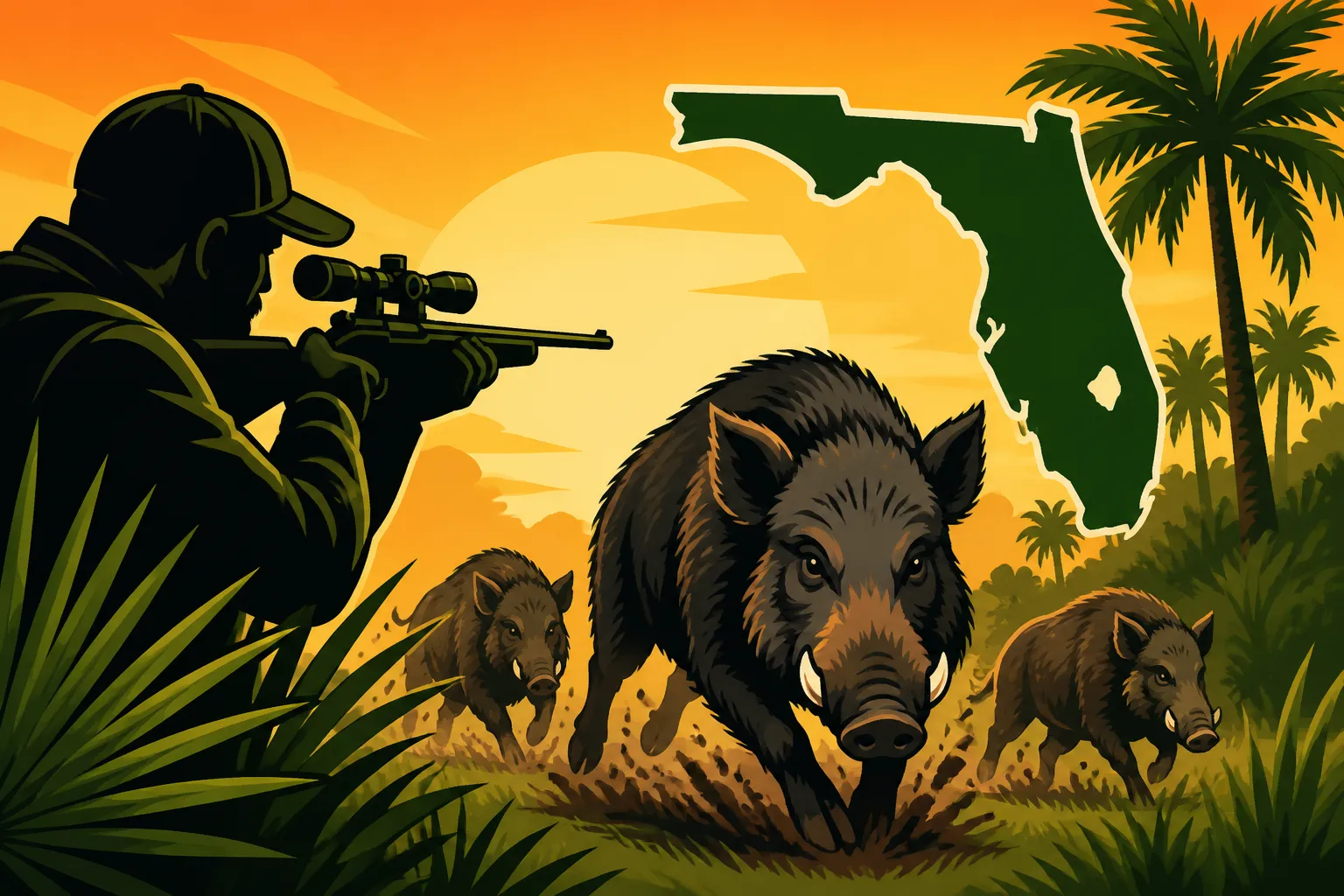
There's nothing quite like the thrill of chasing feral hogs across Florida's wild landscapes, especially when you're doing it on public land. Many hunters feel a real crunch trying to find good spots that aren't overly pressured or impossible to access. This guide is all about cutting through that frustration, helping you pinpoint some of the best public grounds in the state where you can put boots on the ground and reliably encounter these wily creatures.
Understanding Where Florida's Public Land Hogs Thrive
Florida's diverse ecosystems, from vast pine forests to cypress swamps and palmetto flatwoods, are perfect breeding grounds for feral hogs. These incredibly adaptable animals are often found in areas with dense cover, plentiful water sources, and an abundance of food—think acorns, roots, tubers, and agricultural runoff if you're near farmland. The key to successful public land hog hunting isn't just knowing that hogs are around, but understanding why they are in certain places and what makes those spots consistently productive.
When you're looking at a map, or even driving past a potential area, consider the "edge" habitat. Hogs love the transition zones between different cover types. A swamp edge bordering a pine island, or a thick palmetto head adjacent to a cleared field, can be a magnet for them. These areas provide both bedding cover and easy access to feeding grounds. Water is also a huge draw, especially in Florida's often-warm climate. Areas with abundant creeks, ponds, sloughs, or even just wet depressions will concentrate hogs, as they need to cool off and often wallow in the mud. Knowing How Many Feral Hogs Roam Florida can give you a sense of just how widespread these animals are, making them a fantastic target for year-round hunting opportunities.
Another crucial factor is food. While acorns are a prime hog food source in the fall, they're opportunists. They'll root up just about anything, including roots, fungi, and invertebrates. Pay attention to areas where you see recent rooting activity – this is your freshest sign. Sometimes, public lands might border private agricultural fields, and hogs will often use the thick public land cover for bedding and security during the day, only to slip out into fields at night to feed on crops. This creates predictable travel corridors that can be exploited. For a full rundown on regulations, remember that Year-Round Hog Hunting in Florida means you can pursue them anytime, making scouting and hunting outside of deer season highly effective.
Top Wildlife Management Areas (WMAs) for Hog Hunting
Florida's Wildlife Management Areas (WMAs) are arguably some of the best public land bets for hog hunting, offering a vast array of habitats and varying levels of hunting pressure. The Florida Fish and Wildlife Conservation Commission (FWC) manages these areas, and while some require quota permits for specific seasons, many allow year-round or extensive hog hunting without a quota. It's vital to check the specific WMA regulations before you go, as rules can differ significantly from one area to another.
One of the consistent hotbeds for public land hogs is the Green Swamp Wilderness Preserve. Located between Orlando and Tampa, this WMA is a vast expanse of cypress swamps, pine flatwoods, and hardwood hammocks. Its sheer size and dense, often challenging terrain mean that hogs have plenty of places to hide and escape pressure. While navigating the Green Swamp can be tough, those willing to put in the effort, especially in drier periods when access is easier, are often rewarded. The Green Swamp is a classic example of a large, contiguous habitat that supports a robust hog population. You can learn more about its hunting opportunities in Hunting Florida's Green Swamp.
Further north, Apalachicola National Forest and its associated WMAs are also prime hog territory. The vastness of this area in the Panhandle, characterized by longleaf pine forests, cypress swamps, and wet prairies, provides ample cover and food. Hogs here thrive in the diverse landscape, and while deer hunters often focus on specific game, the presence of hogs is almost a given. The sheer scale allows for a true wilderness experience, and many hunters report consistent encounters with hog sounders. When scouting this immense area, tools like onX Hunt can be incredibly valuable for understanding terrain, finding water sources, and identifying potential travel corridors. You can read more about this extensive hunting ground in Apalachicola National Forest Hunting.
Other notable WMAs that frequently produce hogs include:
- Big Cypress National Preserve: Down in South Florida, this immense area, part of the Everglades ecosystem, offers unique hunting opportunities. Hogs here are often found along cypress strands and hammocks, especially during drier periods when water recedes and concentrates animals. Access can be challenging, often requiring airboats or swamp buggies, but the rewards can be substantial. Hunting the Everglades and Big Cypress delves deeper into these challenging but rewarding areas.
- Rotenberger Wildlife Management Area: Also in South Florida, this WMA is known for its wetland habitats. Hogs here thrive in the dense cover and often concentrate around higher ground or accessible edges during high water.
- Three Lakes Wildlife Management Area: Situated in Central Florida, this WMA offers a mix of pine flatwoods, prairies, and marshes, making it another reliable spot for hogs. It’s also a great spot to explore if you're interested in Hunting Hogs on WMA Land in the Off-Season when deer pressure is absent.
When considering a WMA, always check the FWC website for area-specific regulations, hunt dates, and special restrictions like dog hunting rules or legal equipment. Some WMAs allow Dog Hunting Hogs in Florida, which can be a highly effective way to pursue them.
| WMA/Public Land Type | Primary Habitat | Hog Potential | Typical Access Challenges | Best Time to Hunt |
|---|---|---|---|---|
| Green Swamp Wilderness | Cypress swamps, pine flatwoods, hardwood hamm. | High | Dense terrain, seasonal water levels, limited roads | Drier periods (fall/winter) |
| Apalachicola National Forest | Pine forests, cypress swamps, wet prairies | High | Vastness, remote areas, some wet spots | Year-round |
| Big Cypress National Preserve | Everglades swamps, cypress strands, hammocks | Medium-High | Airboat/buggy access, high water during wet season | Drier periods (winter/spring) |
| Three Lakes WMA | Pine flatwoods, prairies, marshes | Medium | Seasonal hunting pressure, some wet areas | Year-round, especially off-season |
Scouting and Strategy for Public Land Hogs
Finding the "best" ground for public land hogs often comes down to effective scouting and having a solid strategy. These animals are smart, reproduce quickly, and learn to avoid pressure. This means that successful hog hunters are often those who are willing to go where others aren't, or to hunt when others aren't.
One of the most critical tools for public land hunting is a good mapping application like onX Hunt or GoHunt. These platforms allow you to study satellite imagery, identify potential bedding and feeding areas, locate water sources, and mark trails or points of interest long before you ever set foot in the woods. Look for dense cover that offers sanctuary, especially areas surrounded by open timber or fields. Identifying choke points, creek crossings, or natural funnels that hogs might use to travel between these areas can be incredibly productive. Regularly checking aerial photos for recent timber cuts or prescribed burns can also reveal new food sources or clear travel lanes that hogs will quickly exploit. Don't underestimate the power of Reading Aerial Photos for Florida Deer and applying that same logic to hogs.
On the ground, scouting involves looking for fresh sign. This includes rooting, rubs on trees (hogs love to scratch themselves), tracks (often distinct and rounder than deer tracks), and scat. Pay close attention to wallows—muddy depressions where hogs cool off and remove parasites. If you find a fresh wallow, you're in a highly active area. Follow these signs to discover their preferred travel routes. Often, these trails will lead from bedding areas in thick cover to feeding areas or water. Scouting Florida Public Land Before Season is not just for deer; it's absolutely vital for locating consistent hog activity.
When it comes to hunting strategy, patience and persistence are paramount. Hogs can be active at any time of day, but they are often most active during cooler periods—early morning, late evening, or even at night if regulations allow (though night hunting is typically restricted on public land). Still-hunting slowly through known hog habitat, paying close attention to the wind, can be very effective. Hogs have an incredible sense of smell, so playing the wind correctly is non-negotiable. Using a ground blind can also be highly effective, especially if you've identified a well-used travel corridor or a consistent feeding area. Using a Ground Blind on Florida Public Land can give you an edge by keeping you concealed and your scent contained.
Remember that public land often sees pressure, especially during deer season. Hogs will become more nocturnal and utilize the thickest, nastiest cover to avoid hunters. Therefore, hunting in the off-season or targeting areas that are harder to access can significantly increase your success rates. Don't be afraid to walk further, or even utilize non-motorized boats like canoes or kayaks to access remote areas along rivers and swamps. This willingness to Finding Ground That Sees Fewer Hunters is often the difference between success and frustration. Always make sure to check the FWC's interactive public hunting land maps or their mobile app for the most current rules and accessible points for the WMA you plan to hunt. Using the FWC Public Hunting Map will be your best friend in planning any public land excursion.
Disclaimer
This article is for general informational purposes only and does not constitute professional advice. Laws, prices and regulations vary by location and change over time. Consult a qualified professional for guidance on your specific situation.