Best Florida Ground for Public Land Turkey
Finding quality turkey hunting on Florida's public lands can feel like trying to find a needle in a haystack, especially when you're dreaming of that elusive Osceola gobbler or a strutting Eastern. The sheer amount of diverse habitat, coupled with increasing hunter pressure, often leaves folks wondering where to even begin. This guide will walk you through understanding the unique characteristics of Florida's public turkey hunting opportunities, from recognizing prime habitat to smart scouting strategies, helping you put a plan together that truly ups your odds.
Florida's Turkey Zones and How They Affect Public Land Hunting
Florida isn't just one big homogenous turkey woods; we've got two distinct subspecies with their own specific territories and behaviors, which in turn dictate where and how you'll hunt them on public land. Understanding these zones is the very first step in crafting a successful strategy. It's not just about a line on a map; it's about the entire ecosystem influencing the birds.
The Elusive Osceola Zone in Peninsular Florida
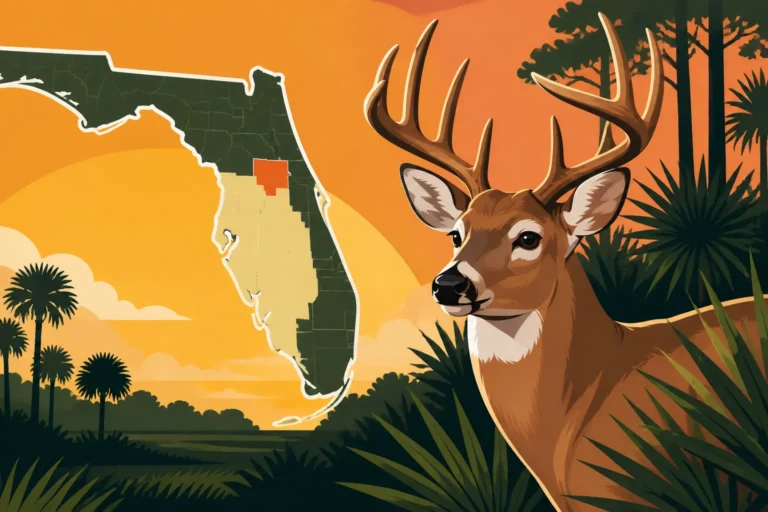
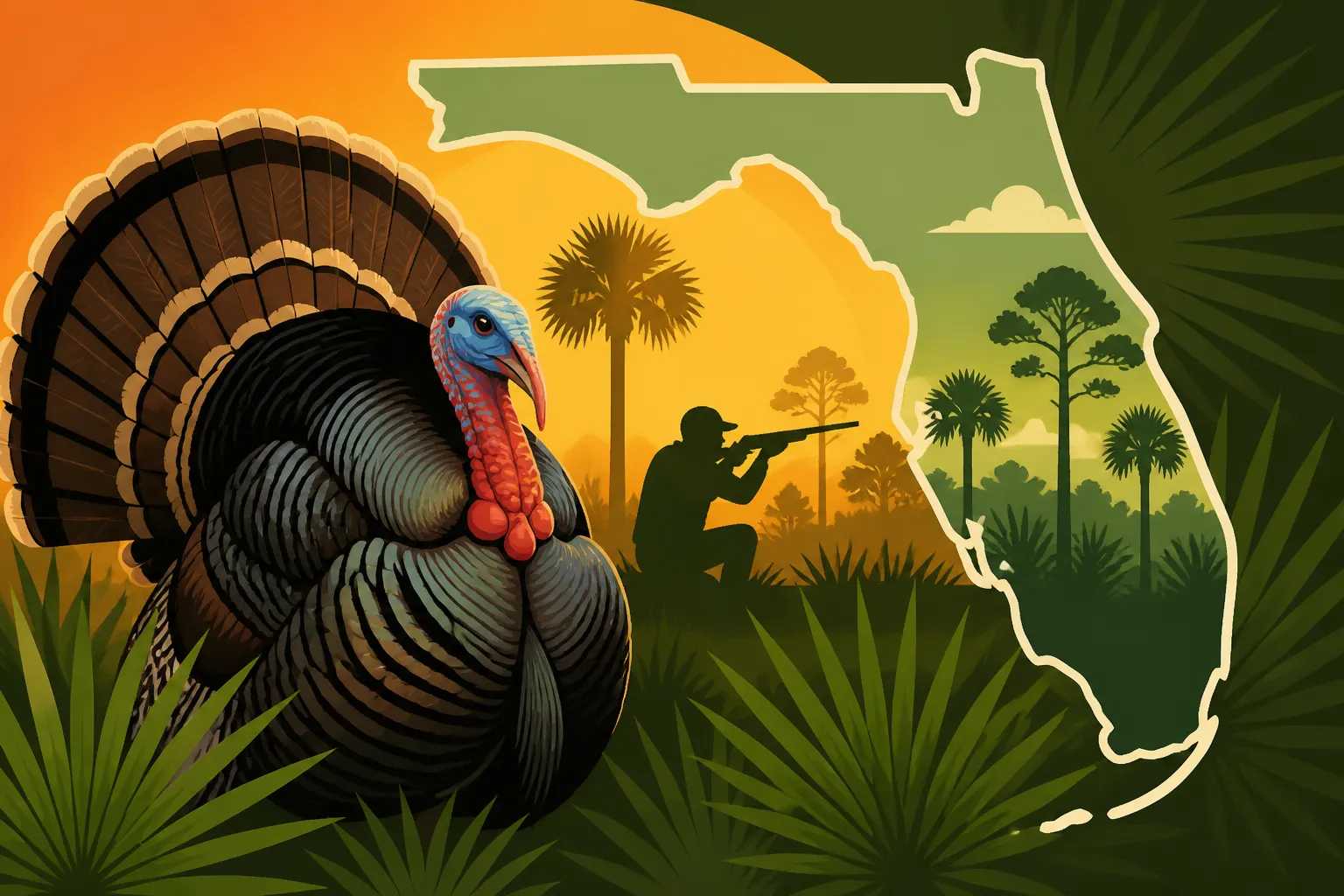
The Osceola turkey, often considered the holy grail for turkey hunters completing their Grand Slam, is found exclusively in peninsular Florida. This means if you're chasing an Osceola on public land, you're looking at areas roughly south of State Road 70, though the official line zig-zags a bit. These birds are known for being particularly wary and often occupy sprawling palmetto flats, cypress swamps, and pine islands. The terrain here can be incredibly thick and challenging to navigate, making calling and movement critical.
Many of Florida's Wildlife Management Areas (WMAs) in the Osceola zone offer good opportunities, but they are almost always quota hunts, meaning you have to apply and get lucky in a draw. This limits hunter numbers, which can be a blessing when you're out there. However, it also means you need to plan far in advance and understand the application process. For those fortunate enough to draw a tag, the experience of Hunting an Osceola Gobbler in Palmetto Scrub is truly unique, demanding patience and a deep understanding of the bird's behavior in these dense environments.
The Hardy Eastern Turkey in the Panhandle
Head north into Florida's Panhandle, and you'll find yourself in Eastern turkey territory. These birds are genetically distinct from their Osceola cousins and tend to inhabit habitat more typical of what many hunters associate with Easterns across the Southeast: mature hardwoods, mixed pine-hardwood forests, and agricultural edges. The Panhandle offers a mix of public lands, including larger National Forests like Apalachicola and Osceola, as well as numerous WMAs and State Forests.
While some Panhandle WMAs might also require quota permits for certain periods, there's often more general public access, especially in the National Forests. These areas can still be challenging due to vastness and varying degrees of hunting pressure. The birds here might respond a bit differently to calling, and the topography can be more rolling than the often-flat central and south Florida landscapes. Learning how to effectively hunt Eastern Turkeys in the Florida Panhandle involves adapting to these timbered environments, which can sometimes feel a world away from the palmetto and cypress of the south.
| Turkey Zone | Subspecies | General Location | Typical Habitat on Public Land | Hunter Access Tendency | Key Challenge |
|---|---|---|---|---|---|
| Osceola | Osceola | Peninsular Florida (South of SR-70 line) | Palmetto scrub, cypress swamps, pine flatwoods | Often quota-based WMAs | Dense cover, wary birds, limited permits |
| Eastern | Eastern | Florida Panhandle | Mixed pine-hardwood forests, creek bottoms, agricultural edges | More general access, some quota WMAs | Vastness, timbered terrain, finding unpressured birds |
Key Habitat Features and Signposts for Public Land Gobblers
Regardless of whether you're chasing an Osceola or an Eastern, understanding the habitat is paramount. Turkeys aren't just anywhere in the woods; they have specific needs for roosting, feeding, breeding, and security. On public land, where pressure can push birds into less accessible areas, identifying these key features becomes even more critical.
Roosting Areas: The Foundation of Your Morning Hunt
Every successful turkey hunt starts with knowing where the birds spend the night. On public land, roosting areas are often found in mature, tall timber that offers security from ground predators and good visibility. Think tall pine stands on a slight rise in the Panhandle, or massive cypress trees bordering a slough or hammock edge in central Florida. These areas often provide clear flight paths into and out of the trees. Scouting for droppings, feathers, and even disturbed ground beneath potential roost trees can give you vital clues.
The beauty of finding a public land roost is the opportunity it presents for a pre-dawn setup. Getting in quiet and early, well before the first gobble, allows you to position yourself for that critical fly-down period. This is where tools like onX Hunt truly shine, helping you mark potential roost sites and navigate to them in the dark without busting birds. You'll want to listen for those tell-tale tree yelps and wing beats as the sun begins to lighten the eastern sky, and be prepared to call that bird off the limb. Calling an Osceola Off the Roost requires precision and often a subtle touch, especially when other hunters might be in the vicinity.
Feeding and Strutting Zones: Where Birds Spend Their Day
Once on the ground, turkeys move to feed and, during the spring, to strut and breed. On public land, these areas will vary significantly by region. In the Panhandle, look for oak hammocks rich with acorns from the previous fall, creek bottoms with various mast-producing trees, or even the edges of planted pine plantations where insects and greens are abundant. In peninsular Florida, feeding often occurs in open palmetto flats where insects are plentiful, or along the edges of cypress heads and oak hammocks. Any area with fresh rooting by feral hogs can also be a magnet for turkeys, as hogs churn up tasty insects and tubers.
Strutting zones are typically more open areas adjacent to dense cover, allowing a gobbler to display for hens while still having an escape route. On public land, these could be old logging roads, small clearings, fire breaks, or even slightly thinned pine stands. Look for fresh tracks, wing drag marks, and droppings to confirm activity. These areas are prime spots for setting up Decoy Placement for Pressured Osceola Birds or practicing Run-and-Gun Turkey Tactics on Florida Public Land, moving between known strut zones until you strike a hot gobbler. Knowing where these birds are likely to spend their day is just as important as knowing where they roost, guiding your mid-morning and afternoon hunting efforts.
Travel Corridors and Security Cover
Public land turkeys, especially those that have been bumped around a bit, rely heavily on established travel corridors and dense security cover. These corridors often follow natural breaks in the terrain, such as creek bottoms, old fence lines, or the edges of different habitat types. A small strip of woods bordering a large open field, or a narrow finger of pines extending into a swamp, can be a high-traffic area. Turkeys use these routes to move between roosting, feeding, and strutting areas with a sense of safety.
Security cover, like thick palmetto heads, dense pine thickets, or deep cypress swamps, provides turkeys with a place to escape pressure. On public land, where other hunters might be moving through, birds often retreat to these impenetrable areas during the middle of the day. Don't be afraid to hunt the edges of these thickets or even try to penetrate them if you hear a gobbler sounding off deep inside. While challenging, sometimes the best birds are found where other hunters aren't willing to go. Understanding these patterns is a big part of Scouting Florida Public Land Before Season, as you look for these natural funnels and escape routes.
Strategic Scouting and Planning for Florida Public Land Turkeys
Hunting turkeys on public land in Florida means you can't just show up on opening day and expect success. These birds are often wary, and the sheer size and diversity of public land require a strategic approach. Pre-season work and smart in-season decision-making are your best friends.
Digital Scouting: Your Eyes in the Sky
Before you ever set foot on public land, dedicate significant time to digital scouting. Online mapping tools are invaluable for narrowing down vast expanses. Think about using an app like onX Hunt, which lets you view public land boundaries, topo maps, and satellite imagery. Look for those key habitat features we just discussed: potential roosting timber, open areas for strutting, dense cover, and travel corridors along water sources or habitat edges. You can identify pinch points, saddles, and natural funnels that might concentrate bird movement.
Pay close attention to historical burn data, if available. Prescribed burns are common on many Florida public lands and can create excellent turkey habitat by opening up the understory and promoting new growth. Identifying areas burned six months to a year prior can point you to prime feeding grounds. Mark all potential hotspots and access points on your digital map. This initial phase of "armchair scouting" is critical for developing a game plan and prioritizing areas for physical scouting. It’s a lot like Reading Aerial Photos for Florida Deer, but with a turkey's specific needs in mind.
Boots-on-the-Ground Scouting: Confirming Your Intel
Once you've identified potential areas through digital scouting, it's time to hit the woods. Ideally, this happens weeks or even months before the season opens, but even a few days before can make a difference. Walk the areas you marked, confirming the habitat types, looking for actual turkey sign – tracks, droppings, feathers, dusting bowls – and listening for gobbles at dawn and dusk. This is your chance to verify if birds are actually using the habitat you've identified.
Listen for the soundscape of the area. Can you hear traffic? Are there other human disturbances? On public land, even during the off-season, you might encounter hikers, dog walkers, or other scouts. Pay attention to how the land lays and plan your approach routes – where you'll park, how you'll get to your desired setup location quietly in the dark. Bring your calls and practice locator calls (owl hoots, crow calls) to try and elicit shock gobbles without putting pressure on actual turkeys. This hands-on experience is irreplaceable and helps you truly understand the flow of the land, something a map can't fully convey.
Regions and Tactics for Pressured Public Land Birds
Florida's public lands, while abundant, can see significant hunter pressure, especially during the peak of turkey season. This means adapting your strategy beyond standard calling techniques and focusing on areas or times when other hunters might not be.
Targeting Less-Pressured Pockets
One of the best ways to find success on public land is to go where others aren't willing to go. This often means walking farther than most, penetrating thicker cover, or exploring areas that are just harder to access. Look at your onX Hunt map for those remote corners of WMAs, areas surrounded by swamps or vast palmetto fields, or sections that require a long hike from the nearest road. These "hard-to-reach" spots often hold unpressured birds that are more responsive to calls and less wary of human presence.
Sometimes, the less-pressured pockets aren't just about distance, but about timing. Hunting mid-week instead of opening weekend, or sticking it out during the midday lull when most hunters head back to camp, can put you on birds. Turkeys move throughout the day, and a gobbler that was quiet in the morning might be cruising for hens at 11 AM. Patience and persistence are key, especially when you know the birds are there, but they're acting cagey. Remember that Hunting Florida's Green Swamp or other vast, rugged areas can often yield these hidden gems.
Adapting Your Calling and Setup Strategies
Pressured public land gobblers have heard every box call, pot call, and mouth call under the sun. They're often "call shy" or, at the very least, extremely cautious. This means you need to adapt. Instead of aggressive calling, try subtle hen yelps and clucks. A soft tree yelp followed by a few quiet clucks can often be more effective than loud, demanding cuts. Don't be afraid to use locator calls to pinpoint a gobbler's general location, then slip in silently and set up, letting the woods go quiet before making minimal calls.
Your setup is also crucial. On public land, gobblers often circle extensively to get an advantageous position, or to confirm a hen's location before committing. Setting up with your back to thick cover and an open shooting lane in front is standard, but also consider your flanks. Utilizing a pop-up ground blind can also be highly effective for staying concealed, especially in open pine flats or areas with limited natural cover. Using a Ground Blind on Florida Public Land can give you an edge by allowing more movement and better concealment against wary birds. Always remember that safety is paramount, and ensure you know other hunters' locations if possible, especially when using decoys.
Dealing with Other Hunters and Managing Expectations
It's an unfortunate reality that on public land, you're not always alone. Encountering other hunters is a possibility, and knowing how to handle it respectfully is important. If you hear another hunter working a bird, move to a different area or try to circle widely to avoid interfering. If you accidentally bump into another hunter, a friendly wave and a quiet word can go a long way. Having a backup plan and multiple spots scouted can save your hunt if your primary area is occupied.
Finally, managing expectations is vital. Public land turkey hunting in Florida can be incredibly rewarding, but it's also incredibly challenging. Some days the birds just won't cooperate, or the pressure will be too high. Enjoy the process, learn from every outing, and celebrate every small victory, whether it's locating a new roost or getting a soft gobble in response to your call. The experience of being out in Florida's wild places, chasing these magnificent birds, is a trophy in itself.
Disclaimer
This article is for general informational purposes only and does not constitute professional advice. Laws, prices and regulations vary by location and change over time. Consult a qualified professional for guidance on your specific situation.