Collier County Public Hunting Access
Trying to navigate the vast, wild expanses of Collier County for public hunting access can feel like staring at a dense, green wall and wondering where to even begin. It’s a huge chunk of Southwest Florida, home to some of the most unique and challenging ecosystems in the state, and knowing where you can legally hunt, what permits you need, and how to even get there is half the battle. This guide is going to walk you through the ins and outs of public hunting in Collier County, helping you decode the regulations and pinpoint the best opportunities for a successful hunt.
Understanding Collier County's Public Hunting Landscape
Collier County is a behemoth, a mosaic of cypress swamps, pine flatwoods, palmetto prairies, and the legendary Everglades. This isn't your typical managed forest; it's truly wild, which offers incredible opportunities but also demands significant preparation and respect for the environment. Getting a handle on its unique characteristics is the first step to a successful public land hunt here.
The Sheer Scale and Diversity of Collier County
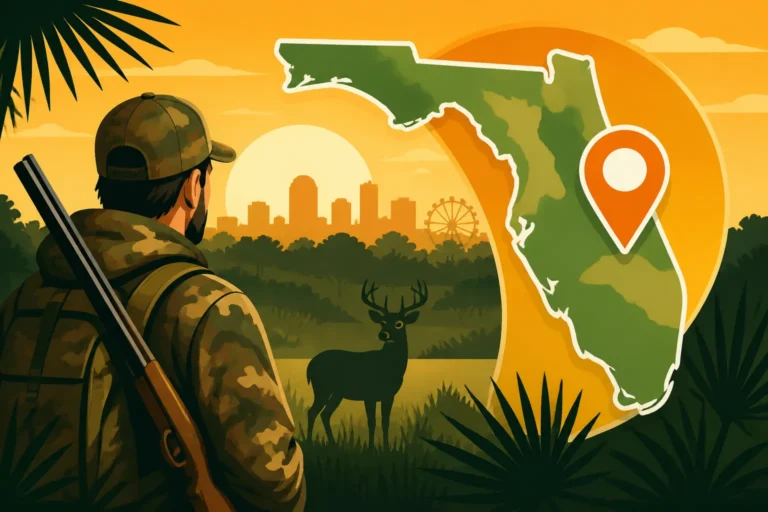
When you look at a map, Collier County is immense, stretching from the Gulf Coast deep into the heart of the Everglades. It’s one of Florida's largest counties by land area, and much of that land is either protected or managed for wildlife, creating a significant amount of public hunting access—if you know where to find it. The landscape here is dramatically different from, say, the pine plantations of the Panhandle or the oak hammocks of North Central Florida. You're often dealing with significant water, dense undergrowth that can turn a short walk into an epic journey, and a truly remote feel that can be both exhilarating and daunting. The sheer scale means that hunting pressure, while present, can often be escaped by those willing to go a little further or work a little harder.
This diversity also means a wider range of hunting experiences. You might be slogging through knee-deep water in a cypress slough one day, then picking your way through dry palmetto scrub the next. Understanding these distinct habitat types and what game thrives in them is crucial. It’s not just about finding public land, it’s about understanding the specific kind of public land you’re on and how to hunt it effectively. For more on the specific challenges of this region, take a look at Hunting the Everglades and Big Cypress.
Key Public Hunting Areas within Collier County
Collier County is home to some of Florida's most iconic and extensive public hunting grounds. The two titans are undoubtedly the Big Cypress National Preserve and the sprawling Everglades and Francis S. Taylor Wildlife Management Area (WMA). These areas define public hunting in this part of the state, offering vast tracts of land for deer, hog, and even some waterfowl opportunities. You'll also find portions of the Fakahatchee Strand Preserve State Park that allow hunting, though often with more restrictive access and specific quota hunt requirements.
Each of these areas comes with its own set of rules, access points, and specific challenges. Big Cypress, for instance, often requires specialized vehicles like swamp buggies or airboats in certain sections, or a lot of determined slogging on foot through wet terrain. The Everglades WMA, particularly its vast southern reaches, is almost entirely accessed by airboat, making it a unique and formidable hunting destination. Fakahatchee, known for its incredible cypress forests, typically has limited entry quota hunts, making drawing a tag a significant achievement. It's vital to remember that these aren't "walk-in-anywhere" type properties; careful research into specific unit regulations and access methods is paramount before you even leave your driveway. For a broader understanding of how these areas fit into the state's system, explore Florida Wildlife Management Areas.
| Public Hunting Area | Primary Game Species | Typical Access Methods | Quota Hunt Required? | Terrain Description |
|---|---|---|---|---|
| Big Cypress National Preserve | Deer, Hog, Small Game, Turkey | Foot, Airboat, Swamp Buggy, ATV (designated) | Yes (Specific Units) | Cypress Swamps, Pine Flatwoods, Wet Prairies |
| Everglades & Francis S. Taylor WMA | Deer, Hog, Waterfowl, Alligator | Airboat, Foot | Yes | Vast Freshwater Marsh, Tree Islands, Cypress Domes |
| Fakahatchee Strand Preserve State Park | Deer, Hog | Foot (limited), Kayak/Canoe | Yes | Deep Cypress Sloughs, Strand Swamps |
Navigating Permits, Regulations, and Access Points
Hunting in Collier County's public lands isn't as simple as just buying a general license and heading out. The unique nature of these areas, coupled with their popularity and conservation importance, means a layered approach to permits and a strict adherence to specific regulations.
The Importance of Quota Hunts and Special Permits
Almost all desirable deer and turkey hunting opportunities, and many hog hunts, on Collier County public lands fall under a quota hunt system. This means you can't just show up; you have to apply for and be drawn for a specific permit that allows you to hunt during a particular season in a designated area. The quota system is in place to manage hunting pressure, ensure fair chase, and maintain healthy wildlife populations. Missing the application deadlines is a common pitfall, so mark your calendar! The Florida Fish and Wildlife Conservation Commission (FWC) website and their dedicated "GoOutdoorsFlorida" platform are your go-to resources for application periods, results, and specific WMA regulations.
Beyond the general hunting license, you'll often need a Management Area Permit, and then the specific quota permit for the area and season you wish to hunt. Some areas might also require additional permits, such as those for taking a vehicle into certain zones or for specific species like alligators. It can feel like a lot to keep track of, but it’s absolutely critical for legal and ethical hunting. Understanding the Florida WMA Quota Permit System is essential for any serious public land hunter in the region.
Using Mapping Tools for Success
Once you've secured your permits, figuring out where exactly to go and how to navigate the complex terrain of Collier County is the next challenge. This is where modern mapping applications become indispensable. Forget outdated paper maps that quickly turn to pulp in the humidity; digital mapping tools like onX Hunt and GoHunt are game-changers for public land hunting in Florida. These apps overlay public and private land boundaries onto detailed satellite imagery, topographic maps, and even wetland classifications, giving you an unprecedented view of your hunting area.
You can scout from your couch, identifying potential bedding areas, travel corridors, and water sources before you ever set foot in the swamp. More importantly, these tools help you stay on legal hunting land, avoid private inholdings, and pinpoint access points, parking areas, and designated roads or trails. Given the dense cover and often featureless terrain of the Everglades or Big Cypress, a reliable GPS function on your phone (with downloaded offline maps, as cell service is non-existent in many areas) is not just a convenience, it’s a safety essential. Being able to mark your truck, your stand location, or a promising sign can mean the difference between a successful hunt and a frustrating, lost day. For more on how these tools can assist, check out Reading Aerial Photos for Florida Deer.
General Regulations and Considerations
While specific rules vary by WMA or preserve, some general Florida hunting regulations always apply. You'll need a valid Florida hunting license and often a Florida Management Area Permit. Blaze orange requirements are typically in effect during gun seasons, usually 500 square inches above the waist, but always double-check the specific area's rules, as some might have different requirements or exemptions for archery seasons. Vehicle restrictions are common; many public lands only allow vehicles on designated, numbered roads, and off-road travel or ATV use is often highly regulated or prohibited outside specific areas.
Camping rules also vary. Some WMAs allow primitive camping in designated spots, while others do not. When hunting in areas like Big Cypress, where you might be deep in the backcountry, understanding these rules is critical for planning multi-day excursions. Remember, Florida's climate is harsh, and regulations are often designed with safety and conservation in mind. Ignorance of the rules is never an excuse, so make sure to download and print the specific regulations pamphlet for your chosen area, and have it with you in the field. Don't forget to review Florida Resident License Options for what you'll need before applying for any specific WMA permits.
Species and Strategies for Collier County Public Land
Collier County offers a unique blend of game species, each presenting its own set of challenges and requiring adapted hunting strategies. The environment here demands a rugged approach and a deep understanding of how animals interact with water, dense cover, and relentless heat.
Deer and Hog Hunting in the Wilderness
Deer hunting in Collier County's public lands is a true wilderness experience. The whitetail deer here, particularly in the Everglades and Big Cypress, are smaller-bodied than their northern cousins, perfectly adapted to the swampy, dense environment. They are notoriously elusive, constantly moving through the thick palmetto and cypress stands. Still-hunting, where you move slowly and deliberately, pausing frequently to scan for movement, is a common and effective tactic. Dog hunting for deer is permitted in some units of Big Cypress and Everglades WMA, offering a different, highly social, and often very effective way to pursue deer in this challenging terrain.
Feral hogs are abundant across Collier County and represent a fantastic hunting opportunity, often with generous bag limits or none at all, depending on the area. They thrive in the same dense cover and wet environments as deer, making them a frequent bycatch for deer hunters. Stalking hogs in the morning before the heat sets in, especially around water sources or areas with fresh rooting sign, can be productive. The key to both deer and hogs in this region is patience, stealth, and the ability to move quietly through incredibly thick, noisy vegetation. For more on this prolific game, consult Feral Hogs Across Florida.
Waterfowl and Small Game Opportunities
While often overlooked in favor of big game, Collier County also offers surprisingly good waterfowl hunting, particularly in the vast marshes of the Everglades and Francis S. Taylor WMA. Mottled ducks, wood ducks, and various teal species call these wetlands home. Airboat access is almost a necessity for reaching the best spots, where hunters often set up blinds on small islands or use layout blinds in shallow water. Decoying and calling can be effective, but understanding the intricate water systems and where the birds are feeding and resting is paramount.
Small game, such as rabbits and squirrels, are also present, though hunting them often takes a back seat to the larger species. Gray squirrels can be found in the scattered cypress domes and hardwood hammocks, while marsh rabbits inhabit the dense undergrowth and swamp edges. These opportunities can be a great way to fill time or introduce new hunters to the field, offering a less intense experience than slogging for deer or hogs. Always check the specific WMA regulations for small game seasons and bag limits, as they can vary. A deeper dive into these opportunities can be found in Florida Waterfowl and Dove.
Essential Gear and Mindset for Collier County Public Land
Hunting in Collier County is an adventure, but it’s one that demands proper preparation and a realistic mindset. The environment itself is a formidable adversary, and coming unprepared can quickly turn a memorable trip into a dangerous one.
Packing for the Swamp and Sun
Your gear list for Collier County public land hunting will look a little different than for hunts up north. First and foremost, snake boots are non-negotiable. This region is home to several venomous snakes, and protecting your lower legs is paramount. Lightweight, quick-drying clothing is a must, even in cooler months, as humidity is always a factor and you're likely to get wet, either from sweat or sloshing through water. Ample water (and a way to filter more if you're deep in the backcountry) is critical, as dehydration is a real risk. High-quality insect repellent with DEET is also essential, as mosquitoes and other biting insects can be relentless.
A reliable GPS unit or a fully charged phone with offline maps (like onX Hunt or GoHunt) and a backup battery pack are crucial for navigation and safety. Consider a satellite messenger device for emergencies, as cell service is spotty at best in remote areas. Depending on your chosen hunting area, you might need a small boat, a kayak, an airboat, or even a swamp buggy. Always pack a first-aid kit, a headlamp, and a whistle. For specific guidance on vehicle regulations, make sure to check Vehicle Rules on Florida Public Land.
Respecting the Resource and Other Users
Collier County's public lands are shared spaces. You'll likely encounter other hunters, but also hikers, birdwatchers, photographers, and researchers. A respectful and courteous attitude is always important. Know your shooting lanes, be aware of your surroundings, and retrieve your game efficiently and ethically. Leave no trace—pack out everything you pack in, and perhaps even a little extra trash you find.
Beyond respecting other users, it's about respecting the land itself. These are delicate ecosystems. Stick to designated trails or vehicle paths when required, avoid disturbing sensitive areas, and always follow all FWC regulations to the letter. Being prepared means not only having the right gear but also having the right attitude: one of patience, perseverance, and a deep appreciation for the unique wildness of Southwest Florida. This is a special place, and it’s up to all of us to ensure it remains a pristine hunting ground for generations to come.
Disclaimer
This article is for general informational purposes only and does not constitute professional advice. Laws, prices and regulations vary by location and change over time. Consult a qualified professional for guidance on your specific situation.