Why Apalachicola Draws Hog Hunters
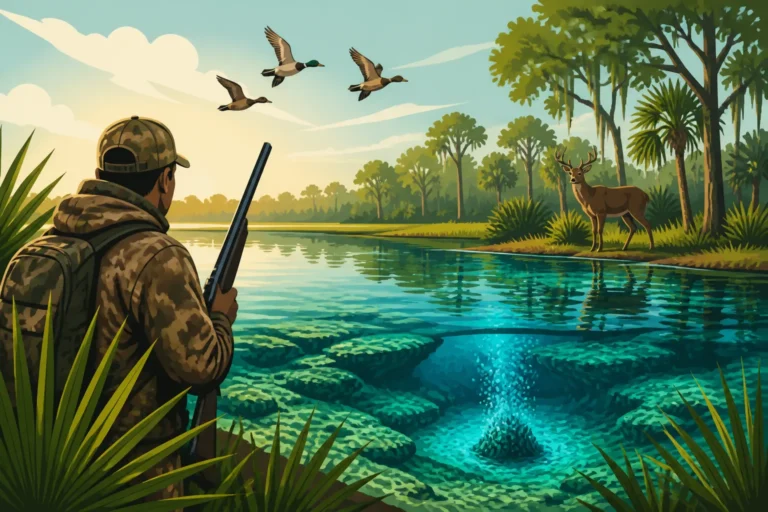
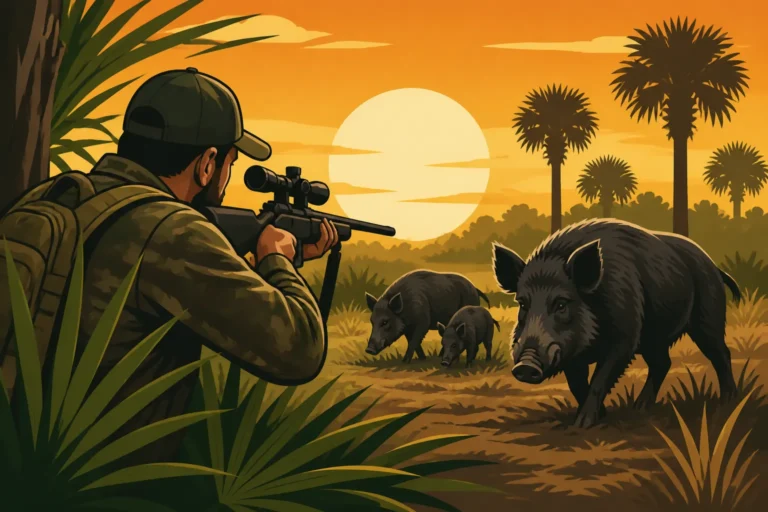
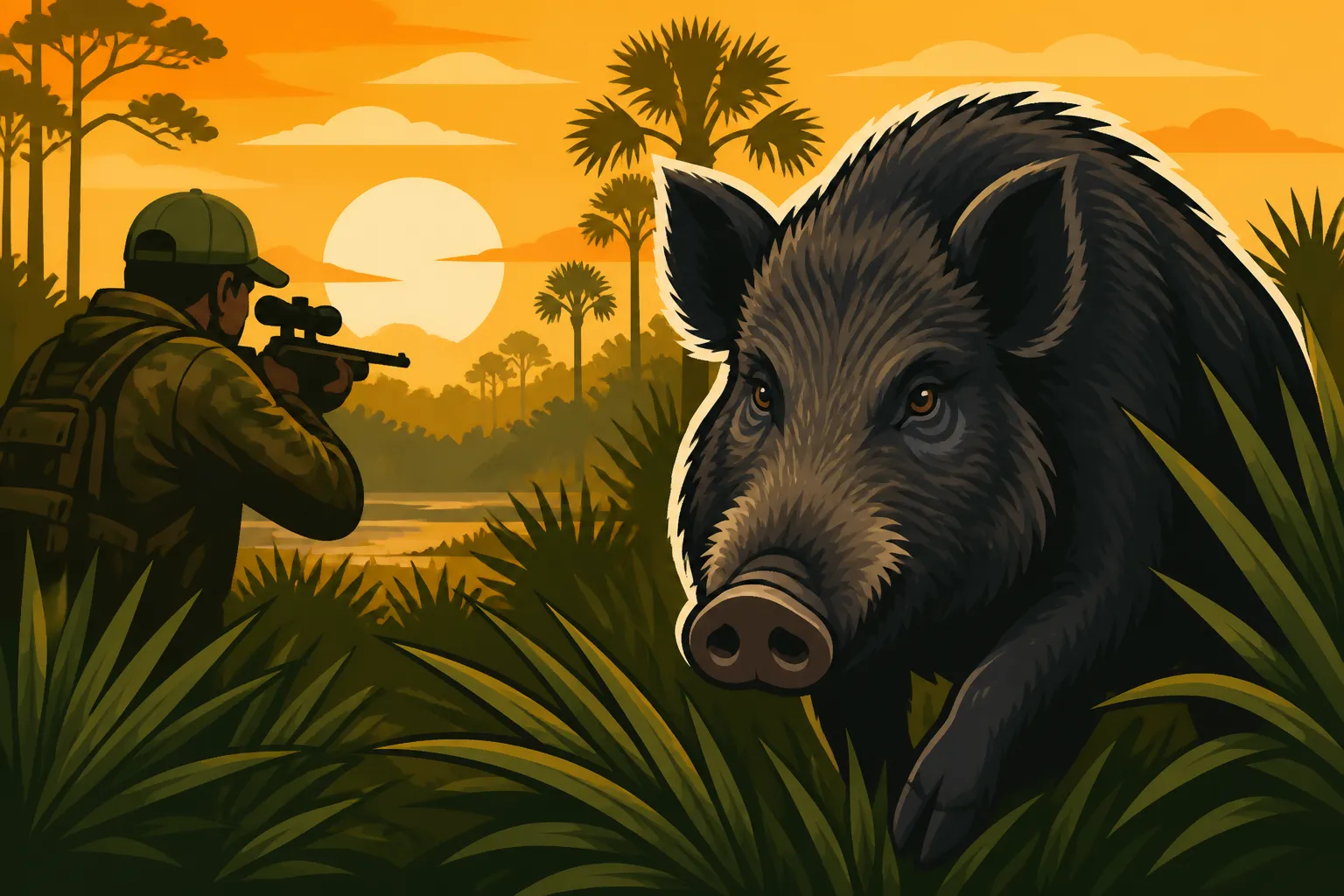
Florida's Apalachicola National Forest holds a special allure for hog hunters, often spoken of in hushed, reverent tones around campfires. Many hunters, myself included, have spent countless hours in pursuit of these wily creatures, battling thick swamps and dense pine forests, only to come up short. It can be incredibly frustrating to know the hogs are there, but just can't seem to connect. This guide will unravel the mystery of why Apalachicola is a veritable magnet for feral hogs and, more importantly, how you can increase your odds of success in this challenging, yet incredibly rewarding, landscape.
Why Apalachicola is a Hog Haven
The Apalachicola National Forest isn't just a large tract of public land; it's a dynamic ecosystem that offers a perfect storm of conditions for feral hogs to thrive. From its vastness to its unique geography and abundant food sources, everything about this area conspires to make it a prime destination for hunters looking to fill their freezer with wild pork.
Abundant Food Sources Year-Round
One of the primary reasons Apalachicola boasts such a robust hog population is the seemingly endless buffet of food available throughout the year. Unlike areas with harsh winters, Florida's mild climate means natural forage is almost always on the menu. Hogs are opportunistic omnivores, and Apalachicola provides everything they could want.
You'll find massive stands of oak, producing acorns that are a prime food source for deer, but even more so for hogs. When the acorns drop, especially during the fall and winter, hogs congregate, rooting up the forest floor with their powerful snouts. Beyond acorns, the forest is rich with various tubers, roots, and fungi that hogs absolutely adore. They'll also happily feast on palmetto berries, wild grapes, and even small invertebrates and carrion, making them incredibly adaptable to whatever the forest offers. This consistent food supply ensures that sows can breed multiple times a year, leading to rapid population growth.
Diverse and Protective Habitat
The sheer diversity of habitat within the Apalachicola National Forest offers hogs ample cover and ideal living conditions. Imagine vast expanses of pine flatwoods, interspersed with thick palmetto patches, dense cypress swamps, and hardwood hammocks along creeks and river bottoms. This mosaic of environments provides everything a hog needs: security cover, bedding areas, and easy access to water.
Hogs are masters of concealment, and the dense undergrowth found in many parts of Apalachicola allows them to hide effectively, even from experienced hunters. They can disappear into a palmetto head or a cypress thicket as if swallowed by the earth, making them incredibly difficult to pinpoint. The mild climate also means they don't face extreme cold, allowing them to expend less energy on thermoregulation and more on foraging and breeding, further bolstering their numbers.
Vast Public Land and Limited Pressure
Another significant draw for hog hunters is the immense amount of public land available. Apalachicola National Forest encompasses hundreds of thousands of acres, making it one of the largest public hunting opportunities in Florida. This vastness means that even with a healthy number of hunters, there are still plenty of areas that see relatively low pressure, especially deeper within the forest.
While some popular spots can get crowded, the sheer scale of the forest allows ambitious hunters to get away from the beaten path. Apalachicola WMA's Widespread Hogs are well-known, and while the WMAs within the forest require a Florida WMA Management Area Permit, the opportunity to chase hogs across such a diverse landscape is a huge draw. Unlike deer, hogs have no bag limit or closed season in Florida on private land, and very liberal seasons and bag limits on public land, which means year-round opportunity, making them a consistent target for hunters.
Understanding the Unique Habitat of Apalachicola
To successfully hunt hogs in Apalachicola, you really need to get a feel for the lay of the land. It’s not just one type of forest; it’s a collection of distinct ecosystems, each with its own challenges and hog-holding potential. Understanding these micro-environments will drastically improve your scouting and hunting strategies.
The Allure of Cypress Swamps and River Bottoms
The cypress swamps and river bottoms are perhaps the most iconic and hog-rich habitats in Apalachicola. The Apalachicola River itself, along with its numerous tributaries and sloughs, creates an intricate network of wetlands that are perfect for hogs. These areas offer constant water sources, soft earth for rooting, and incredibly dense cover.
Hogs will wallow in the mud to cool down and escape biting insects, leaving clear sign of their presence. During dryer periods, these areas become travel corridors and feeding grounds as other parts of the forest dry out. Scouting along the edges of these swamps, looking for tracks, scat, and fresh rooting, can be highly productive. It's often slow, methodical hunting, but the rewards can be significant. Be prepared for wet feet and thick brush, but know that these are often the prime locations where big boars lurk. You might even find yourself looking for Hunting Florida Cypress Swamp Edges.
Pine Flatwoods and Palmetto Thickets
Beyond the wet lowlands, Apalachicola is characterized by vast pine flatwoods, often dotted with dense palmetto thickets. While seemingly less hospitable than a swamp, these areas are crucial to hog movement and feeding patterns, especially after prescribed burns. The open pine woods make for easier walking, but the hogs are usually found concentrated in the adjacent, thicker cover.
Hogs love to root for grubs and roots within the sandy soil of the flatwoods, and the palmetto thickets provide excellent bedding and escape cover. When the palmetto berries are ripe, these thickets become major feeding zones. Hunters often find success by still-hunting the edges of these thickets or setting up blinds along trails leading into and out of them. A good mapping app like onX Hunt can be invaluable here, allowing you to identify dense palmetto heads and plan your approach around them without getting lost in the labyrinthine undergrowth. Understanding Where Florida Bucks Bed in Thick Palmetto can also give you clues to hog bedding areas, as they often share similar preferences for dense cover.
Hardwood Hammocks and Oak Stands
Scattered throughout the forest, especially along higher ground and creek banks, are hardwood hammocks and significant oak stands. These areas are hog magnets when acorns are dropping. Unlike the constant rooting in swamps, here hogs focus on gobbling up fallen mast.
When hunting these areas, especially during the fall, look for fresh tracks and disturbed earth under oak trees. The hogs will move from the dense cover of the palmetto or swamp, into these hammocks to feed, often during low light hours. Setting up a ground blind or finding a good vantage point overlooking an active oak stand can be a highly effective tactic. During these times, you might even encounter deer hunters doing the same, as the same food sources attract both species.
Effective Strategies for Hunting Hogs in Apalachicola
Hunting hogs in Apalachicola requires adaptability and a willingness to embrace various methods. There's no single "best" way to hunt them here, as success often depends on the specific conditions, time of year, and your preferred style.
Still-Hunting and Scouting
Still-hunting is a classic method that can be very effective in Apalachicola, especially in areas with moderate cover like pine flatwoods or along the edges of thicker palmetto. The key is to move slowly, paying close attention to every sound and movement. Hogs have an incredible sense of smell and hearing, so staying downwind and being stealthy is paramount.
When still-hunting, look for fresh sign: tracks in the mud or sand, rooted-up areas, fresh scat, and even rub marks on trees from boars. Use binoculars to scan ahead, especially into any openings or along creek beds. An app like onX Hunt can help you mark sign you find, create waypoints for potential travel corridors, and even identify changes in habitat type that might hold hogs. Many hunters find success by walking old logging roads or fire breaks that dissect different habitat types, as hogs often use these as travel routes. For more specific insights into this method, consider the techniques discussed in Still-Hunting Florida Palmetto Flatwoods.
Dog Hunting for Hogs
For many local Floridians, dog hunting is synonymous with hog hunting, and Apalachicola is no exception. This method is incredibly effective, especially in the thickest, nastiest cover where still-hunting is nearly impossible. Hunters typically use bay dogs, which are trained to corner and "bay" a hog, holding it in place by barking until the catch dogs arrive and physically secure it.
Dog hunting is a high-energy pursuit that often involves tracking dogs from a distance using GPS collars. It's a team effort, and not something to undertake lightly without experience and well-trained dogs. The benefit is that it allows hunters to penetrate dense areas that would otherwise be impenetrable and is often the most reliable way to find and harvest hogs consistently in places like Apalachicola's swamps. This method is truly an adventure and deeply ingrained in Dog Hunting Hogs in Florida traditions.
Baiting and Stand Hunting
Baiting, where legal, is another highly effective strategy for consistently harvesting hogs. Since hogs have no protected status and are considered an invasive species, baiting regulations are generally more liberal than for deer. Corn is the most common bait, but soured grains or even commercial hog attractants can also work wonders.
When using bait, the strategy is to establish a feeding pattern, then set up a stand or ground blind within shooting distance. This allows you to hunt specific locations, often with a higher success rate than simply walking around hoping to stumble upon a hog. Be mindful of local regulations, especially on public lands where baiting might be restricted or require specific permits. Regardless of where you hunt, remember that baiting needs consistent replenishment to keep the hogs coming back. Learning Baiting Hogs Legally in Florida is a crucial first step if this is your chosen method.
Planning Your Apalachicola Hog Adventure
A successful hog hunt in Apalachicola, whether it's your first time or your fiftieth, hinges on proper planning. From understanding the rules to having the right gear, a little preparation goes a long way in tackling this expansive and wild landscape.
Permits, Regulations, and Season Dates
While feral hogs are generally unprotected in Florida, hunting them within the Apalachicola National Forest (which often falls under WMA regulations) does require proper licensing. You'll typically need a Florida hunting license and a WMA Management Area Permit. While there's generally no closed season or bag limit on private land, public land rules can vary, so always check the specific regulations for the WMA unit you plan to hunt.
The Florida Fish and Wildlife Conservation Commission (FWC) website is your best friend here. It provides up-to-date information on license requirements, WMA specific regulations, and any area closures. Don't forget to understand Florida Hunting Licenses and What They Cost before heading out. Sometimes, specific units might have quota hunts or unique rules for certain weapons, so being informed is crucial. Remember, ignorance of the law is no excuse.
Scouting with Technology
In a vast area like Apalachicola, modern technology can be a game-changer for scouting. Apps like onX Hunt provide detailed satellite imagery, property boundaries, and topographical maps, which are invaluable for identifying promising hog habitat, locating water sources, and planning your entry and exit routes. You can mark potential bedding areas, wallows, and feeding zones right on your phone.
GoHunt also offers valuable resources for hunting planning, sometimes including specific WMA information or aggregated reports that can help you prioritize areas. Before you even set foot in the woods, spend time studying aerial photos to find bottlenecks, natural funnels, and dense cover near food or water. These tools can help you narrow down vast areas and focus your ground scouting efforts. Being able to drop a pin on a fresh hog track and then analyze the surrounding cover on your digital map is incredibly powerful. Scouting Florida Public Land Before Season will provide additional tips for maximizing your pre-hunt preparation.
Essential Gear for Apalachicola Hogs
Hunting hogs in Apalachicola means preparing for a rugged, often wet, environment. Your gear choices can make or break your hunt. Beyond your weapon of choice (rifles, shotguns, muzzleloaders, and archery equipment are all commonly used), waterproof boots are an absolute must. You will encounter water, mud, and sometimes knee-deep sloughs.
Consider durable, quick-drying clothing, insect repellent (the mosquitoes and gnats can be relentless), and a good backpack for carrying essentials like water, snacks, first-aid, and game processing tools. A reliable compass or a GPS device (in addition to your phone app) is crucial for navigation in the dense, often featureless terrain. If you're hunting at night, a powerful headlamp or spotlight is essential for safety and target identification. Don't forget game bags and ice if you plan to pack out meat, as Florida's heat can quickly spoil your hard-earned harvest.
Here's a quick overview of hog hunting methods and their suitability in Apalachicola:
| Method | Best For | Key Gear | Pros | Cons |
|---|---|---|---|---|
| Still-Hunting | Pine Flatwoods, Hammock Edges | Good boots, binoculars, mapping app | Quiet, immersive, good for finding sign | Requires patience, easy to miss hogs in thick cover |
| Dog Hunting | Deep Swamps, Dense Palmetto | Dogs, GPS collars, communication devices | Highly effective in thick cover, exciting | Requires specialized dogs, physically demanding |
| Baiting & Stand | Areas near bedding, food sources | Corn/bait, ground blind/treestand | Consistent success, less physically demanding | Requires regular baiting, hogs can become nocturnal |
| Spot-and-Stalk | Open fields (rare in ANF), burns | Binoculars, rangefinder, quiet footwear | Challenging, rewarding, stealthy | Limited opportunities in dense ANF, difficult approach |
| Night Hunting | Any area (where legal) | Lights (red/green), night vision/thermal | Hogs are often more active at night | Specific regulations, requires specialized equipment |
Remember, Apalachicola draws hog hunters not just for the challenge, but for the reward of experiencing wild Florida at its most primal. Good luck out there!
Disclaimer
This article is for general informational purposes only and does not constitute professional advice. Laws, prices and regulations vary by location and change over time. Consult a qualified professional for guidance on your specific situation.